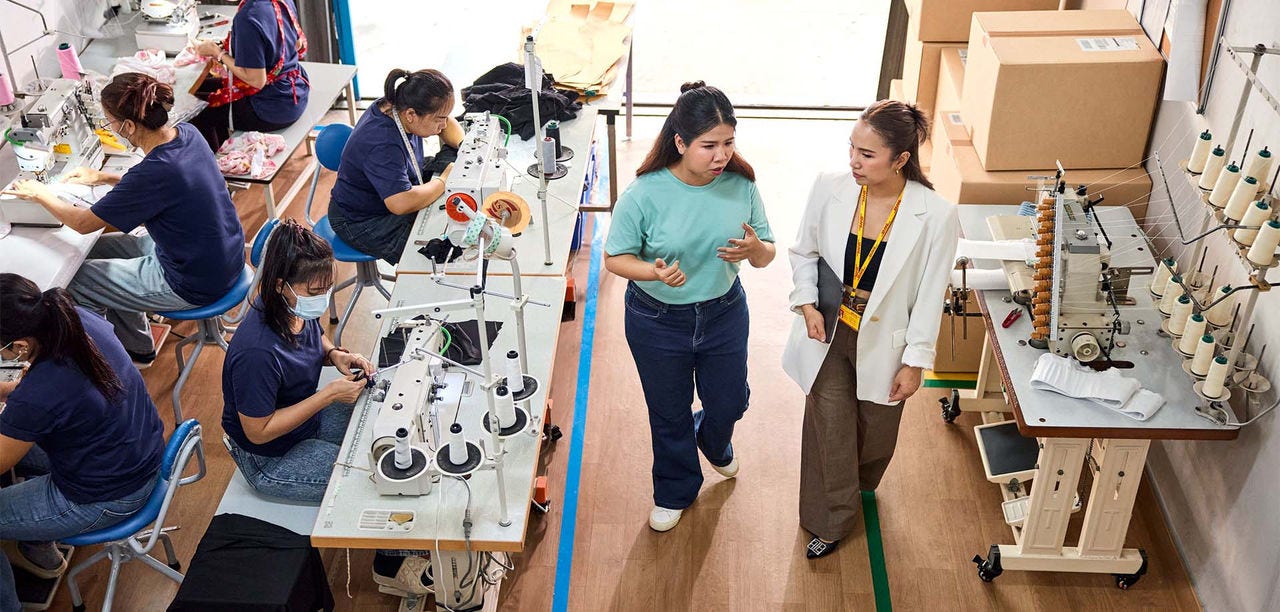
It is a plan to defer or reduce the payment of import taxes in order to retain more working capital in your business. This involves using government deferral schemes such as the AEO programme, or ensuring your product valuation is accurate.

Cash is the lifeblood of high-volume trade. Many businesses treat customs duty as a transactional expense that must be paid at the border before goods are released. This approach locks up significant amounts of capital for weeks or months at a time. In 2026, forward-thinking financial officers are moving away from upfront payments towards strategic liquidity models instead.
Paying taxes at the border is a 20th-century model that drains your liquidity. When you pay duties per shipment, that capital is unavailable for marketing or new product development until you have actually sold the goods.
We help you move away from paying per shipment so you can start paying per month, keeping your funds in your bank account for longer.
A duty deferment account operates similarly to a revolving credit line provided by your local customs authority. It allows you to clear goods immediately while deferring the actual payment to a consolidated monthly date.
Consolidated billing is one of the most effective ways to manage a predictable cash flow. It simplifies your bookkeeping and protects your bank balance.
Vietnam provides a strong standard for liquidity management through its Authorised Economic Operator (AEO) programme. Under standard rules, you pay tax at the border and then claim it back months later. This creates a significant cash flow gap.
In 2026, this programme is a vital tool for any merchant shipping goods into Vietnam. Compliance with documentation requirements, such as phytosanitary certificates for coffee exports, is critical to avoid rejections and ensure smooth clearance.
Many markets are expanding access to duty deferral for compliant manufacturers and merchants. Obtaining AEO status is often the first step to unlocking these opportunities.
Access to these liquidity schemes helps you scale your operations without needing constant cash injections. We provide the brokerage expertise to help you achieve and maintain this status.
Choosing between these terms is a constant balance between customer experience and your bank balance.
Using a strategic approach to these terms helps you enter new markets without overextending your capital, particularly when facing potential supply chain disruptions during peak periods such as Tet.
If you over-value your goods, you are effectively giving the government an interest-free loan. A common mistake is including non-taxable costs such as international freight or insurance in the taxable base.
A variance of even 5% in valuation can result in wasted tax payments of up to VND 125,000,000 in a single quarter.
Improving your duty and tax payment approach is a fast way to increase your returns. By moving away from transactional payments and using deferral, you turn your logistics into a source of liquidity. Speak to a DHL specialist today to review your payment strategy and keep your cash working in your business.
It is a plan to defer or reduce the payment of import taxes in order to retain more working capital in your business. This involves using government deferral schemes such as the AEO programme, or ensuring your product valuation is accurate.
The programme allows eligible businesses to benefit from preferential customs procedures, including the ability to defer tax on imported shipments. Rather than paying tax at the port, you consolidate payments to a fixed date each month, which significantly improves cash flow.
DDP means you pay the taxes, which is better for customers but uses your capital upfront. DAP means the customer pays the tax on arrival, which protects your cash flow but may lead to higher return or refusal rates.
Yes, our customs brokerage team can guide you through the requirements and help you prepare your documentation. This status is often required to access extended duty payment windows and other preferential trade benefits.
Yes, you can select the duty payer for each individual shipment. This feature depends on your account setup, the destination country, and whether the receiver accepts the charges.


 Share
Share