#LogisticsAdvice

Intra-African Shipping: Key Routes and Smart Strategies for Success

Intra-African Shipping
This article covers:
South Africa Anchors Key African Routes
Documentation Precision Prevents Costly Delays
Strong Local Partners Ensure Seamless Delivery

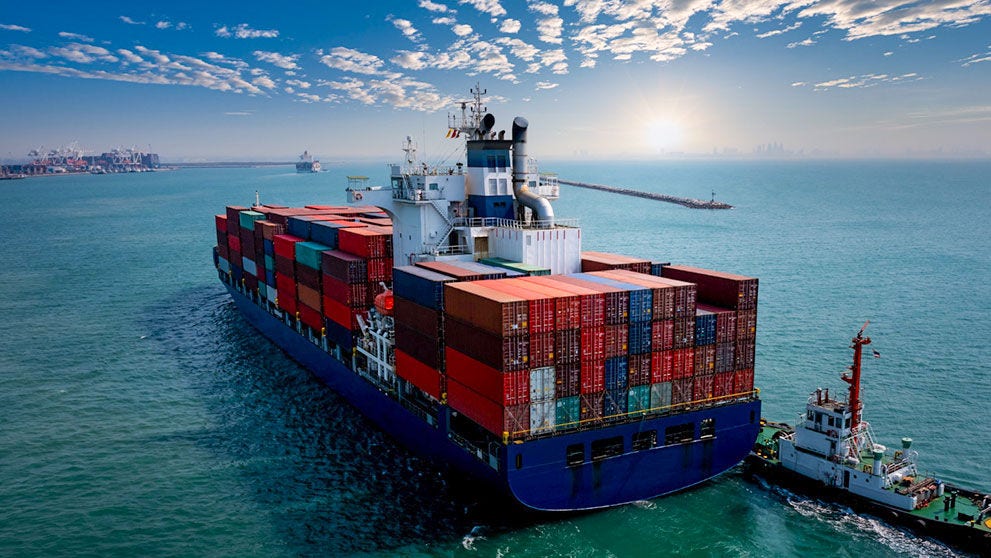
South Africa stands tall as the continent’s premier gateway, strategically positioned along crucial east and west maritime corridors.

This prime location naturally makes it a key refuelling and service hub for vessels navigating these busy lanes. With world-class port infrastructure, South Africa is a reliable base for long-haul shipping operations. As global trade increasingly embraces the Cape route, South Africa’s capability to deliver premium maritime services guarantees the smooth movement of goods from the southern tip of Africa to the world. This geographic advantage makes it the natural springboard for businesses looking to expand into northern African markets.

Focus on Vital Shipping Corridors

Shipping to West Africa, particularly Lagos and Accra, has recently seen shifts in carrier capacity. More shipping lines are choosing the Cape route, boosting reliability for connections to these essential West African hubs. While transit times vary, the main challenge remains navigating customs, especially in Ghana, where procedures can be complex.

For East Africa, shipments to Nairobi typically rely on feeder services to the port of Mombasa, followed by efficient inland rail or road transport. For landlocked Ethiopia, cargo usually arrives at Djibouti’s port before making its way overland to Addis Ababa. Deliveries to these inland destinations require extra lead time to manage regional logistics complexities. To meet the growing demands of intra-African trade, carriers are steadily increasing service frequencies along these routes.

/content/dam/south-africa/logistics-advice/logistics-insight/Mastering Documentation and Customs Clearance.jpg

Mastering Documentation and Customs Clearance

Seamless cross-border trade depends on having your paperwork locked down well before your shipment docks. 

Essential documents include a commercial invoice, detailed packing list, and bill of lading. Depending on your cargo, you may also require certificates of origin or phytosanitary certificates. New trade agreements demand specific forms to claim tariff preferences, accuracy here is non-negotiable. Industry experts agree that meticulous documentation and pre-clearance are your best weapons against costly delays or demurrage at busy ports. Staying ahead with your paperwork ensures your cargo moves through customs with ease.

Choosing the Right Partners for Success

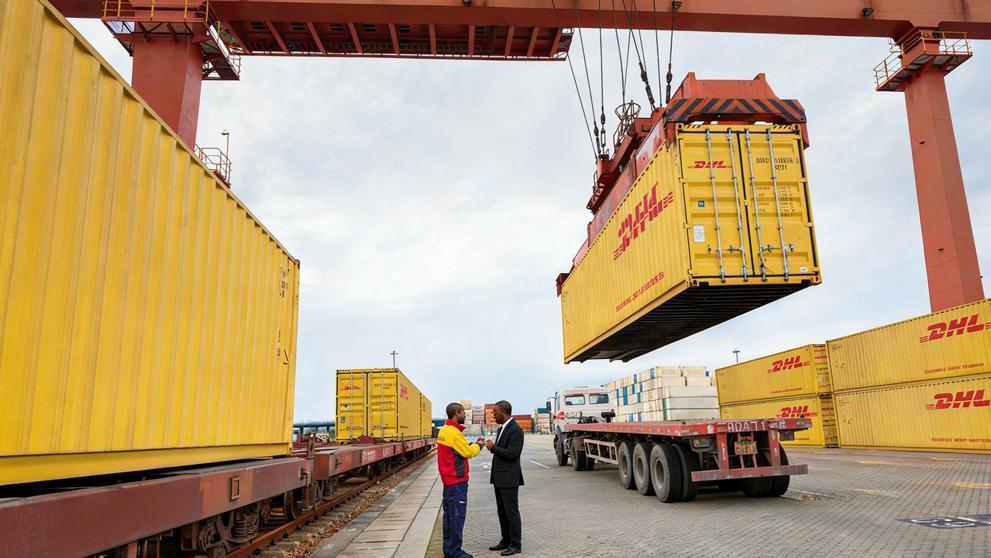
Selecting a shipping partner goes beyond finding the cheapest option. It’s about working with freight forwarders who have boots on the ground in your target markets and deep expertise in West and East African customs. The perfect partner manages your entire shipment journey, from ocean freight right through to final road delivery, while keeping you updated with real-time information on route availability. Leveraging local knowledge is essential for navigating complex multimodal logistics and ensuring full compliance across borders.

Tackling Common Challenges

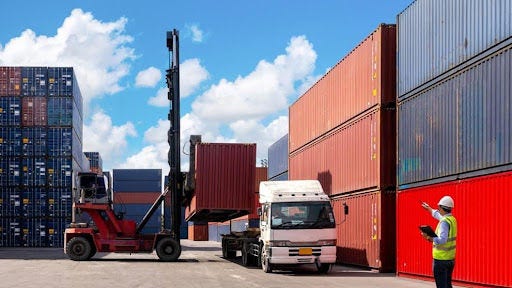
Even the best plans can encounter bumps, from port congestion to seasonal capacity crunches. Frequent pitfalls include misuse of Incoterms and insufficient cargo insurance. During peak seasons, vessel space is tight, so booking well in advance is smart. Global shifts in shipping routes also bring schedule unpredictability. To overcome these hurdles, build buffer days into your delivery timelines and double-check every document with your agent before shipment.


/content/dam/south-africa/logistics-advice/logistics-insight/Practical Tips for South African Exporters.jpg

Practical Tips for South African Exporters

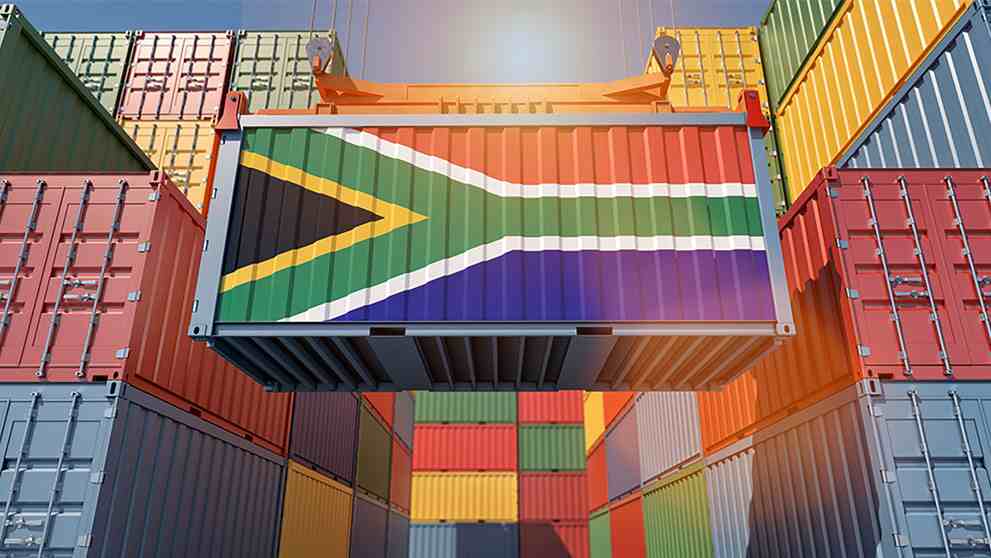
Success begins with securing a reliable freight forwarder who operates in your destination country.

Once onboard, confirm transit times to set realistic expectations across your supply chain. Early verification of HS codes, customs tariffs, and AfCFTA proof of origin forms is crucial to maximise regional trade benefits.
Beyond paperwork, safeguard your cargo with comprehensive insurance and ensure shipments meet palletisation and labelling standards. Keep contingency funds handy for unexpected demurrage fees and maintain a direct contact list for your local agents to swiftly resolve any issues.

Unlocking Growth Across African Borders

Reliable intra-African shipping is the foundation of a new chapter in continental trade. By understanding key corridors and maintaining strict discipline with documentation, South African businesses can thrive. Although routes to Lagos or Nairobi come with their challenges, thorough preparation makes all the difference. Partnering with a logistics expert like DHL Express guarantees your shipments are handled with world-class precision. With the right partner and a clear strategy, the opportunities across Africa are truly limitless.