#LogisticsAdvice

Powering South Africa’s EV Growth: Expert Logistics for EV Components

Powering South Africa’s EV Growth
This article covers:
EV Growth Demands Specialized Logistics Expertise
Hazardous Batteries Require Strict Safety Protocols
Compliance And Smart Routing Enable Scalability

South Africa’s electric vehicle market is shifting into high gear. With industry giants like BYD gearing up to roll out hundreds of chargers in 2026 and Stellantis ramping up production at the Coega Special Economic Zone, the automotive scene is transforming fast. 

But this story isn’t just about more EVs hitting the road, it’s about expertly moving the vital components behind the scenes: batteries, charging systems, and sensitive electronics, all demanding specialised care and logistics expertise.

As the EV aftermarket prepares for strong growth over the next decade, logistics providers need to rise to the occasion, mastering the unique demands of this rapidly evolving supply chain.

Understanding What Demands Special Attention

When it comes to shipping EV parts, knowing the product inside out is non-negotiable. We’re dealing with high-voltage lithium-ion battery packs, intricate battery management systems, and delicate inverters, far from your typical automotive spares. Battery packs are not only heavy and costly, but also classified as hazardous due to their chemical components. Electronic parts are sensitive to static discharge and physical shocks, while high-voltage wiring and cooling systems require careful handling to ensure they arrive in perfect condition, ready for assembly or aftermarket use.

Prioritising Safety, Packaging, and Temperature Control

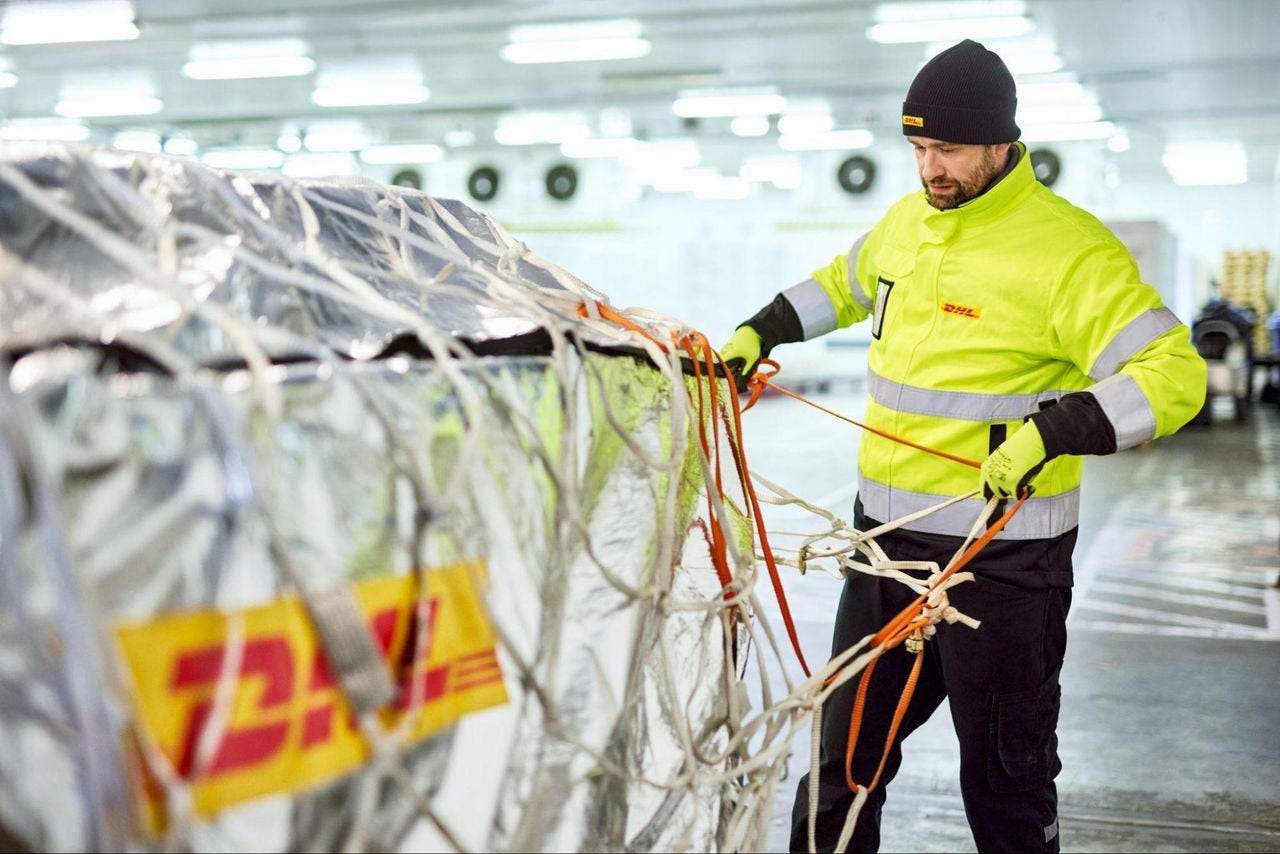
Safety is the cornerstone of EV component logistics. Lithium-ion batteries are classified as dangerous goods, with transport protocols depending on their condition. A ‘green’ battery means it’s healthy and fit for standard shipping; ‘yellow’ or ‘red’ flags indicate damaged or unstable batteries needing specialised containment and isolated handling. Temperature control is equally critical, excess heat can degrade battery performance long before installation. That’s why modern warehouses deploy smart monitoring systems to maintain optimal thermal conditions, whether parts await assembly or recycling. Expert teams trained in hazardous goods management are vital to navigating these challenges.

/content/dam/south-africa/logistics-advice/logistics-insight/Selecting the Right Transport Modes and Routes.jpg

Selecting the Right Transport Modes and Routes

Choosing the ideal transport method hinges on shipment size and urgency. 

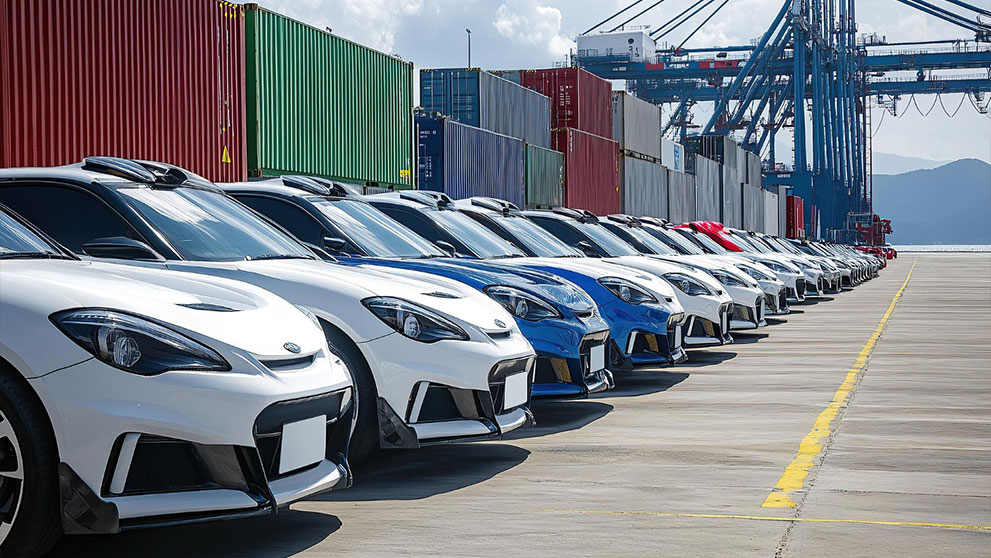
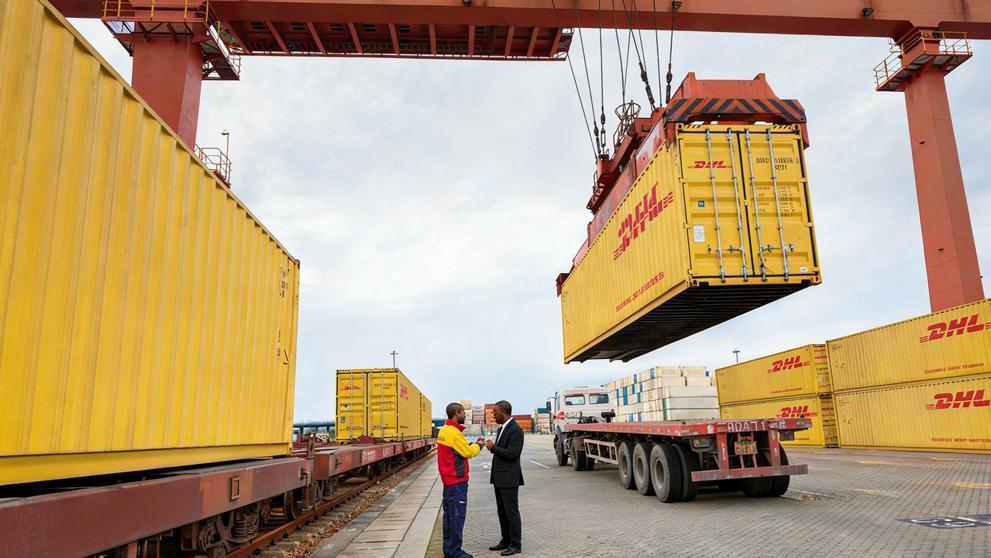
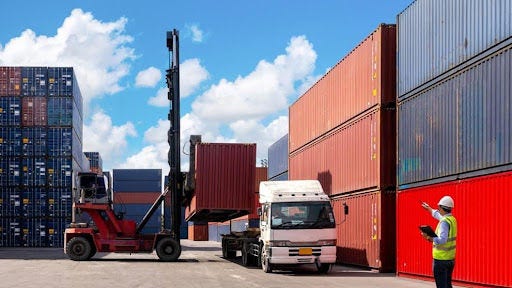
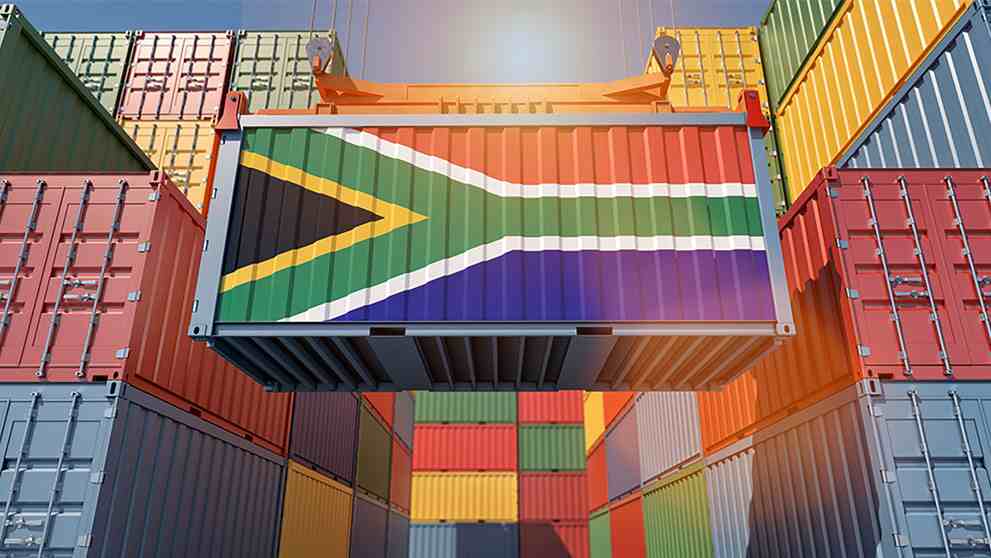
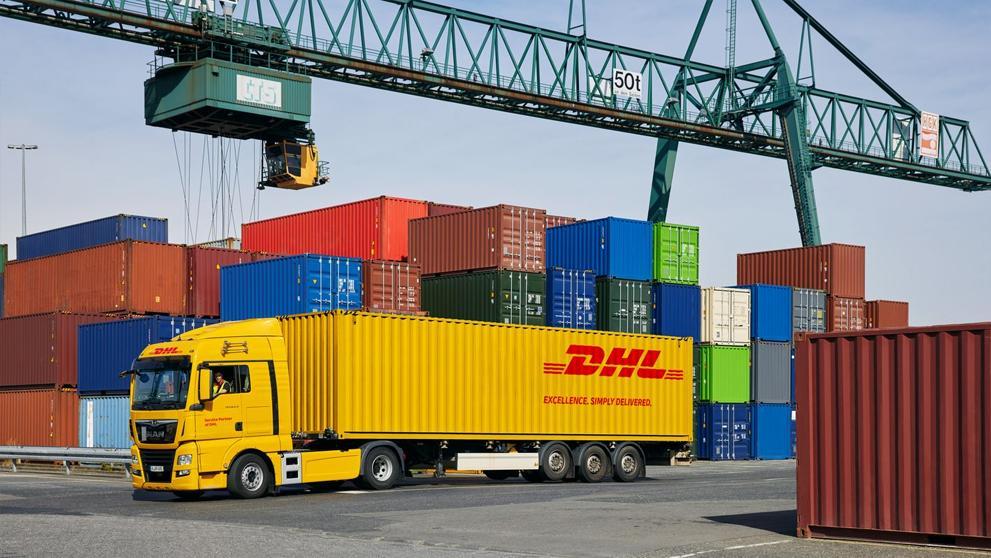
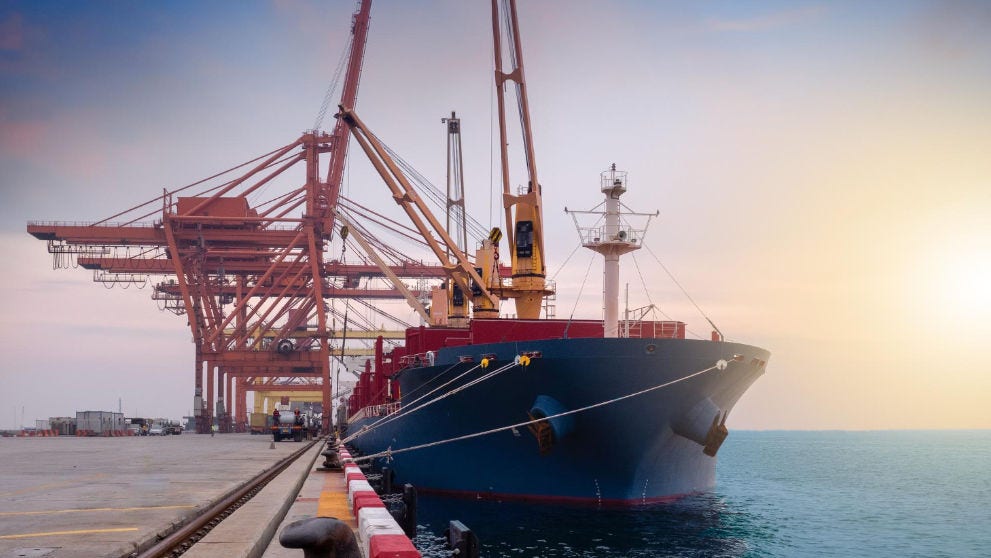
For bulk shipments of vehicles or battery packs, Roll-on/Roll-off and container shipping remain the preferred options. The Coega Special Economic Zone is establishing itself as a key hub for this heavy-duty import-export activity, with infrastructure designed to support automotive assembly. Air freight is typically reserved for urgent or smaller electronic components, despite its higher costs. Once components land, road transport presents its own challenges. While electric trucks show promise, current infrastructure limitations mean careful route planning is essential to move heavy parts efficiently from port to factory.
Navigating Regulatory Compliance and Incentives

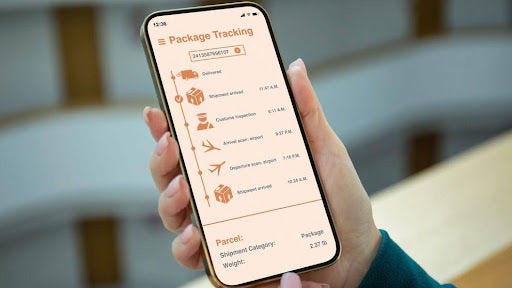
Bringing EV components into South Africa requires a firm grasp of regulatory hurdles. Importers must secure permits, Letters of Authority, and type approvals from the NRCS to avoid costly delays. Leveraging government incentives like the Automotive Production and Development Programme and the recent Electric Vehicles White Paper is critical to supporting local manufacturing efforts. Understanding tax structures and duties helps optimise costs, while early engagement with customs and standards authorities smooths border crossings and prevents hold-ups.


Building a Supply Chain That Can Weather the Storm

Supply chain resilience starts with accurate battery classification and securing all required hazardous goods documentation. Early alignment on packaging and handling protocols with your logistics partner is essential, alongside selecting transport methods that balance speed with safety. Pre-clearing compliance paperwork and having clear plans for recycling or disposal before shipment departure keep operations running without a hitch.

/content/dam/south-africa/logistics-advice/logistics-insight/Partnerships and Reverse Logistics.jpg

Partnerships and Reverse Logistics: Closing the Loop

The EV supply chain is a circle, not a straight line. 

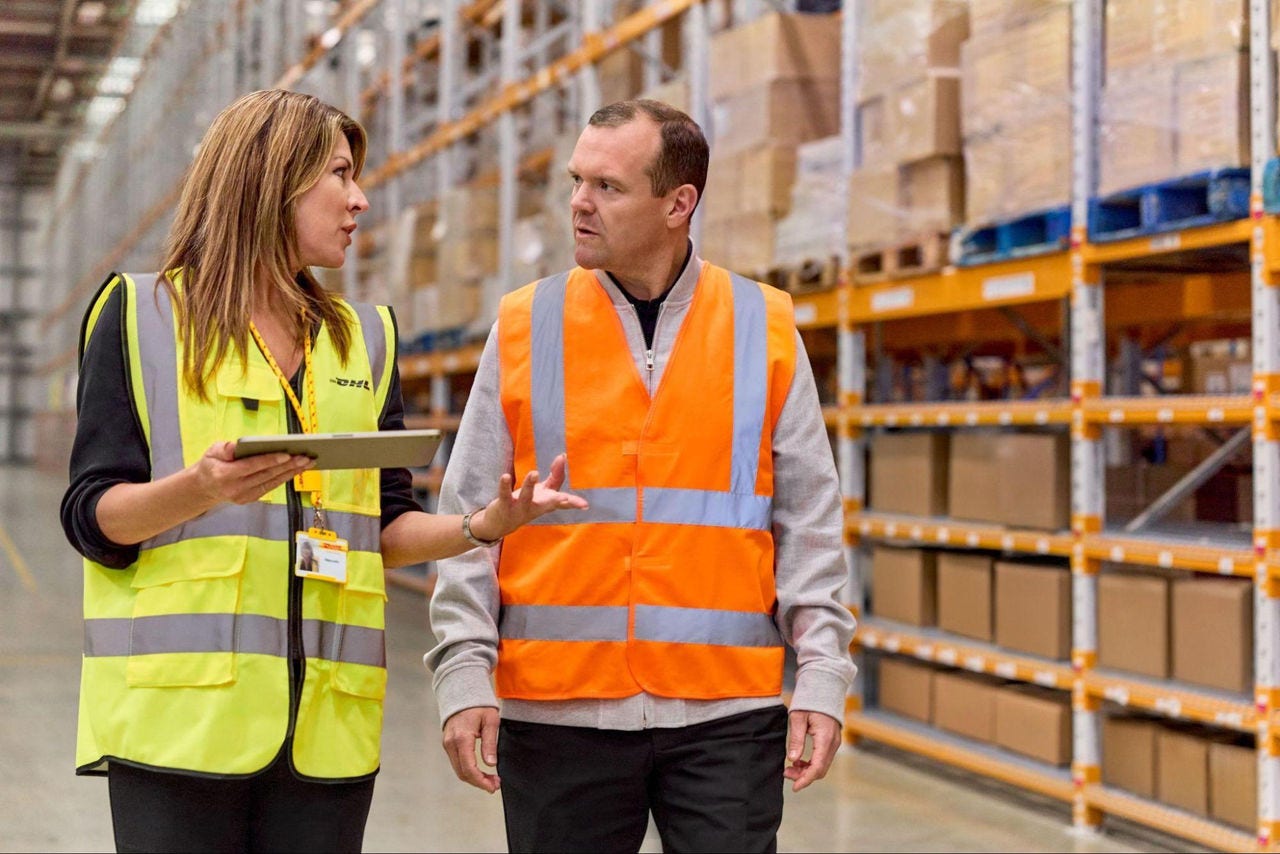
Manufacturers, logistics providers, and port operators must plan for returns and recycling from day one. Packaging solutions now anticipate not only initial delivery but also return journeys. As the market grows, battery recycling and second-life applications, where used EV batteries are repurposed for stationary energy storage are gaining traction. Integrated logistics services covering importation through to recycling are fast becoming the industry standard.

The Bottom Line

Shipping electric vehicle components demands deep technical expertise, regulatory savvy, and strategic planning. As South Africa’s EV ecosystem expands, those who invest early in compliant handling, smart logistics, and full lifecycle management will position themselves to scale effectively.

For those navigating this complex terrain, partnering with DHL offers a clear advantage. With specialised teams that understand the nuances of the South African market and global safety standards, DHL ensures your EV components arrive safely, on time, and ready to power the future.