#LogisticsAdvice

Using Free Trade Agreements to Lower Your Export Costs

Key Takeaways

  • Tariff Relief: Active trade agreements help you lower your import duty bills when shipping internationally.
  • Rigorous Documentation: Correct origin certificates help you avoid unexpected clearing delays and sudden tax bills.
  • Pre-Shipment Screening: MyGTS helps you find the correct tariff codes and see which trade documents and FTA privileges apply before you ship.
  • Audit Protection: Clean record-keeping helps your business survive strict retroactive customs reviews.

Every shipment you send across borders without claiming trade preferences is money leaking from your margin. For teams managing cross-border sales, that leak almost always comes down to paperwork nobody has time to complete.

We can help your trade team stay on top of these treaty rules before a shipment ever leaves the warehouse. Here's how to identify eligible tariff cuts, organise your paperwork, and protect your business from back-tax bills.


How do preferential tariffs help you win global customers?

Preferential tariffs give your products a real price advantage in foreign markets. By lowering or removing customs duties, they make your landed cost more attractive to overseas buyers.

Why active trade deals help your pricing strategy

Here's what that advantage looks like in practice:

Duty Cuts

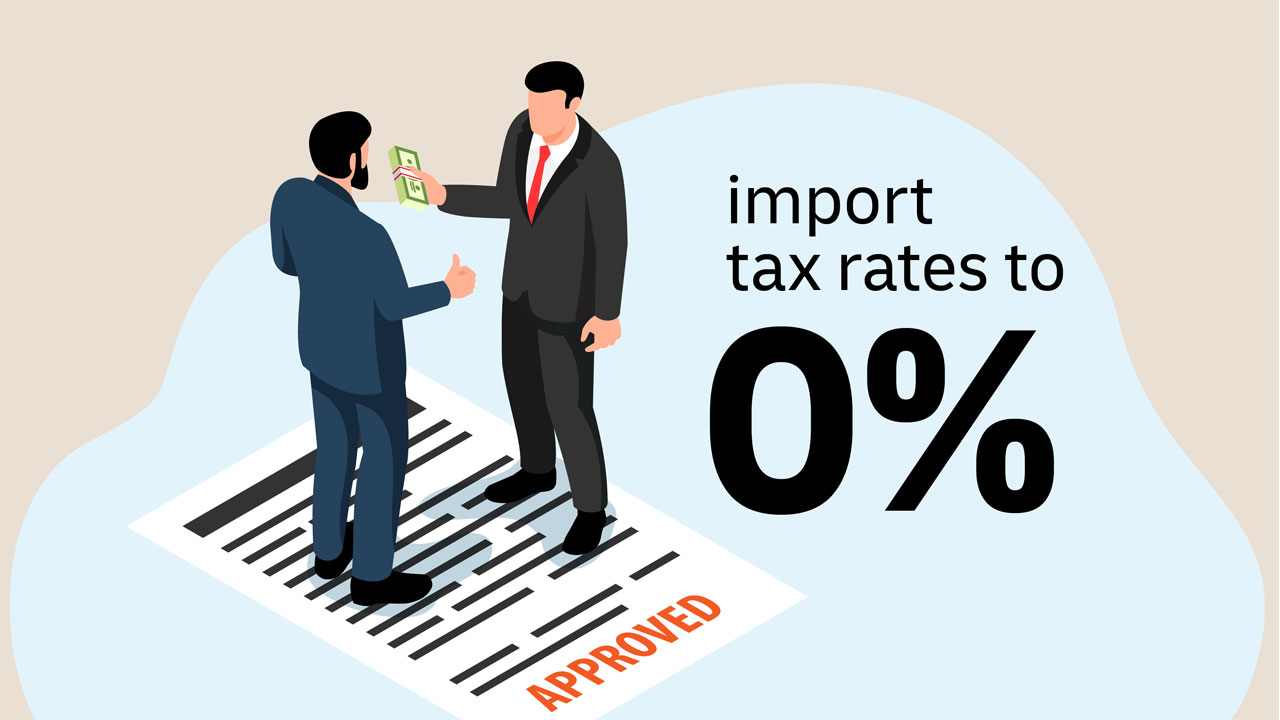
Duty Cuts: Treaties often drop import tax rates to 0% over a set timeline.

Competitive Pricing

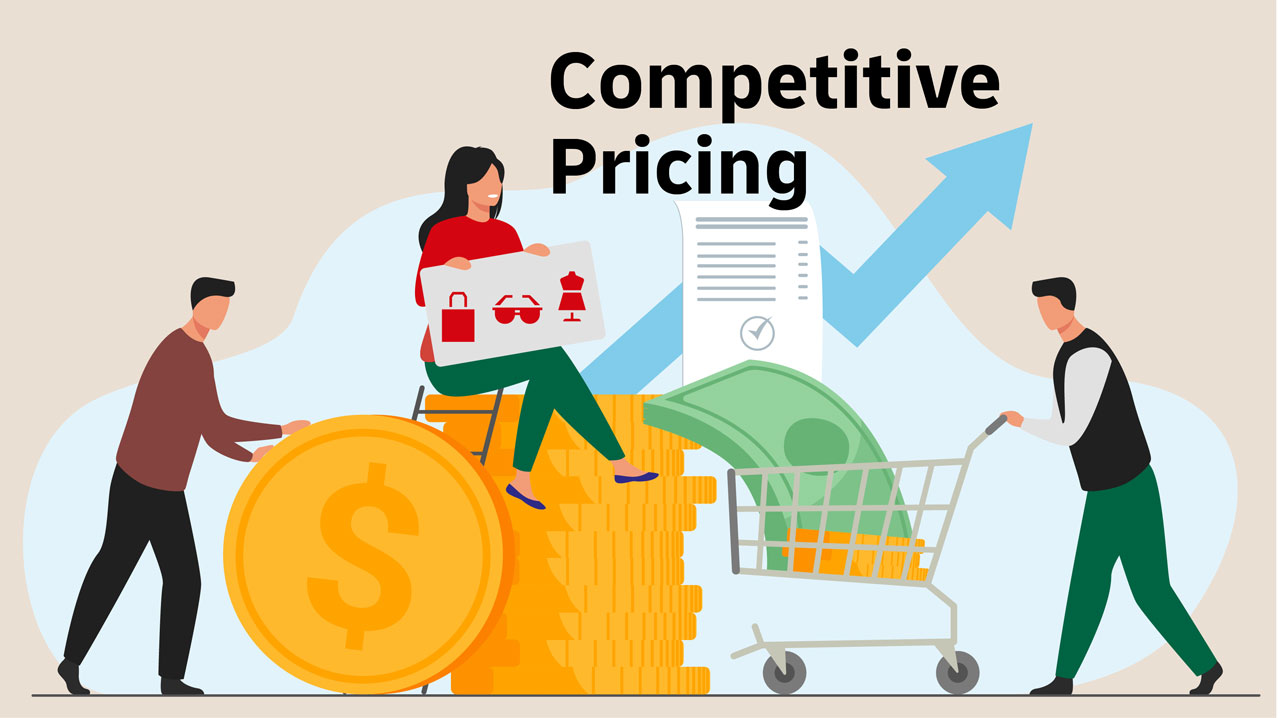
Competitive Pricing: Lower tax barriers let you match or beat local prices.

Supply Resilience

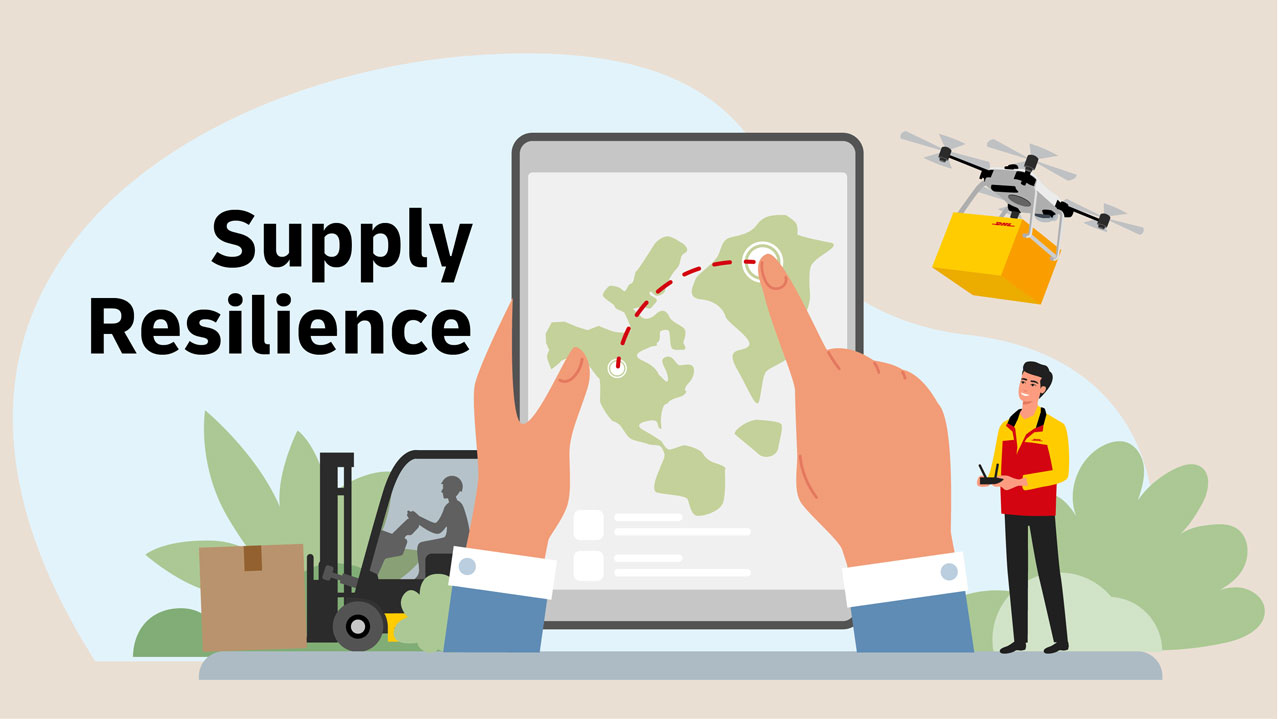
Supply Resilience: Sourcing parts from treaty-aligned countries helps you build a stable supply chain.

Where MyGTS fits into your export process

According to the 2025 Thomson Reuters Institute Corporate Tariffs Survey, only 33% of businesses use technology to automate their FTA compliance. This means most are still managing it by hand and likely leaving savings on the table.

Failing to claim these discounts can wipe out your profit margins on high-volume shipments. MyGTS helps you find the correct export and import tariff codes for your goods. Once you've entered those codes, the Pre-Shipment Plans tab shows you the customs and trade documents you'll need, including any FTA privileges that apply.

How to find FTA privileges for your trade lane

  • Log In or Register: Access MyGTS with your existing DHL Express account, or create a free MyGTS account.
  • Find Your Tariff Code: Use the tariff code tool to identify the correct HS code for your product.
  • ·Enter Your Trade Lane: Add your origin and destination countries into the Pre-Shipment Plans tab.
  • Review What's Required: See the customs and trade documents needed for that lane, including any FTA privileges you can claim.

If you're shipping from a major industrial zone like Western Sydney's manufacturing hub, understanding these rules matters even more. For large-scale projects, regional frameworks like the Regional Comprehensive Economic Partnership (RCEP) can help keep costs down.


What paperwork do you need to prove origin?

Claiming lower tariff rates requires a correct Certificate of Origin that can withstand a border audit. The Australian Border Force (ABF) and other customs authorities enforce strict rules to verify your goods qualify under the trade deal, and a single mistake on the form can get your preference claim rejected.

How DHL Express supports the paperwork

Our Multiline Entry and Export Declaration services help you get this paperwork ready. We can help assemble your documents according to trade rules, but final compliance remains your responsibility.

Four things every origin file needs

Structure your records around these four checks:

  • Check HS Codes: Match your product codes against treaty schedules to verify eligibility.
  • Apply Origin Rules: Document exactly how the product qualifies, such as wholly obtained materials.
  • Complete Forms: Fill in every required box, including exporter details and your origin statement, verified where needed by an authorised body.
  • Keep Production Records: Store all material bills, invoices, and manufacturing logs to back up your claims.

Prepare your files early to avoid bottlenecks during busy seasons. Logistics capacity often tightens during the end-of-year holiday period, which makes early preparation even more important.


How do you protect your business from retroactive fines?

Customs agencies can audit your trade records several years after a shipment clears the border, and if they find your origin claims were incorrect, they can issue back-tax bills and serious penalties. A clear compliance trail is what protects you when that audit happens.

How MyDHL+ helps you stay ahead of an audit

Automated screening tools in MyDHL+ help you find and fix missing data before you submit files to customs, catching the kind of gap that turns into a problem years later.

Where compliance gaps commonly show up

Review your current trade risk against these common gaps:

Compliance Risk

Operational Impact

How to Protect Your Business

Expired Documents

Leads to immediate rejection at the border

Set automatic alerts for treaty certificate expiry dates

Incorrect Formulas

Causes errors in your regional value calculations

Standardise your bills of materials with updated costs

Poor Document Storage

Leaves you unable to produce proof during an audit

Keep digital records of all manufacturing logs for at least five years, as required by Australian law

Wrong HS Codes

Triggers tariff reassessments and steep misclassification fines

Review products regularly against customs updates

Failing to track these details can lead to unexpected debt. A small error of seventy-five Australian dollars per invoice adds up fast when applied retroactively over a whole year of shipments.


Are you ready to protect your global margins?

Reducing your export costs comes down to correct paperwork and proactive tracking, done consistently. We support that with MyGTS for tariff code lookups and Pre-Shipment Plans, plus Multiline Entry and Export Declaration services to keep your paperwork moving.

Speak to a DHL Express specialist today to check your lanes and find a simpler way to ship.


Frequently Asked Questions

They lower or remove the import duties on your goods when they enter a destination country, sometimes down to zero under the right treaty. That tax relief makes your products more price-competitive against firms shipping from countries with no agreement in place.

It's official proof that your goods were manufactured or processed within a treaty territory. Customs authorities require this document to verify your shipment meets the strict rules outlined in the trade deal.

Yes, customs authorities can audit your trade records up to several years after your goods clear the border. If they find errors in your paperwork, they can charge substantial back-taxes, interest, and regulatory fines.

MyGTS helps you find the correct export and import tariff codes for your goods across different countries. Once you've entered those codes into the Pre-Shipment Plans tab, you can see the customs and trade documents required, including any FTA privileges that apply.

We can support you with Multiline Entry, Export Declaration, and permit processing services, helping you generate paperwork that meets international standards. Your team still carries final responsibility for compliance, no matter how much of the groundwork we handle.