#eCommerceAdvice

DDP vs DAP: What Every Online Seller Needs to Know

Key Takeaways

  • Clarity: Choosing the right shipping term helps you set clear and professional price expectations for your international buyers.
  • Conversion: A Delivered Duty Paid (DDP) pricing model can help reduce cart abandonment caused by unexpected fees upon delivery.
  • Control: Managing customs duties upfront gives you clear oversight of your international delivery costs and fosters trust with your customers.
  • Flexibility: Our On Demand Delivery service allows your buyers to manage the final stage of delivery, which helps reduce failed first attempts and strengthens the customer relationship.

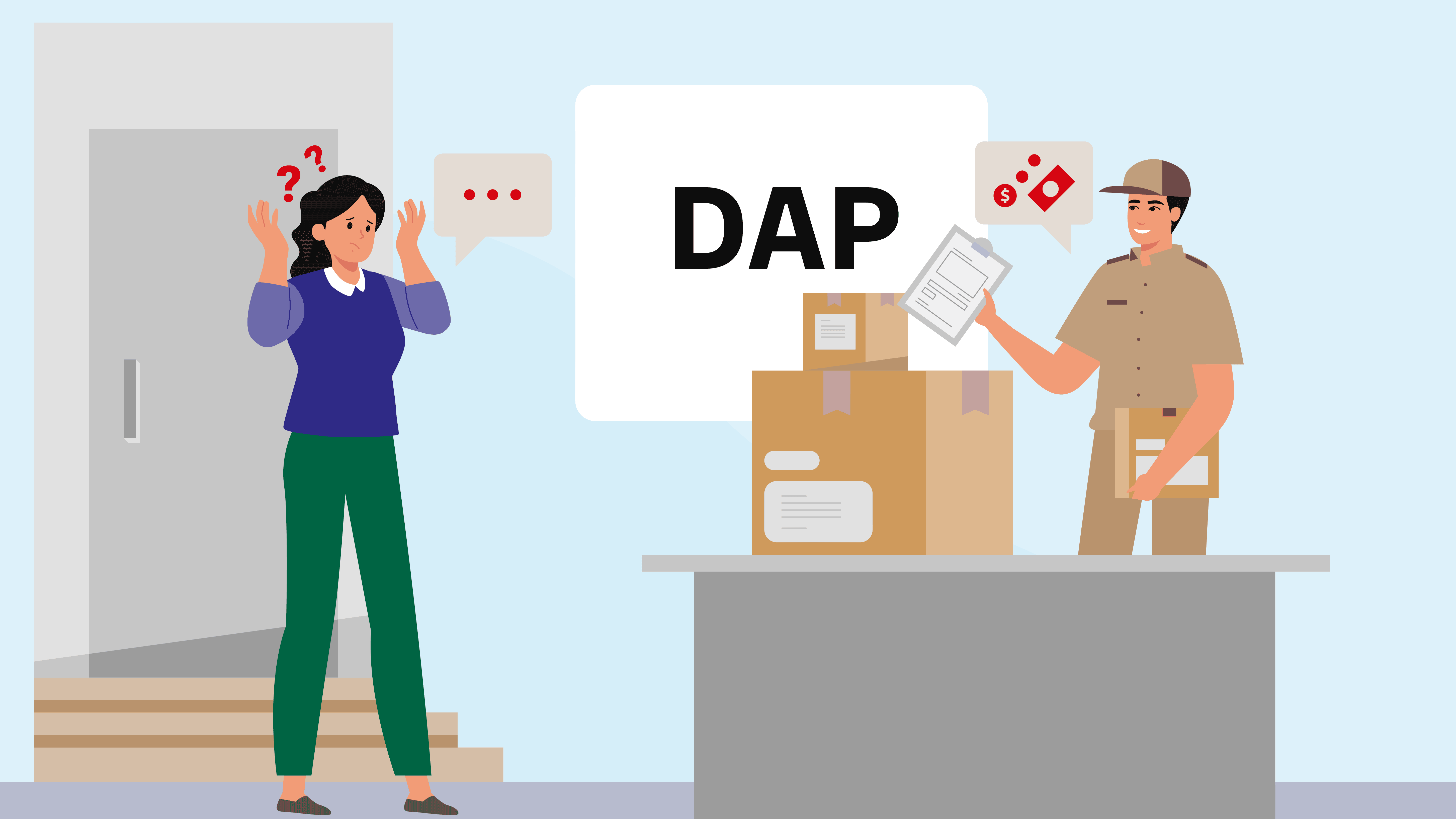
Your customer clicked 'buy', paid in full, and waited patiently for their order. Then, an unexpected customs bill arrived at their door. They refused to pay it, and the shipment was returned at your expense. To make matters worse, they left a one-star review. This scenario illustrates the potential pitfalls of Delivered at Place (DAP) shipping, and it's costing cross-border sellers in Bangladesh more than they may realise.


Why does DAP create so much fulfilment friction?

DAP means your buyer is responsible for handling customs clearance themselves. This involves coordinating with local customs brokers or agents and settling payments manually before their parcel can be released. This introduces significant friction at the most sensitive point in the customer journey.

This is precisely the moment when brand trust can be eroded. The buyer has already completed the payment at checkout, so an additional bill at the door can feel like a breach of trust, rather than a matter of policy.


What does the DAP clearance process look like for your customer?

Ensuring a smooth DAP clearance depends on processes that many sellers do not consider until an issue arises.

What DAP registration requires

As a Bangladeshi exporter, your preparations begin at home. You will need to ensure all your export documentation is in order with the National Board of Revenue (NBR) before you can ship. This ensures your goods leave the country smoothly. However, the clearance complexities are often at the destination. When shipping to markets like the European Union, for instance, you need to be aware of regulations such as the Import One-Stop Shop (IOSS) for managing VAT on consignments. This preparation is key to avoiding delays for your customer.

Where Duty Tax Paid comes in

Logistical disruptions can further complicate the delivery process. In Bangladesh, seasonal challenges like the monsoon can affect road transport and put pressure on operations at key hubs like Chattogram Port. Capacity also becomes constrained during peak shipping periods, such as the weeks leading up to Eid al-Fitr, which can amplify any existing delays in the network.


Can switching to DDP improve your checkout conversion?

DDP helps turn international browsers into buyers by removing the uncertainty of landing costs. Your customer sees the full, final price at checkout, and this transparency is a significant factor in reducing cart abandonment.

How DAP and DDP compare

Here is a side-by-side comparison of the two terms:

Delivery Term

Who Pays Duties?

Impact on Customer

DAP

Buyer

Sudden fees can create frustration and lead to shipment refusals.

DDP

Seller

A smooth delivery experience with no surprise costs builds customer loyalty.

How MyDHL+ helps you price it right

You can use MyDHL+ to estimate duties and taxes before you send your goods, which is especially useful when shipping through major transit hubs like Singapore. This allows you to factor these costs into your product pricing, protecting your margins while offering your buyers a seamless and predictable checkout experience.

Why On Demand Delivery can protect your brand reputation

Missing a delivery window is one of the primary causes of negative reviews in cross-border e-commerce. When your customer isn't home, your chosen shipping term matters less than your ability to offer flexibility. DHL On Demand Delivery (ODD) empowers buyers to decide exactly where and when they receive their items, placing control in their hands.

What flexible delivery prevents

Flexible delivery windows lower the risk of returns and failed deliveries. Instead of refusing a shipment, customers can arrange to have the package left with a neighbour, sent to a local service point, or rescheduled for a more convenient time.

Three ways ODD improves the experience

This is what it looks like in practice:

Choice

Choice: Buyers select their preferred delivery arrangements to fit their personal schedule.

Visibility

Visibility: Real-time tracking keeps the customer informed about their parcel's status from dispatch to delivery.

Reliability

Reliability: Fewer failed first-attempt deliveries mean your customers get their items on time, enhancing their perception of your brand.


Clear up your shipping terms today

Clear, transparent delivery terms build trust with your international buyers and protect your business's reputation. Our Duty Tax Paid service is the mechanism that makes DDP practical, allowing customs charges to be billed to your own account instead of leaving your buyer with an unwelcome surprise.

Speak with a DHL Express specialist today to explore how we can support your international checkout process.


Frequently Asked Questions

DAP (Delivered at Place) means the buyer is responsible for paying any import duties and taxes upon the shipment's arrival in the destination country. DDP (Delivered Duty Paid) means the seller pays these charges upfront, allowing the customer to pay a single, all-inclusive price at checkout.

DDP provides a smoother and more transparent experience for the buyer by removing delivery friction and hidden costs. This can make your brand more appealing to international shoppers who value predictability and prefer to pay one final price.

You can use the estimating tools in MyDHL+ to check current duty and tax rates for your destination markets. This enables you to build those costs into your product pricing accurately and maintain your margins.

Yes, in many cases DDP can speed up customs clearance because the necessary paperwork and payments are arranged before the parcel arrives at the border. This helps avoid the holds and delays that can occur when a buyer does not pay a customs bill promptly.

While DDP is often the best choice for improving customer experience and loyalty in e-commerce, some markets have specific tax regulations that may make DAP more practical, particularly for bulk or industrial shipments. We recommend checking your destination market rules in My Global Trade Services (MyGTS) before updating your checkout settings.