Oversized Components: The Route is the First Risk
Renewable-energy projects can involve everything from large project components requiring specialist transport planning to heavy, time-critical equipment and replacement parts. The first step is understanding which logistics solution the shipment actually requires.
Truly oversized components, such as wind-turbine blades, may require specialist project logistics, route surveys and transport approvals before movement. For eligible heavy components and equipment that fall within DHL Express service limits, Heavy Weight Express provides an express alternative for time-critical shipments up to 1,000 kg per piece and 3,000 kg per shipment.
In either case, route planning remains critical. Low bridges, tight turns, road conditions and weight restrictions can affect how equipment reaches a remote project site.
What to check before your convoy leaves
These assessments help identify potential blockers before your convoy is dispatched:
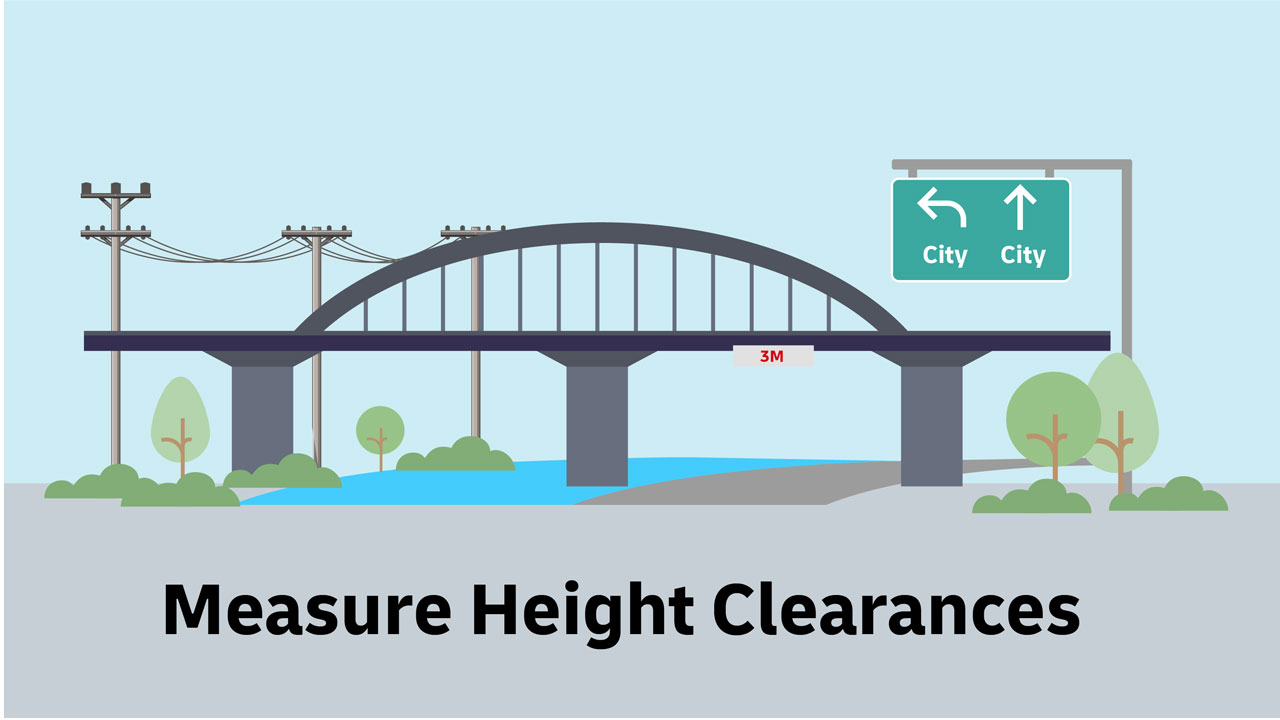
Measure Height Clearances: Map low bridges, power lines, and signs along the entire proposed corridor.
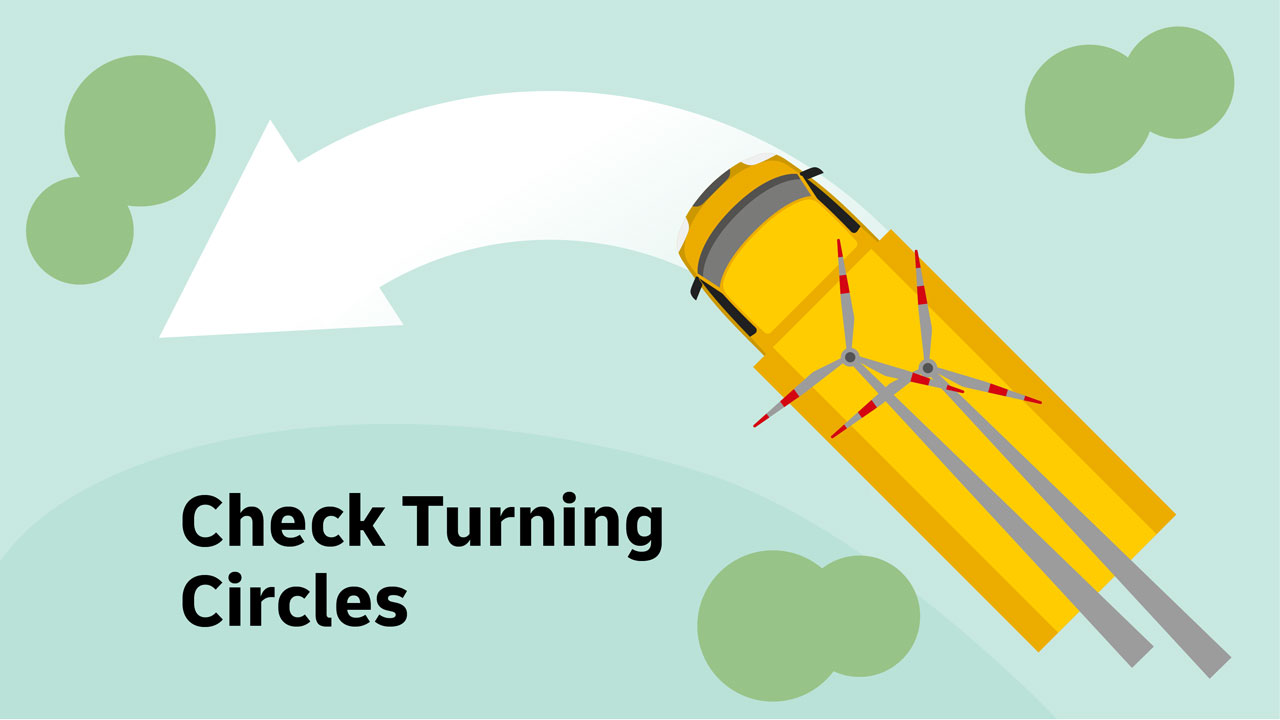
Check Turning Circles: Verify that long-length trailers carrying wind turbine blades can successfully navigate wide curbs and roundabouts.
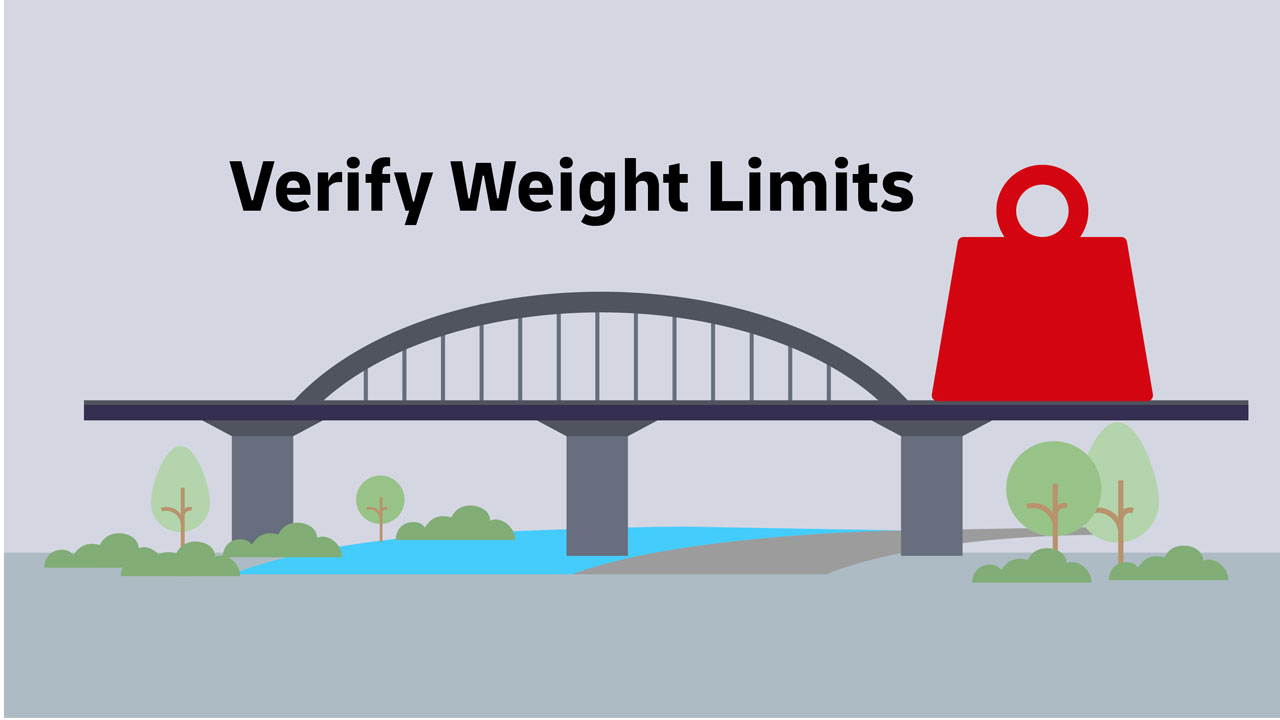
Verify Weight Limits: Check bridge and road load limits against the specific thresholds set by the Roads and Highways Department's.

Watch the Weather: Note areas prone to seasonal flooding or high winds, especially during the monsoon season from June to September, which could affect the stability of tall freight.
What else could throw off your plan
The local geography in Bangladesh presents unique challenges. Given the country's extensive river system, inland waterway transport is a key part of the national logistics infrastructure, and may need to be integrated into your route plan for heavy cargo. Furthermore, reaching remote project sites involves navigating rural road networks with different characteristics than major highways, so it is important to factor these conditions into your survey from day one.
For your urgent smaller parts, tools, or electronics, DHL Express Worldwide helps keep your build schedule on track when a critical component needs to move quickly. You can use MyGTS to check the correct classification codes before you ship, and use our Multiline Entry service when a single shipment covers several different part types under one customs entry.
How do you stop solar panels from cracking in transit?
Solar cells are highly sensitive. Low-frequency vibrations on rough, unpaved roads, particularly across difficult terrain leading to remote project sites, can cause tiny internal fractures. These micro-cracks are invisible to the naked eye, but they can significantly reduce power output once the panels are installed on site.
How to keep panels steady in transit
These four techniques help to prevent vibration damage to your panels:
- Dampen Vibrations: Use rubber mats and corner suspension inside your containers to absorb shocks from the road.
- Stop Vertical Shifting: Secure heavy-duty straps to specific tension levels to prevent panels from bouncing during transit.
- Control Stacking: Limit vertical stacking heights in line with manufacturer guidelines to protect the cells in the lower layers.
- Track the Journey: Use shock monitors on crates to log any instances of rough handling.
What to do if a part fails on site
A failed component can quickly become a project-critical shipment, particularly when the replacement is too heavy or bulky. DHL Express Worldwide can provide time-definite international delivery. For eligible heavyweight shipments, DHL Heavy Weight Express (HWX) combines express speed with the capacity to move shipments of up to 1,000 kg per piece and 3,000 kg per shipment, subject to applicable service and lane requirements. When time is critical, DHL Express Bangladesh supports tight timelines with Dedicated Pickup and Dedicated Delivery, helping your crew meet their grid connection deadlines. Our Shipment Insurance option adds a layer of protection for high-value panels and diagnostic equipment while in transit. Furthermore, if those diagnostic tools contain lithium batteries, we are equipped to handle them under PI967 and PI970 Section II, so compliant shipping does not become an additional concern during your project.
Transport Approvals: What to Verify Before Movement
Moving heavy or oversized equipment across Bangladesh may involve additional transport requirements depending on the cargo, route and vehicle configuration. Before dispatch, project teams should verify applicable axle-load restrictions, movement windows, escort requirements and route approvals with the relevant authorities.
Preparing accurate cargo dimensions, weight information, vehicle details and route documentation in advance can help reduce the risk of delays, re-routing or unexpected handling requirements.
For renewable-energy projects, the impact of a logistics delay can extend beyond transportation costs. A delayed component may affect installation schedules, equipment availability and downstream project activities. Planning transport requirements early can therefore help project teams reduce avoidable disruption.
Transport Considerations for Heavy and Oversized Cargo
Each type of permit influences your logistics plan in a different way:
Permit Type
| Key Constraint
| Logistics Impact
|
|---|
Axle Load Approvals
| Limits total weight on each axle group
| Affects your choice of trailer
|
Time-of-Day Limits
| Restricts heavy loads to night hours
| Dictates your total journey timeline
|
Escort Vehicle Rules
| Requires pilot cars or police escorts
| Increases your transport costs
|
Route Approvals
| Binds your convoy to one pre-approved path
| Reduces your flexibility for detours
|
For customs matters handled by the National Board of Revenue (NBR) , we can support document preparation for components that require Non-Routine Entry filings. While final compliance remains your responsibility, our team can help streamline the paperwork to reduce the risk of border delays.
How does DHL Express support your renewable energy supply chain?