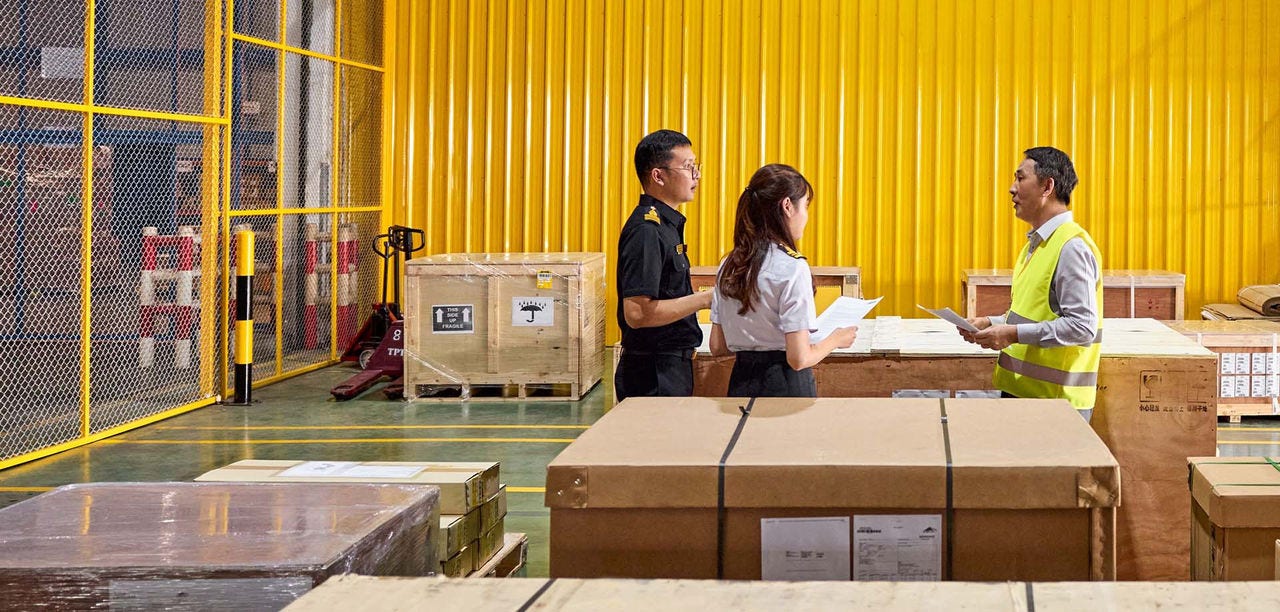
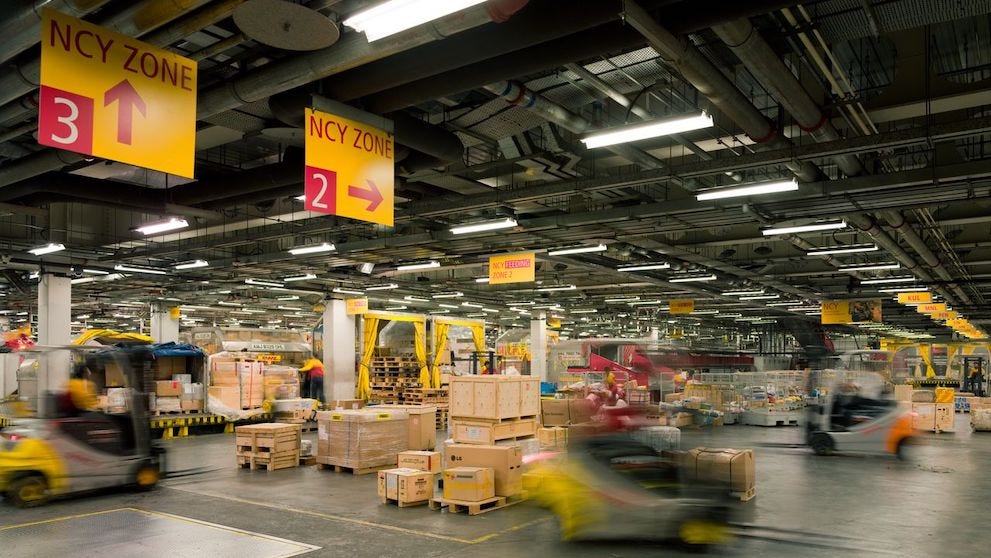
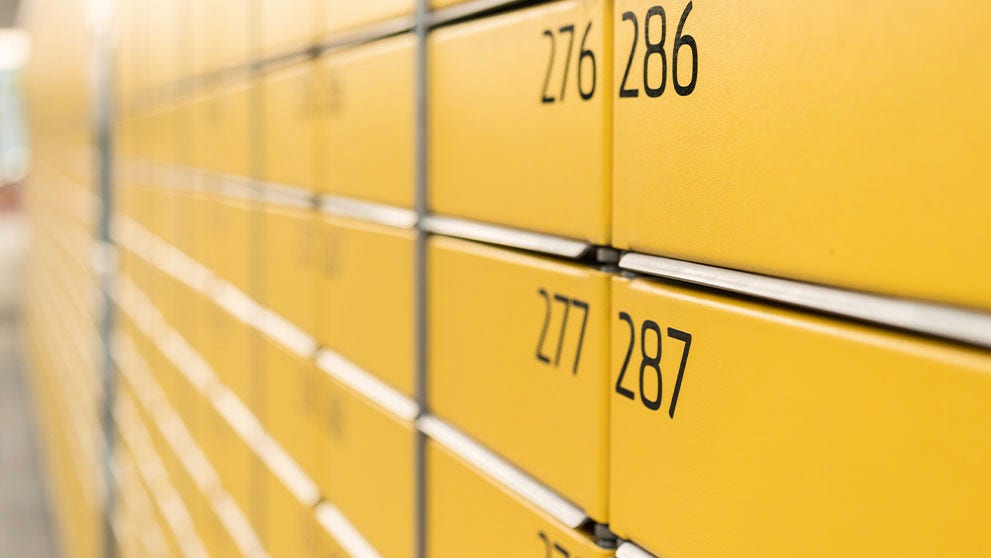
We use specialised ground handling and secure facilities in our global air network. Select locations follow TAPA standards to help protect high-value cargo from theft during transit.

Elite Security Support: High-value shipments require specialised ground handling and secure facilities to ensure their integrity from airport to factory.
Growing Regional Hubs: Supply chains for high-tech components are increasingly routing through South and Southeast Asian hubs to build resilience.
Physical Protections: Sensitive components can use value-added solutions like DHL SmartSensor to monitor environmental conditions during transit.
Regulatory Support: Navigating National Board of Revenue (NBR) rules requires precise documentation and screening to avoid costly clearance delays at ports and airports.
The global chip supply chain faces constant pressure from market swings and rising security threats. For Bangladeshi businesses, particularly in the export-oriented garment sector that relies on high-tech machinery, a logistics strategy that is as precise as the technology you import is essential. This guide explores how to secure your high-value assets and maintain speed in a complex trade environment.
Component theft is a global challenge that requires a layers-of-security approach to protect your bottom line and keep production schedules on track.
Global Cargo Risks: High-tech theft is a worldwide issue targeting valuable, easy-to-sell components.
High-Value Targets: Criminals often focus on logic chips and high-end GPUs destined for grey markets.
Financial Impact: Losing a single pallet of components can represent a loss of millions of dollars in capital, severely impacting your operations.
High-Standard Handling: We use specialised handling procedures and secure ground transport in our air network, essential for movements from hubs like Hazrat Shahjalal Airport.
Select TAPA Certification: Parts of our network follow the standards set by the Transported Asset Protection Association to enhance cargo security.
We focus on protecting your cargo through secure facilities and verified hand-offs. This helps reduce the risk of interference during the most sensitive parts of the journey.
A single micro-crack in a silicon wafer can ruin an entire production batch. These components are incredibly sensitive to vibration and temperature changes during transit.
Industry Standards: Logistics must be precise to meet the strict needs of modern manufacturing, especially for the advanced machinery used in Bangladesh's textile industry.
Vibration Management: Air-based transport helps minimise exposure to the rougher shocks typically found in standard road transport.
Temperature Stability: Maintaining a steady environment helps prevent material expansion and contraction issues that can damage delicate electronics.
Value-Added Sensors: DHL SmartSensor is an optional tool available for applicable shipments to track environmental data like temperature and humidity.
Detailed Monitoring: These sensors act as a digital record for your cargo, providing data to help you see how it was handled throughout its journey.
These specialised tools are customisable based on your specific needs. They provide the data your quality assurance teams need to verify the integrity of components upon arrival.
High-tech manufacturing, including in Bangladesh's crucial garment sector, operates on thin margins and depends on a constant flow of components and machinery parts to keep production lines running.
Downtime Costs: A delay of just a few hours can halt an entire assembly plant, whether in a global tech hub or a local export-processing zone.
Line Stops: When a production line stops, the financial costs to the business are significant, impacting export deadlines and profitability.
Priority Loading: We provide first-on and first-off handling to help your critical components move faster through the network.
Dedicated Support: Fixed-space agreements and charters help ensure your parts move even when market capacity is tight, a crucial factor during peak shipping seasons.
Service Aspect | Standard Freight | DHL Semiconductor Support |
|---|---|---|
Speed | 3 to 5 business days | Next Flight Out (NFO) or Same Day |
Priority | Standard cargo loading | High-standard ground handling |
Capacity | Subject to market availability | Priority access to air network |
Visibility | Milestone tracking | Real-time tracking and sensors |
We offer Next Flight Out (NFO) as one of our fastest services for critical shipments. This gets your cargo on the very next available flight to help bridge the gap between global suppliers and your local production sites.
Manufacturing and assembly operations are increasingly diversifying across South and Southeast Asia, creating new logistics demands for markets like Bangladesh.
New Corridors: These shifts create a complex web of transport needs, connecting Bangladesh with component manufacturing hubs across Asia.
Regional Growth: As supply chains diversify, Bangladesh is becoming an even more critical player in industries like ready-made garments, which require timely imports of high-tech machinery and parts.
Infrastructure Investment: Billions of dollars are flowing into the region to develop manufacturing and logistics capabilities.
The Singapore Hub: Singapore remains a central point for regional distribution, connecting Bangladeshi businesses to global semiconductor supply chains.
Managing this shift requires local expertise in navigating regional trade corridors. This realignment means you must build resilience in markets where customs processes are constantly evolving.
Chips and other high-tech components are often classified as dual-use goods. For Bangladeshi importers, compliance with customs regulations is one of the biggest risks to your schedule.
Customs Holds: If your paperwork is incorrect, authorities can hold your shipment for weeks. A mismatch between the packing list and Bill of Lading is a common reason for delays at Chittagong Port.
Documentation Support: MyDHL+ helps you prepare your shipping documents and perform basic compliance checks, which is vital for smooth clearance.
Receiver Screening: It is vital to check your receivers against global sanctions lists in real-time to prevent compliance issues.
Local Permits: You must work with your C&F Agent (Clearing and Forwarding Agent) to ensure all local permits are managed correctly with the National Board of Revenue (NBR).
For non-commercial shipments, Bangladesh allows a de minimis value of BDT 2,000, meaning goods under this threshold may enter without duties and taxes, provided the total duty/tax payable is also not more than BDT 2,000. However, most commercial shipments will require full customs assessment. Working with an experienced C&F agent helps clear goods efficiently. Accurate data entry is the best way to keep your high-value components moving.
Resilience is built through end-to-end visibility. If you cannot see your shipment, you cannot manage the risk.
Risk Monitoring: We use advanced risk monitoring platforms to track global events that could impact your shipment.
Real-Time Data: These tools help us find alternative routes before a disruption hits your cargo.
Diversified Modes: You should avoid relying on a single transport lane for your most critical parts.
Digital Trails: Moving away from paper helps speed up customs clearance with the NBR and reduces the chance of manual errors.
Seasonal Planning: It is critical to plan for potential 5-7 day delays around major holidays like Eid ul-Fitr and Eid ul-Adha, which create significant backlogs at Chittagong Port and Hazrat Shahjalal Airport.
Data-driven logistics is the only way forward. The cost of unplanned downtime in a manufacturing plant is too high to leave your supply chain visibility to chance.
Managing high-tech logistics in 2026 requires a mix of technical care and regulatory speed. For Bangladeshi businesses, navigating NBR customs at Chittagong Port and Hazrat Shahjalal Airport is key. With the right partner, you can turn a volatile supply chain into a stable business asset. Speak to a DHL specialist today to check your security protocols and move your components with confidence.
We use specialised ground handling and secure facilities in our global air network. Select locations follow TAPA standards to help protect high-value cargo from theft during transit.
We use specialised handling and high-standard packaging to help minimise vibration. Shippers can also use value-added DHL SmartSensors on specific lanes to monitor environmental data in real-time.
Next Flight Out (NFO) is one of our fastest services. We aim to place your cargo on the very next available flight to help your manufacturing schedules stay on track.
MyDHL+ helps you with your shipping documents and basic checks, but the correct classification of dual-use goods requires your own technical review. It is an essential tool for helping you manage the detailed paperwork required by authorities like the NBR.
It is a resilience strategy where companies diversify their supply chains by adding new manufacturing or sourcing locations in addition to China. This helps manage risks and brings production closer to new consumer markets in regions like South Asia.


 Share
Share