#ShippingWithDhl

Cold Chain 2.0: Protecting Biologics & Vaccines in Transit

Key Takeaways

The Active Revolution: The industry is shifting to active containers that function like mobile refrigerators to prevent temperature changes, a critical need for pharmaceutical exports from Bangladesh.

Managing Temperature Excursions: In 2026, even a brief slip outside the required 2 to 8°C range can compromise a valuable shipment, leading to significant financial loss and regulatory issues.

Bangladesh Strategy: Success requires navigating monsoon humidity, overcoming infrastructure gaps in the middle mile, and managing complex export documentation with bodies like the DGDA.

Strategic Growth: Utilising Cold Chain 2.0 is now the standard for handling high-value medicines and is essential for Bangladeshi pharmaceutical companies aiming to expand in global markets.

Exporting biologics from Bangladesh is a high-stakes process where you are constantly working against time and tropical conditions. A minor delay during transfer at Hazrat Shahjalal Airport can jeopardise a multi-million Taka shipment and impact patient health. This article explains how Cold Chain 2.0 uses active technology and real-time data to protect your pharmaceutical products.

What is the difference between passive and active cold chain packaging?

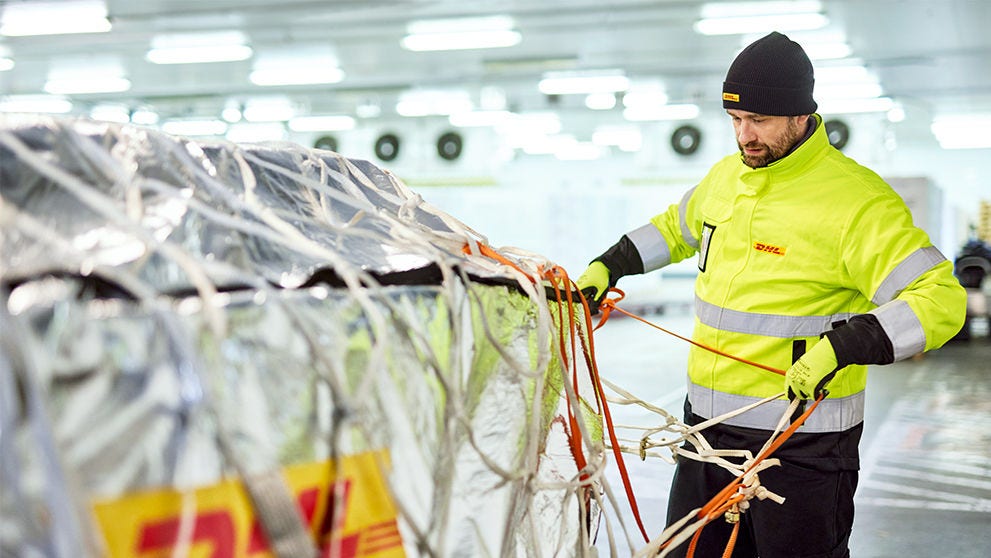
Passive packaging acts like a high-tech insulated box. It uses insulation materials and gel packs to maintain a specific temperature for a limited period. Active packaging is fundamentally different; it employs mechanical or electric systems to function as a mobile refrigerator. We can help you select the most suitable technology for your specific shipping routes. Here's a comparison of active vs passive cold chain packaging:

Feature

Passive Packaging

Active Packaging 

Cooling Method

Phase Change Materials (PCM)

Electric compressor or dry ice fan

Typical Hold Time

96 to 120 hours

Unlimited with power or re-icing

Environmental Control

Static (shields against heat)

Dynamic (adjusts to ambient temperature)

Best Use Case

Small parcels and stable vaccines

Bulk pallets and high-value biologics

Active containers are the benchmark for long-distance international shipments. They offer a "set and forget" solution, as the internal temperature remains constant regardless of external weather conditions. The rental cost for these units typically ranges from BDT 165,000 to BDT 550,000 depending on the journey.


Why is real-time monitoring no longer optional for vaccines?

Regulators, including Bangladesh's Directorate General of Drug Administration (DGDA), demand a complete data record for every life sciences shipment. A simple "green light" on arrival is no longer sufficient. To satisfy your Quality Assurance teams and meet export requirements, you need a digital log of the entire transit. For many export destinations, a Certificate of Pharmaceutical Product (CPP) is required for each consignment, and the supporting data trail is crucial for obtaining it.

We use SmartSensor technology to provide this level of visibility. These IoT devices monitor temperature, light exposure, and physical shocks in real-time. If a package is opened or dropped, you will know precisely when and where it occurred. This is a fundamental component of modern pharmaceutical logistics in Bangladesh.

The WHO defines a temperature excursion as any deviation from the prescribed range. In 2026, regulations mandate immediate digital reporting of such events. This capability helps you make faster Go or No-Go decisions about product viability and reduces the time your valuable inventory spends in quarantine upon arrival.


How do you manage tarmac risks in tropical APAC climates?

Industry experts report that a majority of temperature failures happen on the airport tarmac in tropical regions like Bangladesh. When the asphalt at Hazrat Shahjalal Airport heats up significantly, it takes only a few minutes for that heat to compromise passive packaging.

In major transit hubs, specialised equipment like Cool Dollies is used to bridge this gap. These are essentially refrigerated units that protect the shipment until it reaches the aircraft. This maintains a solid thermal link even when ambient temperatures are high. While this technology is becoming more common, managing climate-related risks across Bangladesh requires a multi-faceted approach.

Climate risks in the region present unique challenges:

Monsoon Humidity: The high moisture content in Bangladesh's air during the monsoon season can degrade the integrity of cardboard-based insulation, weakening its protective capabilities.

Extreme Heat: Intense summer heat requires specialised solar shielding and rapid transit procedures to protect sensitive shipments.

Infrastructure Gaps: For inland distribution, the network may rely more on refrigerated trucks and thermal blankets rather than advanced airport-side equipment.

What are the specific infrastructure challenges in emerging APAC markets?

While hubs like Dhaka are continuously upgrading their logistics capabilities, the primary challenge in Bangladesh is often the "middle mile" connecting major airports to regional towns and healthcare facilities. The country's cold chain infrastructure is still developing, which can create gaps in temperature control during transit.

Refrigerated road transport is the essential link for these inland distribution networks. It is vital to partner with a provider who can manage the entire journey to the final destination. Our DHL Medical Express network connects our global flights with local road transport networks, ensuring a seamless, temperature-controlled path for pharmaceuticals from the manufacturing facility to a rural clinic.

We are expanding our network to address this need. You can now access a growing network of GDP-certified warehouses in Bangladesh to store products closer to your end-users. This is a crucial element for ensuring Good Distribution Practice (GDP) compliant healthcare shipping and maintaining product integrity throughout the supply chain.


How should you respond to a temperature excursion alert?

A sensor alert provides a critical opportunity to intervene and potentially save a shipment before the product is irrevocably damaged. Our Global Control Towers monitor your shipments 24/7, enabling them to detect temperature deviations as they happen. If a sensor flags a temperature spike, our team initiates an intervention protocol immediately.

This could involve moving an active container to a charging station at an airport like Hazrat Shahjalal or placing a passive package into a cold room. Your company should have a clear Standard Operating Procedure (SOP) for managing temperature excursions:

Quarantine: Immediately move the affected goods to a secure, temperature-controlled area upon arrival.

Record: Download the complete data log from the SmartSensor to determine the duration and severity of the temperature deviation.

Notify QA: Forward the data to your Quality Assurance team for a formal assessment and decision on the product's usability.

Root Cause Analysis: Collaborate with your logistics partner to identify the reason for the deviation and implement corrective actions.


Is your supply chain ready for "Cold Chain 2.0"?

Adopting active systems and live monitoring is more than a technical upgrade; it's a strategic investment in your company's reputation and export potential. In the pharmaceutical sector, a compromised shipment represents more than a financial loss. It can mean wasted research, delayed clinical trials, and, most importantly, a delay in patient care.

We have invested 2 billion euros in our DHL Health Logistics network to ensure you have access to the GDP-certified infrastructure required. We are committed to providing the specialist handling and dedicated service that modern biologics demand. Your customs clearance processes will also be smoother with a trusted partner who understands the requirements of the National Board of Revenue (NBR).

Your logistics need to be as precise as the science behind your products. Contact us to discuss how Cold Chain 2.0 can support your pharmaceutical exports from Bangladesh in 2026. Let's work together to ensure your products remain stable from your facility to the patient.


Frequently Asked Questions

It describes the next generation of logistics for the life sciences sector. This approach uses active cooling technology and IoT sensors to provide real-time data and control over a shipment's environment. The goal is to ensure high-value biologics and vaccines remain within their strict temperature range throughout the entire supply chain.

Passive packaging relies on insulation and frozen gel packs to keep products cool for a predetermined amount of time. Active packaging functions like a portable refrigerator, using battery-powered mechanical systems to maintain a constant internal temperature. For high-value biologics shipped from climates like Bangladesh, active systems offer a higher level of security.

Our service uses a dedicated network that combines our global air freight capacity with local refrigerated road transport. This includes priority handling and proactive customs clearance managed by experienced C&F Agents to ensure time-sensitive vaccines reach their destination quickly and securely.

Good Distribution Practice (GDP) is a quality system for warehouses and distribution centres dedicated to medicines. These standards, set by bodies like the WHO, ensure that the quality and integrity of medicines are maintained throughout the supply chain, a mandatory requirement for pharmaceutical exporters in Bangladesh.