#ShippingWithDhl

Direct-to-Patient (DtP): The Future of Clinical Trials

Key Takeaways

The Retention Revolution: Travel is a primary reason for a 30% patient dropout rate. Moving the clinical site to the home removes this significant barrier.

DGDA Readiness: Bangladesh's clinical trial framework, guided by the Directorate General of Drug Administration (DGDA), requires a focus on quality and participant safety, aligning with global best practices.

Unbroken Chain of Custody: Keeping unapproved medicines stable outside a clinic needs IoT sensors and white-glove delivery, ensuring product integrity from the warehouse to the patient's home.

Scalable Compliance: Success in Bangladesh means managing DGDA licensing for investigational products and navigating logistics to reach patients in both urban and remote locations.

Traditional site-centric models of research are hitting a wall in 2026. Recruitment goals are often missed because patients cannot manage the time and travel for hospital visits, a particular challenge in a country with diverse geography like Bangladesh. We've built the DHL Health Logistics network to solve this challenge directly. Our 2-billion-euro investment ensures you have the GDP-certified infrastructure and specialised handling needed to reach patients anywhere. Direct-to-Patient (DtP) clinical trials move the laboratory to the living room while keeping the highest levels of safety and regulatory compliance.

Why is patient retention the biggest risk in 2026 clinical research?

Travel is the main reason participants leave clinical studies. When you move the trial site to the patient, you reduce missed visits and screen failures, which is crucial for collecting complete and reliable data.

Travel Distance: Cancer trial patients travel a median of nearly 42 miles for Phase I studies.

Rural Hurdles: For participants in remote districts far from major cities like Dhaka or Chittagong, travel can be a significant obstacle to participation in vital research.

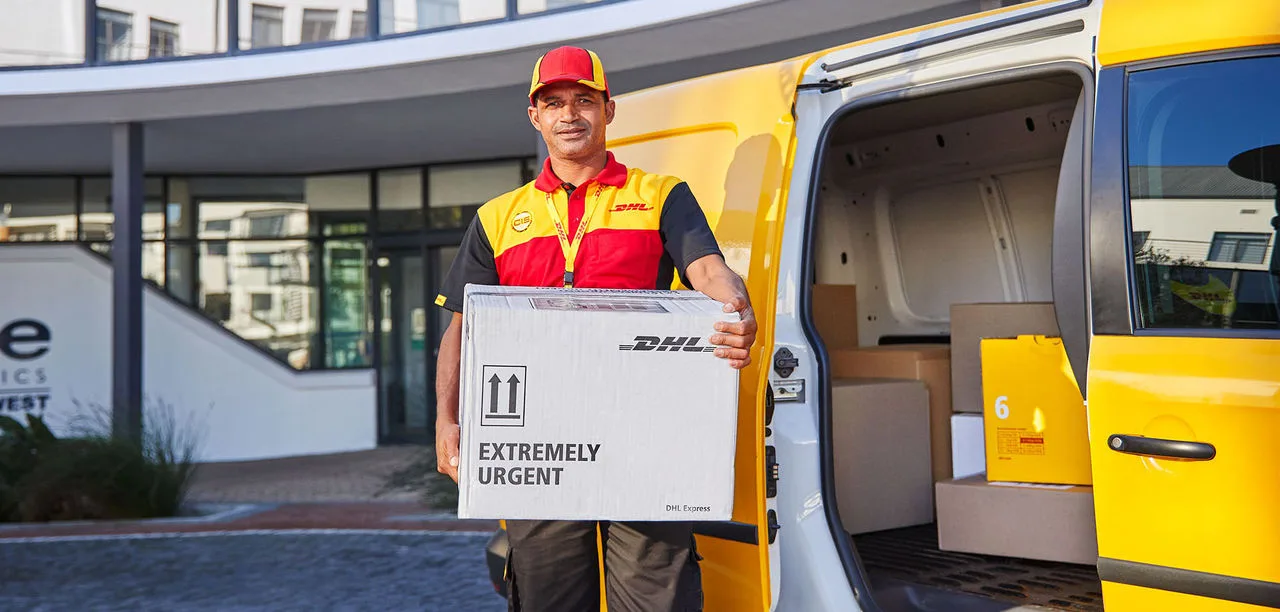
Human Connection: Technical couriers act as a professional extension of the clinical site at the doorstep.

Supportive Experience: White-glove services go beyond simple delivery to build participant trust and confidence in the trial process.

DHL Health Logistics provides the professional bridge between your lab and the participant. We understand that a courier is often the only face of the trial that a patient sees, making professionalism and reliability paramount.


What are the 2026 regulatory requirements for DtP?

Regulators in Bangladesh are focused on ensuring patient safety and data integrity, aligning with international standards. The Directorate General of Drug Administration (DGDA) provides the legal framework for clinical trials, requiring you to prove the drug stayed stable from the depot to the patient’s refrigerator.

DGDA Oversight: The DGDA is responsible for authorising clinical trials and the import of investigational products, requiring clear documentation and accountability.

Strict Accountability: Good Clinical Practice (GCP) guidelines, which are central to the DGDA's requirements, demand robust temperature and handling records for all trial materials.

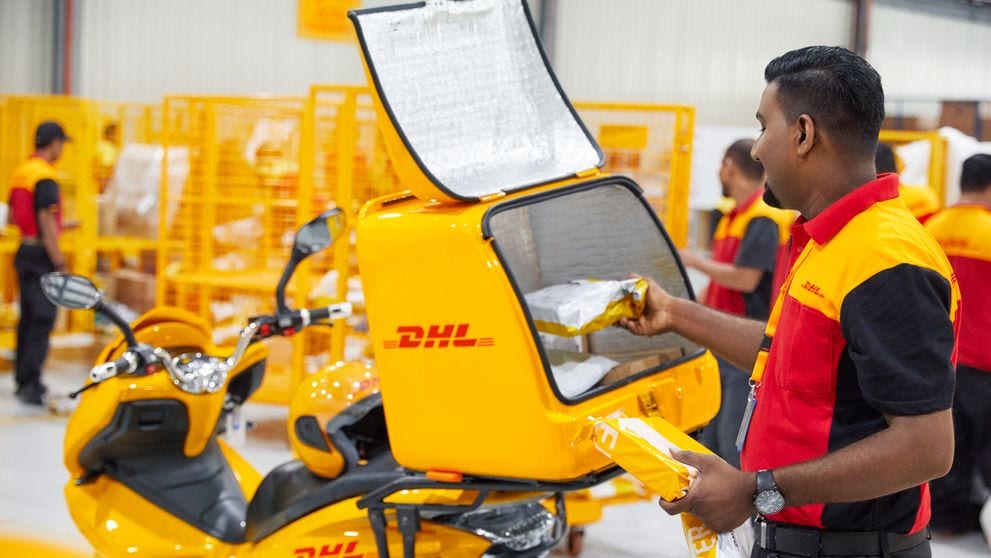
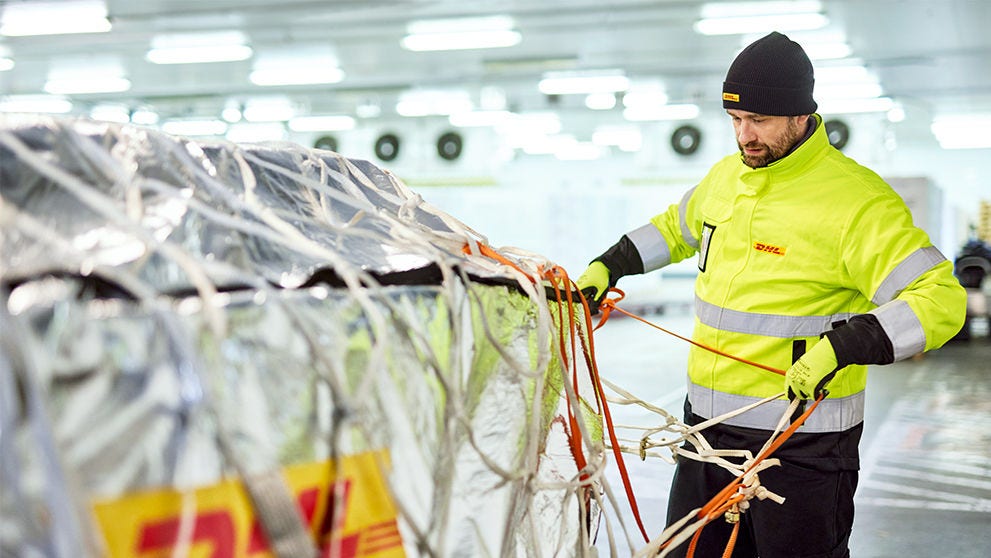
Thermal Protection: Advanced shippers maintain 2 to 8°C or -20°C for up to 120 hours, crucial for maintaining product efficacy during transit across Bangladesh's varied climate.

Digital Proof: IoT sensors transmit live data to show exactly when a participant received the shipment, providing an auditable record of the chain of custody.

Our investment in digital tools ensures you have a full thermal audit trail. This transparency is a requirement for satisfying the DGDA and your internal quality assurance teams.


How do you handle medical license restrictions in emerging markets?

Delivering unapproved medicines to a private address is strictly regulated in Bangladesh. You need a partner who understands the local DGDA decrees and can manage the necessary documentation efficiently.

Health Reforms: The DGDA regularly updates its guidelines, and staying current with these changes is essential for keeping clinical materials moving without delay.

Clearance Routes: Obtaining a Certificate of Pharmaceutical Product (CPP) and a No Objection Certificate (NOC) from the DGDA is mandatory for importing and using investigational products in a trial.

Expert Navigation: Our local specialists work with the DGDA to manage documentation and secure the necessary clearances, ensuring your trial stays on track.

Expanded Footprint: Proper licensing allows you to include participants from regions across Bangladesh, expanding the reach and diversity of your research.

Can you guarantee a secure chain of custody at the doorstep?

Security and privacy are vital when delivering sensitive products to a home. You must ensure the medicine is handed directly to the verified participant or their legal representative, maintaining full compliance with the trial protocol.

Identity Verification: We check IDs against trial records before any package is handed over.

Point-of-Use Delivery: Couriers place the medication directly into the participant’s storage or refrigerator.

Instruction Support: We confirm the patient knows how to handle the packaging.

Safe Disposal: We collect used kits or sharp containers for medical-grade destruction.


What is the role of reverse logistics in home-based trials?

A DtP trial does not end at the doorstep. You must also manage the flow of biological samples and unused drugs back to the central lab, a process that demands speed and temperature control.

Stability Windows: Blood or urine samples must be collected and returned within strict time limits to be viable for analysis.

Data Integrity: If a sample gets warm during transit from a patient's home to the lab in Dhaka, the trial data could be compromised.

Remote Reach: We use specialised transport to reach participants in rural or hard-to-reach areas, ensuring their samples are collected and returned within the required timeframe.

Unified Visibility: A clinical research associate in Dhaka should see the same data as a sponsor in London, which requires an integrated logistics platform.

Ready to streamline your clinical trial strategy?

Direct-to-Patient logistics is no longer just a future concept. It’s the best way to improve the patient experience and protect your data. DHL Health Logistics is ready to help you scale your research across Bangladesh. Speak to a DHL specialist today to check your trial plan and reach your participants with confidence.


Frequently Asked Questions

They remove the significant physical and time burden of travel by delivering medicine directly to the participant's home. This makes it far easier for patients, especially those in rural or regional areas, to stay in the study while maintaining their daily routines.

The DGDA's guidelines, based on Good Clinical Practice, require sponsors to ensure the safety, rights, and well-being of participants. For DtP, this means you must have digital proof that your investigational products remained stable and secure throughout the entire journey to the patient.

We use real-time IoT sensors that transmit live location and thermal data to a dashboard. This ensures you receive an immediate alert if the shipment deviates from its required temperature range, allowing for proactive intervention.

Yes, but it requires a partner with deep local knowledge to handle DGDA import licenses and navigate logistical challenges. Using a standardised digital platform ensures your data remains consistent and comparable, whether the patient is in Dhaka or a remote village.

Yes, our couriers perform a verified delivery protocol. This includes checking the participant's ID against the trial records to ensure the sensitive medication is handed directly to the correct person.