


As Bangladeshi businesses expand into new markets, international shipping is becoming one of the hardest parts of the operation to scale – particularly when those shipments involve heavy machinery, industrial equipment, or palletized goods. The more your business grows, the more coordination is required behind the scenes.
The good news? Growth doesn't have to mean more complexity. With the right approach, it's possible to keep heavy weight logistics efficient and predictable, ready to support your next stage of expansion. In this article, we’ll explore exactly how.
Why heavy weight logistics gets harder as you grow
Growth brings opportunities – but it also changes the way your supply chain operates. Occasional international shipments can quickly become regular deliveries across multiple countries, each with its own routes, partners, and customs requirements.
For many growing businesses, that's when the challenges begin to emerge. Not because they're shipping more goods, but because every new market introduces another layer of coordination.
Fragmented processes
As businesses expand internationally, it's common to build logistics networks one route at a time. A local carrier here, a freight forwarder there, perhaps another provider for a new market. It may work initially, but eventually friction points appear.
Each provider has different systems, different processes, and different ways of communicating. Before long, your team is switching between portals, chasing updates, and trying to piece together a complete picture of where shipments are and what's happening next.
Multiple handovers
Heavy weight shipments rarely travel directly from collection to delivery. Machinery, production equipment, and other large consignments often pass through several facilities and handling teams before reaching their destination.
Every handover can introduce another point where delays, miscommunication, or damage may occur. As shipment volumes increase, manually coordinating those touchpoints becomes increasingly difficult.
Inconsistent visibility
When different providers are responsible for different parts of the journey, visibility often disappears at the points where one company hands over to the next. Accountability can disappear too, leaving businesses trying to establish who owns the issue and how quickly it can be resolved.
For businesses shipping high-value or time-critical goods, those blind spots create uncertainty. If you don't know where a shipment is – or who's responsible for it – it's much harder to plan ahead or respond quickly when something changes.
Heavy weight shipping solutions for growing businesses
Many businesses assume that scaling international shipping simply means adding more logistics providers. In reality, every new provider often brings another relationship to manage, another invoice to reconcile, and another tracking platform to check.
Over time, the coordination itself becomes the bottleneck.
The coordination overhead
Managing heavy freight across multiple providers creates a surprising amount of administration. Teams spend valuable time arranging collections, following up on shipment updates, resolving issues, and coordinating between different companies.
For growing businesses, that's time that could be spent serving customers or expanding into new markets instead.
What simpler heavy weight shipping looks like
The best shipping solutions don't just move goods efficiently – they simplify the entire process.
A more integrated approach to heavy weight shipping can reduce the number of logistics relationships businesses need to coordinate. This can mean simpler processes, a single tracking platform and a clearer point of contact when something needs attention.
The result is fewer moving parts, more predictable lead times, and, crucially, far less time spent managing logistics behind the scenes.
Specific challenges in international heavy weight shipping
For Bangladesh-based businesses, international shipments can involve customs requirements, multiple transport legs and coordination between origin and destination markets. When the shipment is heavy, valuable or time-critical, these additional steps can have a greater impact on business operations.
Lead time variability
The more stages involved in a shipment, the greater the chance that one delay will affect everything that follows.
A hold-up at one airport, a customs inspection, or a missed connection can ripple through the rest of the journey. When machinery, production equipment or critical replacement parts are tied to installation schedules or manufacturing deadlines, those delays can quickly become business problems rather than simply logistics issues.
For Bangladesh's export-oriented manufacturing businesses, including the apparel and textile sector, keeping critical equipment and components moving can be particularly important to maintaining production schedules.
Customs compliance across multiple markets
Managing compliance across several markets at once can become increasingly demanding, particularly for growing businesses without dedicated customs expertise. Every destination has its own customs regulations, documentation requirements and import procedures. For shipments entering or leaving Bangladesh, businesses also need to ensure that their documentation meets applicable Bangladesh Customs and National Board of Revenue requirements.
Cost unpredictability
One provider may quote transport costs. Another invoices for handling. A third manages customs clearance. By the time every fee has been added, understanding the true cost of a shipment can become difficult.
For businesses trying to plan budgets and forecast accurately, these shipping challenges can make international expansion feel riskier than it needs to be.
Moving heavy goods across borders without the complexity
Expanding internationally shouldn't mean building a more complicated logistics operation. The right international freight shipping services help remove friction instead of adding to it.
The customs challenge
Customs doesn't have to be a barrier to growth. Working with an international logistics provider that has customs expertise built into the service helps businesses prepare accurate documentation from the outset, reducing the risk of delays at the border. Instead of navigating different customs requirements independently, businesses benefit from expert support and smoother clearance processes, giving them greater confidence that heavy weight shipments will keep moving across international markets.
The multi-market complexity
As your business expands, consistency becomes just as important as speed. Managing different carriers, processes, and documentation requirements in every new market quickly becomes difficult to sustain. Working with a single international network gives you one way of shipping across multiple countries, with consistent processes, tracking, and support. That means less time coordinating logistics behind the scenes, and more time focusing on growth.
The simplification argument
Working with a single international logistics provider removes much of the complexity of heavy weight shipping.
Instead of coordinating multiple organizations, businesses benefit from one network, one set of processes, and customs expertise that's already built into the service. That means fewer delays at borders, more predictable delivery schedules, and less time spent navigating compliance requirements.
Visibility and control over high-value goods
When you're shipping industrial machinery or production equipment, knowing that a shipment has been dispatched isn't enough. You need confidence that it's progressing as planned – and you'll know immediately if something changes. The larger and more valuable the shipment, the greater the impact if it's delayed, making real-time visibility an essential part of managing risk.
Why visibility is higher stakes for heavy freight
A delayed parcel is frustrating, but a delayed shipment of manufacturing equipment could interrupt production or postpone an installation. Engineers find themselves waiting on-site with nothing to install. When heavy weight shipments are tied to customer deadlines or critical operations, every hour of uncertainty can have knock-on effects across the business.
That's why continuous visibility becomes increasingly important as shipment values – and business impact – increase. Knowing exactly where a shipment is allows businesses to adjust schedules and make decisions early rather than reacting once a delay has already caused disruption.
What single-network visibility looks like
When shipments move through one integrated network, tracking remains consistent from collection through to final delivery. There are no blind spots between providers because there are no provider handovers to manage.
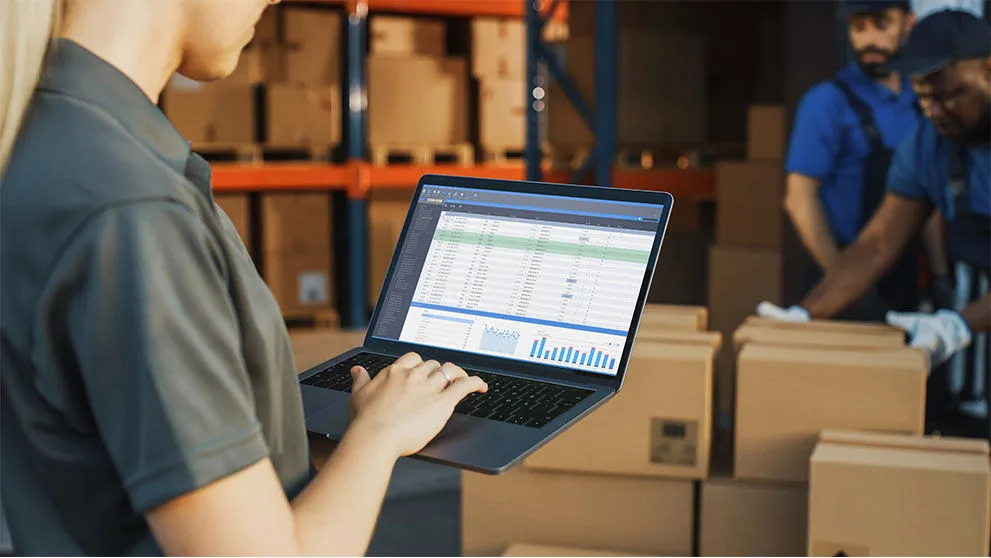
Instead of chasing updates from multiple companies, businesses have one clear view of every shipment throughout its journey. They can provide customers with accurate delivery updates, coordinate installation teams or production schedules better, and respond quickly if plans change. The result is greater control and fewer surprises as shipment volumes grow.
How DHL Express Bangladesh supports heavy weight shipping
As businesses grow, logistics should become easier to manage – not harder. And that's exactly what DHL Heavy Weight Express is designed to achieve.
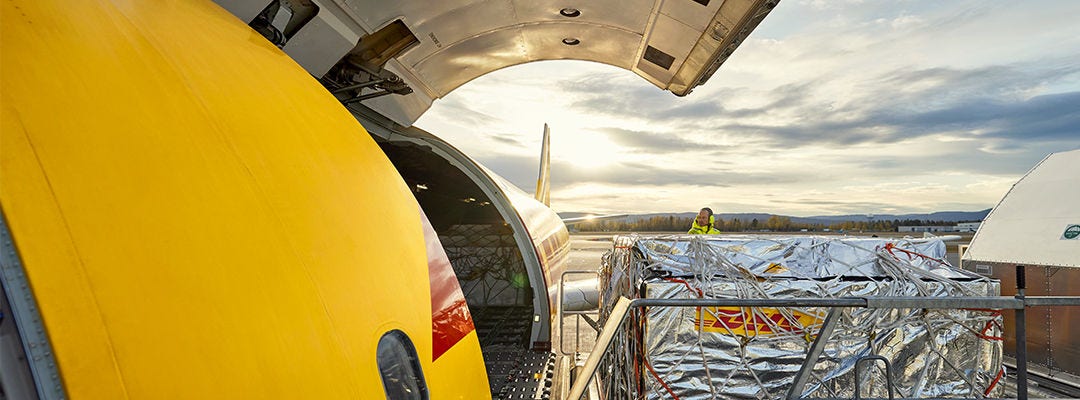
With the service, shipments from 50 kg up to 3,000 kg can move internationally in as little as 1–3 days. By combining the speed of express with the capability to handle large, heavy shipments, businesses can keep critical operations moving with greater certainty.
Your business will benefit from:
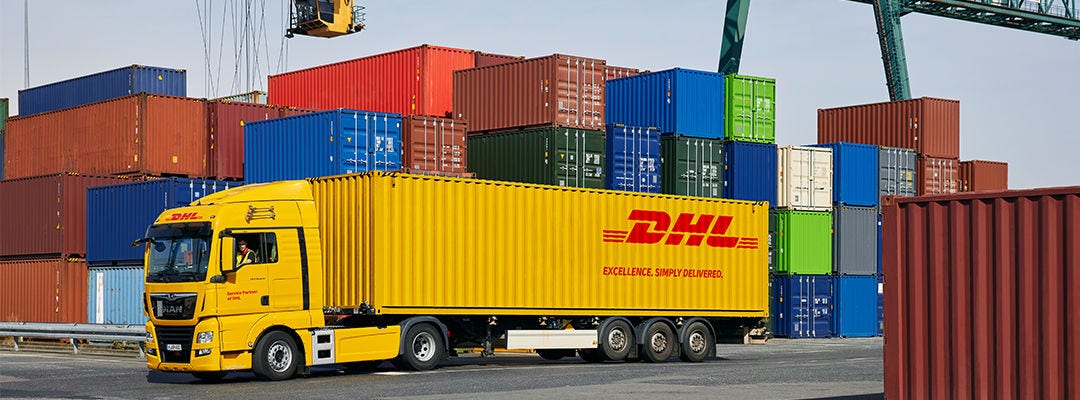
One integrated network. Heavy weight shipments move through DHL Express' global network across more than 220 countries and territories, reducing the fragmentation and handover risk associated with traditional multi-provider freight models.
Predictable delivery. Time-definite delivery schedules help to reduce lead time variability and improve planning. This means you can meet customer commitments with greater confidence.
Built-in customs expertise. DHL Express manages customs clearance as part of its heavy freight shipping service, helping reduce paperwork and minimize border delays.
End-to-end visibility. Every DHL Heavy Weight shipment can be tracked in real time, giving your business continuous visibility from collection to delivery, including for high-value and time-critical consignments.
Open a DHL Express Business Account today, or speak to your Account Manager to find out how DHL Heavy Weight Express can simplify your international heavy weight shipments.


 Share
Share

Similar Stories