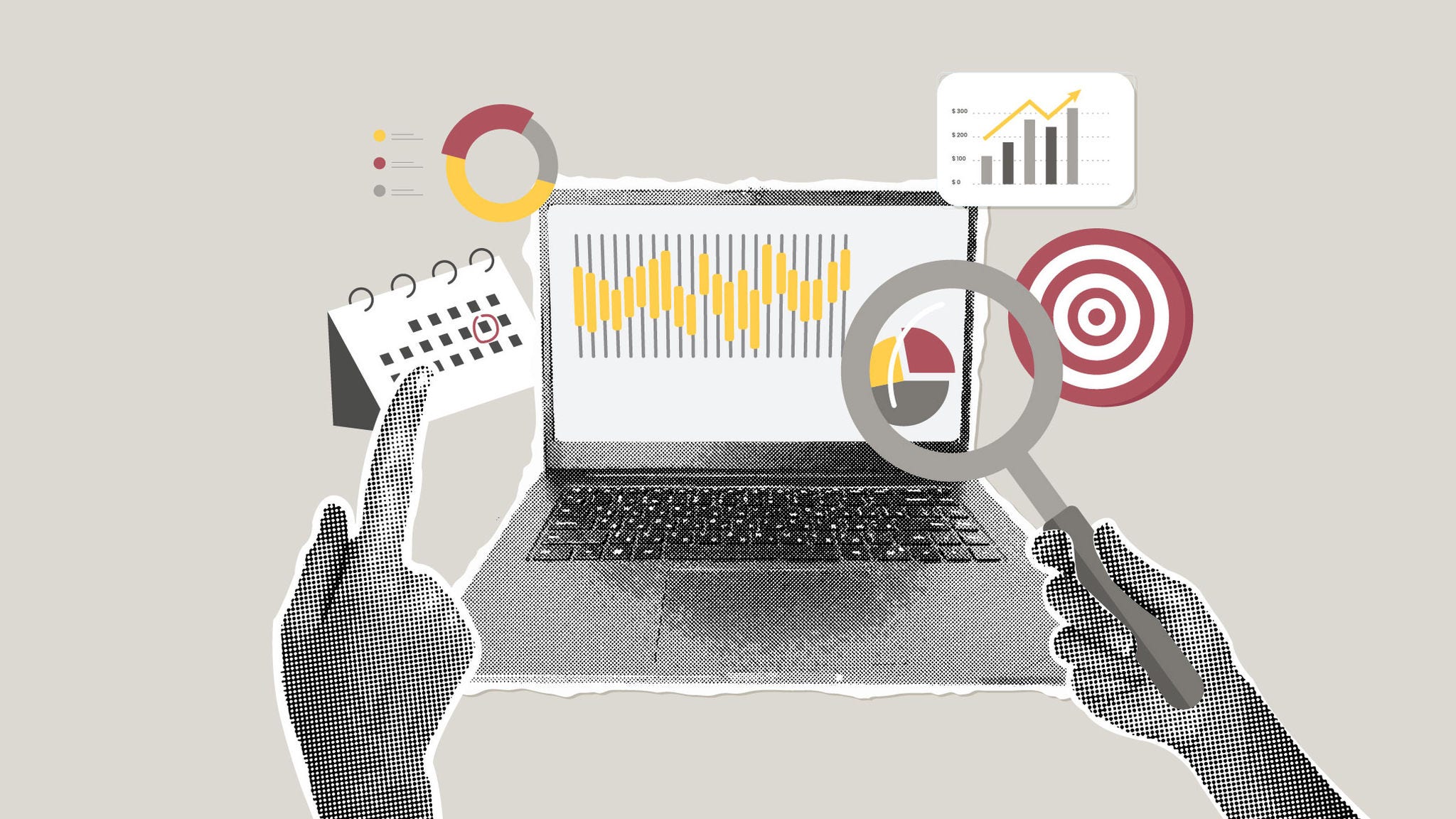


Sustainable B2B shipping is no longer a “nice to have” – it’s your competitive edge. Customers expect more, and delivery is a key place to start. From low-emission fleets to smarter routing, we’re breaking down the best ways to make your B2B deliveries leaner, greener, and more cost-effective.
B2B procurement has traditionally been heavily price-focused. But there’s a new consideration that is increasingly influencing customers’ purchasing decisions: sustainable shipping. According to a report by Bain & Company, 36% of B2B buyers would leave suppliers that don’t meet their sustainability expectations.
It could be the difference between a customer choosing your business over a competitor’s – or worse, vice versa. Now is the time to review your supply chain practices to see where changes could be made. First up, shipping.
What are the benefits of offering sustainable shipping to B2B customers?
Offering sustainable shipping to B2B customers provides a distinct competitive advantage, unlocks high-value corporate contracts, and lowers long-term operational overhead. Rather than acting as a simple regulatory burden, eco-friendly logistics optimization directly shields your business margins while expanding your global market share.
Competitive advantage: Only 53% of B2B customers say the sustainable options they are offered by suppliers fully meet their expectations. This means there is a huge opportunity for businesses to leverage a sustainable shipping strategy to attract these underserved prospects.
New business opportunities: Large global corporations often require international suppliers to meet specific sustainability standards to help them meet their ESG (Environmental, Social and Governance) goals. Thus, sustainable shipping will set you apart in procurement processes.
Cost savings: Optimizing shipping routes, using eco-friendly packaging, and leveraging carbon offset programs can help B2B businesses to reduce costs over time. Furthermore, energy-efficient transportation often means lower fuel costs and fewer emissions.
How do B2B and B2C shipping models compare?
The structural mechanics of commercial B2B cargo distribution lend themselves exceptionally well to a green logistics framework because order consolidation naturally lowers environmental waste.
With the growth of B2B e-commerce, buyers are beginning to expect the same speed, convenience, and sustainability they’re used to in B2C transactions.
The good news? Due to the nature of the B2B sector, it lends itself well to a sustainable shipping strategy:
1. Shipment size & frequency
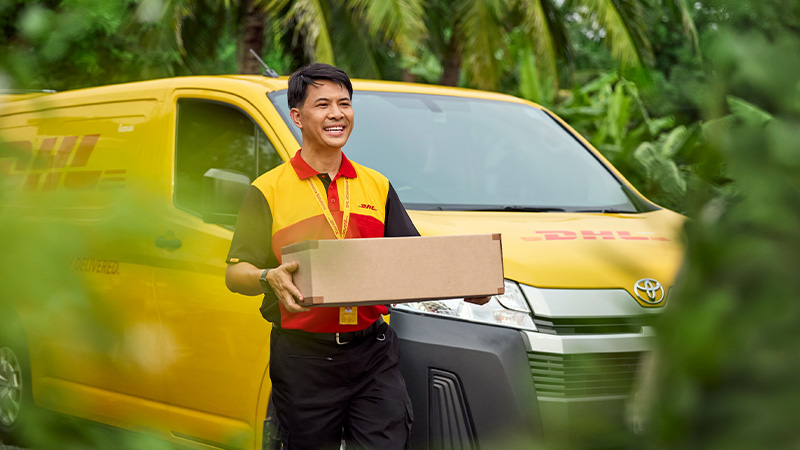
B2C sales typically involve frequent, small deliveries – often individual packages – which increases trips and the overall carbon footprint. Yet B2B shipments are typically large and infrequent, allowing for reduced emissions through route optimization.
2. Delivery speed & flexibility
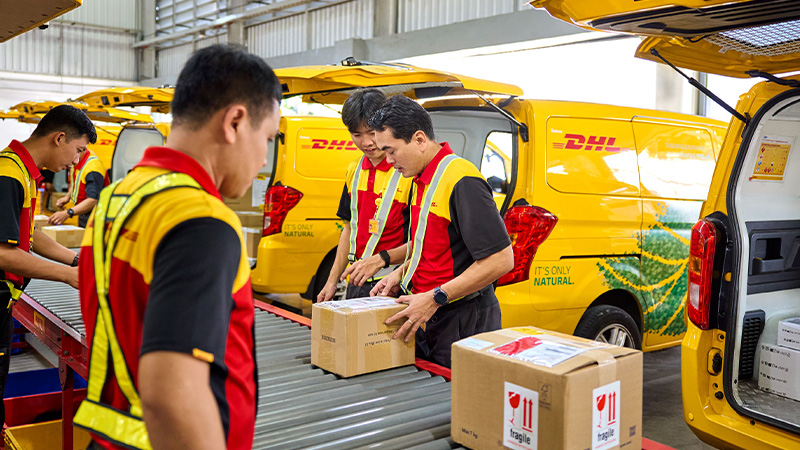
B2B deliveries are usually scheduled in advance, giving room for sustainable planning. In contrast, B2C customers expect fast shipping – including same-day delivery – making it harder to reduce emissions.
3. Order destination
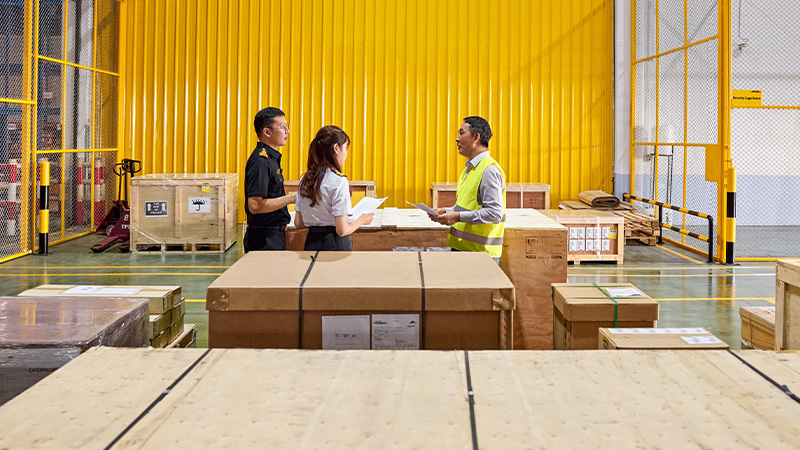
B2B orders are typically delivered to centralized locations like warehouses or distribution centers, rather than scattered individual homes. This makes it easier to consolidate shipments, optimize routes, and reduce the inefficiencies – and emissions – associated with last-mile delivery.
How do Receita Federal export processes impact sustainable logistics in Brazil?
Receita Federal export processes impact sustainable logistics in Brazil because custom clearance delays and redundant physical inspections at the outbound gateway multiply transport emissions, warehouse energy waste, and administrative overhead.
For an SME exporter, if your cross-border cargo is flagged due to data errors in your tax invoice (Nota Fiscal de Exportação), the shipment will sit idling in customs storage, requiring additional transport runs and duplicate handling.
Data from SEBRAE indicates that incorrect product classification under the Nomenclatura Comum do Mercosul (NCM) registry is the primary cause of operational bottlenecks for international shipments from Brazil.
To prevent these environmental and financial inefficiencies, your business must transition to a fully digitized export workflow. Utilizing the centralized Declaração Única de Exportação (DU-E) via the Siscomex network automatically transmits your compliance parameters to customs authorities before the cargo physically leaves your facility.
By pairing accurate digital data submission with an experienced carrier, you bypass manual border holdups, lowering the overall carbon footprint of your cross-border supply chain.
Five strategies for eco-friendly shipping
Low-emissions B2B delivery is not only great for the environment, but also for long-term efficiency, brand reputation, and often cost savings. Here’s a practical breakdown of strategies you can leverage.
1. Switch to sustainable fuels
DHL’s GoGreen Plus is a groundbreaking service that helps businesses reduce the carbon emissions associated with their shipments through the use of Sustainable Aviation Fuel (SAF).
SAF is a biofuel produced from renewable sources such as vegetable oils, animal fats, waste products, and agricultural crops. It can reduce greenhouse gas emissions by up to 80% compared to traditional jet fuel.
This value-added service can be selected for individual shipments, making it an excellent, flexible carbon-reduction option for SMEs and cross-border e-commerce businesses with smaller cargo loads.
2. Think electric for final-mile logistics
Electrifying your delivery fleet can have a significant impact on your emissions. DHL has a target to electrify 66% of its last-mile delivery vehicles by 2030, an initiative that aligns with their wider strategy to reduce logistics-related greenhouse gas emissions and achieve net-zero emissions by 2050.
When you partner with DHL Express, you're not only cutting the carbon from your final-mile deliveries – you’re showing your corporate customers that fast, reliable service can be sustainable too.
3. Optimize routes and load capacity
AI-powered route planning software isn’t just smart – it’s a game-changer. It can help determine the most fuel- and time-efficient routes, allowing drivers to complete multiple deliveries in the quickest, most strategic order. This not only cuts down on fuel consumption and emissions but also improves delivery reliability.
Additionally, consolidate orders whenever possible – grouping deliveries by geographic location or customer helps maximize truck capacity and reduce the number of trips.
4. Reduce your failed delivery rate
Failed deliveries are a huge contributor to your business’s carbon footprint – after all, every unsuccessful attempt clocks up more vehicle emissions and administrative costs. DHL's On-Demand Delivery (ODD) service offers businesses a way to enhance the customer experience in B2B shipping by providing flexible delivery options and real-time tracking.
By notifying recipients with delivery status updates and offering alternatives like rescheduling, redirecting, or collecting at a local ServicePoint, businesses can reduce failed deliveries and improve customer satisfaction.
5. Measure, report, and continuously improve
Making these structural changes isn't enough on its own. It’s equally important to measure emissions and efficiency gains. You can leverage data tools and software to calculate and report emissions per delivery, helping your business to set clear goals to reduce them.
Be sure to promote your progress and share sustainability metrics with your clients – it could be the exact difference between them choosing your business over a competitor.
Scale Your Sustainable Global Trade Today
Sustainable shipping is becoming a key differentiator in B2B logistics. By investing in this area, your business can position itself as a responsible leader, meet evolving client expectations, and gain a competitive advantage.
Fulfilling the environmental standard demanded by global corporate procurement requires an experienced international transport network capable of carbon-reduced routing and transparent metrics tracking.
Open a DHL Express Business Account to launch your eco-friendly B2B shipping strategy.


 Share
Share