Wondering how to ship artwork without it arriving with a new crack, dent or scratch?
Whether you're an artist selling overseas, a gallery sending a piece to an exhibition, or an e-commerce business shipping artwork to international customers, the same principle applies: the better you prepare the artwork before it leaves your hands, the fewer surprises you're likely to encounter along the way.
This article covers the process: assess the piece, choose the right packaging, protect it against movement and moisture, label it clearly, prepare the correct customs documentation, check duties and import requirements, and make sure it can be protected and tracked throughout its journey.
Assess the artwork before you ship
Before reaching for the nearest box, take a good look at what you're actually shipping. The artwork's size, weight, value and fragility will all affect the packaging you need, the service you choose and the level of protection you'll need in transit.
Size is particularly important because shipping costs aren't always based on how much something weighs. Carriers can calculate charges using actual weight or dimensional (volumetric) weight, whichever is greater. Artwork can be a classic example of this: a lightweight painting surrounded by plenty of protective packaging can take up considerably more space than its weight suggests. Therefore, make sure you measure the finished parcel, not just the artwork itself.
With DHL Express, volumetric weight is calculated by multiplying the parcel's length, height and width in centimeters, then dividing by 5,000.
For example, imagine a framed artwork weighs just 8kg but, once properly packed, measures 50 × 40 × 40cm:
50 × 40 × 40 ÷ 5,000 = 16kg volumetric weight
In this case, the shipment would be charged based on 16kg rather than its 8kg actual weight. It's a good reminder that adding more packaging isn't free – so protection needs to be robust without being unnecessarily bulky.
Choose the right packaging
Artwork needs more than a box and a bit of bubble wrap – the right packaging can make all the difference. Start by wrapping the piece in a suitable acid-free material to protect the surface, particularly for paintings, drawings and other works on paper. Avoid putting plastic wrap directly against painted or delicate surfaces, as it can trap moisture or stick to the finish.
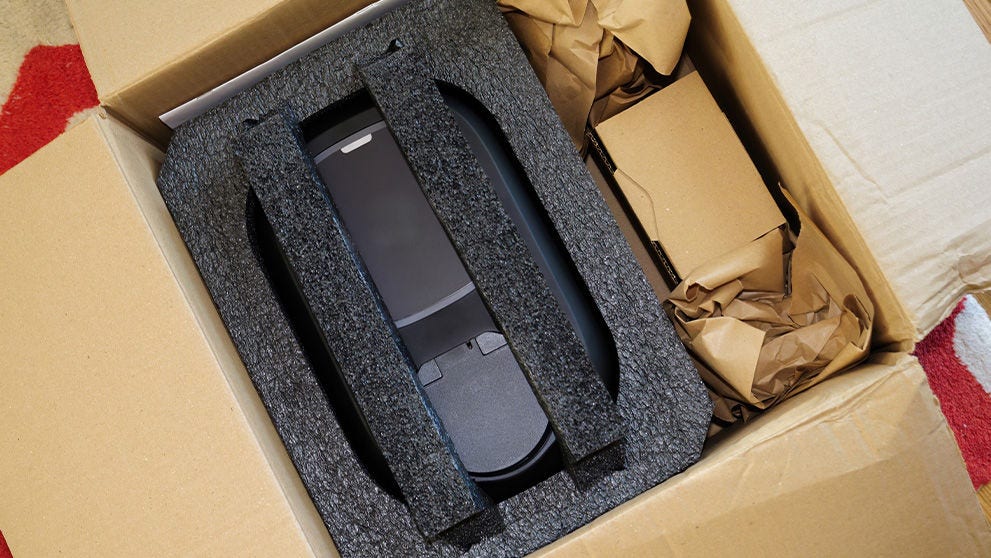
From there, protect vulnerable areas such as corners and edges with dedicated protectors, then add cushioning around the artwork to absorb knocks and vibrations. The piece shouldn't be able to move around inside its packaging – movement creates opportunities for damage.
Finally, use a rigid outer box or suitable protective case. For particularly valuable, fragile or oversized pieces, a custom-built crate may be the better option. Whatever you use, think about the journey the package is going to take, rather than simply how well it protects the artwork sitting on your studio floor.
How to pack different types of artwork
Different artworks have different weak points, so there isn't one universal packing method.
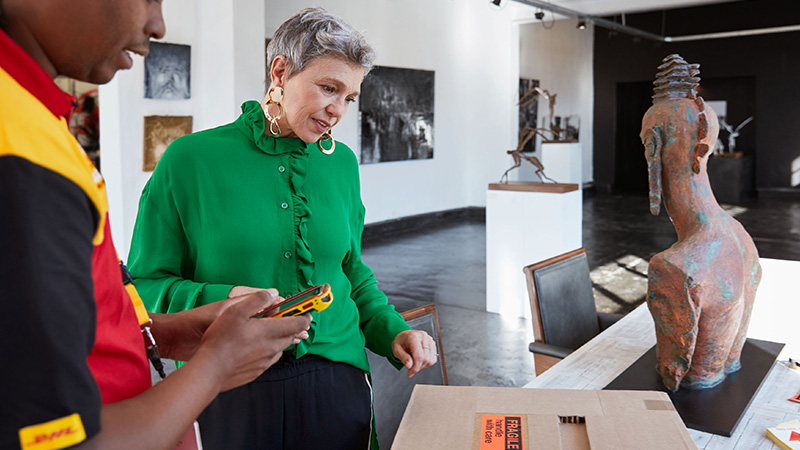
Sculptures
Start by protecting any delicate or protruding parts individually, then secure the sculpture so it can't shift inside the packaging. For valuable or particularly fragile pieces, a custom crate with internal cushioning or supports can provide an extra layer of protection.

Glass artwork
Glass needs careful attention because it can crack or shatter from impact. Protect the surface with suitable material, reinforce vulnerable areas and make sure the artwork can't move inside a rigid outer package. For framed glass, consider whether the glass should be removed or specially secured before shipping.
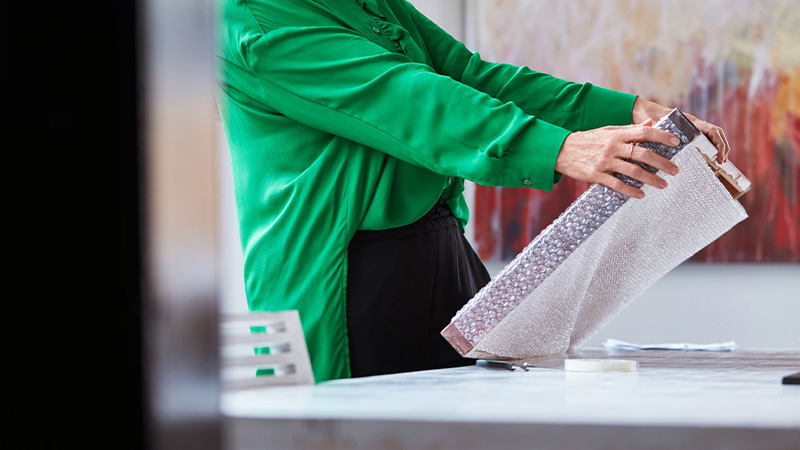
Canvas artwork
Protect the canvas surface with acid-free wrapping material, then add corner protection and cushioning before placing it inside a rigid box. If the canvas is particularly valuable or oversized, a custom crate may be more appropriate.

Pottery
Wrap pottery individually, paying particular attention to handles, spouts and other protruding or fragile parts. Use plenty of cushioning around the piece and make sure there is no room for it to move inside the box.
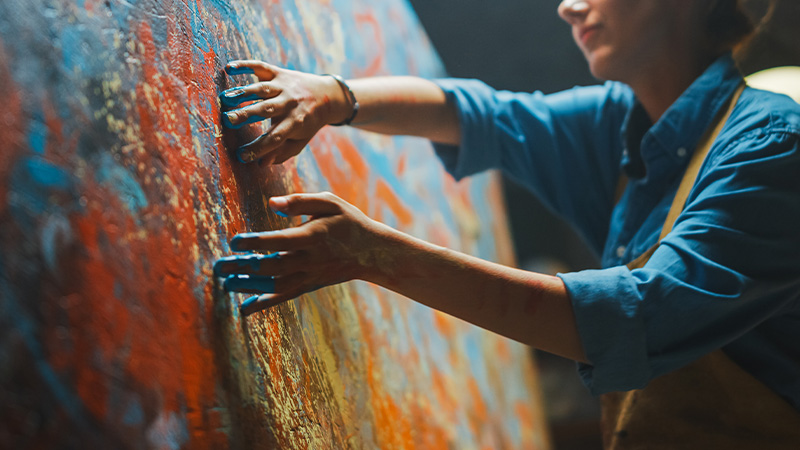
Mural artwork
Murals can be particularly challenging because of their size and construction. Depending on the material, they may need to be rolled, supported on a rigid backing or carefully crated. Consider the finished dimensions and weight before deciding whether parcel or freight shipping is appropriate.

Industrial art
Large metal sculptures, installations and other industrial artworks can be heavy, irregularly shaped or difficult to handle. They may require specialist lifting equipment, palletization or a custom crate, so plan the logistics alongside the packaging rather than treating them as separate jobs.
Shipping large or oversized artwork
Sometimes an artwork is too big for a standard parcel network. Even before you reach a hard network limit, oversized pieces may attract additional handling or oversize charges.
Once a piece becomes particularly large, heavy or awkward to handle, freight shipping – usually palletized or crated – can be the more appropriate option. The important thing is to check the limits of your chosen service before you build the crate or book the collection.
DHL Heavy Weight Express offers international delivery in as little as 1–3 days for time-critical heavy shipments weighing 50 kg and above. Businesses benefit from the speed and simplicity of express shipping with dedicated customs support from Heavy Weight specialists.
Labeling and handling instructions
Good packaging protects the artwork; good labeling helps make sure it's handled appropriately.
Clearly mark the parcel with the sender and recipient details, and use appropriate handling instructions where relevant, such as “Fragile” or “This Way Up.” These labels don't replace proper packaging, but they can provide useful visual guidance to people handling the shipment as it moves through the network.
Make sure labels are securely attached and easy to read, and don't place them over seams or areas where they could become damaged during transit.

Preparing customs documentation
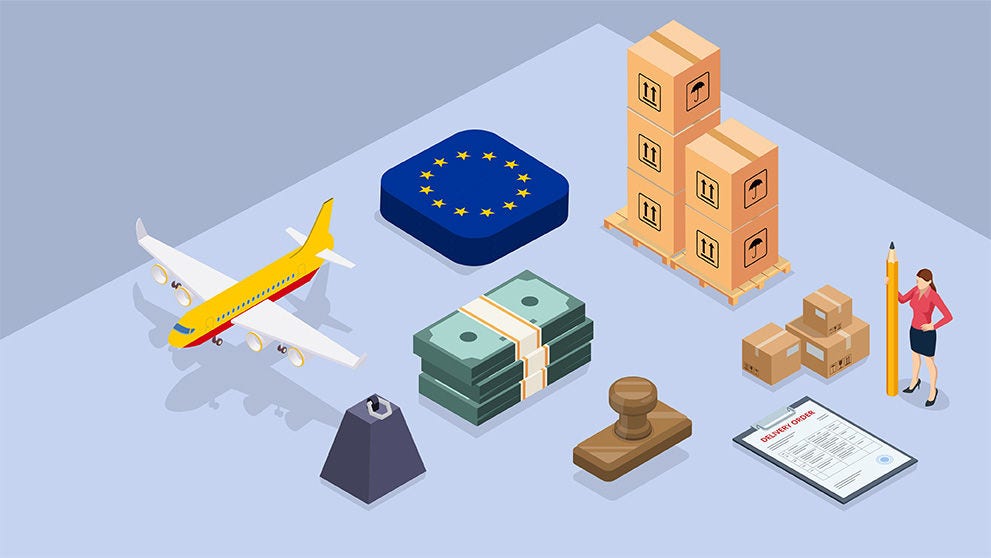
International artwork shipments need accurate customs information, just like any other commercial shipment. The exact HS code can vary depending on the type of artwork – paintings, for example, may fall under heading 9701 – so don't simply assume that everything described as “artwork” uses the same classification.
The key is to check the classification and destination requirements before shipping. Your documentation will typically need to include:
- Commercial Invoice: Sets out what you're shipping, its value, origin and other information customs authorities need.
- Accurate description: Don't just write “artwork”. Describe what the item is, such as an original oil painting on canvas, ceramic sculpture or framed photograph.
- Declared value: Give the genuine value required for customs purposes. Under-declaring an artwork to reduce duties can cause serious problems.
- HS code: Use the appropriate classification for the specific artwork where required.
- Supporting documentation: Depending on the destination and nature of the piece, additional licences, certificates or other documents may be required.
Getting this information right at the start can help avoid customs questions and delays later in the journey.
Duties, taxes and import regulations
The customs treatment of artwork can vary significantly depending on where it's going and why you're shipping it. A piece being sold to a customer may be treated differently from one being sent temporarily to an art fair, exhibition or restoration facility.
If artwork is traveling temporarily for an exhibition or similar purpose, an ATA Carnet may help simplify the process by allowing eligible goods to enter participating countries temporarily without paying the usual duties and taxes, provided the relevant conditions are met.
There are also additional rules for certain cultural goods entering the EU. Depending on the type, age and origin of the item, an import licence or importer statement may need to be submitted through the EU's Import of Cultural Goods (ICG) system. The rules have been designed to help prevent the illicit trade of cultural heritage, so check the requirements well before the shipment travels.
In short: don't leave customs research until the artwork is sitting at the airport. Check the destination-country requirements before you ship.
Insurance and shipment protection
If you're shipping something worth hundreds or thousands of pounds, the cost of protecting it in transit is worth considering.
First, check what protection is included with your chosen service and whether artwork is eligible. Some carriers place specific restrictions on valuable or fragile artworks, and coverage can depend on the item's value and type. DHL Express, for example, has restrictions relating to certain high value works of art, so it's important to check eligibility before booking.
For eligible shipments, consider whether additional shipment value protection is appropriate for the artwork you're sending. You should also keep a record of the item's condition before shipping – ideally with clear photographs.
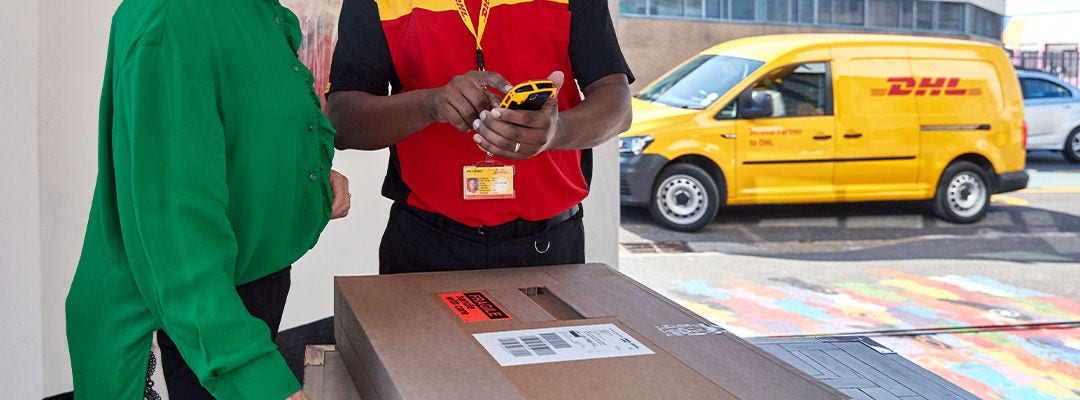
What affects the cost of shipping artwork internationally?
Artwork shipping costs can vary considerably. The main factors include:
- Dimensional weight: A large but lightweight artwork may be charged according to its volumetric weight rather than its actual weight.
- Crating: A custom-built crate offers excellent protection but adds both material and labor costs – as well as weight and volume.
- Service level: Faster, time-definite services generally cost more than slower alternatives.
- Oversize surcharges: Large or awkwardly shaped parcels may incur additional handling or oversize charges.
- Duties and taxes: The destination country may charge import duties and taxes depending on the artwork and circumstances of the shipment.
- Value protection: Additional protection for eligible high-value shipments can add to the overall cost.
The cheapest option isn't necessarily the best one. With valuable artwork, the cost of inadequate packaging or the wrong service can be far greater than the original saving.
Tracking and visibility
When you're shipping a one-of-a-kind painting or sculpture, a vague tracking notification stating “somewhere in transit” isn't particularly reassuring.
End-to-end tracking, on the other hand, gives you visibility into the shipment's progress and can help you spot potential issues earlier. It's also useful for keeping the recipient informed, particularly when the artwork is traveling to an exhibition, gallery or customer with a specific delivery deadline.
For high-value pieces, that visibility can provide a little extra peace of mind while the artwork is making its way across borders.
Common mistakes to avoid
A few seemingly small mistakes can create disproportionately large problems when shipping artwork:
- Under-declaring the value to try to reduce duties or taxes.
- Writing “artwork” on the Commerical Invoice instead of giving a clear, specific description.
- Wrapping plastic directly around a painted surface, which can trap moisture or affect the finish.
- Shipping glazed artwork without properly protecting the glass, increasing the risk of cracks or breakage.
- Skipping a condition report or photographs, leaving you without a clear record of the artwork's condition before it traveled.
A few extra minutes before collection can save considerably more time – and money – later.
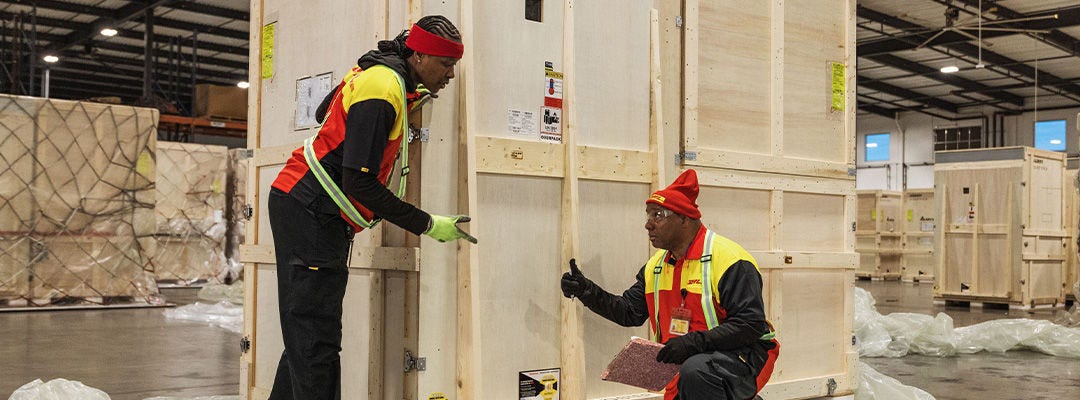
Working with the right logistics partner
Shipping artwork internationally isn't simply about getting a box from one country to another. You've got to think about the artwork itself, its packaging, dimensions, value, customs requirements and the journey it's going to take.
That's where an experienced logistics partner can help. DHL Express combines international shipping expertise with customs knowledge, shipment tracking and solutions for larger and heavier pieces. Its network reaches more than 220 countries and territories, giving businesses and artists a single partner to work with as their international shipping needs grow.
Whether you're sending a painting to a customer overseas or moving a sculpture to an international exhibition, taking the time to get the packaging, paperwork and protection right can make all the difference. Protect the artwork before it leaves your hands, and you've already made the journey a whole lot easier.
For fast international shipping of your artwork, open a DHL Express Business Account.


 Share
Similar Stories