#LogisticsAdvice

What is Logistics? Your Complete Guide w/ Examples

Anna Thompson
Anna Thompson
Discover the content team
5 min read
أشخاص في مستودع

Logistics is the engine behind every successful business, moving products from where they are made to where customers need them. This guide breaks down the definition of logistics, core processes involved, the different types you should know, and why getting them right can shape the success of your business.

Navigating the complexities of logistics can be daunting, especially when running a business already demands so much attention. DHL Express, a global leader in logistics, offers a comprehensive suite of tailored solutions designed to simplify supply chains. From international shipping and warehousing to customs brokerage and e-commerce fulfillment, DHL Express’ expertise and global network can help businesses optimize logistics operations and achieve growth objectives.

What does logistics mean?

The textbook definition of logistics refers to the planning, execution, and control of moving goods, services, and information from the point of origin to the point of consumption. The practical meaning of logistics in business is broader: it covers every activity that gets a product from a supplier or factory into the hands of a customer, on time and in good condition.

Whether it is managing inventory, handling transportation, or optimizing packaging, logistics keeps operations flowing. Getting logistics right can mean the difference between a one-time purchase and a loyal, lifelong customer. Streamlining the movement of products helps businesses cut costs, stay competitive, and keep your customers coming back.

Logistics is:

  • The lifeblood of supply chains that ensures the efficient flow of goods and materials, enabling businesses to operate smoothly.
  • A complex network of interconnected activities involving transportation, warehousing, inventory management, order processing, and more.
  • A critical driver of customer satisfaction, ensuring products reach customers on time and in good condition.
  • An essential component of global trade, facilitating the movement of goods across borders and connecting producers with consumers worldwide.
  • Worthy of serious investment, as efficient logistics can lead to cost savings, improved customer service, and a competitive advantage.


Logistics is not:

  • An afterthought or something to be left to the last minute: logistics requires careful planning and execution.
  • The supply chain: it is a part of the broader supply chain, which encompasses the entire network of activities involved in sourcing, production, and distribution.
  • A function every business needs to do itself: logistics can be outsourced to specialized providers like DHL Express, who offer expertise and resources to optimize supply chains.
     

What is logistics management?

Logistics management is the strategic side of logistics, involving the procurement, movement, and storage of materials, parts, and finished inventory (goods and services) from their point of origin to point of consumption.

The 'Seven Rs' is a popular way to define the goal of logistics management:

Get the right product

  • At the right quantity
  • At the right time
  • In the right condition
  • To the right place
  • And to the right customer
  • At the right cost

Get all of these, well, right, and a business will stay competitive.

What does logistics mean in business?

In business, logistics is all about managing the journey of goods, from sourcing raw materials to delivering the final products to customers. It covers everything from inventory management and warehousing to transportation and order fulfillment. When logistics processes flow smoothly, products arrive where they need to be, right on time. It is not just about getting things from point A to point B; it is about keeping costs down and making sure customers are happy with the service. 

In short, good logistics can make a big difference to a company's success and ability to stay competitive.
 

Logistics vs supply chain management

Logistics and supply chain management often get used interchangeably, but they describe different parts of the same picture. The confusion is understandable, as both deal with the movement of goods and information, and logistics sits inside the wider supply chain. The clearest difference between logistics and supply chain management lies in scope: supply chain management takes the wide view, while logistics zooms in on execution.
 

 Logistics managementSupply chain management
ScopeNarrower: the hands-on movement and storage of goodsBroader: the entire network from raw materials to end customer
FocusDay-to-day execution: warehousing, transportation, inventory control, and order fulfillmentStrategic coordination: sourcing, production, and distribution across every partner involved
ControlLargely within a business's direct controlOften involves parties outside a business's direct control, such as suppliers and distributors
GoalStreamline operations, cut costs, and keep customers happyOrchestrate relationships and information to keep the whole network running efficiently

Types and examples of logistics

Reverse logistics

Reverse logistics covers the flow of goods travelling back through the supply chain, from the customer to the retailer, manufacturer, or a specialist recovery partner. It includes returns, exchanges, refurbishment, recycling, and safe disposal. With the average e-commerce return rate reaching 20.4% in 2024, up from 17.6% the previous year¹, reverse logistics has become a real strategic concern rather than an afterthought. 

A well-run process can recover value from returned items, reduce waste, and turn a potentially negative customer experience into a reason for repeat business. For a deeper look at how this works, see the DHL guide to reverse logistics.

E-Commerce logistics

For online sellers, e-commerce logistics can make or break the business. It covers getting products from a virtual store to a customer's doorstep, fast and accurately. From inventory management and warehousing to packing and last-mile delivery, nailing this process ensures customers receive their orders on time and in perfect condition, building trust and improving the shopping experience.

Freight logistics

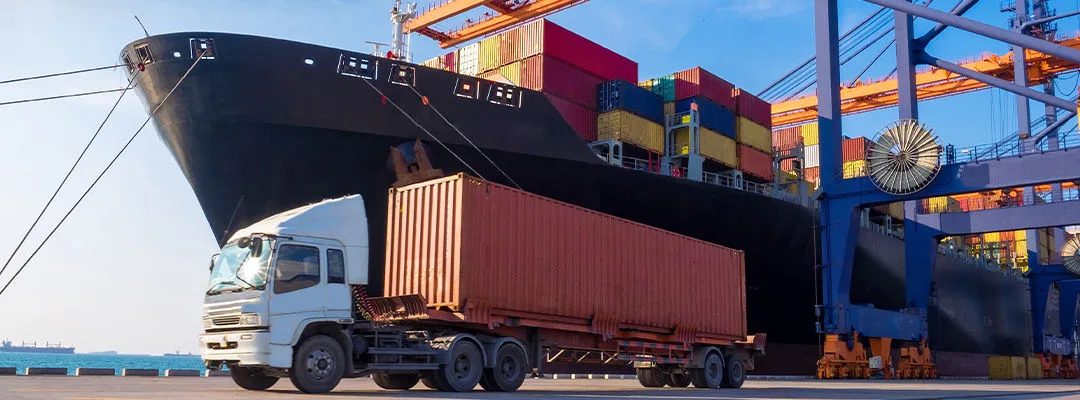
Freight logistics moves large shipments over long distances, whether bringing in products from overseas or distributing them across regions. It involves multiple modes of transport, including trucks, ships, planes, and rail, and includes crucial services like freight forwarding and customs brokerage. For businesses trading globally or managing large-scale supply chains, freight logistics is what keeps goods moving.

Third-party logistics (3PL)

Third-party logistics (3PL) providers take on warehousing, transportation, and order fulfillment on behalf of another business. Partnering with a 3PL gives access to established expertise and infrastructure without the burden of managing everything in-house, freeing up time to focus on growth.
 

Warehouse logistics

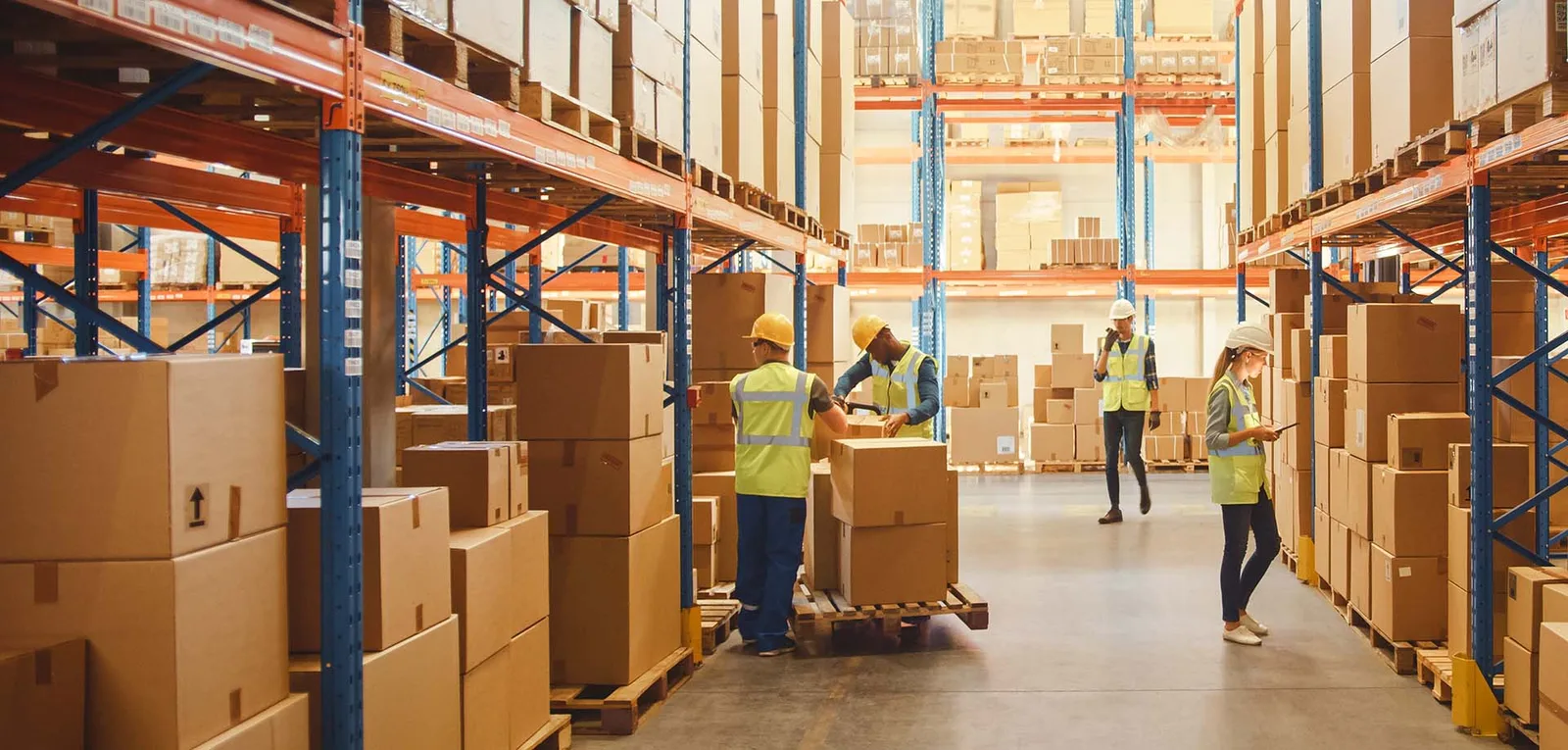
Efficient warehouse logistics is the beating heart of the fulfillment process. It is where receiving, storing, picking, packing, and shipping all come together. Getting it right means orders reach customers on time, every time. Whether running a small operation or scaling up, smooth warehouse logistics is key to keeping orders flowing and customers happy.

Demand planning logistics

Staying ahead in business often comes down to knowing what customers want before they do. That is where demand planning logistics comes in. By analyzing past sales and current trends, businesses can forecast demand more accurately, helping them avoid overstocking or running out of key products. It is about optimizing inventory and production to meet customer demand without missing a beat.

Order fulfillment

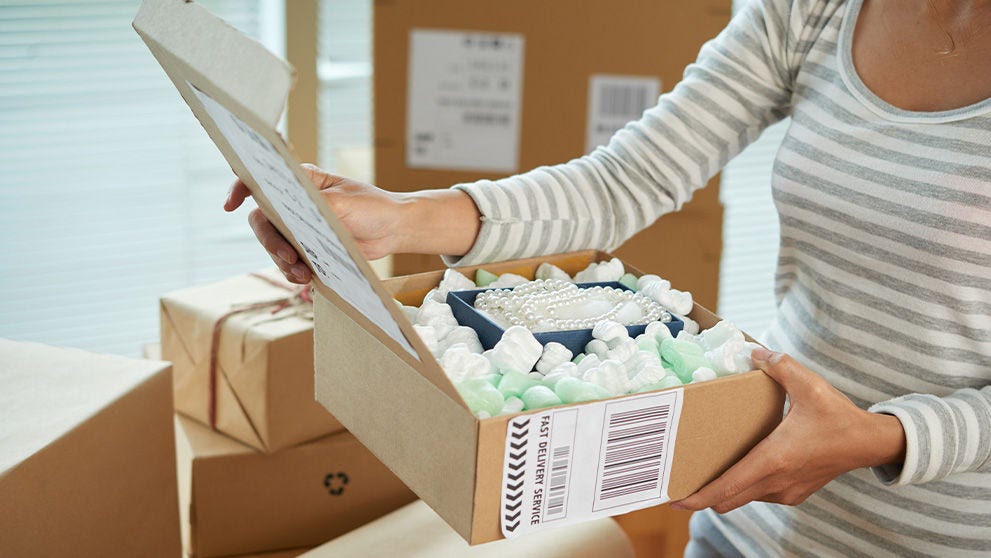
Order fulfillment is the lifeline between a business and its customers. From the moment an order comes in to the final delivery at the customer's door, every step counts. Efficient fulfillment keeps customers satisfied and loyal, while mistakes or delays can hurt a brand's reputation. Mastering this process ensures smooth, fast, and accurate delivery, boosting business success with every order.

What types of logistics processes are there?

Any complete logistics workflow, breaks down into a handful of connected activities that together move a product from supplier to customer.

people shaking hands

1) Procurement

Procurement is about getting the goods or services a business needs from external suppliers. In logistics, this could mean sourcing anything from raw materials to finished products. It involves choosing the right suppliers, negotiating the best deals, and managing contracts so everything runs smoothly.

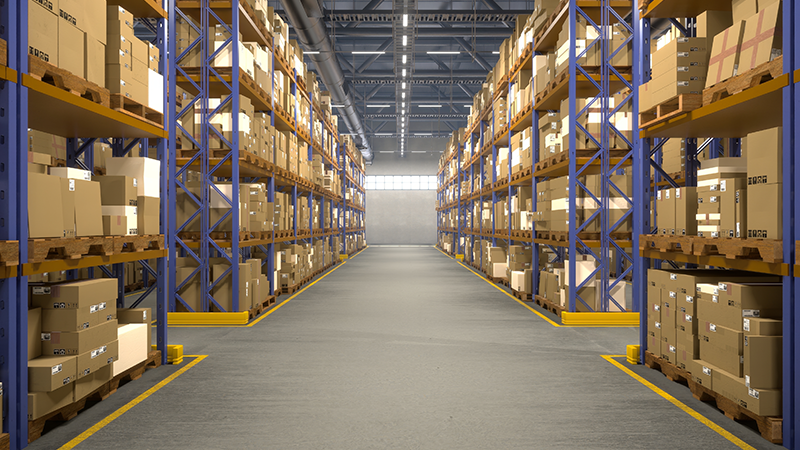
warehouse

2) Storage

Storage plays a key role in keeping goods safe and organized in warehouses or distribution centers. From managing inventory to designing efficient layouts, good storage practices ensure products are always ready to ship. This keeps delays at bay and helps boost customer satisfaction.

man in a hi vis holding a scanner

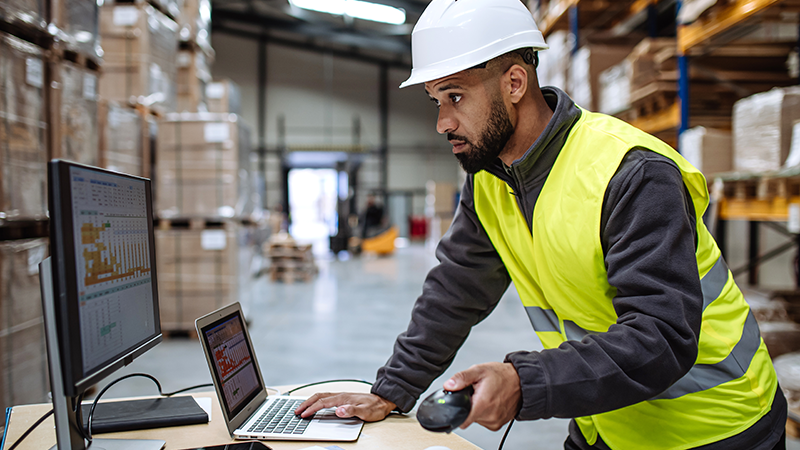
3) Inventory management

Inventory management is about staying on top of the flow of goods within a business. It includes tracking stock levels, forecasting demand, and making sure there is always enough on hand without overstocking. Effective inventory management helps avoid running out of products, minimize waste, and make the most of resources.

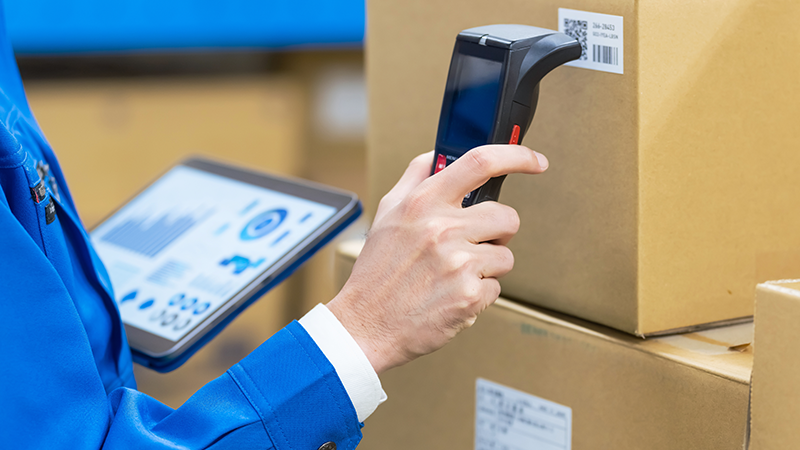
hand scanning barcode on a box

4) Order picking and dispatch

Order picking and dispatch are the final steps in getting products to customers. Order picking means selecting the right items from inventory, and dispatch involves packing and shipping them to the customer's address. When done right, these processes ensure that deliveries are accurate and on time, keeping customers happy and loyal.

Why is logistics important?

Recent research shows that logistics disruption is a serious business risk. A 2026 DP World study of senior logistics decision-makers found that 52% of companies worldwide lose more than one month of operational capacity in any year affected by logistics disruption². Separately, 94% of surveyed businesses have reported revenue impact from supply chain disruptions³. For smaller businesses with tighter profit margins, that kind of exposure can be the difference between growth and stagnation.

Transportation, packaging, inventory, and delivery are all integral parts of logistics that shape the customer experience. Here are the key reasons logistics matters for a business:

  • Ensuring customer satisfaction and loyalty. Logistics is at the heart of delivering great customer experiences. It is not just about moving packages from point A to point B; it is about ensuring customers get their orders quickly, accurately, and with full transparency. In today's fast-paced e-commerce world, where everyone expects speedy delivery and real-time tracking, a strong logistics strategy is essential. Even a small hiccup can hurt the bottom line, and stockouts are particularly costly. A 2024 NielsenIQ study found that 91% of consumers will not wait for an item to restock, and instead switch to a competitor or abandon the purchase.
  • Cost reduction and operational efficiency. Optimizing the logistics process can make a real difference to the bottom line. Streamlining tasks like transport routing and inventory management reduces costs and avoids common pitfalls such as overstocking or stockouts. This frees up cash flow and lowers storage costs. Investing in technology and automation also helps businesses scale without losing speed or accuracy.
  • Competitive advantage and market expansion. Logistics can be a key differentiator. Companies that excel in logistics can offer faster delivery times, lower shipping costs, and superior customer service. This attracts new customers and fosters loyalty among existing ones. Efficient logistics also enables expansion into new markets, both domestically and internationally, by overcoming logistical challenges and reaching a wider audience.
  • Risk mitigation and supply chain resilience. When things go wrong, whether it is a natural disaster, political unrest, or supplier issues, logistics can make or break how a business responds. A solid logistics plan, from diversifying suppliers to using real-time tracking, helps businesses navigate unexpected challenges and maintain stability. It is about being prepared and flexible.
  • Driving economic growth and sustainability. Logistics is a key driver of economic growth. It connects sellers and buyers, making trade happen smoothly on a global scale. By optimizing logistics, businesses can reduce transportation costs, lower prices for customers, and increase demand for products. Incorporating sustainable practices, such as choosing efficient routes and right-sized packaging, cuts costs and helps reduce a business's carbon footprint.
     

How to optimise your logistics strategy

A strong logistics strategy starts with clear goals. They may be: 

  • To reduce costs 
  • To generate higher revenue 
  • To reduce overstocking 
  • To improve customer delivery times 

…or most likely a combination of all these things. For SMEs and start-ups where profit margins are already tight, reducing costs is often the priority, though most businesses pursue a combination.

Artificial intelligence (AI) is playing a growing role in optimizing logistics. According to a study by McKinsey, AI has helped businesses improve logistics costs by 15%, inventory levels by 35%, and service levels by 65%. Here is how automated technology can be applied to some of the key logistics functions.

Inventory management

Poor visibility is one of the biggest weak spots in modern supply chains. A recent McKinsey survey found that 45% of respondents either have no visibility into their upstream supply chain or can see only as far as their first-tier suppliers.

Automating inventory management is crucial to meeting lead time and fulfillment KPIs. By integrating inventory management software, businesses can:

  • Track every item that arrives at or leaves the warehouse in real time
  • Monitor inventory turnover to identify unmet demand or overstocking
  • Use sales data from multiple channels for more accurate demand forecasting
  • Automate procurement so reorders trigger when products are running low
  • Better organize the warehouse according to stock availability
  • Track rates across different suppliers to find the best deals
  • Reduce human error by automating stock-taking and reporting

Warehousing

Every product you sell needs to be stored, packed, and shipped consistently to reach customers in the right condition. A good starting point is the Picking Accuracy Rate, since every incorrect order costs money and can lose repeat customers. Simple adjustments, like placing best-selling products closer to packing and shipping stations, can save teams time and boost efficiency.

Looking ahead, DHL's benchmark Logistics Trend Radar reports that warehouse automation is on the rise, with indoor mobile robots tipped to transform the industry. These robots can navigate warehouses efficiently, reducing costs in order fulfillment. Could this be a smart move for your business? 

Transportation

Transportation is a big part of your business's logistics expenses, so even small adjustments can lead to real savings. Start by looking at your Average Delivery Time and On-Time Delivery Rate as these key metrics can highlight where things might be slipping through the cracks. 

If you're delivering goods using your own vehicles, using smart route planning software is a must. Tools like Stream4 and OptimoRoute5 can help you create the most efficient delivery and collection routes by factoring in every stop, total route time, real-time traffic, and even your vehicle’s capabilities. The result? Faster deliveries, less fuel, and more cost savings. 

Packaging

Sending your products out in excessive packaging costs businesses money and undermines sustainability efforts. Well-packaged products take up less space in the warehouse and during transportation. So, remember, less is more! 

Delivery

Order Accuracy Rate is a key metric for a smooth delivery process. Failed delivery attempts hurt the bottom line, increase emissions, and frustrate customers. A great way to improve this is by offering various delivery options at checkout. Letting customers choose what works best for them, whether that is a specific delivery window, dropping the package with a neighbor, or sending it to a secure parcel locker, can significantly boost first-time delivery success.


Your logistics partner 

While larger companies often manage logistics in-house with their own vehicles and warehouses, smaller businesses typically need to outsource to keep up with customer demands. The logistics landscape ranges from first-party logistics (1PL), which involves just two parties, the goods and the customer (like a florist delivering flowers in its own van), to fifth-party logistics (5PL), a newer model designed for the complexities of e-commerce.

DHL Express provides a range of solutions tailored to small and medium-sized businesses, including comprehensive fulfillment services that handle everything from picking and packing to delivery. Partnering with DHL Express also means tapping into regional distribution networks that support same-day and next-day delivery at competitive rates. For a deeper look at each logistics model, see DHL's dedicated guide.

Get your logistics needs met with DHL's solutions today!

Partner with DHL Express today and discover how their comprehensive logistics solutions can streamline operations and enhance the customer experience.

Frequently Asked Questions About Logistics

Logistics nodes are the physical points in a supply chain where goods are handled, stored, or transferred. Common examples include factories, warehouses, distribution centers, ports, and retail stores. Each node plays a role in moving products efficiently through the network, and how well they connect can influence overall speed, cost, and reliability.

The biggest shifts include the rapid rise of automation and robotics in warehouses, wider adoption of AI for demand forecasting and route optimization, and growing pressure to make logistics more sustainable. Real-time visibility, driven by IoT and cloud platforms, is also becoming a baseline expectation rather than a nice-to-have.

A logistics workflow is the sequence of steps a product travels through from supplier to end customer. It typically covers procurement, inbound transport, storage, inventory management, order processing, picking and packing, outbound transport, delivery, and, where relevant, returns. Mapping the workflow clearly helps businesses spot bottlenecks and improve their overall logistics process.

Inbound logistics covers everything that moves into a business, such as raw materials, components, or finished goods coming from suppliers. Outbound logistics covers everything that moves out to the customer, including picking, packing, shipping, and delivery. Both are core parts of a business's logistics and supply chain management, and both need to be running well for the operation to succeed.

Discover how DHL can help your business optimize its logistics by speaking to one of our experts. Begin your journey, here

1 - Procurement Tactics, July 2026 

2 - Logistics Business, January 2026

3 - Conexiom, June 2026

4 - Stream

5 - OptimoRoute