#LogisticsAdvice



 Share
Share
FCA Incoterms Explained: What Free Carrier Means for International Shipping
3 min read
Share
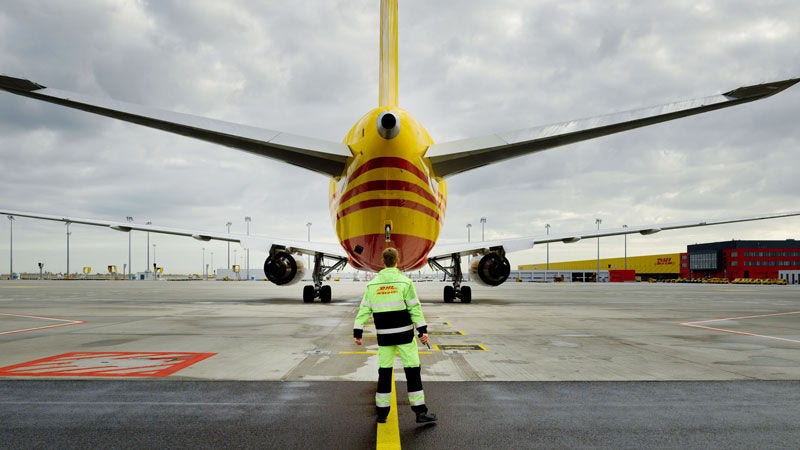
Shipping internationally means someone has to draw a clear line between where the seller's job ends and the buyer's begins - that's exactly what FCA (Free Carrier) Incoterms® do. This article walks through what FCA means in practice, why correctly specifying the "named place" of delivery is critical to avoiding cost disputes and delays, and how responsibilities split between buyer and seller - from export clearance and loading, right through to import customs and final delivery.
What "Free Carrier" means for global shipping
If you've come across the term “FCA Incoterms®” while preparing for an international shipment, you're in the right place. FCA stands for Free Carrier, one of 11 internationally recognised trade terms published by the International Chamber of Commerce (ICC). Under FCA Incoterms®, the seller delivers goods to a carrier or another party nominated by the buyer at an agreed named place, and the buyer takes responsibility from that point forward.
FCA is particularly common in international trade when the buyer wants to arrange and control the main leg of carriage. It's flexible, works across all modes of transport, and gives buyers genuine visibility over their logistics costs. Whether you're shipping from a warehouse in Cork or collecting goods from an overseas supplier, understanding how FCA works can help you avoid unexpected costs and delays.
What are Incoterms® and why do they matter?
Before diving into FCA specifically, it helps to understand what Incoterms® actually are. Incoterms® (short for International Commercial Terms) are a globally recognised set of rules that define the responsibilities of buyers and sellers in international trade. They cover who handles transportation, who arranges cargo insurance, who manages customs formalities, and who pays for duties and taxes. Critically, they also define the exact point at which risk transfers from the seller to the buyer. The ICC established rules to provide buyers and sellers with a common language, reducing the potential for disputes and misunderstandings. The most current version is Incoterms® 2020.
For small and medium-sized businesses shipping internationally, using the correct Incoterm isn't just a technical formality. It protects your bottom line, supports customs compliance, and helps you price accurately.
What does FCA mean in shipping?
The meaning of FCA Incoterms® centres on a single handover point: the seller delivers goods to a named place, handles export clearance, and that's where their obligation ends. From that moment, the definition is clear - costs, risk, and responsibility pass to the buyer.
In practice, this means the buyer controls who collects the goods, how they're transported, and at what cost. That's a meaningful commercial advantage for buyers who have established carrier relationships or want to consolidate shipments from multiple suppliers.
A "carrier" under FCA can be any party that undertakes the carriage of goods: a shipping line, an airline, a trucking company, a rail operator, or a freight forwarder.
Why the "named place" matters under FCA
One of the most important things to get right when using FCA is specifying the named place precisely. This isn't just an administrative detail. It directly determines where risk transfers, who pays for loading, and how costs are allocated.
Under the FCA Incoterms®, there are two possible delivery scenarios depending on where the named place is:
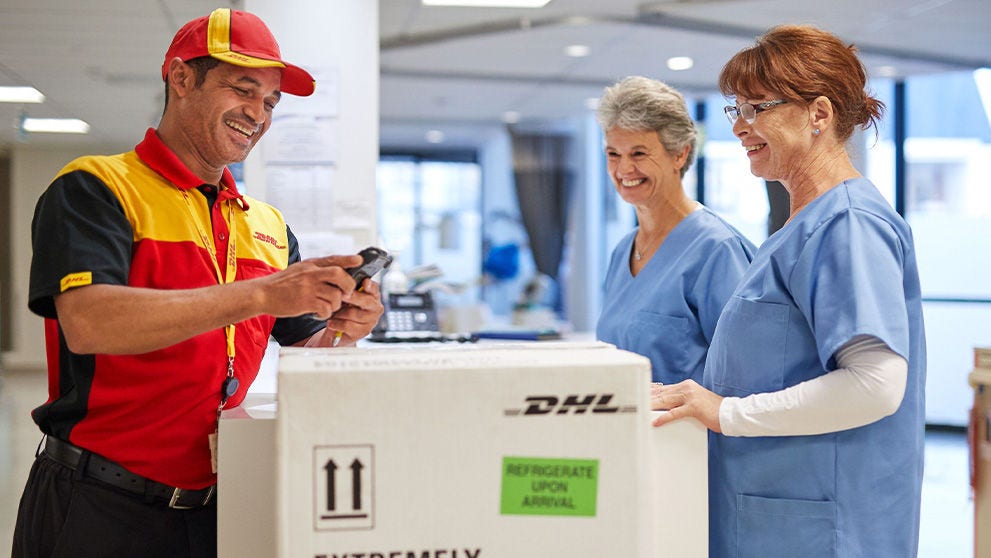
If the named place is the seller's premises (such as their warehouse or factory), the goods are considered delivered once they have been loaded onto the buyer's collecting vehicle. The seller is responsible for loading in this case.
If the named place is any other location (such as a freight forwarder's warehouse, an airport terminal, or a container terminal), the goods are considered delivered when they arrive at that location, ready for unloading from the seller's vehicle. The seller does not need to unload the goods at this point.
Getting the named place wrong, or leaving it vague, can create real problems. It can lead to disputes over who bears the cost of loading, confusion about when risk passes, and delays if the buyer's carrier arrives at the wrong location. Always specify the named place as precisely as possible in your sales contract.
Seller responsibilities under the FCA Incoterms®
Under the FCA, the seller's obligations are front-loaded; everything happens before the goods leave their country.
Loading, shipping and delivery
Under FCA Incoterms®, the seller's responsibilities are centred on getting goods ready and delivering them to the agreed named place. This includes:
Providing the goods and the commercial invoice as per the contract of sale
Packaging and marking goods appropriately for transport
Delivering goods to the named place on the agreed date
Loading goods onto the buyer's collecting vehicle, if the named place is the seller's own premises
Providing proof of handover once goods have been handed over
If goods are delivered to a location other than the seller's premises, the seller is not required to unload them. That responsibility falls to the carrier.
Information and documentation
The seller must give the buyer sufficient notice that goods have been delivered, or that the carrier has failed to collect within the agreed timeframe. If the buyer requests it, the seller must also assist (at the buyer's cost and risk) in obtaining any transport documents, such as a bill of lading with an on-board notation, where this has been agreed.
Under the Incoterms® 2020 rules, a new optional provision allows the buyer and seller to agree that the buyer's carrier will issue a Bill of Lading with an on-board notation to the seller after the goods are loaded on the vessel1. This is particularly useful for letters of credit, which often require an on-board Bill of Lading as proof of shipment. However, this is only possible if this specific mechanism is explicitly agreed upon in the sales contract; it is not an automatic right under FCA.
Export clearance responsibilities
Export clearance sits firmly with the seller under FCA. This means the seller must obtain any required export licences or permits, complete security clearance for export where applicable, and handle any pre-shipment inspection required by the country of export.
The seller has no obligation to arrange transit or import clearances. Those belong to the buyer.
Buyer responsibilities under the FCA Incoterms®
Once the seller has delivered to the named place, the buyer's obligations kick in. From arranging the main carriage to clearing goods through customs, here's what falls on the buyer's side of the contract.
Transportation and freight
Once goods are delivered to the named place, the buyer takes on responsibility for arranging and paying for the main carriage. This includes:
Nominating the carrier and providing their contact details to the seller ahead of collection
Arranging and paying for all onward transport from the named place
The buyer must also give the seller sufficient notice of carrier details and any booking information (including reference numbers, vehicle registration details, or flight and vessel information) so the seller can correctly complete export declarations.
Customs clearance
The buyer is responsible for all import-related formalities, including import licences and permits, import customs clearance, security clearance for transit and import, and payment of all import duties and taxes. If the goods travel through a transit country, clearance responsibilities there also sit with the buyer.
Liaising with the carrier
Coordination between the buyer and seller is especially important under FCA. If the buyer or their carrier fails to collect goods at the agreed time and place, the buyer bears the risk from the end of the agreed delivery period, even if the goods haven't moved.
Equally, if the buyer doesn't provide the seller with carrier details in good time, they may lose any claims against the seller and could be in breach of contract. Clear communication early in the process keeps everything on track.
When does risk transfer under FCA?
Under FCA, risk transfers from the seller to the buyer at the moment of delivery, that is, when goods reach the named place and are handed to the buyer's carrier.
If the named place is the seller's premises, risk transfers once goods have been loaded onto the buyer's collecting vehicle.
If the named place is another location, risk transfers when the seller's vehicle arrives at that location, with the goods ready for unloading.
This is a clear and commercially sensible arrangement. It means the seller isn't exposed to risk during the main voyage, and the buyer (who controls the transport from the named place onwards) is responsible for any loss or damage that occurs during that leg. One important nuance: if the buyer's carrier fails to collect on time, the buyer bears the risk from the end of the agreed delivery period, even though the goods haven't moved.
This underscores the importance of keeping carriage arrangements well co-ordinated. Although neither party is obligated to arrange insurance under FCA, buyers are strongly advised to take out appropriate cover from the point of delivery. Sellers may also wish to consider contingency insurance as a safeguard in case of disputes over payment.
When should businesses use the FCA?
FCA is a good fit for a wide range of international trade scenarios. Here's a practical example of how it plays out:
Example: A Cork-based importer is sourcing industrial components from a manufacturer in Germany. The importer has an established relationship with a freight forwarder and has negotiated competitive rates for road freight across Europe. Rather than asking the German supplier to arrange transport (and potentially paying a markup on their rates), the importer nominates their own carrier and agrees FCA terms with the named place being the supplier's warehouse in Munich.
The supplier loads the goods onto the importer's truck, handles German export clearance, and provides proof of delivery. From that moment, the importer's carrier takes over, managing the cross-border journey, arriving in Ireland, and handling customs clearance. The importer has full visibility over their goods throughout and controls their logistics costs directly.
The FCA tends to work well when:
The buyer has negotiated their own freight rates and wants to use their preferred carrier
The buyer wants control over the main leg of transport
The seller is well-positioned to handle export clearance in their country
Goods are being collected from the supplier's premises
The shipment involves multimodal or containerised transport
For Irish importers buying from overseas suppliers, the FCA can be a particularly practical arrangement, especially where the buyer already has established relationships with freight forwarders and can consolidate multiple supplier pickups into a single transport unit.
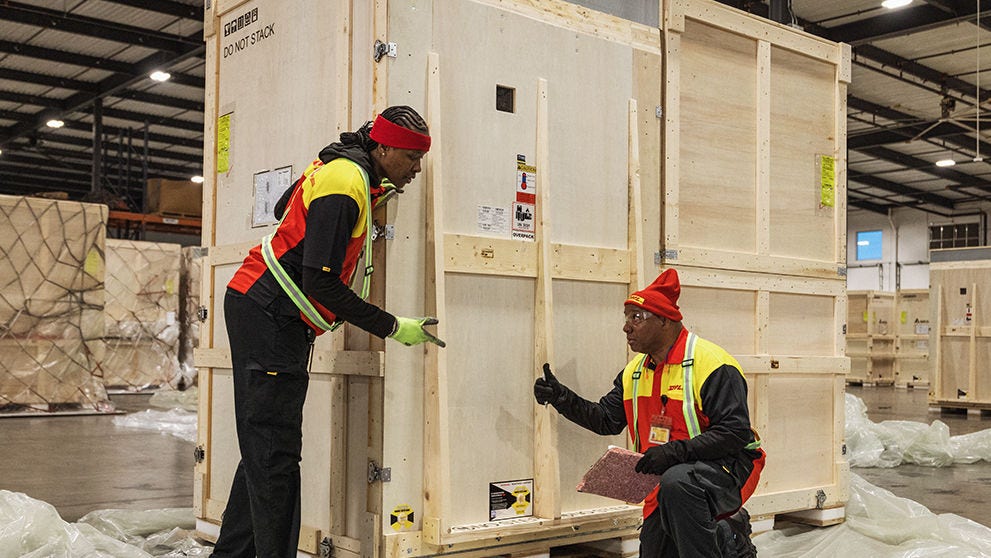
FCA and heavy or palletised shipments
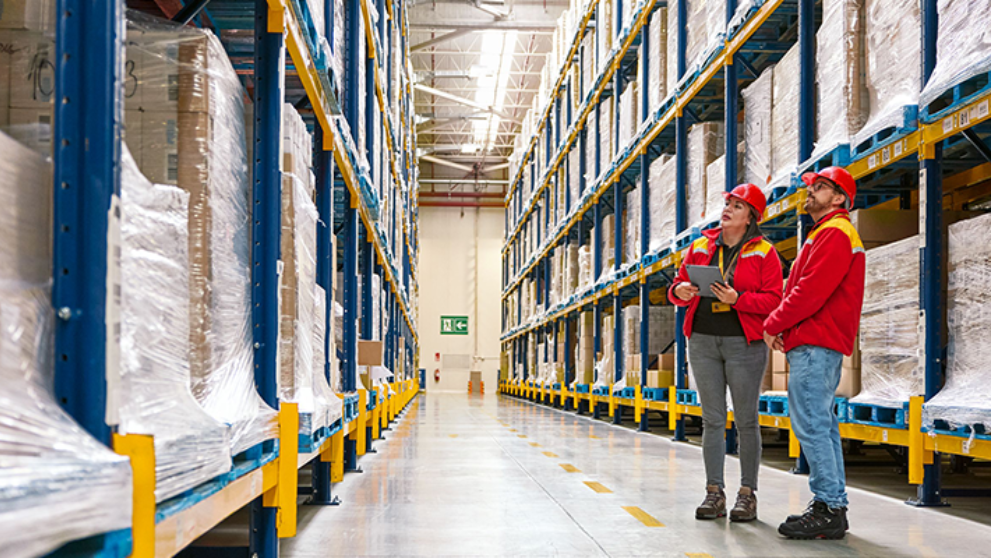
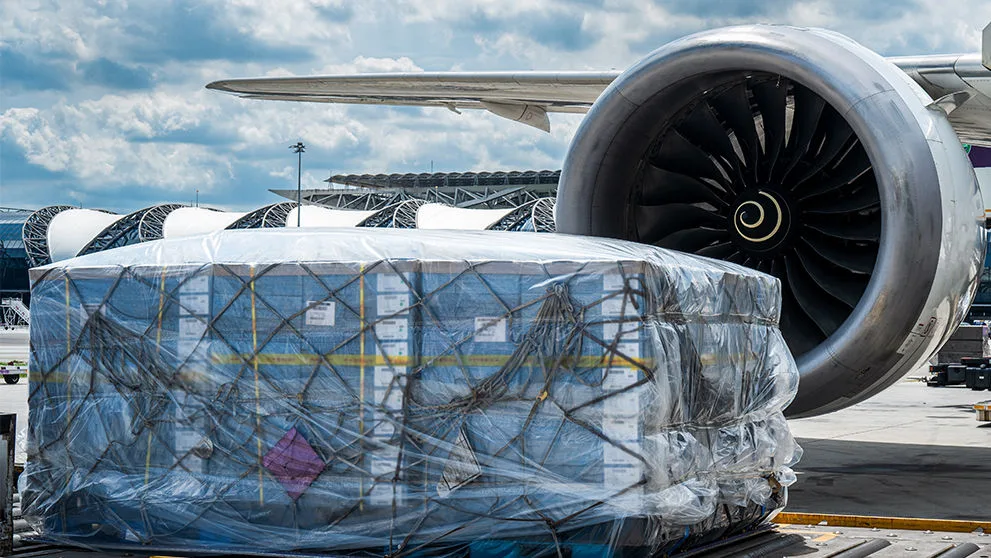
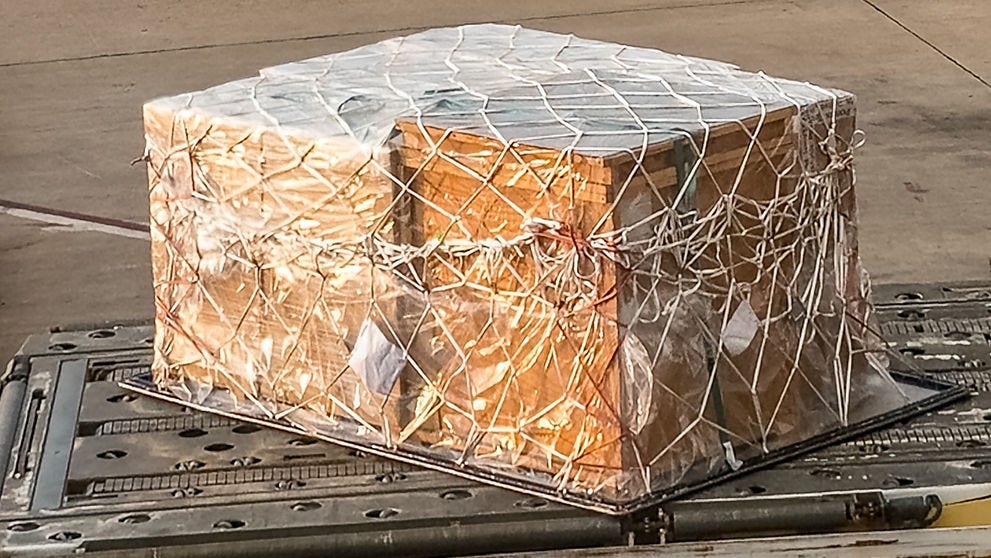
FCA works well for heavy and palletised cargo because it gives the buyer control over the main carriage while still requiring the seller to deliver the goods to an agreed handover point. This allows the buyer to match the carrier, route, and transport mode to the size, urgency, and handling needs of the shipment.
With bulky shipments, the named place is often a forwarder's warehouse or a carrier's depot rather than the seller's premises, and the buyer's nominated carrier takes over from there. That control is useful. A buyer moving a few pallets of components on a tight deadline might go with express air, while someone shipping a full container of goods that can wait would lean on sea freight. Both sit comfortably within FCA. The Incoterm doesn't decide the mode, only who's responsible for it.
One thing worth sorting out early is who loads the goods. If the named place is the seller's premises, loading the consignment onto the buyer's collecting vehicle is the seller's job, and with heavy cargo that's not a small detail. Anywhere else, the goods just arrive ready for unloading. For buyers who go with express on heavier loads, carriers such as DHL Express handle palletised shipments up to 1,000 kg per piece, with customs clearance folded into the price.
How DHL Express can support international shipping under FCA terms
Navigating FCA terms is straightforward once you understand the responsibilities on each side, but the real-world execution of international shipping still involves plenty of moving parts. That's where DHL Express can help.
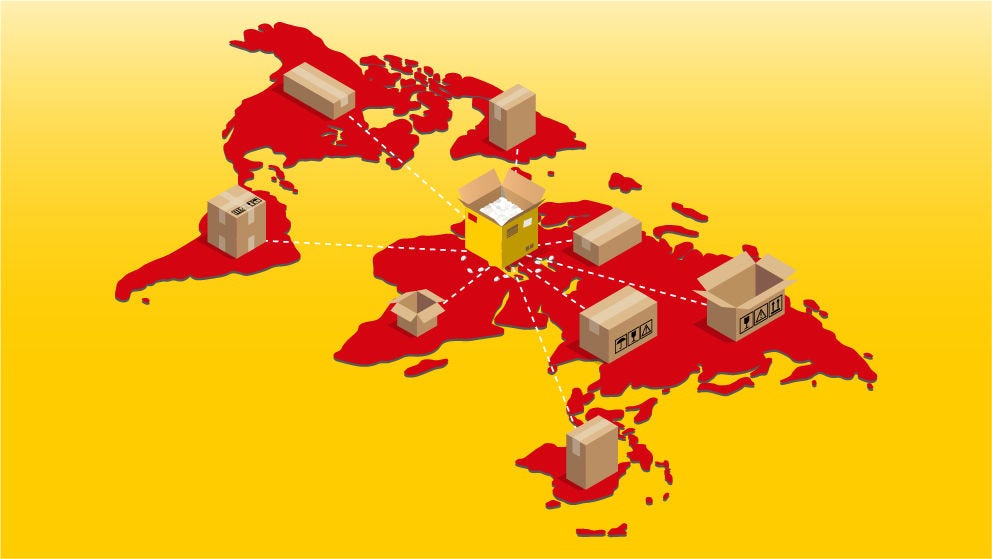
DHL Express offers a global network spanning more than 220 countries and territories, with deep expertise in customs clearance, real-time shipment tracking, and international documentation. Whether you're a seller preparing goods for collection or a buyer managing import formalities at the Irish end, DHL Express can provide reliable support at every stage.
For businesses shipping regularly under FCA or any other Incoterms® arrangement, a DHL Express Business Account offers preferential rates, fast and reliable international shipping, trusted customs expertise, and dedicated business support. It's designed for companies that need consistency and confidence in their international logistics.
Disclaimer
This article is designed to provide a quick overview of the Incoterms® rules frequently used worldwide in international and domestic contracts.
“Incoterms” is a registered trademark of the International Chamber of Commerce (ICC).
Read more about Incoterms® rules from the official International Chamber of Commerce website, where you can also order the “Incoterms® 2020” publication.
Sign up for online training on the Incoterms® 2020 rules at icc.academy
While we have made every attempt to ensure that the information contained herein has been obtained, produced, and processed from sources believed to be reliable, no warranty, express or implied, is made regarding the accuracy, adequacy, completeness, legality, reliability or usefulness of such information. All information contained herein is provided on an "as is" basis. In no event will DHL Express, its related partnerships or corporations under the DHL Group, or the partners, agents or employees thereof be liable to you or anyone else for any decision made or action taken in reliance on the information contained herein or for any consequential, special or similar damages, even if advised of the possibility of such damages.
For easy international shipping, open a DHL Express Business Account.
Share
Similar Stories