#LogisticsAdvice

Green Last Mile: How to Navigate Clean Air Zones and Protect Your Urban Deliveries

Key Takeaways

  1. Compliance: Transitioning to electric fleets helps you access restricted urban zones.
  2. Efficiency: Alternative transport methods help you bypass city centre traffic gridlock.
  3. Retention: Sustainable shipping options help you meet what eco-conscious buyers now expect.
  4. Carbon Visibility: GoGreen Plus lets you show verified emissions reductions to eco-conscious customers at checkout.

It's 8:00 AM. Failure to comply with customs regulations can result in shipments being held, fined, or destroyed at the border. When this single delay is multiplied across an entire fleet, your on-time delivery rate is exposed to significant compliance risk, compounding the existing challenges of urban traffic. This article outlines how to maintain the flow of your urban deliveries as more Indian cities restrict access for combustion vehicles.

Why are low-emission zones such a problem for traditional couriers?

To combat inner-city pollution, major metropolitan areas are introducing strict access rules and penalties for vehicles with combustion engines. These are enforced by authorities like the Commission for Air Quality Management (CAQM) in the National Capital Region. If your courier partners depend on older diesel or petrol vans, your business is exposed to delays and costly surcharges under regulations such as the Graded Response Action Plan (GRAP), which can restrict vehicle entry based on air quality levels.

How DHL Express is solving this

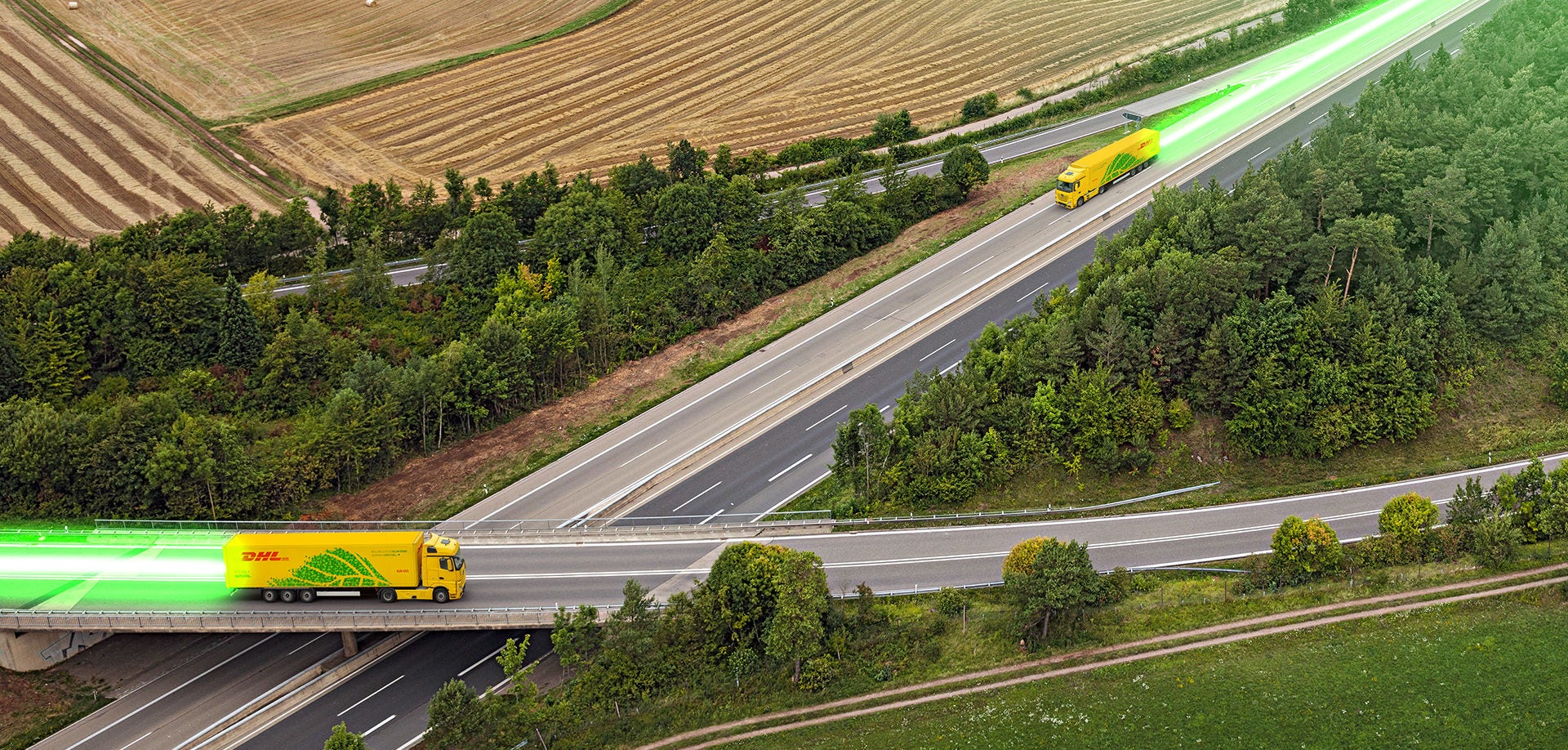
Meeting these regulations requires significant investment in fleet modernisation, far beyond temporary workarounds. DHL is rolling out 80,000 electric vehicles for last-mile delivery by 2030, with the goal of making 60% of its fleet electric. This commitment is what ensures your parcels continue moving as more cities introduce restrictions on combustion vehicles.

What this means for your checkout

Rising operational costs

Financial Penalties: Failure to comply with city-level carbon limits can result in substantial fines for vehicle operators, which may be passed on as operational costs. Penalties for pollution-related violations under the Motor Vehicles Act can be significant.

CBD access challenges

Restricted Windows: Non-compliant vehicles may face stringent entry restrictions or be barred entirely from major commercial zones during periods of poor air quality.

Cart abandonment

Cart Abandonment: Delivery delays that result from vehicle restrictions can negatively impact customer satisfaction and lower your checkout conversion rates.

Low-emission zone enforcement is intensifying across major commercial hubs, particularly during peak periods like the Diwali shopping season when delivery volumes are at their highest. Selecting clean logistics options is a crucial step to protect your profit margins from these escalating regulatory costs.


Why does delivery fleet choice change so much by region?

An effective clean delivery fleet must be adapted to the road networks, power infrastructure, and traffic patterns of each city, not just its emissions regulations. A vehicle designed for a wide, planned city grid can be quickly immobilised in a narrow, historic city centre. For this reason, a diverse fleet is more important than a single type of "green" vehicle.

How DHL Express matches vehicle to terrain

DHL Express meticulously coordinates routes to align the appropriate vehicle type with the local terrain. This is especially critical in cities such as Delhi, where modern infrastructure coexists with congested, older commercial districts. This strategy helps your parcels bypass heavy traffic while reducing the energy consumption per delivery.

How the three vehicle types compare

Here's how an effective mix is typically structured across the industry:

Vehicle Type

Ideal Operating Environment

Primary Operational Benefit

Electric Cargo Bikes

High-density business districts with narrow lanes

Bypasses road congestion and parking rules

Electric Vans

Suburban residential zones and planned parks

Offers high payload capacity with zero emissions

Electric Scooters

Highly congested metros with tight gridlock

Provides fast, nimble routing for small parcels

Your choice of transport directly influences your delivery speed and carbon footprint. Today, the majority of our last-mile fleet in India runs on CNG, a lower-emission alternative to diesel and petrol, while a smaller number of electric four-wheelers handle deliveries where zero-emission access is required. That electric share is set to grow as part of DHL's global shift toward electric last-mile delivery.

How does sustainable logistics drive e-commerce customer retention?

Modern consumers are increasingly abandoning digital carts when brands fail to offer clear, eco-friendly options at checkout. They seek tangible proof that a business is actively managing its environmental impact. By offering green shipping choices at the point of payment, you provide the visibility that builds brand loyalty and trust.

What GoGreen Plus shows your buyers

GoGreen Plus offers a clear and auditable method to demonstrate your environmental credentials, allowing you to share verified carbon reduction metrics with your buyers. This transparency is what converts environmentally-conscious browsers into loyal, repeat customers.

Three ways to make sustainability visible at checkout

Here is what that looks like in practice:

  1. Clear Carbon Labels: Displaying green shipping options at checkout helps reduce cart abandonment rates.
  2. Flexible Delivery Tools: On Demand Delivery lets buyers select a delivery window that is convenient, which helps avoid the extra fuel consumption of re-delivery attempts.
  3. Paperless Tracking: Providing digital updates via the DHL Express Mobile App eliminates the need for printed paperwork.

This trend is pronounced in India, where consumers have become more eco-friendly in their purchasing habits. This aligns with global DHL Express research, where nearly 80% of consumers express interest in an eco-friendly delivery option. Integrating these features into your store does more than build goodwill; it secures your market share as buyer preferences evolve.


Protect your city deliveries today

Green last-mile delivery helps your business overcome urban access barriers and meet the growing demand for clean transport, keeping your e-commerce operations competitive as regulations tighten. DHL Express supports this with GoGreen Plus for verified carbon reporting and On Demand Delivery to reduce wasted journeys.

Speak to a DHL Express specialist today to build sustainable options into your international checkout.


Frequently Asked Questions

Green last-mile delivery is the use of sustainable transport, such as electric vans, three-wheelers, and cargo bikes, to move goods from local hubs to the final customer's door. This approach helps reduce transit emissions and minimises traffic congestion in busy city centres.

Low-emission zones, such as those implemented under India's Graded Response Action Plan (GRAP), can penalise or restrict traditional combustion vehicles. This can cause shipping delays and extra operational fees for your business. Using a logistics partner with a compliant electric fleet helps you maintain continuous city access and avoid these costs.

GoGreen Plus allows you to reduce the carbon emissions associated with your shipments through the use of Sustainable Aviation Fuel. This service provides a practical way for your brand to support clean transport and demonstrate verified carbon reductions to your customers.

Yes, alternative vehicles such as electric vans and two-wheelers are well-equipped to handle high parcel volumes in crowded city centres. Deploying these vehicles during peak seasons like Diwali helps couriers bypass gridlock and complete deliveries more efficiently than traditional trucks.

You can display GoGreen Plus options directly at your checkout to give customers an explicit eco-friendly choice. Furthermore, providing digital tracking and updates through the DHL Express Mobile App helps demonstrate your commitment to reducing paper waste.