#SmallBusinessAdvice

The China Plus One Strategy: A Simple Guide to Your 2026 Supply Chain

Key Takeaways

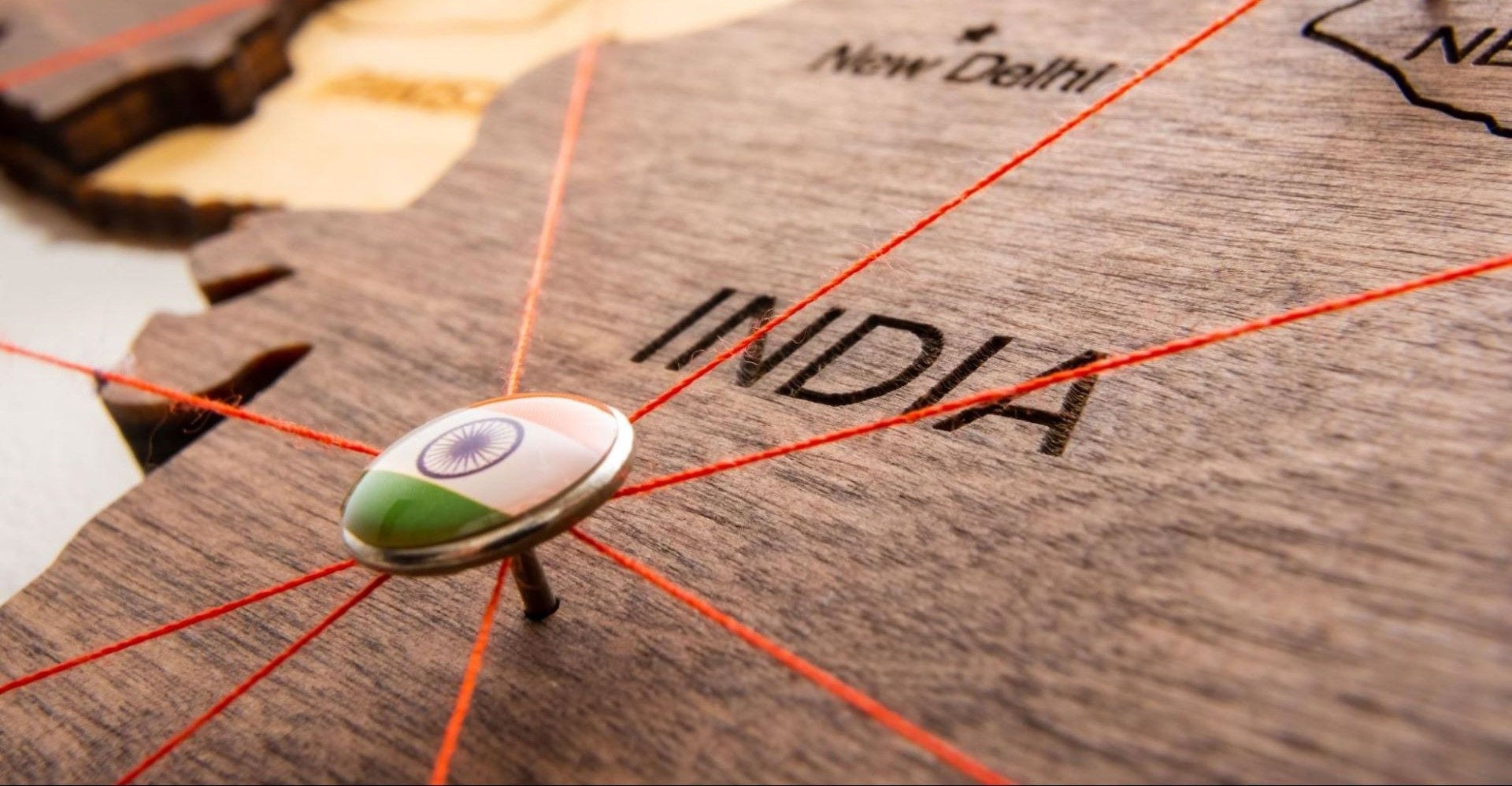
The Safety Net: The China Plus One Strategy is a plan to secure your supply chain by keeping primary production in China while adding a second base in a country like India.

The Plus X Shift: In 2026, many businesses are adopting a China + X model. This involves adding multiple ancillary hubs to diversify risk even further.

Trade Perks: Utilising regional trade agreements like the RCEP helps you move goods between Asian countries without incurring high duties.

Total Control: It is essential to use digital tools to gain a unified view of your inventory across all these international locations at once.

The China Plus One Strategy is about strategic diversification, not putting all your eggs in one basket. When a business relies solely on one country, a single regulatory change or a local disruption can halt operations. In 2026, building a resilient, multi-node network is the most effective way to safeguard your growth. This guide explains how to add new operational nodes to your supply chain with precision.

Why are businesses moving to a Plus X model in 2026?

The motivation for supply chain expansion in Asia has shifted from cost reduction to comprehensive risk management. A single-node network represents a significant vulnerability in today's market. Furthermore, a new investment surge of over 10.2 trillion INR is entering Southeast Asia and India this year, creating new manufacturing opportunities.

Trade Risks : 72% of professionals state that tariff changes are the biggest threat to their margins this year.

Cheaper Labour : Wages in India are often more than 70% lower than in China's major industrial cities, offering a significant operational cost advantage for labour-intensive manufacturing.

New Customers : Millions of consumers in South and Southeast Asia have increasing purchasing power. This transforms your manufacturing hub into a powerful sales and distribution hub.

Risk Spreading : Adding multiple sites ensures your business remains operational even if one hub, whether it's at Jawaharlal Nehru Port (JNPT, Mumbai) or elsewhere, faces a problem.

Transitioning to this model can increase documentation complexity. You require a logistics partner that provides a clear, consolidated view of your cargo in every country. This ensures your resilience strategy is executed without adding to your administrative burden.


Which country should be your Plus One?

Selecting a secondary location is contingent on your specific product and customer base. In 2026, India stands out as a top choice for a secondary hub, complementing a primary base in China.

Feature

China (Main Base)

Vietnam / India / Malaysia (Plus X)

Role

Making high-tech parts

Final assembly and basic parts

Trade Benefit

Huge local supplier lists

Lower tax through local trade deals

Cost Profile

High efficiency but higher pay

Lower pay but newer infrastructure

Market Goal

Selling to the world and China

Selling to Asia and spreading risk

For Indian businesses, particularly in sectors like auto components, this strategy addresses emerging international compliance demands. For instance, exporters to the European Union must now navigate regulations like the Carbon Border Adjustment Mechanism (CBAM), which requires detailed declarations of embedded carbon. Proactive diversification allows manufacturers to optimise production and manage these complex new documentation requirements effectively.


How do you handle the hurdles of adding a new hub?

Expanding your production footprint is a significant undertaking. New markets present different regulations and customs processes that can be complex to navigate.

Origin Rules : You must have absolute certainty about which trade agreement provides the lowest duty rate for your specific product classification.

Classification Risks : A mistake in your HSN code classification can lead to significant penalties from the Central Board of Indirect Taxes and Customs (CBIC) , potentially amounting to over 830,000 INR. This underscores the need for precision in all documentation.

GTS Support : We use our My Global Trade Services tools to help you identify the correct HSN codes for your goods, ensuring compliance and minimising risks.

Local Experts : Our in-house teams and trusted Customs House Agents (CHAs) act as your local guides, helping you avoid delays at the border.

Using these tools and expertise ensures you pay the lowest possible duties when moving components between your hubs. It is the most reliable way to maintain your competitive pricing structure.

How does digital visibility help you manage multiple sites?

Effective management is impossible without complete visibility. If you have inventory in three different countries, you need a single digital platform to monitor and control it all.

Live Tracking : We provide a single dashboard in MyDHL+ so you can track all your hubs from one screen.

Fast Decisions : This real-time data allows you to reroute cargo if a seasonal disruption, such as the Diwali rush, impacts one of your key transport lanes.

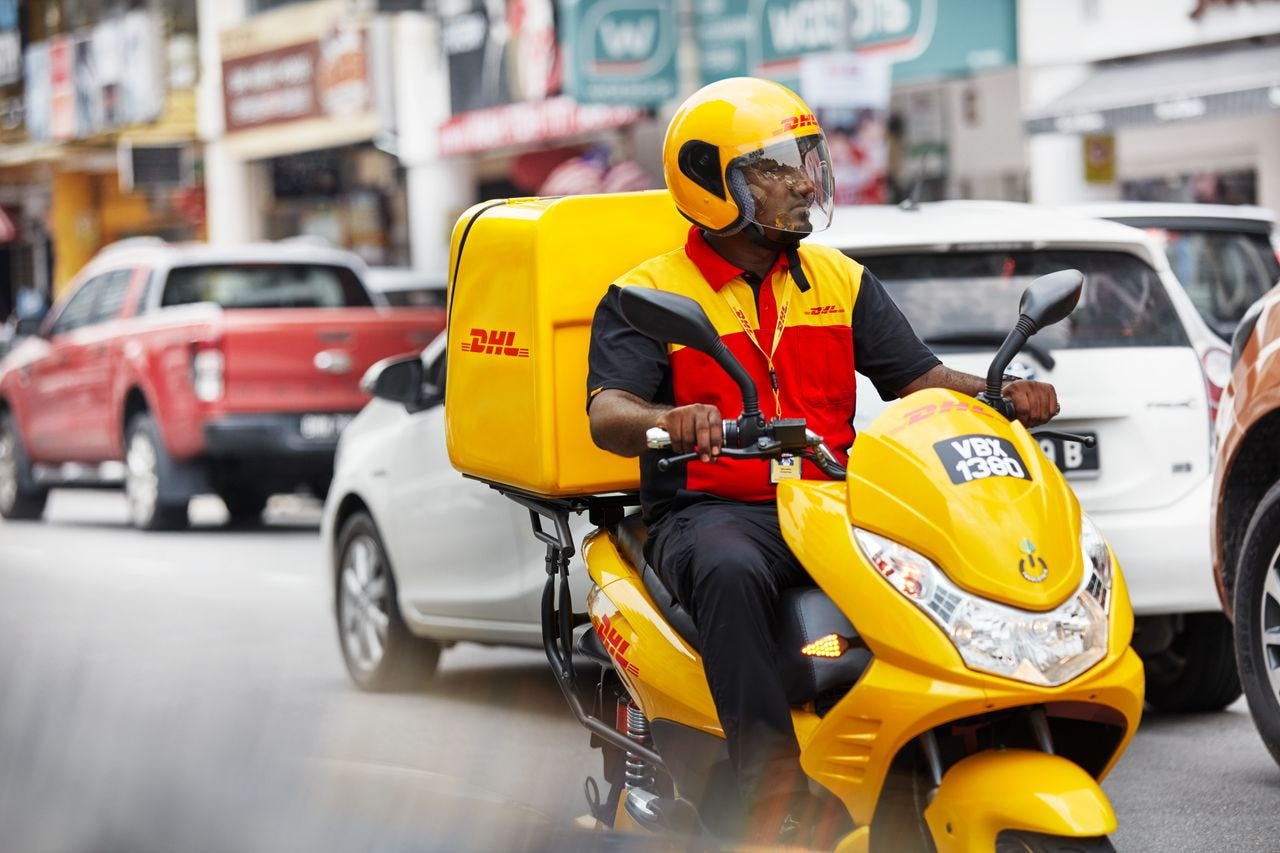
Customer Choice : You can leverage On Demand Delivery (ODD) to give your new customers in these markets greater control over their deliveries.

Smooth Handoffs : Having all your shipping data consolidated in one place makes it significantly easier to pass customs audits conducted by authorities like the CBIC.

Real-time data is the only way to manage a complex, multi-jurisdictional supply chain. It provides the control needed to act decisively when circumstances change.


Is your supply chain ready for 2027?

Use this 5-point audit to assess your network's readiness for the upcoming year. A proactive China Plus One Strategy requires regular evaluations to remain effective.

Audit Area

Key Question

Expert Insight

Trade Laws

Have you found the trade deal with the lowest tax?

Improving your tax structure helps your total costs stay low.

Ports and Power

Does your new hub have the power and port space you need?

Checking infrastructure ensures your work never stops.

Digital Tools

Are your systems linked with a global partner for live views?

Live data helps you find delays and fix them fast.

Tax Limits

Are you using local duty-free limits to save money?

Using these thresholds can lower costs for small sales.

Emissions

Are you using green warehousing to meet your goals?

Lowering your emissions helps you meet new environmental laws.

Audit Your Network Today

Establishing a secondary hub is a prudent strategic decision that protects your business's future. You do not have to navigate these new regulatory landscapes alone. Relying on a single country for your entire production exposes your 2026 profitability to unnecessary risk.

Review your current trade routes and factory locations. If costs are rising or your speed-to-market is declining, it is time for a strategic adjustment. We will help you map your nodes and secure your business for 2027.


Frequently Asked Questions

It's a supply chain management strategy to increase resilience by adding a second production base in a new country, such as India, while maintaining your primary base in China. This helps avoid over-dependence on a single location and mitigates trade risks.

Plus X is an evolution of the strategy where a business establishes more than one additional hub. For example, you might have your main factory in China and smaller assembly or distribution hubs in India and another ASEAN country.

The Regional Comprehensive Economic Partnership (RCEP) is a trade agreement among 15 Asia-Pacific nations. It harmonises rules of origin and reduces tariffs, making it simpler and more cost-effective to move products between your different hubs within the trade bloc.

You can use MyDHL+ to see all your shipments on a single dashboard. It provides live data on your cargo's location, whether it's in China, India, or any other hub in your supply chain network.