- Credence Research, Apr 2025
- OEC, Jul 2025
- FDA Gov, Jan 2018
- PMDA
- FDA Gov, Jan 2024
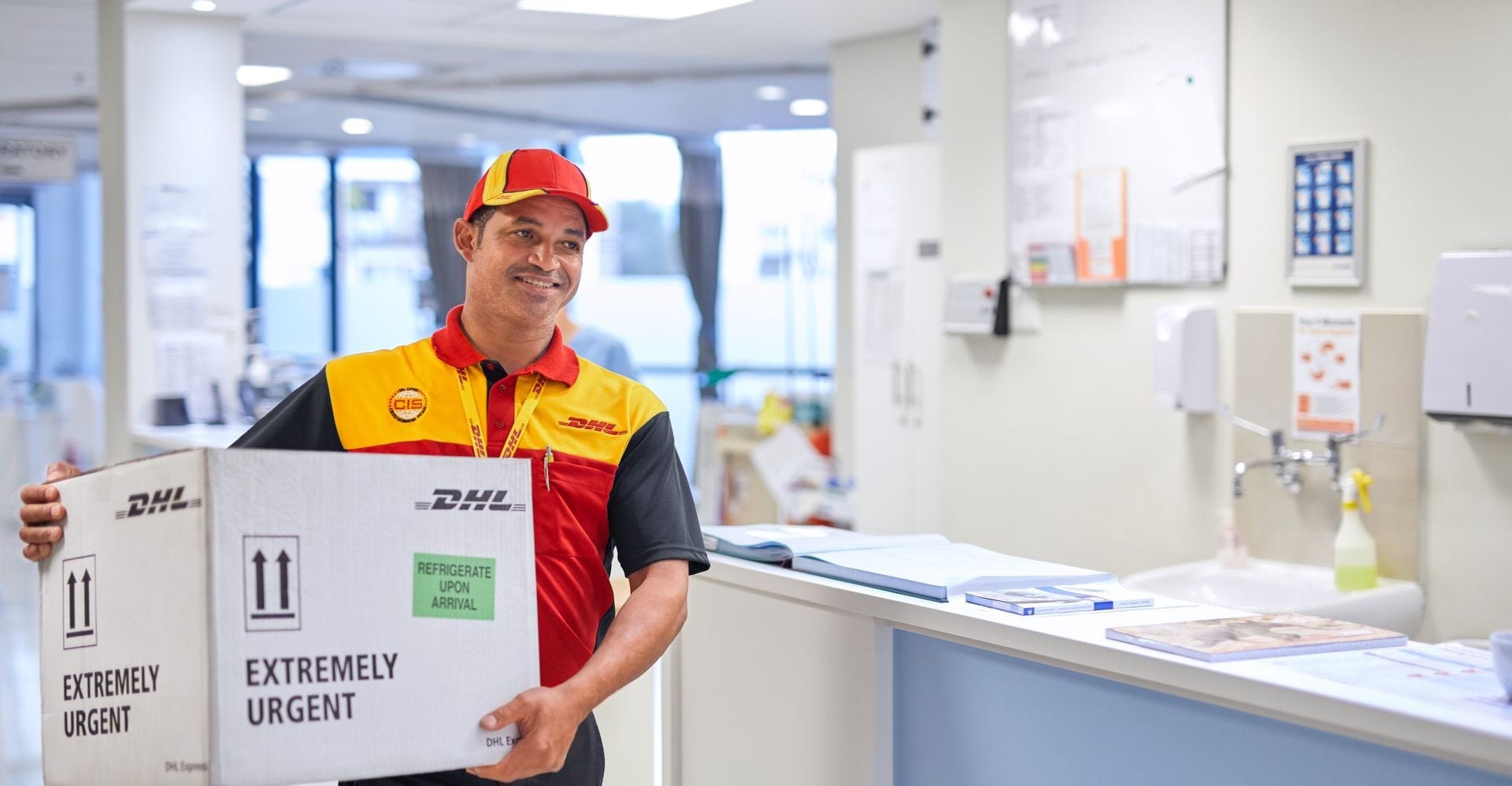
Successfully navigating international medical device shipping requires a solid understanding of regulatory requirements, essential documentation, and proper packaging. This guide will walk you through each step and explain why partnering with an experienced international shipping provider is key to ensuring efficiency, compliance, and peace of mind.
Japan’s reputation for producing high-precision, world-class medical devices is globally recognized.1 From advanced diagnostic equipment to meticulously manufactured surgical instruments, the demand for Japanese medical technology in the US healthcare market has never been higher.
The scale of this opportunity is staggering. Data from 2024 reveals that Japan exported medical instruments worth ¥877 billion, making it the nation's 19th most valuable export category. The primary destination for this remarkable output was the United States, which accounted for ¥289 billion of those shipments. The US was also the fastest-growing market for these exports between 2023 and 2024, with an increase of ¥52.6 billion.2
This presents a significant opportunity for Japanese manufacturers and distributors. However, bridging the Pacific is a complex process where regulatory compliance, product sterility, and safety are crucial. Mistakes in this domain can lead to costly delays, customs seizures, and, most critically, a compromise in patient care.
Shipping medical equipment overseas, especially specialized devices classified as surgical instruments, requires compliance with strict international regulations designed to protect patients and uphold healthcare standards. In Japan and the US, two key regulatory bodies oversee these processes: the PMDA (Pharmaceuticals and Medical Devices Agency) and the USFDA (The Food and Drug Administration, Department of Health and Human Services, Government of the United States of America).3
Before a medical device can be considered for export, it must be fully compliant with Japan's domestic regulations. The PMDA is responsible for ensuring the quality, efficacy, and safety of all pharmaceuticals and medical devices manufactured and marketed in Japan.4 This means that any device you intend to ship must have already met the stringent standards for approval within the Japanese market. This domestic compliance is the foundation upon which your export strategy is built.
Once your medical device shipment arrives in the United States, it is subject to oversight by the US Food and Drug Administration (FDA)—the federal authority responsible for regulating the importation of all medical devices to ensure their safety, effectiveness, and compliance with public health standards.5
FDA regulation is comprehensive and non-negotiable. Devices must undergo classification, premarket review (if applicable), and meet stringent quality system requirements. For your shipment to be cleared without delay, the following key elements must be in place:
It is crucial to understand that the importer, the product, and the manufacturer must all be fully compliant with these FDA regulations for medical devices. Any discrepancy can result in an immediate hold on your shipment at the port of entry.
When importing or exporting medical equipment overseas, documentation is essential for customs clearance. Incomplete or inaccurate paperwork is the leading cause of customs delays, shipment holds, or rejections by US authorities. For shipments involving surgical instruments or any regulated medical device, all documents must be precise, complete, and fully compliant with FDA and US customs requirements.
A commercial invoice is an important document in international trade, serving as the official bill between the exporter and importer. It provides customs authorities with essential information to assess duties, taxes, and ensure regulatory compliance. For medical device shipments, the commercial invoice must be detailed and accurate to prevent delays or clearance issues.
Required details for medical device invoices include:
Including all these details helps customs authorities quickly verify the shipment’s contents and ensures smooth processing across borders.
For all medical devices entering the US, the Food and Drug Administration (FDA) requires Prior Notice (PN) before the shipment arrives. This alert allows the FDA to assess incoming products and allocate resources for inspection or release as needed.
Critical information that must be submitted and reflected in the shipping documents includes:
Failure to include these registration numbers may trigger automatic detention at the US port of entry.
An Air Waybill is a non-negotiable document issued by the air carrier or logistics provider. It serves as a receipt of goods, a contract of carriage, and a tracking reference throughout the shipment’s transit. For medical device exports, the AWB ensures traceability and communicates handling instructions such as "Fragile," "Sterile," or temperature control requirements. It typically includes:
Although not used to assess customs duties, the AWB is essential for transportation and coordination between shippers, carriers, and customs authorities.
A Certificate of Origin (COO) is sometimes required, particularly if claiming preferential tariff treatment under a free trade agreement or to confirm the product's origin for regulatory purposes. While not always mandatory for medical devices, it may be requested by:
When included, this certificate must clearly state the country where the medical device was manufactured and be signed by an authorised body (e.g. Chamber of Commerce)
While not required by the FDA, a packing list helps customs officers quickly identify the contents of the shipment and cross-check against the invoice.
It should include:
For consolidated shipments or multiple SKUs, this document is especially useful during inspection.
For medical devices or surgical instruments shipped in a sterile state, providing accurate sterilization documentation is a critical regulatory requirement. Manufacturers must validate their sterilization processes and maintain detailed records demonstrating compliance with sterility standards.
In the United States, devices labeled as sterile typically include this information as part of a 510(k) premarket notification submission to the FDA. This documentation proves that the sterilization method used is both effective and consistent with FDA-approved protocols.
To ensure smooth customs clearance, manufacturers should have the following information ready at shipment:
This documentation is closely reviewed by both the FDA and US Customs and Border Protection (CBP). Missing or incomplete records may result in shipment holds, inspection delays, or rejection at the port of entry.
When packing a shipment for international shipping, especially medical devices, maintaining both physical protection and sterility is critical. The journey exposes devices to risks such as impacts, pressure changes, and temperature fluctuations — making proper packaging a non-negotiable part of compliant medical equipment delivery. Each packaging layer plays a vital role in safeguarding product integrity from origin to destination.
The primary packaging is the first layer and comes into direct contact with the medical device. It typically consists of a sealed, medical-grade pouch or rigid tray designed to maintain a sterile environment. This sterile barrier system must be validated, and its integrity must remain intact upon arrival. Any breach in this layer compromises sterility and may result in rejection or reprocessing.
The package is then enclosed within a rigid, protective container, which shields it from external forces that could compromise the barrier. This protective layer is designed to withstand punctures, compression, and impacts during handling. To prevent internal movement, custom foam inserts or molded trays are often used to stabilize the instrument within the box, reducing the risk of transit-related damage.
The final layer is the outer shipping carton—a new, high-strength corrugated box built to endure international shipping conditions. This carton must be clearly labeled with all required markings, including “Sterile,” “Medical Device,” or biohazard symbols where applicable. Labels should also include handling instructions and accurate shipping details to support smooth customs inspection and regulatory compliance.
Shipping medical devices across borders demands more than speed—it requires deep regulatory insight, airtight logistics coordination, and unwavering reliability. DHL Express delivers on all fronts, making it the trusted partner for Japan’s medical device exporters.

Successfully shipping medical devices from Japan to the US rests on the three key pillars: regulatory compliance, meticulous documentation, and protective packaging. In such a highly regulated and time-sensitive industry, partnering with an experienced logistics provider is essential.
DHL Express Medical Express (WMX) is a specialized solution tailored for the Life Sciences and Healthcare sector, addressing the unique requirements of time-and-temperature-sensitive shipments. With industry-specific handling, end-to-end visibility, and deep regulatory expertise, DHL Express ensures the medical devices arrive safely, compliantly, and on schedule.
Learn more about DHL's dedicated healthcare logistics solutions and open a business account with DHL Express Japan today to ensure your medical devices are in the safest hands.


 Share
Share