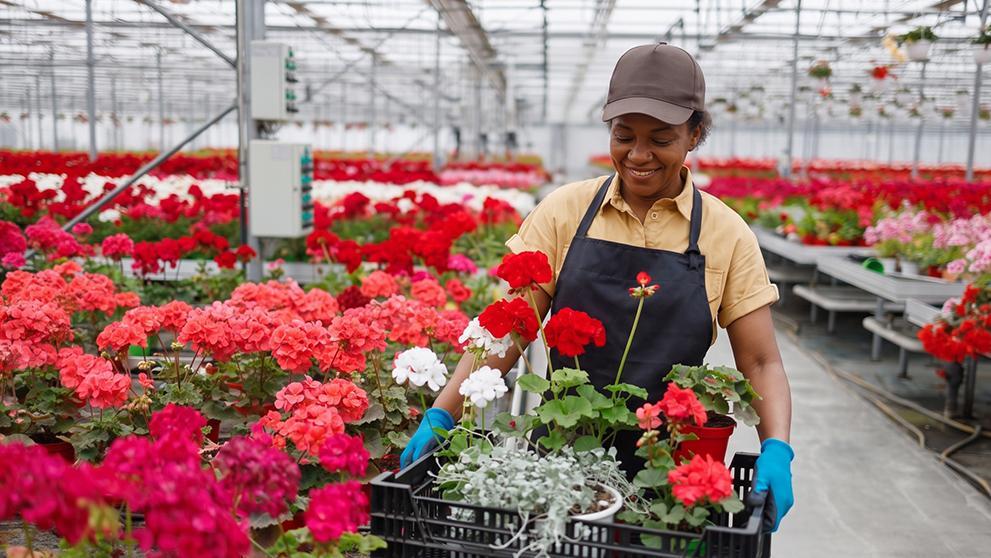
A box of roses can leave a farm in Naivasha looking perfect, yet reach its destination with a shorter vase life than expected. The same can happen to avocados, French beans and other fresh produce grown for export. Quality may begin to decline before the aircraft has even left Nairobi.
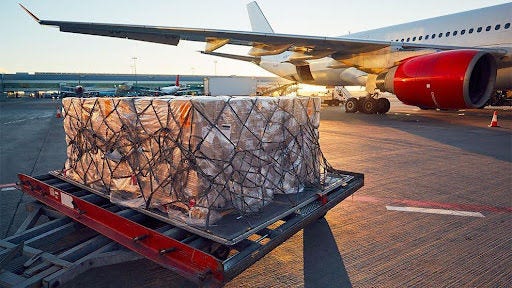
The trip from packhouse to aircraft is short compared with the international flight, but it includes some of the shipment’s most sensitive stages. Produce moves from pre-cooling into cold storage, then into a refrigerated vehicle, through airport handling and, finally, onto the aircraft.
Each handover brings a risk of delay, temperature fluctuation or physical damage. Nairobi traffic, incomplete documentation or an unexpected flight change can turn a carefully planned shipment into a costly problem.
For exporters, speed alone isn’t enough. The product must remain within the correct conditions throughout the journey. Every handover needs to be coordinated, and clear records should show where the shipment was, who handled it and whether the cold chain was maintained.
Start with the produce and its destination
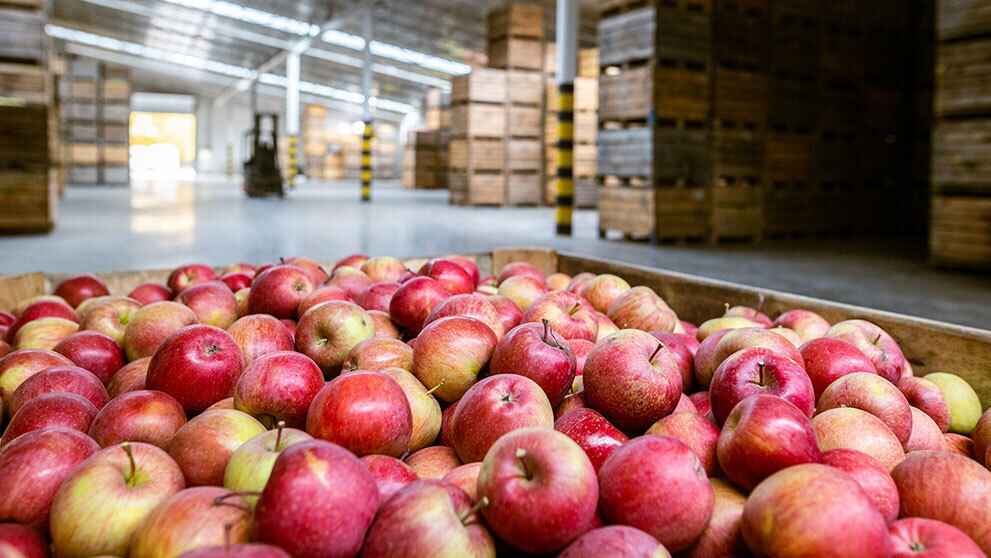
There is no single handling standard that works for every Kenyan fresh-produce shipment. Roses, avocados and French beans have different requirements for temperature, humidity, ventilation and physical handling.
Start with the product, the buyer’s specifications and the rules of the destination market. Before shipping, agree on:
The required temperature range
Packaging and ventilation
Maximum time outside controlled conditions
Inspection and certification requirements
Procedures for handling delays or temperature excursions
Pre-cooling is especially important. It removes field heat before produce enters storage or transport, helping to preserve quality during the next stages of the journey.
A refrigerated vehicle is designed to maintain temperature, not rapidly cool produce that is still warm. Loading produce before it has reached the required temperature can place the entire shipment at risk.
The principle is simple: establish the right conditions at the packhouse, then protect them at every stage that follows.

Plan backwards from cargo acceptance
The flight’s departure time isn’t the most useful deadline for exporters.
Long before take-off, the shipment may need to pass through cargo acceptance, document checks, weighing, security screening and pallet build-up. The more practical planning point is the cargo-acceptance deadline set by the airline or ground-handling agent.
Work backwards from that deadline. Build in enough time for transport from the packhouse, realistic traffic conditions and any inspections or document checks required before acceptance.
Before the refrigerated vehicle leaves, confirm the booking, delivery window and availability of appropriate cold storage at the airport. This is particularly important during peak export periods, such as Valentine’s Day and Mother’s Day, when demand for flower capacity rises sharply.
A clear contingency plan is just as important as the original schedule. If the flight changes, where will the produce wait? Who will arrange a new booking? Who will update the buyer? And how will the required temperature be maintained?
Answering these questions before dispatch gives the exporter more control when plans change.
Protect every handover
Fresh produce rarely loses quality because of one dramatic failure. More often, several small gaps add up: a cold-room door stays open too long, a vehicle is delayed, pallets wait outside controlled storage or paperwork prevents timely cargo acceptance.
That is why handovers deserve close attention.
Before appointing a logistics provider, ask what will happen after the shipment leaves the cold room. Where will it be staged? How long could it wait? How will temperature be maintained during transfer? What procedures apply if aircraft loading is delayed?
Temperature loggers can provide valuable evidence, but only when they are placed correctly and the data is reviewed. Exporters and logistics partners should agree on what counts as an exception, who receives an alert and who has the authority to act.
Collecting data is not the end goal. The real value lies in identifying where conditions changed and responding before the shipment is rejected, downgraded or left with a shorter shelf life.

Choose a logistics provider that understands your product
A refrigerated truck is only one part of an effective cold chain.
When comparing logistics providers, look beyond the vehicle and the quoted price. Ask whether the provider regularly handles your specific commodity and understands its requirements.
A reliable provider should be able to explain:
How vehicles are cleaned and pre-cooled
How shipment temperatures are monitored
How often monitoring equipment is calibrated
What happens when a vehicle breaks down
How quickly temperature exceptions are reported
Whether replacement vehicles are available
You should also know what happens if the shipment reaches the airport before it can be accepted. Will it have access to suitable cold storage, or will it sit waiting under unsuitable conditions?
The cheapest transport quotation may not deliver the lowest overall cost. A single delay or temperature excursion can reduce shelf life, lower the selling price or result in the buyer rejecting the shipment altogether.
Prepare export requirements early
Export requirements for fresh produce vary by commodity and destination.
Depending on the shipment, Kenyan exporters may need to meet requirements set by the Agriculture and Food Authority’s Horticultural Crops Directorate, as well as undergo KEPHIS inspection and obtain a phytosanitary certificate. The destination country may impose additional conditions.
Certifications such as GLOBALG.A.P. or Kenya Flower Council certification may also be requested by certain buyers or markets. These should not be treated as universal statutory requirements, so exporters need to confirm exactly what applies to each shipment.
Paperwork should be prepared alongside the produce, not after it. Confirm the requirements for the commodity and destination well before the truck is due to leave the packhouse.
KEPHIS has emphasised the importance of accurate phytosanitary documentation in helping Kenyan exporters avoid problems at destination. Documentation is therefore part of protecting the shipment, not simply an administrative job to complete at the last minute.
Make every shipment traceable
Keep the dispatch time, vehicle details, temperature records, airport arrival time, inspection documents and handover confirmations under one shipment reference.
If conditions change or a delay occurs, these records make it easier to see where the issue started, take action and provide clear information to the buyer and logistics partners.
For Kenyan fresh-produce exporters, quality protection doesn’t end at the packhouse door. It continues on the road, at the airport and through every handover before the aircraft takes off.
The stronger the cold chain and the clearer the records, the better the chance that roses arrive with their expected vase life, avocados ripen as planned and French beans reach buyers in the condition they expect.
Open a DHL Business Account to access shipping and logistics support for your export business.
FAQs
The ideal temperature depends on the crop, variety, maturity, packaging and your buyer’s specifications. Roses, avocados and vegetables each have different handling requirements, so a one-size-fits-all approach won’t work. Before packing begins, confirm the correct temperature range with your buyer and post-harvest specialists. Getting this right helps preserve quality and shows why efficient logistics matters when moving Kenyan agricultural products to local and international markets.
Book as soon as your harvest plan and preferred flight are confirmed, especially ahead of major flower-export periods such as Valentine’s Day and Mother’s Day. Before the shipment leaves the packhouse, reconfirm your booking, cargo-acceptance window and cold-storage arrangements. It’s also wise to secure backup capacity where possible. That extra preparation can help you avoid costly delays and build a more resilient supply chain.
The documents required will depend on the product and destination. They may include a commercial invoice, packing list, air waybill, certificate of origin, relevant export registration or licence, and a phytosanitary certificate from the Kenya Plant Health Inspectorate Service (KEPHIS). Checking each requirement early can prevent delays at customs. DHL Kenya’s export paperwork checklist provides useful guidance on the documents needed to keep goods moving through the export process.


 Share
Share

Similar Stories