It depends on whether the country uses CIF or FOB for its calculation. In Myanmar, the CIF method is generally used, so if your shipping costs push the total over the limit, you will likely have to pay duties.

De Minimis Demystified: Low-value thresholds can allow shipments to enter markets duty-free, which helps to reduce your total landed cost calculation.
The 2026 Shift: Key markets have recently lowered these limits. Staying updated on de minimis thresholds for 2026 is critical for regional trade.
Compliance Edge: It is advisable to use automated tools like My Global Trade Services (MyGTS) to calculate duties upfront and provide transparent pricing at checkout.
Strategic Solutions: Discover how DHL customs clearance services like Break Bulk help you manage low-threshold markets without losing margin.
Cross-border shipping can encounter difficulties when customers face unexpected taxes. These hidden costs can trigger high return rates and may damage your brand reputation. This guide explains how to use duty-free import limits to keep your international trade profitable and your customers satisfied.
A de minimis threshold is the specific valuation limit where a shipment is considered too small for customs to collect duties or taxes. It is essentially a duty-free pass for low-value goods entering a country. Given the evolving regulatory environment in Myanmar, understanding this concept is very important.
Unexpected Costs : If your shipment value stays under this limit, your customer avoids unexpected costs.
Calculation Methods : Customs authorities use two primary methods to calculate this value.
Target Markets : You must know which one applies to your target market to avoid pricing errors.
Automation : MyGTS identifies these limits automatically while you prepare your waybill to keep things simple.
Calculation Method | What is Included? | Impact on Tax |
|---|---|---|
CIF (Cost, Insurance, Freight) | Product value plus shipping and insurance costs. | Reaching the limit is easier, meaning more shipments get taxed. |
FOB (Free on Board) | Only the value of the physical product itself. | Shipping costs are excluded, often allowing higher‑value goods to enter duty‑free. |
Most APAC customs regulations specify a preferred method. In Myanmar, the value for customs duty is typically calculated based on the CIF value. Shipments that do not meet documentation or packaging requirements risk being held at customs, delayed, or returned at the shipper's expense.customs.gov.mm.
Governments are lowering these duty-free limits to capture more tax revenue from the booming e-commerce sector. This shift helps protect local retailers and ensures digital trade contributes to national budgets.
Lowered Limits: Some countries in the region have moved to models that tax even the smallest imports.
Category Shifts: Other major economies have changed their approach for specific high-growth product categories.
Digital Tracking: Customs offices now use AI to monitor the frequency of low-value shipments to a single person.
Real-time Updates: Our DHL Express Global Trade Services provide real-time updates on these shifting rules.
You don't have to monitor dozens of customs websites every morning. We handle the data so you can focus on growing your sales and your brand.
Every market in the region sets its own unique rules for what qualifies as a duty-free import. There is no single regional standard for these values, and they can change.
Myanmar's Limit: The current de minimis threshold in Myanmar is generally considered to be very low. [Reviewer Note: Please verify the current de minimis value with the Myanmar Customs Department as regulations are subject to change.
Tax Registration: Businesses importing into Myanmar must be aware of their obligations regarding Commercial Tax, which applies to most goods.
Strict Exclusions: Certain items like tobacco or alcohol never qualify for duty-free import limits regardless of their value. Importers of agricultural goods should also ensure all certifications, such as phytosanitary certificates, are from authorities recognised by Myanmar's current framework.
Partner Support: Managing these differences manually is nearly impossible for a growing business. A knowledgeable local partner or Licensed Customs Agent is essential, particularly during busy periods or before national holidays like the Thingyan Water Festival, which can halt operations.
Understanding APAC customs regulations helps you decide which markets are the most profitable for you. A partner that tracks these nuances allows you to set clear expectations for your buyers before they hit the buy button.
Your total landed cost is the complete price of getting a product to your customer’s door. Shipping rates are only the starting point.
Additional Factors: When a shipment exceeds the limit, you must factor in import tax, Commercial Tax, and handling fees.
Margin Erosion: A variance of 105,000 MMK per shipment can quickly vanish your profit.
Customer Friction: Unexpected fees at the door are the primary reason for refused deliveries and negative reviews.
DDP Solutions: Using our Delivered Duty Paid (DDP) service lets you pay the taxes on behalf of the customer for a smoother experience.
We recommend using the DHL Landed Cost Calculator to get these numbers right. An accurate total landed cost calculation ensures your international pricing remains competitive. Plus, it prevents your profit margins from disappearing due to hidden fees.
Intentionally lowering the declared value of your goods to avoid taxes is a serious compliance violation. Modern customs offices, including the MCD, use advanced data tracking to spot inconsistencies.
Heavy Penalties: Customs can seize the goods or issue large fines that often exceed the value of the shipment.
Legal Responsibility: Under "Reasonable Care" clauses, the merchant is held responsible for all data accuracy.
Blacklisting Risk: Frequent misdeclarations can lead to your business being barred from certain shipping lanes.
Reputation Protection: Our compliance team reviews your commercial invoices to help you stay within the law.
Accuracy is your best protection against border delays at entry points like Yangon Airport. It ensures your goods keep moving through DHL customs clearance without being flagged.
You can maintain high margins by choosing shipping methods that bypass traditional bottlenecks. If a target market has a very low threshold, sending items one by one can become expensive.
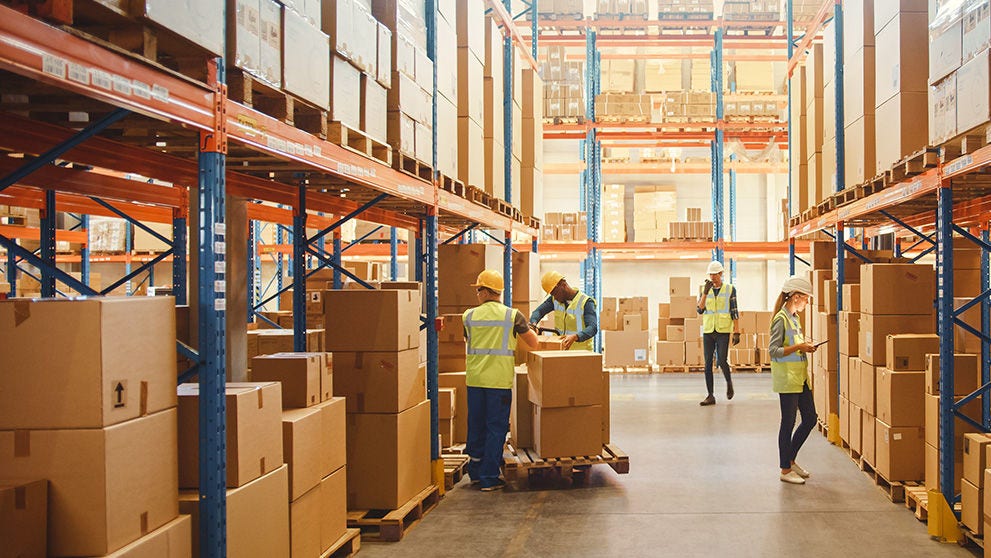
Break Bulk Solutions: Consolidate many small orders into one large shipment to clear customs as a single entry before local split.
Local Warehousing: Ship a large batch to a warehouse inside the country to clear customs once and offer local speed.
API Integration: Integrate our tax calculation tools directly into your shopping cart to collect Commercial Tax at checkout.
Strategic Hubs: These strategies are essential if you are managing outbound freight from industrial zones around Yangon.
These models allow you to compete with local sellers on both price and delivery speed. We help you choose the right model for every market.
Hidden costs are a choice. If you rely on guesswork for international taxes, you leave your customer experience at risk. DHL customs clearance is your best defence against unpredictable fees. Speak to a DHL specialist today to check your shipping lanes and reach your customers with confidence.
It depends on whether the country uses CIF or FOB for its calculation. In Myanmar, the CIF method is generally used, so if your shipping costs push the total over the limit, you will likely have to pay duties.
Customs authorities often view this as structured shipping to avoid tax. They track shipments to the same address and can aggregate the values, which may lead to fines or delays.
You can use the search tools in MyGTS to find the Harmonised System code that fits your item. Getting this code right is vital for determining the correct tax rate and duty-free status.
Yes, if you use our DDP (Delivered Duty Paid) service. We handle the payment at the border and bill you later, so your customer doesn't have to pay anything at the door.


 Share
Share