Somewhere between your warehouse and your customer’s doorstep, your package will pass through countless hands, conveyor belts, and checkpoints. At every stage, the waybill is its only voice. When packaging fails, what arrives isn’t your product, it’s a problem.
Damage in transit is more common, and more expensive, than many businesses realise. Industry data reveals that about 11% of all goods reach distribution centres with some degree of damage. In 2024 alone, an estimated 85 million parcels arrived dented, cracked, or compromised. The financial impact doesn’t stop at replacing the product: According to Amcor, a single damaged item can cost a business up to 17 times its original shipping fee once you factor in customer service, returns, and reshipment. The reputational cost is just as steep, 57% of consumers say a damaged delivery would make them think twice before ordering from a retailer again.
The good news? Nearly all of this is preventable. The DHL Express network is designed to move shipments quickly and safely, using automated facilities, standardised vehicles, and commercial aircraft. But that system depends on one thing: the right packaging. That responsibility starts with the shipper. Here are five essential principles that separate packages that arrive perfectly from those that don’t.
1. Your product box isn’t a shipping box
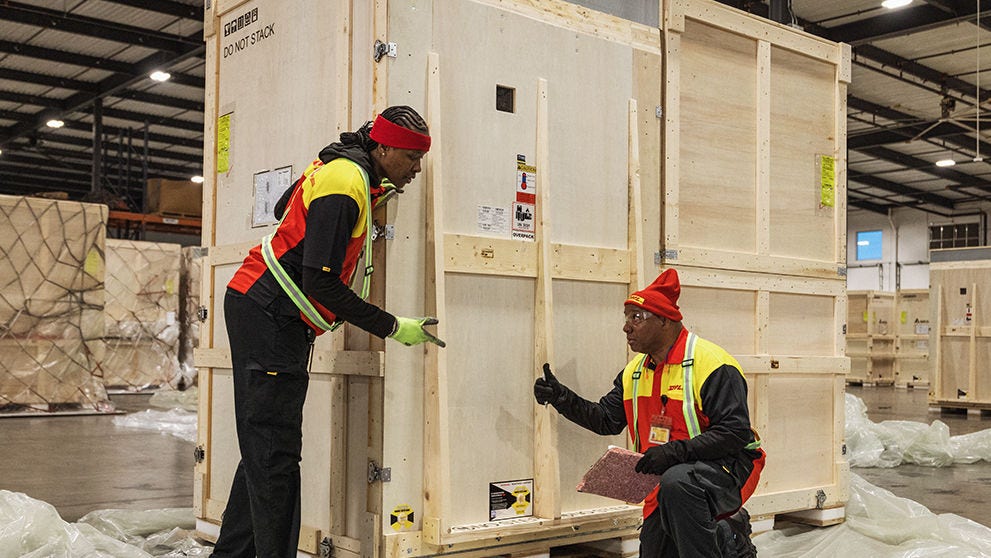
Product packaging is designed for shelf appeal or bulk pallet delivery, not the handling rigours of express shipping. For lighter goods, choose a new, sturdy corrugated box that leaves at least 6cm of space on all sides for cushioning. For heavier or fragile items, double-walled boxes are the starting point. Shipping something over 70kg? It needs a wooden crate or pallet. The box must support the full weight of its contents, including when stacked. Reused or weakened boxes are a leading cause of in-transit failures, always start with fresh materials.

2. Movement inside the box is where damage starts
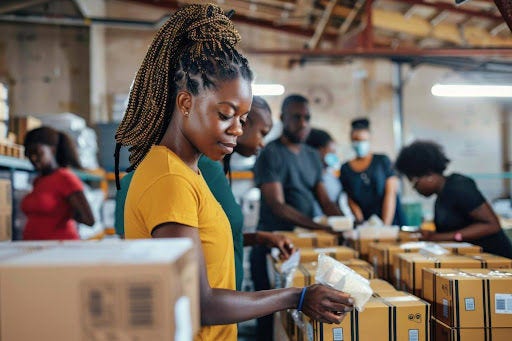
Vibrations, bumps, and tilts during transit target under-packed boxes. Any gap between your product and the outer box is a weak point. Start by lining the base with a generous layer of protective material, bubble wrap, foam blocks, or packing chips. Place your item on this cushion, then fill every remaining space until nothing shifts when the box is shaken. For fragile or valuable items, wrap them individually before boxing, and use two types of cushioning: bubble wrap for direct contact, and packing chips to fill the gaps. The goal: zero movement from sealing to delivery.
3. Hope isn’t a sealing strategy; tape matters
Tape is often overlooked, but it’s critical for a secure package. One strip across the centre seam isn’t enough. For international shipping, use the H-taping method: one strip down the centre seam, plus two strips across each edge seam, on both the top and bottom. For heavier packages, add extra strips for reinforcement. Corners and edges absorb the most stress, so don’t skimp. Always use strong, wide packing tape, never masking or office tape.
4. Barcodes are your shipment’s passport keep them clear
Your waybill barcode is scanned at every checkpoint. If it’s covered, creased, or obstructed, your shipment could be delayed or misrouted. Always attach the waybill flat on the top of the box, fully visible and unobstructed. Just as important: remove or cover any old labels or barcodes from reused boxes. Scanners will read whatever they find. For special shipments, fragile, temperature-sensitive, or upright-only, use clear handling labels on all visible sides, not just the top. Your commercial invoice should be in a sealed pouch on the outside, so customs and DHL teams can access it without opening your shipment.

5. Don’t let boxes overhang the pallet, strength starts with the right fit
How you pack determines how well it survives. Ensure your shipment has a flat, stable top that can bear weight without collapsing. Odd shapes or non-stackable boxes can incur surcharges and slow down handling. When palletising multiple boxes, column stacking, aligning boxes corner-to-corner and edge-to-edge, offers better strength than pyramid or interlocking stacks. And always keep boxes within the pallet’s footprint; any overhang reduces strength by up to 30% before it’s even touched.
Every damaged shipment is more than just a claim. It costs you time, trust, and the customer’s confidence. Pack right with DHL from the start, and your waybill will always have something worth delivering.


 Share
Share
Similar Stories