#SmallBusinessAdviceDhlDiscoverNigeria



 Share
Share
How Nigerian FMCG Brands Can Lead the Sustainability Charge
Share

Sustainability isn’t just a buzzword, it’s quickly becoming the backbone of business strategy worldwide. Nigerian fast-moving consumer goods companies are feeling that shift right now.
Pressures are mounting from every direction: governments are tightening regulations, global investors are demanding real proof of ESG performance, and today’s consumers are more selective than ever about which brands they trust with their money. For FMCG businesses in Nigeria, this is not some distant concern. It’s shaping investment flows, supply chain priorities, and the very future of competition.
Nigeria’s consumer market is one of Africa’s most vibrant and fastest-growing, yet sustainability challenges threaten to slow its momentum. The stakes are high. Companies that don’t adapt risk losing ground with international partners, investors, and regulators who are raising the bar on environmental responsibility.
Understanding the Gaps
For Nigerian FMCG players, the journey toward global sustainability targets starts with a candid look at the current landscape. The recycling rate in Nigeria hovers below 10%, leaving most packaging waste outside the formal recycling system. Many manufacturers still lack access to clean, reliable energy, making it tough to shrink their carbon footprint. While consumer demand for eco-friendly products is rising, it hasn’t yet reached the critical mass needed to drive real market change. And with Nigeria’s vast geography and infrastructure challenges, transportation and distribution emissions often go unchecked.
What Global Sustainability Targets Really Mean
When sustainability targets are discussed, it’s more than just a checklist. It’s about aligning with frameworks like the UN Sustainable Development Goals, following through on net-zero pledges from global climate summits, and meeting the increasingly sophisticated ESG criteria used by major investors. In practice, this means setting, and hitting, milestones: achieving net-zero emissions by 2030 or sooner, ensuring all packaging is reusable or recyclable, reducing carbon per unit produced, and making measurable progress across social and governance factors, not just the environment. Investors are watching. Partners are watching. Those who can show tangible ESG results are already reaping the rewards in capital and collaboration.
Turning Ambition into Action
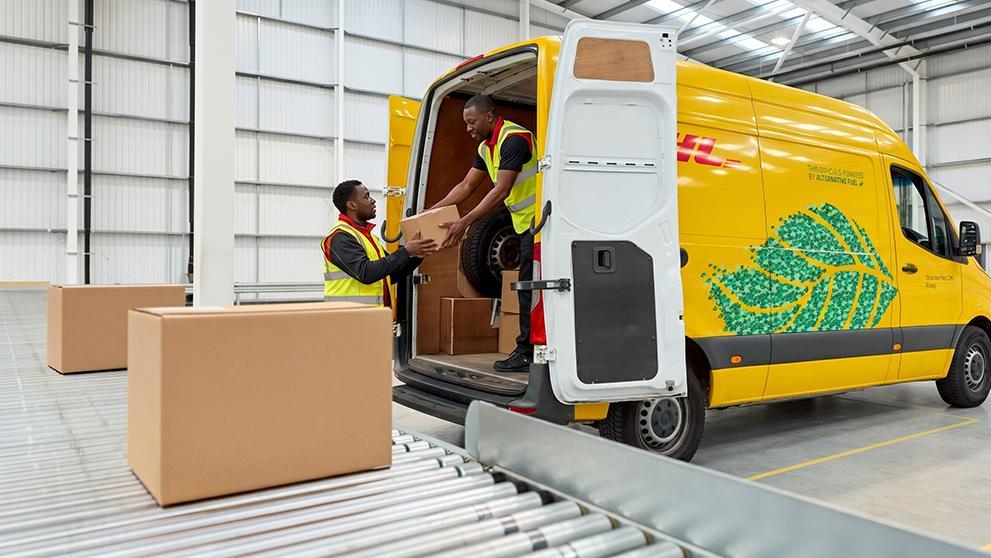
The blueprint for meeting these goals is clear, and the first steps are within reach. FMCG companies can start by switching to eco-friendly packaging, increasing the use of recycled materials, and powering facilities with renewable energy.
Sustainable procurement, working only with suppliers who meet strict environmental standards, extends this commitment up the supply chain.
On the logistics front, major gains can be made by greening transportation and adopting reverse logistics. This means using vehicles and routes that minimize emissions, optimizing packaging and warehousing, and creating systems to collect and reuse materials after consumption. Research shows that FMCG companies investing in green logistics, across production, sourcing, transportation, and recycling, see a real, measurable improvement in their environmental performance.
Learning from the Leaders
Global and local trailblazers are already showing what’s possible. Nestlé is pushing toward 100% recyclable or reusable packaging. Coca-Cola has pledged to collect and recycle a bottle or can for each one it sells by 2030. Unilever is aggressively reducing its use of virgin plastics, aiming for all packaging to be reusable, recyclable, or compostable.
Here in Nigeria, the momentum is building. Nigerian Breweries has cut carbon emissions per hectolitre by more than half since 2008 and has set a bold target for net-zero by 2030. Guinness Nigeria is making strong progress on post-consumer recycling for its cans, bottles, and PET packaging. These achievements prove that when sustainability is treated as a core business priority, Nigerian companies can lead as boldly as their global peers.
Logistics: The Hidden Engine of Sustainability
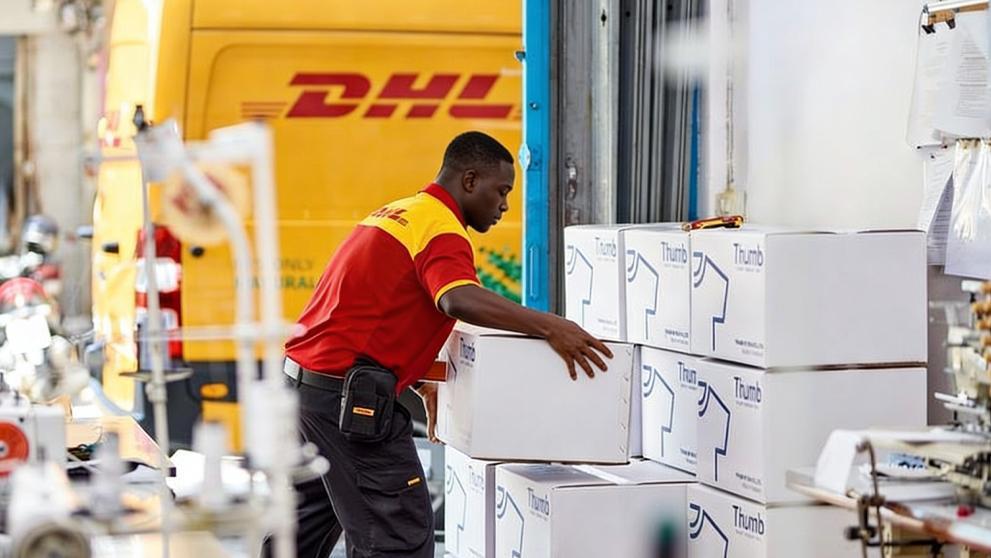
One area often overlooked is logistics. Yet, the right logistics partner can be a game-changer in slashing emissions and boosting ESG credentials.
DHL’s GoGreen solutions, for example, offer a practical roadmap: start with transparency across the supply chain, optimize routes and processes, and gradually switch to emissions-reduced transport options like Sustainable Aviation Fuel and Sustainable Marine Fuel. With real-time measurement and reporting tools, companies can track their logistics emissions, compare alternatives, and demonstrate clear progress to stakeholders.
For Nigerian FMCG companies, partnering with DHL, a logistics provider that’s committed to sustainability, isn’t just about meeting regulations, it’s about building long-term resilience and unlocking new growth opportunities.
The Competitive Advantage of Sustainability
Sustainability is no longer optional. Companies that embrace it now are building business advantages that will compound for years: stronger investor confidence, more resilient supply chains, easier regulatory compliance, and deeper customer loyalty. The tools exist, the roadmap is clear, and pioneering examples, both global and Nigerian, prove that meaningful progress is possible, even in a challenging environment.
Whether it’s rethinking packaging, cutting logistics emissions, or pushing for greener procurement, every step taken today fortifies both business and the planet. For Nigeria’s FMCG sector, the real question isn’t whether to act on sustainability, but how fast, and how boldly, they’re willing to lead.
Frequently Asked Questions
The key difference comes down to location and impact. Carbon offsetting is about compensating for a company’s carbon footprint by supporting environmental projects outside its own supply chain, think reforestation initiatives or renewable energy developments around the globe. In contrast, carbon insetting focuses on direct action within a company’s own operations. Here, the emphasis is on reducing emissions inside the supply chain itself, such as streamlining transport routes or transitioning to low-emission fuels. While both approaches play an important role in decarbonization, insetting actively reshapes the way a business operates at its core.
Absolutely. As a leader in sustainable logistics, DHL delivers the expertise and tools FMCG companies need to embed sustainability throughout their supply chain. With solutions like DHL GoGreen, businesses gain visibility into their logistics emissions and access to advanced auditing tools. Route optimization and the adoption of low-emission transport, powered by options like Sustainable Aviation Fuel (SAF) or Sustainable Marine Fuel (SMF), are seamlessly integrated, providing not just emissions reductions but also verified data for ESG reporting. The result: FMCG companies can transparently track, manage, and lower their supply chain footprint while meeting institutional requirements for environmental and social governance.
GoGreen Plus is DHL’s innovative service empowering shippers to reduce their Scope 3 air cargo emissions by replacing standard fossil jet fuel with Sustainable Aviation Fuel (SAF). Using a robust “Book and Claim” system, DHL sources and inserts SAF into its global network, even if it isn’t available at every individual airport. Customers receive a third-party audited certificate quantifying their exact emissions savings, fully compliant for official sustainability reporting. For Nigerian businesses, this means a practical, transparent pathway to decarbonize their international shipments and demonstrate real climate action.
Yes, sustainable packaging is a core part of DHL’s green logistics portfolio. Customers committed to building a greener supply chain have access to eco-designed packaging that prioritizes recyclability, reduces material waste, and actively moves away from single-use plastics. DHL’s Green Logistics Toolkit offers guidance on package sizing and materials, helping shippers eliminate over-packaging and minimize unused space during transit. The focus is always on practical, climate-conscious options that make sustainability simple and effective at every step.
Share
Similar Stories