New Zealand is a geographically remote yet profoundly globally connected trading nation. While this location gives Kiwi products their unique appeal, the country's heavy reliance on international air and sea freight makes local businesses acutely vulnerable to global shipping disruptions. When such international shipping delays occur, the consequences — from inventory shortages to missed sales — are felt more disruptively in New Zealand than almost anywhere else in the world.
To reduce this vulnerability and help maintain international competitiveness, this guide will provide practical, actionable strategies for SMEs and e-commerce exporters to successfully navigate this volatile environment. These strategies focus on proactively managing customer expectations and reducing exposure to international delivery delays, enabling your business to stay ahead of the logistics challenges and sustain its competitive edge.
What are the common causes of shipping delays in New Zealand
Experiencing shipment delays can be frustrating, but for New Zealand businesses, disruptions and delayed deliveries often stem from unique geographical and structural factors like remoteness and natural hazards. Understanding why these localized shipping problems occur is the essential first step to being prepared, before implementing proactive strategies to mitigate their impact:
1. Weather events in New Zealand
New Zealand's geographical location makes its supply chain uniquely vulnerable to severe weather and geological events. Powerful cyclones, frequent heavy rains, and underlying seismic activity are all common reasons for shipping delays. These hazards directly force either the immediate closure or critical damage of essential infrastructure, including major commercial ports (Auckland, Tauranga) and regional road and rail networks, creating widespread disruptions across the country.
2. Port congestion and infrastructure
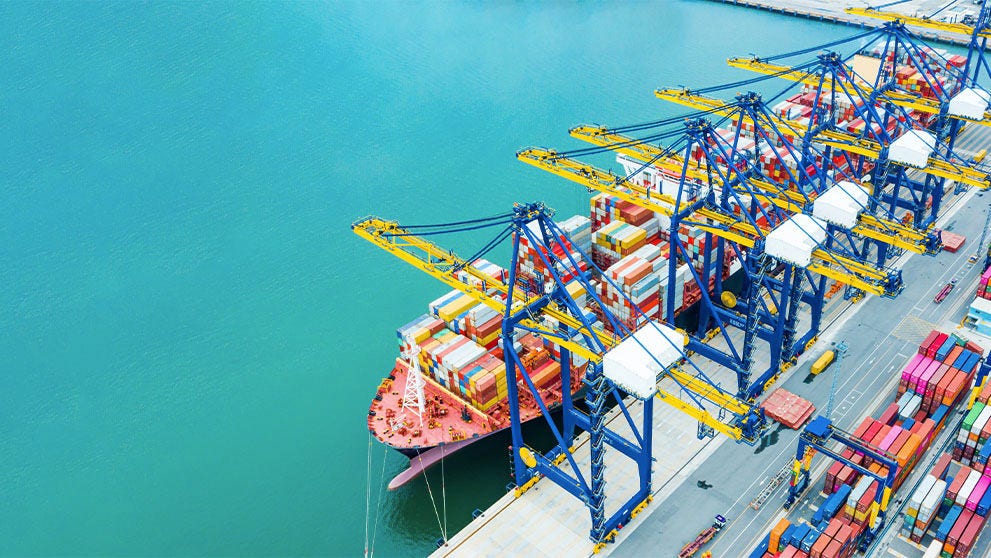
Due to New Zealand's high reliance on maritime trade, delays often stem from port congestion and infrastructure issues at major gateways like Auckland or Tauranga. Labor shortages, limited unloading capacity at older facilities, and system bottlenecks cause extended delays, forcing vessels to wait at anchor and disrupting the entire supply chain schedule.
3. Global supply chain pressures
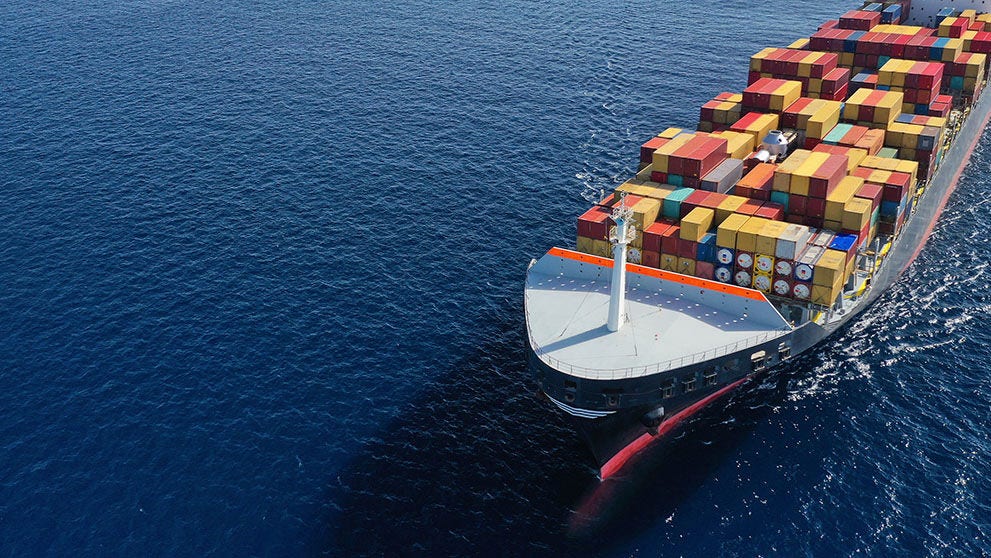
As a remote trading nation, New Zealand's heavy reliance on maritime routes amplifies its global logistics issues. In today’s world, delays in international shipping are often driven by structural shipping disruptions — such as geopolitical tensions causing rerouting and major trade policy shifts. These global events cause ocean freight bottlenecks, leading to unpredictable vessel schedule changes (blank sailings) and chronic container shortages on Oceania routes, dramatically impacting lead times for Kiwi exporters.
4. Peak shipping seasons
Seasonal volume spikes are a significant cause of international shipping delays, and New Zealand faces unique challenges due to overlapping global and domestic holidays. Major international peaks like Christmas, Black Friday/Cyber Monday, and Chinese New Year place extreme stress on global air and sea networks. Additionally, this pressure is compounded locally by statutory holidays, such as regional Anniversary Days, King's Birthday, and Matariki.
How shipping delays impact New Zealand businesses
When supply chains fail to meet expected timelines, the consequences for local businesses, particularly e-commerce sellers, are immediate and severe:
- Export market reputational damage: For SMEs exporting to Australia, Asia, and the U.S., delays directly threaten their brand reputation. This occurs because failure to reliably meet delivery commitments immediately damages buyer trust, significantly increasing the risk of losing long-term international contracts.
- Compounding cost implications: Disruptions carry direct financial penalties beyond just freight charges, including unexpected storage fees, increased administrative costs for customer support, and mandatory refunds or discounts due to lost sales.
- Customer experience challenges: Long, unpredictable lead times create friction in a competitive global e-commerce environment. When delivery reliability is compromised, businesses struggle to meet rising consumer expectations for both speed and transparency, which are now non-negotiable standards.
Strategies to manage shipping delays
Unfortunately, delays are a persistent reality of international shipping. Rather than waiting for a disruption, businesses must implement resilience strategies such as the following to protect their brand and customer base:
1. Manage expectations
Overpromising delivery times is the fastest way to damage brand reputation and lose customer trust. Instead of setting unrealistic expectations, businesses should prioritize honesty and integrity by providing accurate delivery timelines in checkout flows. This proactive transparency is the most effective way to manage expectations, helping to minimize the negative impact of shipping delays and ultimately increasing customer retention and securing a competitive edge.
2. Proactive communication
Regardless of management strategy, communication plays a critical role in consumer satisfaction. Since customers should never be left in the dark, contacting them should be the first action taken when there are shipping delays. Businesses must utilize automated updates and any New Zealand-specific SMS/email alerts possible to maintain regular communication. This provides instant transparency and sets the stage for service recovery, significantly improving the overall customer experience.
3. Contingency planning
Contingency planning is an essential measure for building supply chain resilience against unpredictable shipping disruptions. Businesses should adopt dual sourcing (using backup suppliers) to ensure continuity if one source is compromised by geopolitical or natural hazards. They should also implement split shipments, which means strategically dividing larger orders and utilizing both sea and air freight across their international shipping services. This proactive mix of transport modes and sources is the best way to safeguard against single-point failures and ensure end-to-end supply chain agility.
4. Inventory management
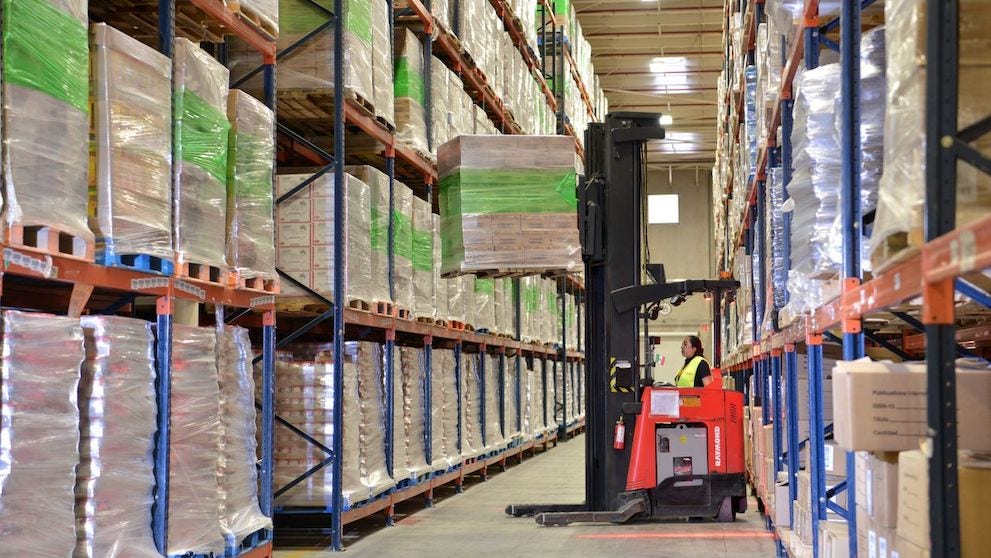
Effective inventory management moves beyond simple warehousing; it’s a strategic defense against localized shipping disruptions. Holding stock in regional fulfillment centers outside New Zealand (and closer to key export markets) provides a critical advantage, allowing businesses to bypass New Zealand-specific shocks like port congestion or biosecurity holds. This strategy converts potential overseas shipping delays into sustained competitive services, securing faster fulfillment and guaranteed reliability, while simultaneously lowering long-term storage costs and building critical brand loyalty.
5. Technology tools
The financial risk associated with poor delivery service is significant, often leading to customers abandoning the business entirely after one negative experience. This means that transparent updates and effective service recovery are non-negotiable, and technology provides the essential solution. Businesses must leverage:
- Shipment tracking platforms: These provide constant, end-to-end visibility of goods in transit, which is key to proactive customer service and managing expectations before shipping delays escalate.
- Predictive Analytics: Utilizing data helps businesses forecast potential supply chain issues before they occur, enabling preemptive rerouting and better logistics management to avoid disruptions.
- DHL On Demand Delivery (ODD): This tool provides the ultimate solution for flexibility, allowing customers to reroute, reschedule, or designate a drop-off point, ensuring the package is received on the first attempt and significantly improving the overall experience.
Preparing for peak seasons in New Zealand
Ultimately, proactive logistics management starts with detailed planning and understanding specific local pressure points. Here’s how you can handle complex peak season shipping delays:
- Forecasting and demand strategy: Accurately forecast demand spikes and pre-book spaces with international courier services well in advance. This action ensures stable capacity, protecting your profit margins from last-minute surge pricing and service failures.
- The New Zealand peak calendar: Integrate all local statutory holidays (like Matariki) with global spikes such as Christmas and Black Friday into your schedule. By doing so, you mitigate the risk of compliance issues and eliminate unexpected network congestion.
- Speed and diversification: To guarantee delivery, prioritize moving standard stock early via sea freight and rely on express services only for critical, last-minute, or high-value international shipments. This split strategy maximizes cost-efficiency for bulk orders while guaranteeing speed and reliability for high-priority items, protecting your brand reputation.
DHL Express: Helping New Zealand businesses stay ahead

For Kiwi exporters navigating persistent shipping delays, the answer is a reliable international courier service that can exert control over the entire supply chain. DHL Express precisely provides these critical services, leveraging time-definite delivery and unparalleled global reach to ensure operational resilience and protect your brand reputation in global markets.
Additionally, with DHL’s shipment tracking options and dedicated guidance on mandatory shipping documents, your business gains full end-to-end visibility, ensuring predictability, rapid issue resolution, and streamlined compliance throughout the delivery journey.
To get started with expert delay mitigation and guaranteed delivery reliability, open a DHL Express business account today, or contact their customer care team to find out more.


 Share
Share
Similar Stories