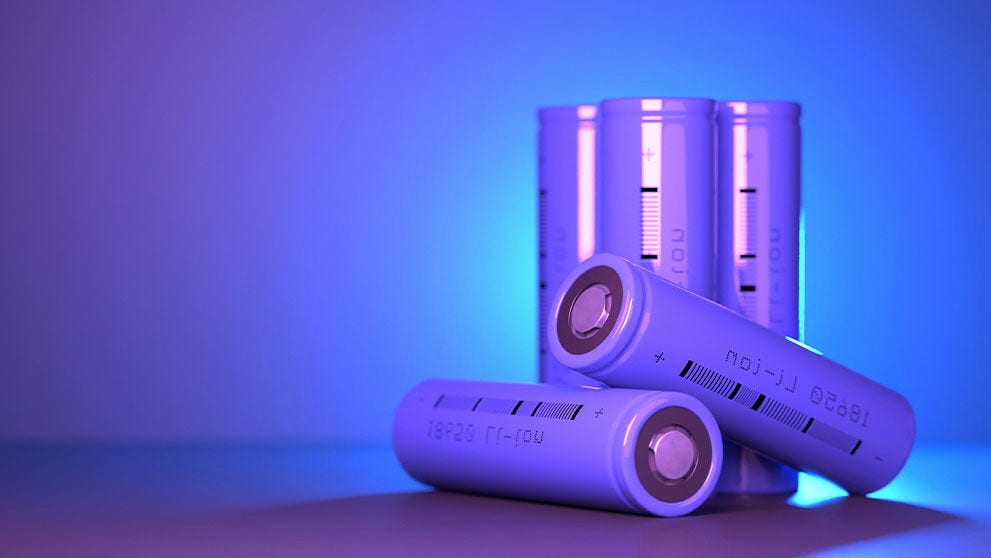
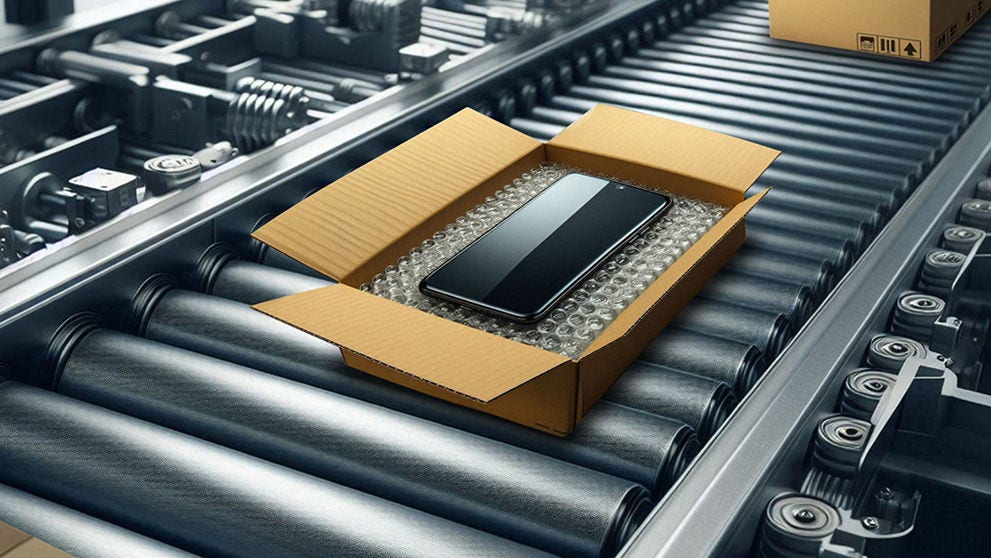
Lithium batteries transported as air cargo surged 25% year-on-year in 2025, according to IATA1, and consumer electronics sit at the centre of that growth. New Zealand exporters shipping laptops, phones, smart devices, and accessories to global buyers are competing in that same market, and the opportunity is real.
The compliance requirements, though, are not optional. Electronics are not standard parcels, and the rules around them tightened again at the start of 2026.
Can you ship electronics internationally from New Zealand?
Yes, but strict requirements apply. The main complication is lithium batteries, which power most consumer electronics including laptops, phones, and tablets. Under international aviation regulations, batteries are classified as Dangerous Goods (DG). How they're handled depends on:
- Battery type: lithium-ion or lithium-metal
- Configuration: installed in a device or shipped separately
- Quantity and watt-hour (Wh) rating per cell and per battery
Both IATA regulations and the destination country's import rules apply. Shipments that don't meet those requirements risk being held, returned, or refused at the border.
1. Understand lithium battery and Dangerous Goods (DG) regulations
Of all the compliance requirements for international electronics shipping, battery classification is where most problems start. Lithium batteries carry a fire risk if damaged, improperly packed, or overcharged, and aviation regulators treat them accordingly.
Shipping electronics containing lithium batteries internationally by air requires correct UN number classification. For instance, UN 3480 covers standalone lithium-ion batteries. UN 3481 applies to batteries installed in or packed with equipment.
As of January 2026, the IATA DGR 67th Edition introduced a new requirement. Lithium-ion batteries shipped independently or packed with equipment must have a state of charge (SoC) not exceeding 30% of rated capacity2. Discharging batteries before shipping is now a compliance step, not an optional precaution.
Batteries must also meet UN 38.3 testing standards. Key requirements include:
- Correct UN number on documentation and packaging
- SoC at or below 30% for air transport of lithium-ion batteries (from January 2026)
- Quantity restrictions per shipment
- DG-compliant packaging and labeling
Shipments that exceed standard thresholds require a DG-certified carrier. DHL Express carries in-house DG expertise and provides IATA-compliant handling from collection through to delivery.
2. Package electronics to prevent damage in transit
Electronics are among the most damage-prone categories in international shipping. Screens, ports, wires, and circuit boards can all be affected by impact, compression, or static discharge during transit.
Knowing how to pack electronics for shipping is one of the more practical skills an exporter develops early. It consistently comes down to a few principles:
- Double-boxing: Place the product in its original or inner box, then pack that inside a larger outer carton with cushioning between the two.
- Void fill: Use air pillows, foam inserts, or moulded packaging to eliminate internal movement.
- Component separation: Pack accessories and components separately before placing them in the outer box.
- Fragile-part protection: Wrap screens, connectors, and wires individually.
Sending high-value electronics overseas, such as laptops or phones, are worth insuring. Good packaging reduces the risk; shipment insurance covers the cost if something goes wrong in transit.
3. Label and declare shipments accurately
Mislabeled or incomplete documentation is one of the most common causes of customs delays. Accurate labeling for electronics exports from New Zealand includes:
- A shipping label with full sender and recipient details
- DG labels where required, with the correct hazard class, UN number, and handling marks
- A customs declaration with precise product descriptions, HS codes, and declared values
Product descriptions on customs forms should be specific. 'Electronic device' is not enough. 'Lithium-ion battery-powered wireless headphones, model X, NZD 180' is closer to the standard required.
4. Prepare for destination country import rules
Each market has different requirements for electronics imports. Exporters sending electronics overseas need to confirm these before shipping, not after.
Common destination-specific requirements include:
- European Union: CE marking to confirm compliance with EU safety, health, and environmental standards3
- United States: FCC authorisation for devices that emit radio frequency signals4
- Australia: RCM (Regulatory Compliance Mark) for electrical and electronic products, managed by ACMA5
- China: CCC (China Compulsory Certificate) for products entering the Chinese market6
Documentation requirements also vary. Some countries require certificates of origin, commercial invoices in a specific format, or additional permits for battery-containing devices. Confirming requirements before finalising a shipment avoids costly delays at the border.
5. Choose express shipping for speed and reliability
Electronics exporters need speed and security in equal measure. Long transit times increase exposure to loss, damage, and shifting market conditions. Express shipping reduces both risks while meeting the delivery expectations of international buyers.
For electronics specifically, the case for express is stronger than for most product categories. Shorter transit times mean less handling, fewer transfer points, and a lower probability of damage. Real-time tracking also gives both the exporter and the buyer visibility at every stage, which matters when the shipment contains high-value goods.
On-demand delivery options, including rescheduling and collection points, reduce the risk of failed deliveries and the costs that come with them.
The 5-step export checklist for shipping electronics
Before every international electronics shipment:
- Confirm battery classification (DG or non-DG), apply correct UN numbers, and ensure SoC is at or below 30% for air transport
- Package securely using the double-box method with adequate cushioning
- Label correctly, including DG labels and a complete customs declaration
- Verify the destination country's import requirements and certifications
- Book with a DG-certified express carrier with global customs support
Why businesses choose DHL Express for electronics shipping