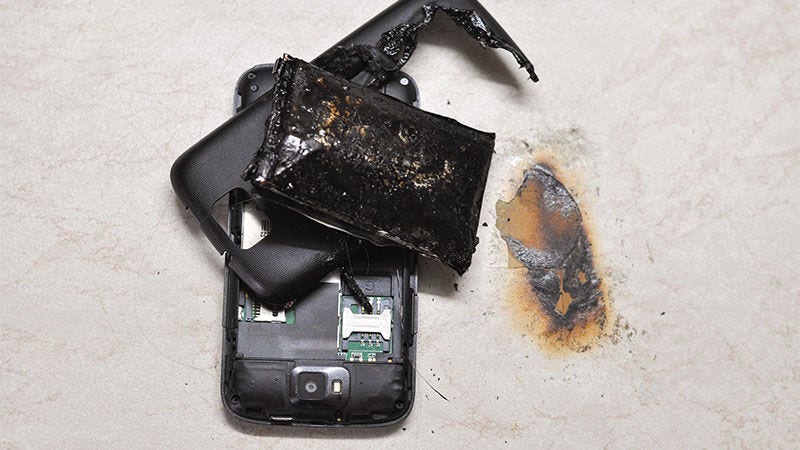


Shipping batteries by air is tightly regulated worldwide and for Kiwi businesses, lithium batteries represent one of the highest compliance risks in international delivery. From laptops and power tools to medical devices and industrial equipment, these batteries are classified as dangerous goods because of their fire risk when damaged, improperly packed or mislabeled.
In 2025 alone, FAA data reported approximately 50 cases of smoke, fire or overheating caused by lithium batteries on aircraft?1 With this in mind, it's not hard to see why international lithium battery shipping regulations are enforced with such strictness. Failure to comply can result in shipment rejection, shipping delays, fines and potential safety incidents. This is why businesses must understand how to ship a lithium battery overseas and also how packaging, labeling and documentation requirements change depending on battery type and configuration.
Understanding battery types before you ship
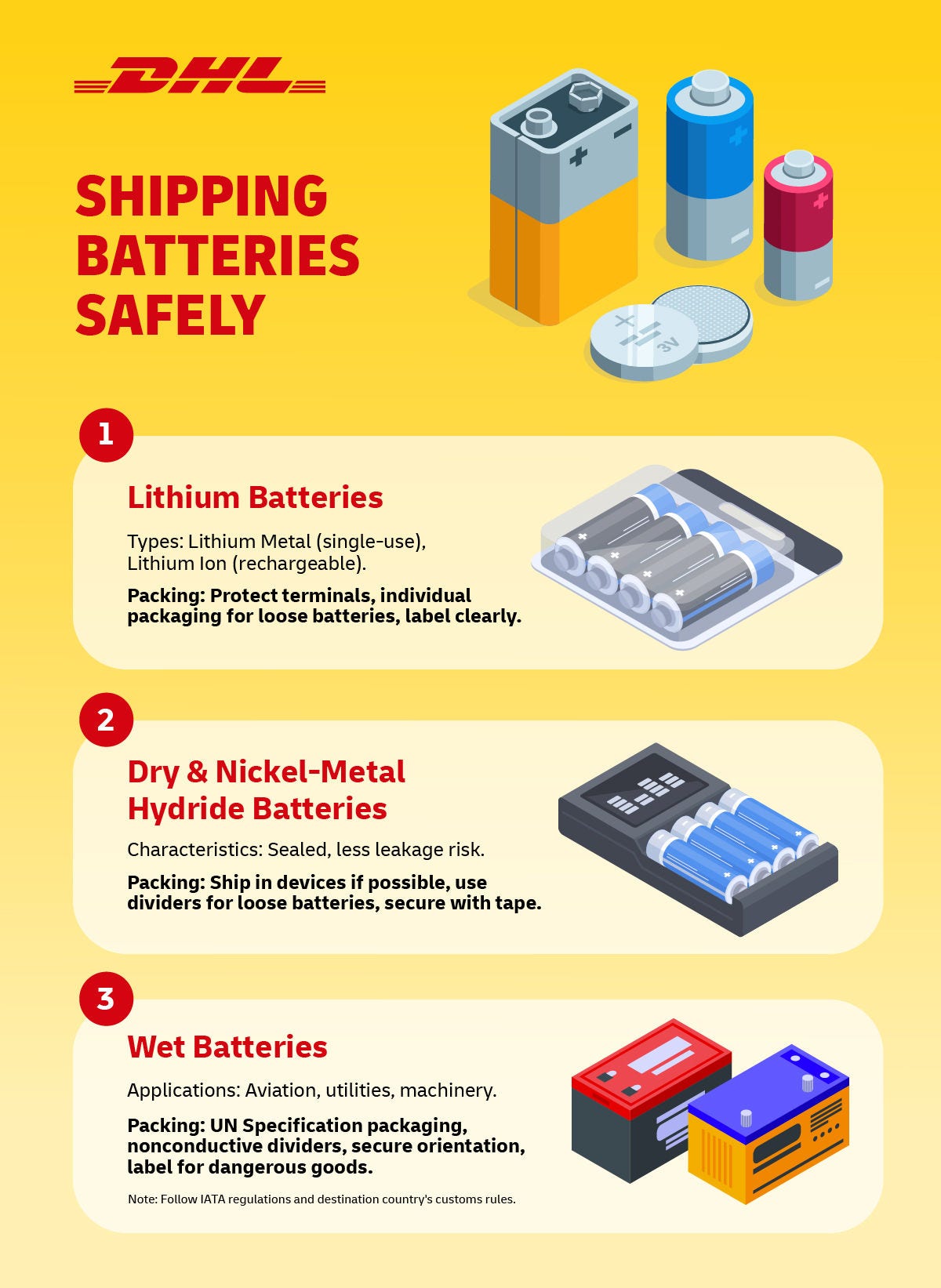
Before packaging or booking international delivery, it’s essential to identify the type of battery being shipped. Battery type determines whether shipping batteries internationally is allowed, how they must be packaged, and the essential shipping documents required.
Lithium-ion batteries (rechargeable)
Lithium-ion batteries are rechargeable and commonly used in consumer electronics, power tools, medical devices and e-mobility products. These batteries have high energy density, which makes them efficient but also regulated for air transport due to their high risk of thermal runaway.
When shipping lithium batteries internationally, it’s important to remember that capacity limits are measured in watt-hours (Wh). Their shipment configuration — batteries only, packed with equipment or contained in equipment — directly affects packaging and labeling rules under UN3481 shipping requirements.
Lithium metal batteries (non-rechargeable)
Lithium metal batteries are non-rechargeable and typically found in watches, sensors, medical devices, cameras and industrial equipment. They contain metallic lithium, which increases their regulatory sensitivity.
Compared to rechargeable batteries, lithium metal batteries face stricter quantity limits and packaging lithium batteries for shipment requires closer attention to net content, short-circuit prevention and documentation. These batteries are regulated under UN3090 and UN3091 and are often subject to higher scrutiny.
Packaging and shipping requirements for lithium batteries
Preparing your package for international shipping is the most critical step when exporting lithium batteries. Incorrect packaging is one of the most common reasons for shipments of dangerous goods being rejected. ICAO’s Technical Instructions for the Safe Transport of Dangerous Goods by Air require strict inspection, packaging, labeling and documentation controls to ensure lithium batteries are transported safely, reflecting the heightened global focus on compliance for these high-risk goods.2
When packaging lithium batteries for shipment, the exact rules vary based on battery chemistry, capacity and shipment method.
Lithium-ion batteries
Lithium-ion batteries are regulated based on how they are shipped and their energy capacity.
Shipping options
- Batteries only: Must be packed in strong, rigid outer packaging. Each battery must be individually protected to prevent short circuits, with exposed terminals insulated.
- Batteries packed with equipment: Batteries must be packed separately but within the same outer package as the equipment. Packaging must prevent movement and accidental activation.
- Batteries contained in equipment: The equipment must be secured in strong, rigid outer packaging to prevent damage or unintended operation during transport.
Capacity limits:
- Cells ≤ 20 Wh or batteries ≤ 100 Wh: Common for small electronics. These may qualify for simplified procedures if packaged correctly.
- Cells > 20 Wh or batteries > 100 Wh: Subject to stricter packaging, labeling and documentation requirements under dangerous goods shipping regulations.
Documentation and labeling:
- Higher-capacity or larger-quantity shipments typically require a Shipper’s Declaration.
- Packages must be labeled in accordance with lithium battery shipping regulations, including “Dangerous Goods as per associated Shipper’s Declaration” and “Cargo Aircraft Only” markings where applicable.
Lithium metal batteries
For businesses learning how to ship large lithium batteries, additional scrutiny applies. Higher-capacity batteries often trigger stricter quantity limits, cargo aircraft restrictions and full dangerous goods documentation, making advance planning essential.
Shipping options
- Batteries only: Must be packed in strong, rigid outer packaging with full short-circuit protection for each unit.
- Batteries packed with equipment: Batteries must be packaged separately but placed in the same outer package as the equipment, with insulation and movement prevention.
- Batteries contained in equipment: Equipment must be packed in strong, rigid outer packaging to protect the battery from damage during international delivery.
Capacity limits: Cells and batteries must not exceed net lithium content limits per package. For many shipments, this means a maximum of 2.5 kg of lithium metal batteries per package, depending on configuration and transport mode.
Documentation and labeling:
Documentation requirements are typically stricter for this category. Be sure to include:
- A Shipper’s Declaration for Dangerous Goods
- A compliant lithium battery shipping label
- UN3481 shipping requirements or UN3090/3091 markings
- “Cargo Aircraft Only” labels where applicable
Batteries DHL Express cannot accept
To maintain safety across international delivery networks, certain lithium battery shipments are restricted.
DHL Express cannot accept:
Defective or damaged batteries
Batteries being shipped for waste, disposal or recycling
Reverse logistics involving batteries, unless removed from equipment
These restrictions exist because damaged or end-of-life batteries pose an elevated fire risk during transport and cannot be mitigated through packaging alone.
Preparing your battery shipment for international transport
Before you send an international parcel containing batteries, a final compliance check helps reduce risk. Here’s a checklist to tick off:
- Identify the battery type and capacity
- Select compliant packaging based on configuration
- Apply correct lithium battery shipping labels
- Prepare documentation in line with IATA Dangerous Goods Regulations
- Verify acceptance with your carrier before booking
This checklist is especially important for businesses shipping dangerous goods internationally for the first time or expanding into new export markets.
Shipping batteries internationally with DHL Express
Shipping lithium batteries internationally from New Zealand demands a compliance-first approach. Beyond transport speed, successful battery shipments depend on regulatory expertise, correct approvals and strict adherence to international dangerous goods regulations.
DHL Express supports this process as a compliance-led carrier, acting as a guide for businesses through lithium battery acceptance requirements, account-level approvals and regulatory alignment. Approved shippers can manage documentation and track international deliveries through MyDHL+, ensuring shipments remain aligned with IATA Dangerous Goods Regulations at every stage.
By understanding battery classifications, packaging requirements and the risks associated with dangerous goods shipping, Kiwi businesses can move lithium batteries across borders with confidence. To reduce risk and avoid costly delays or rejections, open a DHL Express Business Account and explore safety-focused shipping solutions built for lithium batteries and other regulated goods.
Frequently asked questions about shipping batteries internationally
Can I ship lithium batteries internationally?
Yes, you can send international parcels containing lithium batteries as long as they meet the shipping regulations and are correctly packaged, labeled and documented.
What happens if my battery shipment is rejected?
Rejected shipments may be returned, delayed or destroyed depending on the violation. Costs may apply and repeat non-compliance can impact shipping privileges.
Do all batteries require a Shipper’s Declaration?
No. Some small batteries may qualify for simplified procedures, but many lithium battery shipments require a Shipper’s Declaration depending on type, capacity, and configuration.
Shipping batteries internationally requires careful adherence to regulations to ensure safety and compliance. By following the guidelines outlined above, New Zealand customers can confidently ship their batteries with DHL Express.
For any further assistance or specific queries visit MyDHL+.
Note: This guide is intended for informational purposes only and does not replace the need for a thorough review of the IATA Dangerous Goods Regulations.


 Share
Share
Similar Stories