#LogisticsAdvice

Navigating "Restricted Items" Lists: What You Can't Ship

Key Takeaways

The Fine Line: You must know the difference between prohibited items that are banned and restricted goods that just need the right permits.

2026 Battery Mandate: New rules require many lithium‑ion batteries to meet a 30% State of Charge (SoC) limit for air shipments, especially when shipped alone or with equipment.

Beauty as Dangerous Goods: Common hits like perfumes and nail polishes are flammable liquids and need specialised handling.

Local Expertise: Success depends on navigating unique local rules, like the requirement for all cosmetics and health products to be registered with the FDA Philippines before import.

When it comes to international shipping, restricted items in 2026 can make or break your global growth. One small oversight in a product's chemical makeup or battery type can lead to shipment rejection, airline refusals, or costly regulatory penalties. We’ll help you identify hidden risks in your catalogue so you can turn complex compliance into a competitive advantage, even in an archipelagic market like the Philippines.

What is the difference between prohibited and restricted goods?

Prohibited goods are items that are banned from entry under any circumstances for safety or legal reasons. Restricted goods are items that can be shipped if you hold the correct permits or follow specific packaging rules. Knowing this distinction is the first step in protecting your profit margins.

DHL doesn't just say no to complex shipments. We help you find a way to ship safely by identifying the paperwork you need. Here’s how these categories typically break down.

Category

Status

Examples

Requirements

Prohibited

Banned

Counterfeit goods, illicit drugs, asbestos

Absolute ban with no exceptions

Restricted

Conditional

Antiques, seeds, medical devices

Requires government permits or certificates

Dangerous Goods

Regulated

Lithium batteries, perfumes, aerosols

Must follow IATA packaging and labelling rules

Failure to tell these apart can result in your goods being destroyed at the border. While a counterfeit handbag is prohibited and will be seized, an 18th-century antique is restricted and can move if you provide an export licence.


Why is my beauty product classified as dangerous?

Many e-commerce merchants are surprised to learn that their best-selling perfumes and nail polishes are technically dangerous goods. Most high-end fragrances are alcohol-based. This classifies them as UN 1266, which is a Class 3 Flammable Liquid. Solvent-based nail varnishes fall under a similar category.

We provide specific solutions for the beauty industry to ship these items without high costs. To ship these safely, you must follow these steps:

Check the Safety Data Sheet: Ensure your manufacturer provides an up-to-date SDS that clearly lists the flashpoint.

Use Limited Quantity Packaging: Use leak-proof inner containers and strong outer packaging designed for flammable liquids.

Apply Correct Labelling: Affix the Limited Quantity diamond mark and orientation arrows to the exterior of the box.


How do I ship electronics with lithium batteries safely?

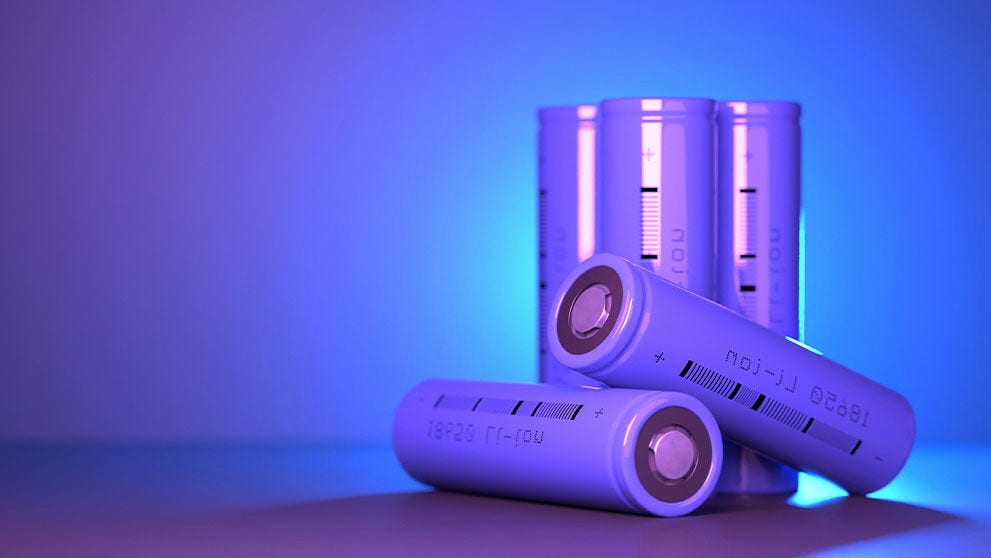
The rules for shipping electronics have tightened with the latest IATA regulations. As of January 2026, air transport rules require many lithium-ion batteries to be shipped at a State of Charge (SoC) of 30 percent or less. This is now a hard requirement for international shipping and restricted items in 2026.

MyDHL+ includes a built-in battery wizard that guides you through these mandatory declarations. This ensures you use the correct UN numbers for batteries contained in or packed with equipment. Here’s your 2026 battery compliance checklist:

Verify SoC: Ensure your factory tests that the charge is below the 30 percent threshold before packing.

Check Watt-Hours: Confirm if your battery exceeds 100Wh, as this triggers more stringent protocols.

Access Test Summaries: Have the UN 38.3 Test Summary ready as customs can request this at any time.

Which local unique bans should I watch for in APAC?

Global safety rules are the baseline, but local cultural, environmental, and regulatory standards create unique restrictions. Our local experts provide the intelligence that basic software often misses.

In the Philippines, all imported cosmetics, food, and health supplements must be registered with the Food and Drug Administration (FDA) before they arrive. The Bureau of Customs (BOC) works very closely with the FDA to enforce this, meaning unregistered beauty products can be seized on arrival. This strict pre-registration process is vital for ensuring smooth customs clearance.


Can I ship food or health supplements internationally?

Biosecurity is the primary hurdle for food and supplement merchants. In the Philippines, the FDA requires a Certificate of Product Registration for all health supplements before they can be imported and sold. Many herbal supplements may face extra scrutiny or require import permits depending on their active ingredients, so it is essential to verify ingredient classifications before shipping.

Our specialised teams help ensure your shipments remain compliant. If you hold the correct permits, we ensure the security chain remains unbroken, which is especially important during busy periods like Holy Week when port congestion can cause delays. When shipping these items, keep the following in mind:

Manufacturer Certificates: You often need a formal certificate stating the item is free from specific pests.

Ingredient Transparency: Every ingredient must be listed in English on the packaging to pass an audit.

Safety Data Sheets: Customs may require an SDS to prove the item isn't a hazardous chemical.

You should also check for market-specific restrictions like the common ban on supplements containing ingredients such as ephedra. Our My Global Trade Services (MyGTS) tool can check your product against the destination country's current laws.


What happens if I accidentally ship a prohibited item?

Ignorance of the law is not a legal defence in international trade. If you ship a prohibited item, it's typically seized and destroyed at your expense. Even worse, misdeclaring dangerous goods can lead to administrative fees that far exceed the value of the goods.

In 2026, penalties for misdeclared dangerous goods have increased significantly and can run to tens of thousands of Philippine Pesos per occurrence. This doesn't include potential legal costs or the permanent loss of your shipping account. We act as a vital safety filter for your business by catching these errors at the origin warehouse before the package leaves the country.

How do I audit my product catalogue for shipping compliance?

Maintaining an audit-ready catalogue is essential for any merchant scaling internationally. You should review your inventory at least once a quarter to account for shifting regulations. Use this 3-step checklist to clear your inventory for export:

Identify HS Codes: Assign an accurate code to every product to see its specific duty and restriction status.

Screen for Dangerous Goods: Flag any products containing liquids, gases, or batteries for a secondary safety review.

Check Restricted Parties: Use our trade automation tools to ensure your items aren't being sent to sanctioned regions.


Is your product catalogue ready for the 2027 shift?

Navigating the world of restricted items doesn't have to stop your growth. With the right partner, you can turn complex compliance into a competitive advantage.

Speak to a DHL specialist today to audit your product catalogue and unlock new markets with confidence.


Frequently Asked Questions

These are goods that require special permits, specific packaging, or a limited state of charge to be transported safely across borders. They include items like lithium batteries, perfumes, and certain health supplements that are subject to new safety rules this year.

No, perfume is usually a restricted item classified as a dangerous good because it's flammable. You can ship it internationally if you follow the Limited Quantity (LQ) rules for packaging and labelling.

As of 2026, many lithium-ion batteries must be at 30 percent charge or less when shipped by air. This rule is designed to reduce the risk of fire during transit and applies to most consumer electronics.

In the Philippines, customs will seize supplements if they have not been registered with the FDA before import. You must complete this registration and secure a permit before shipping these items to avoid seizure.

Fines vary by country, but misdeclaring dangerous goods in 2026 can result in significant administrative penalties running to tens of thousands of Philippine Pesos or more. It can also lead to your shipping account being suspended.