1, 2, 3 - ASEAN Investment Report 2023, December 2022
4 - ASEAN.org
5 - ASEAN.org
6 - Singapore Customs, February 2026
7 - ASEAN.org
8, 9 - Algebra, July 2024
10, 11, 12 - Enterprise Singapore
13 - UOB, November 2021
For Singapore-based businesses, few tools are as powerful as the ASEAN Free Trade Area (AFTA) and yet many exporters are still leaving significant savings on the table. With ASEAN projected to become the world's 4th-largest single market by 2030 and a digital economy expected to reach US$1 trillion1, understanding what the ASEAN Free Trade Area (FTA) is and how to use it has never been more important.
This guide breaks down how the ASEAN FTA works, the key benefits available to Singapore exporters, and the practical steps to start capitalizing on these agreements today.
The ASEAN Free Trade Area is a collective agreement among the 10 ASEAN Member States designed to create a single market and production base across the region. Originally established to strengthen ASEAN's competitive edge as a manufacturing hub, it has since evolved into the broader ASEAN Economic Community (AEC), a more comprehensive framework covering goods, services, investment, and digital trade2.
For Singapore businesses, the AEC represents direct access to a fast-growing regional bloc of over 660 million consumers3, with streamlined trade rules and reduced barriers that make cross-border commerce significantly more efficient.
Regional economic cooperation under the AFTA is driven by four core pillars: Trade in Goods, Trade in Services, Investment, and E-commerce. Each pillar is governed by binding agreements that member states are obligated to uphold4.
To ensure consistency at border controls, member states align their product classification systems at the 8-digit level through the ASEAN Harmonised Tariff Nomenclature (AHTN)5. This standardization reduces discrepancies and speeds up border clearance.
Modern trade is further facilitated through the ASEAN Single Window (ASW), a regional platform that enables the full electronic submission of Certificates of Origin (e-COs)6. By going paperless, businesses can claim preferential tariffs faster and with fewer administrative hurdles, a meaningful advantage in today's competitive export environment.
The ASEAN Trade in Goods Agreement (ATIGA) is the primary engine for goods movement across the region, and its ASEAN Free Trade Area benefits are substantial.
Beyond goods, here is how two additional frameworks help Singapore exporters to maximize the ASEAN Free Trade Area and expand their regional footprint.
AFAS safeguards access to foreign services sectors and creates a more predictable operating environment for service suppliers11. It aims to eliminate regulations that restrict market access or favor domestic firms over Singapore-based providers, a critical protection for businesses exporting professional, financial, or digital services across ASEAN.
ACIA protects investors and their investments region-wide, ensuring Singapore-based investors receive non-discriminatory treatment in key sectors including manufacturing, agriculture, and fishery. It focuses on investment liberalization and promotion, creating a more transparent and secure environment for businesses expanding their regional footprint12.
Knowing how to capitalize on the ASEAN Free Trade Agreement requires more than awareness; it requires action. Here is how to get started13.
Start by approaching the relevant authorities for guidance. In Singapore, the Singapore Business Federation (SBF) operates a one-stop advisory center offering specialized training and support to help businesses resolve FTA-related issues and identify the most relevant agreements for their needs.
Every product must be classified using a 6-digit Harmonized System (HS) code, accurate to the 8-digit AHTN level for ASEAN trade. Errors in classification are a leading cause of duty discrepancies at the border, so verify your product code before checking applicable tariff rates.
Singapore has 28 implemented FTAs14, one of the most extensive networks in the world. For specific markets like China, evaluate whether the ASEAN-China FTA (ACFTA) or the Regional Comprehensive Economic Partnership (RCEP) offers greater tariff savings for your product category. The right choice can make a meaningful difference to your bottom line.
Rules of Origin are product-specific. An item qualifying under one FTA may not qualify under another. Register with Singapore Customs to obtain the necessary Certificate of Origin (CO), which is required to claim preferential tariff rates at the point of import.
Taking advantage of ASEAN Free Trade Agreements is only half the equation. You also need a logistics partner that can keep pace with the speed of regional trade in 2026.
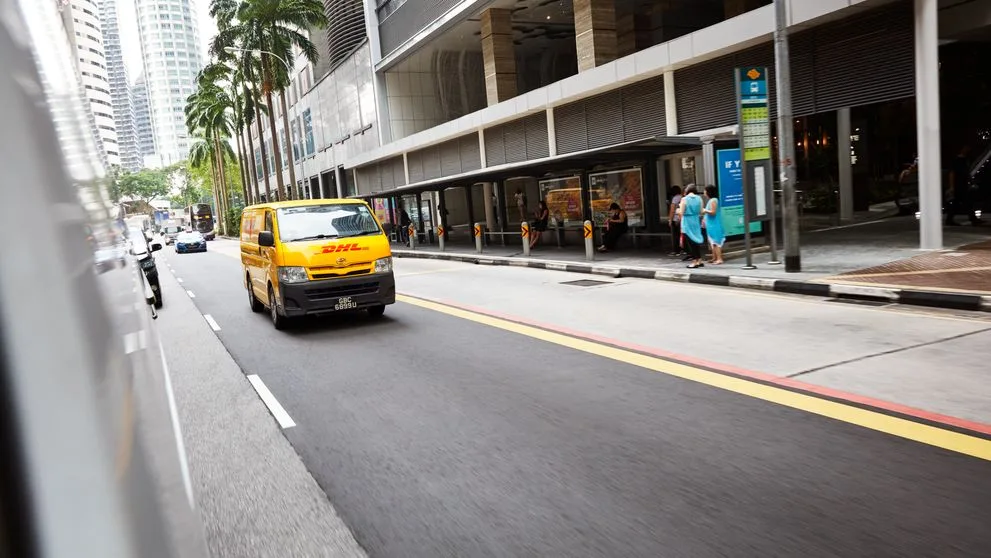
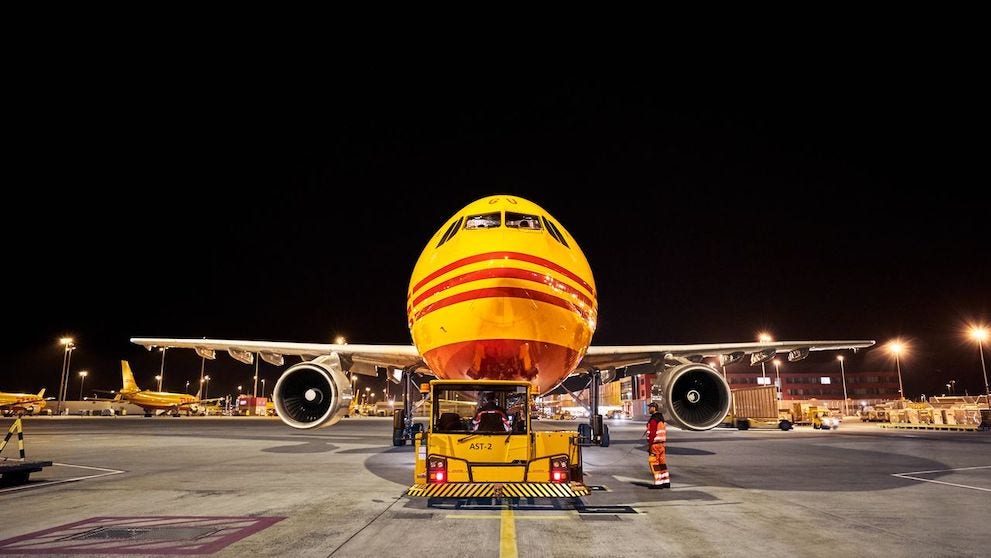
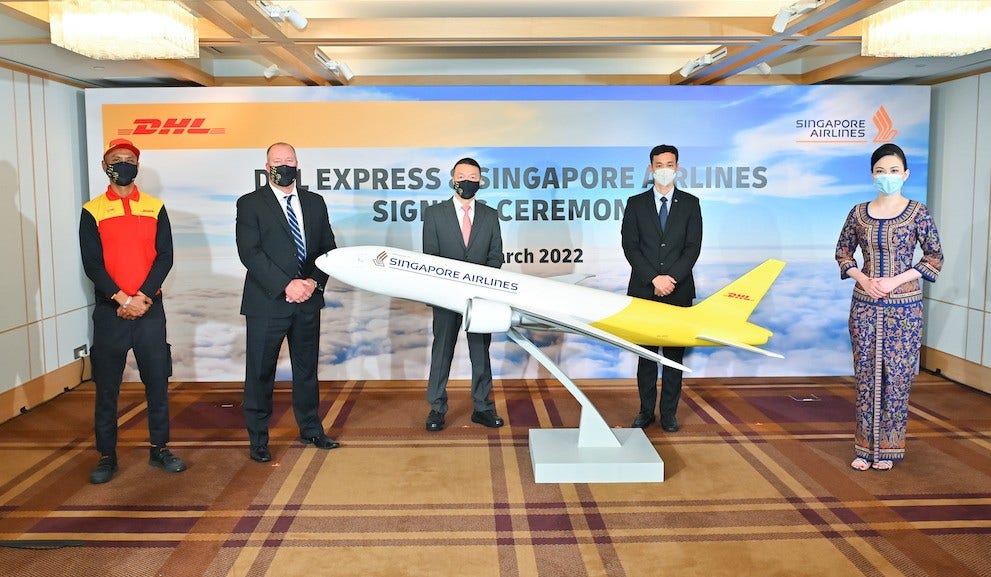
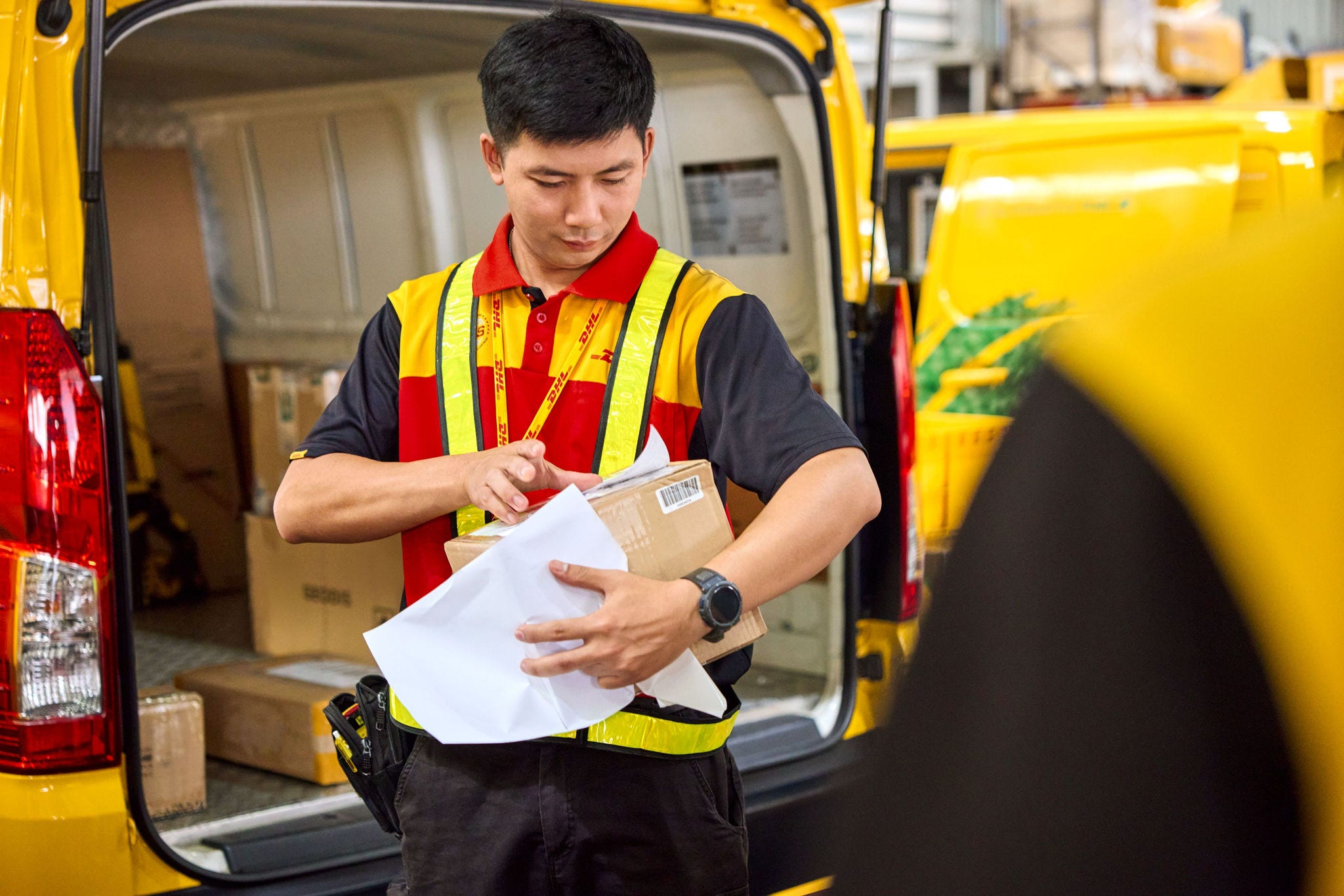
DHL Express SG integrates directly with ASEAN Single Window protocols, ensuring your paperless trade documents move as fast as your physical shipments. Our international shipping services are designed to help Singapore exporters navigate Rules of Origin requirements, e-CO submissions, and customs clearance with confidence, so you spend less time on admin and more time growing your business.
1, 2, 3 - ASEAN Investment Report 2023, December 2022
4 - ASEAN.org
5 - ASEAN.org
6 - Singapore Customs, February 2026
7 - ASEAN.org
8, 9 - Algebra, July 2024
10, 11, 12 - Enterprise Singapore
13 - UOB, November 2021


 Share
Share