Asia’s trade landscape is entering a defining moment. Despite global tariff turbulence and shifting supply chain priorities, the region continues to act as the world’s most reliable economic growth engine.
ASEAN (Association of Southeast Asian Nations) economies continue to outperform global GDP growth, and insights from the DHL Trade Atlas show that this strength is set to accelerate. East Asia and Pacific are projected to generate 34% of global trade growth between 2024 and 2029, ahead of both Europe and North America.1 This creates a pivotal window for SMEs looking to scale internationally — especially with a logistics partner that understands the region’s complexities and growth pathways.
The 2026 trends shaping the next wave of growth
Asia’s trade momentum is being shaped by new partnerships, digital frameworks, and evolving supply chain strategies. The following trends outline why Asia Pacific is set to play an even larger role in the global economy.
The region’s shift toward intra-Asia connectivity is accelerating, showing how businesses are reducing exposure to global volatility while building more predictable trade routes.
1. ‘Asia for Asia’ momentum
Intra-regional trade now accounts for more than half of Asia’s total trade, with strong corridors including China–Vietnam, Thailand–Malaysia–Singapore, and India–Bangladesh. This ecosystem allows businesses to source, produce, and distribute within the region with fewer international dependencies.
For exporters, this means shorter routes, lower operational costs, and more predictable lead times.
2. A new era of digital connectivity through DEFA
The Digital Economy Framework Agreement (DEFA), valued at over US$2 trillion in potential economic impact, is set to be formalized in 2026. Its goal: harmonize digital standards across Asia.
Key features include:
- Interoperable QR payment systems
- Standardized digital IDs
- Faster, paperless customs processes
With these enablers, trade documentation becomes significantly more seamless.
3. The supply chain ‘plus one’ standard
The global ‘China Plus One’ strategy has evolved into a broader ‘Asia Plus One’ pattern. Malaysia and Vietnam have become preferred bases for diversification, especially for semiconductor, electronics, and green-tech manufacturing.
This shift reduces operational risk and keeps supply chains flexible. DHL Express’ extensive air network and regional hubs enable exporters to pivot quickly, maintain inventory flow, and respond to demand spikes.
4. The green trade mandate and Scope 3 visibility
High-growth markets in Asia now require stronger sustainability data from exporters. Companies must verify emissions impact and adopt more transparent reporting practices.
Businesses using DHL Express can leverage solutions such as GoGreen Plus, which enables the use of sustainable aviation fuel to reduce lifecycle emissions, supporting compliance with new 2026 environmental standards. A growing number of markets also integrate AI-driven carbon-aware ETAs, helping companies plan shipments more effectively.
Together, these trends show that Asia is not just participating in global trade — it is actively redesigning it.
Singapore: the strategic command center for Asian growth
Singapore remains the region’s most strategic connector, with a location that places it at the crossroads of major Asian and global trade routes. Beyond its geography, the city-state strengthens both physical and digital trade networks, making it the ideal base for businesses scaling across the region.
Singapore’s ‘Twin Hub’ strategy further enhances access, operational efficiency, and resilience.
A high-efficiency regional headquarters
Many companies situate intellectual property, financial operations, and management teams in Singapore while leveraging the Johor-Singapore Special Economic Zone for land-intensive production. This setup keeps administrative functions close to world-class infrastructure while expanding manufacturing options.
A digital gateway for frictionless trade
Through platforms like the Networked Trade Platform (NTP), Singapore operates as a digital gateway for the region, enabling automated, paperless customs routing that minimizes manual work and reduces delays. DHL Express’ integration with these systems ensures smoother document submission, faster declarations, and more reliable visibility across cross-border movements.
A global advantage through free trade agreements
Singapore’s portfolio of 27 free trade agreements helps businesses bypass tariff spikes and maintain competitive pricing in 2026's volatile climate. When paired with DHL Express' customs expertise, companies gain a clearer path to compliance across multiple jurisdictions.
Singapore’s strength lies in its ability to bridge markets. With DHL Express’ South Asia Hub located within Changi Airport, businesses gain direct access to a logistics ecosystem that is optimized for speed and resilience — a powerful advantage in 2026.
Logistics in 2026: speed vs uncertainty

Logistics is becoming a strategic differentiator. As supply chains face more unpredictable geopolitical and climate-related disruptions, speed and visibility are more important than ever.
The rising importance of air freight:
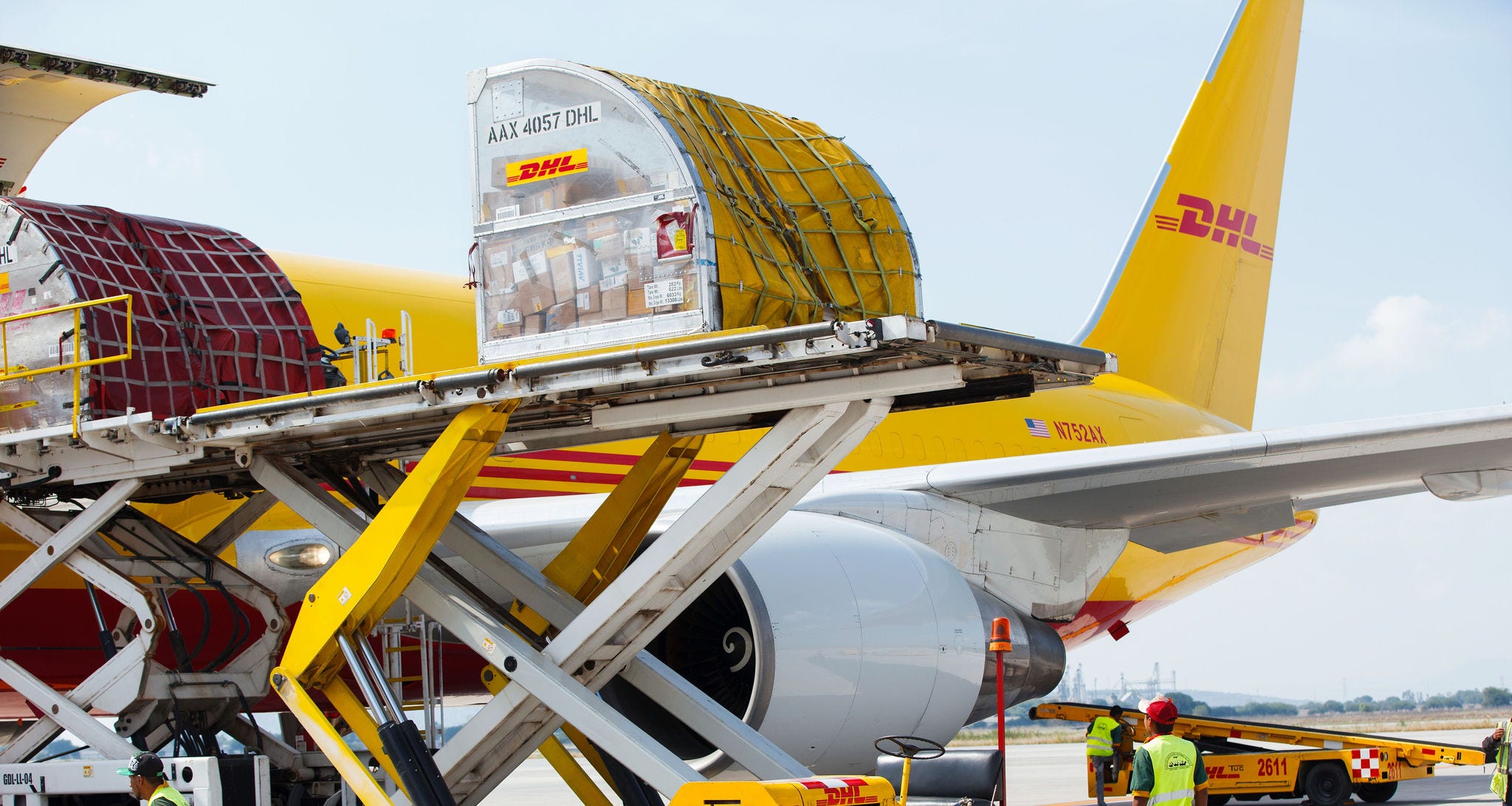
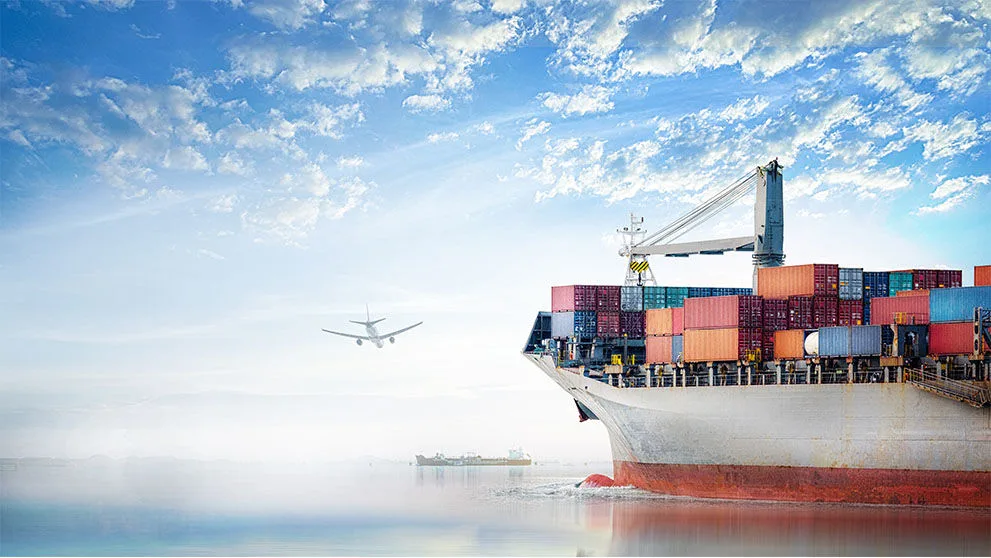
Air cargo has become the preferred mode for time-sensitive goods and high-value items, especially as sea-port congestion increases. Asia Pacific businesses are increasingly turning to air freight to minimize delays and reduce exposure to port disruptions.
DHL Express supports this shift with:
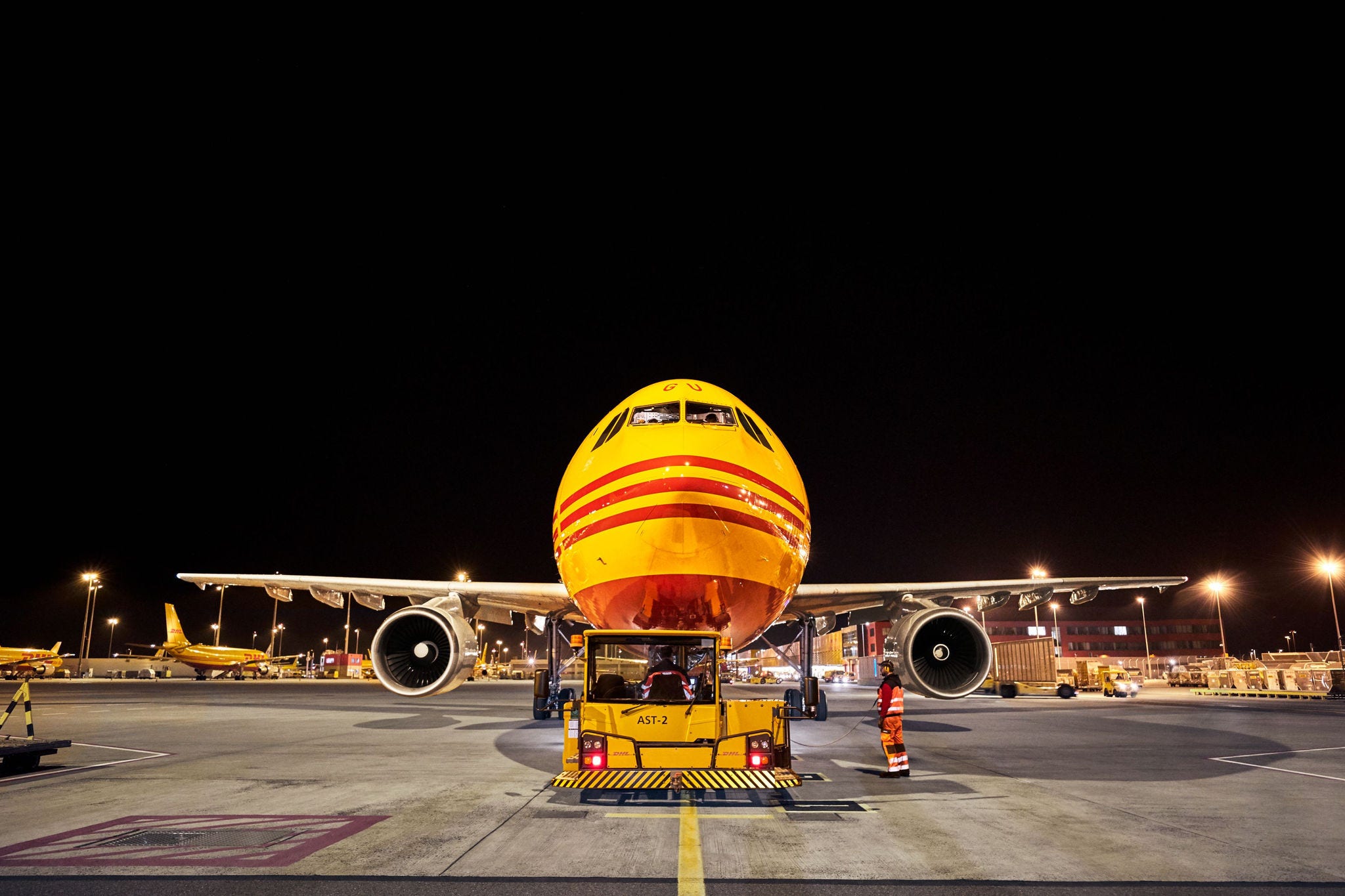
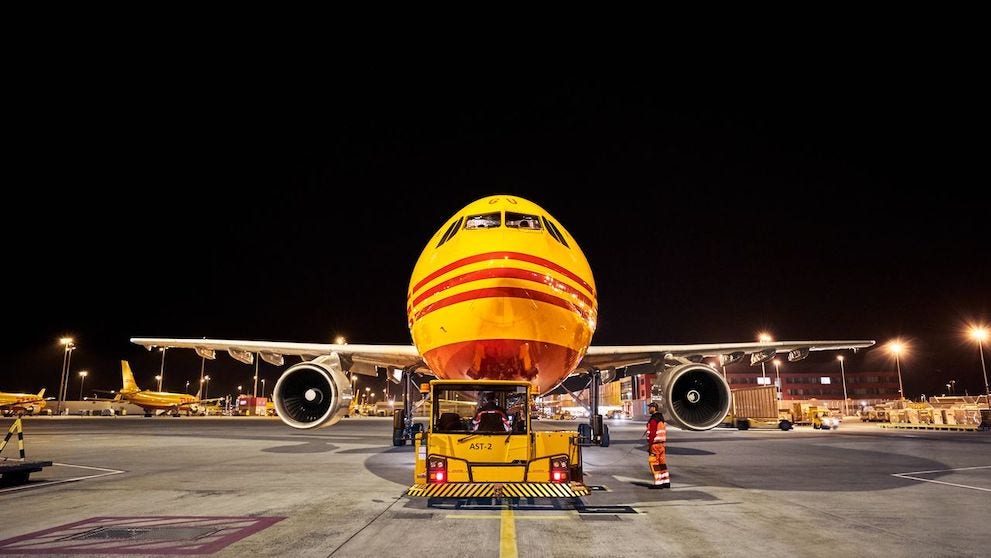
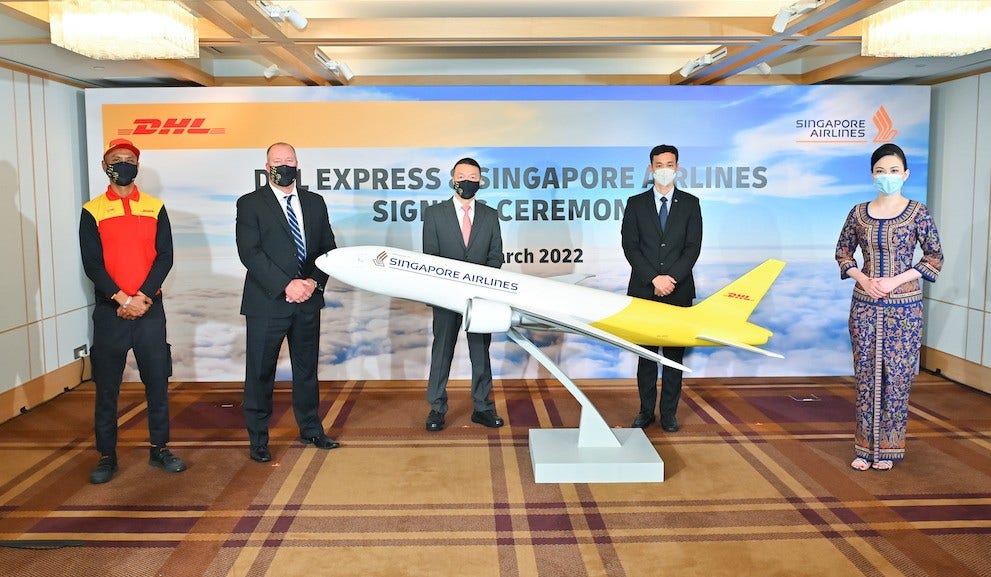
- Five dual-livery Boeing 777 freighters jointly operated with Singapore Airlines
- Real-time pallet and container visibility enabled by 5G technology
- Predictive ETAs and automated exception alerts
These improvements also help SMEs ship confidently even in uncertain conditions:
- Predictive, AI-powered logistics: AI-driven tools support autonomous rerouting, exception management, and forecasting to keep goods moving. For businesses, this means fewer delays and better control over inventory cycles.
- A surge in B2B e-commerce shipments: Beyond consumer goods, B2B e-commerce is growing quickly. DHL Express’ time-definite international network enables these flows by ensuring fast replenishment cycles and more reliable delivery windows.
The ‘No One Knows Asia’ advantage
Asia in 2026 is not just powering global trade — it is rewriting the map. Businesses that can integrate into its growing intra-regional network, take advantage of digital trade frameworks, and strengthen supply chain resilience will be best positioned for long-term success.
DHL Express' long-standing investment in Asia gives businesses a unique edge in navigating the region’s complexity.
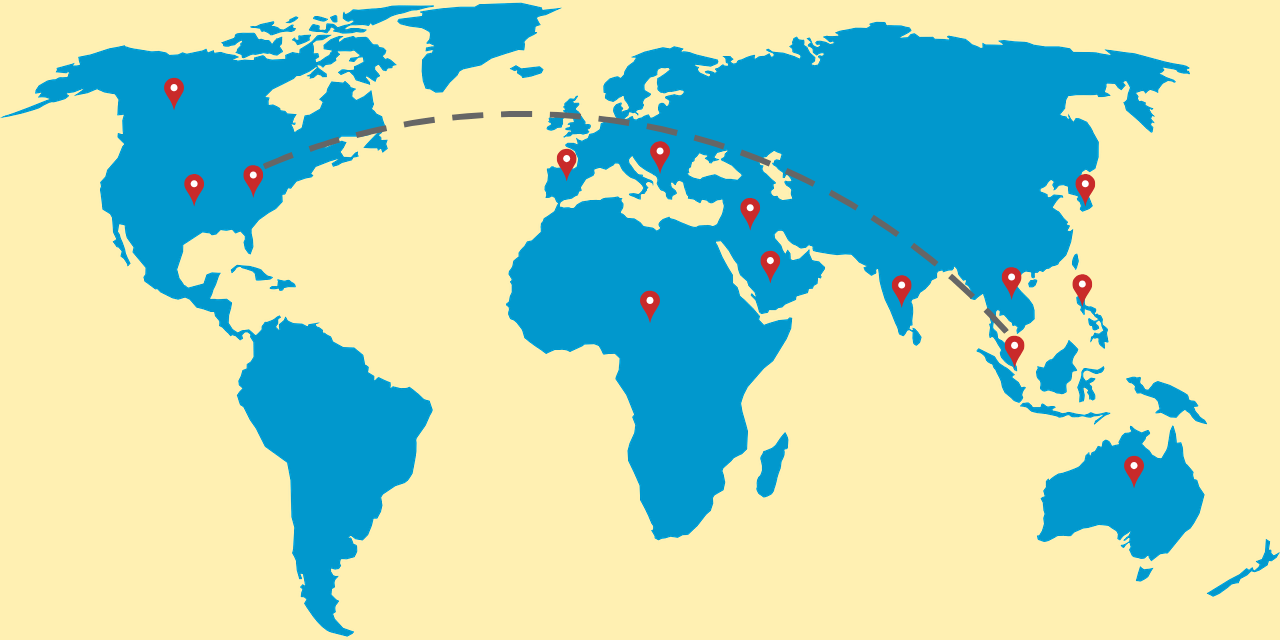
- An advanced regional air network: The dedicated B777 fleet strengthens capacity between Asia and North America while cutting CO₂ emissions by up to 18%. This supports faster transit times for exporters entering key consumer markets.
- State-of-the-art facilities at Changi Airport: The South Asia Hub expands throughput by 30% and integrates AI-powered X-ray systems for enhanced security screening. This ensures that businesses benefit from a faster, more secure international shipping process.
- A push toward sustainable shipping: Through GoGreen Plus, DHL Express has committed to procuring 9.5 million liters of sustainable aviation fuel in Singapore. Exporters can reduce emissions while meeting 2026 sustainability requirements across Asia Pacific and Europe.
- Regional data integration for end-to-end visibility: Tools like SGTraDex facilitate data sharing across ports, freight forwarders, and cargo handlers. With DHL Express integrated into these platforms, businesses gain transparent, port-to-door visibility across South-East Asia’s trade corridors.
Together, these capabilities ensure that companies entering or expanding within Asia can move goods confidently, compliantly, and sustainably.

With its on-the-ground knowledge of Asia’s supply chain hubs and strategic air infrastructure across the region, ship with DHL Express to stay agile and competitive in an increasingly regionalized Asian trade environment.
Open an Account


 Share
Share
Similar Stories