#eCommerceAdvice

Omnichannel Logistics: Connecting Your Store and Your Website for Seamless Fulfilment

Key Takeaways

  • Inventory Control: Real-time tracking reduces stockouts and helps you fulfil orders from any retail location.
  • Fulfilment Speed: Shipping directly from physical stores reduces transit times and lowers your delivery costs.
  • Market Adaptation: Integration with regional digital platforms helps you capture high-volume Asian digital consumers.

Your online store says an item is out of stock, but your shop shelf says otherwise. That disconnect is costing you sales, storage fees, and customers. Here's how to unify your inventory so every sale finds the nearest available stock, wherever it is sitting.


Why does fragmented inventory cost your e-commerce business money?

When your online store can't see what's on your physical shelves, you tell a digital customer an item is out of stock while that exact product sits in your brick-and-mortar outlet.

The number behind the problem

According to IHL Group research reported by Chain Store Age in September 2025, global inventory distortion (the combined cost of stockouts and overstocks) cost retailers $1.73 trillion in the past year. Asia-Pacific alone accounted for $642 billion of that, more than a third of the worldwide total.

This lack of synchronisation forces merchants to hold redundant backup stock in centralised facilities, which inflates storage fees. Integrating your sales channels releases that tied-up capital and lets you run a leaner operation.

Five places this waste shows up

Integrations like DHL Express Commerce that sync live order data with your inventory system cut manual processing errors and speed up label creation.

A variance of 1,850 THB per shipment adds up quickly when handling hundreds of split orders. These are the main sources of that waste:

  • Split Shipments: Sending items from multiple locations to fill one online order doubles your courier fees and packaging waste.
  • Safety Stock Buffers: Holding extra emergency stock in separate warehouses raises your storage costs and ties up working capital.
  • Markdown Losses: Missing online demand forces you to clear physical store stock later via heavy discounts.
  • Administrative Drain: Manually updating stock levels across multiple digital storefronts wastes valuable staff hours.
  • Customer Attrition: Showing incorrect stock availability online leads to cancelled orders and lost buyer trust.


How does 'Ship from Store' turn retail space into a mini-warehouse?

Ship from Store works because your physical shops are usually closer to urban customers than a centralised warehouse is. When retail staff pack web orders straight from the shop shelves, transit times drop significantly.

This approach also puts your floor space and staff to work during quiet hours, and shipping from high-street locations bypasses regional distribution delays. Delivery times drop from days to hours, making same or next-day delivery the norm rather than the exception.

Making the daily handoff work

A fixed daily pickup schedule, like Dedicated Pickup and Dedicated Delivery from DHL Express, means you can ship international orders straight from the store counter instead of coordinating transport runs to a distant warehouse. Capacity tightens dramatically during Songkran, making localised dispatch points even more valuable, especially if you're managing outbound freight from major hubs in the Eastern Economic Corridor (EEC).

Five steps to turn your shopfront into a fulfilment node

Work through these steps in order:

  • Map Inventory: Connect your point of sale system to your e-commerce platform for live stock counts.
  • Designate Packing Zones: Set up a small, dedicated space in your backroom for wrapping and labelling parcels.
  • Train Staff: Teach retail employees to pick, pack, and label international express shipments using clear guidelines.
  • Establish Cut-offs: Set clear daily times for online orders, so same-day preparation happens before the courier arrives.
  • Schedule Pickups: Set fixed daily collection times with DHL Express to maintain consistent dispatch windows.


How do you handle click and collect logistics in mature retail markets?

Click and collect in mature markets like Singapore only works with a unified inventory system that matches real-time store availability to what customers see online.

What happens when the system gets it wrong

If a customer arrives and their item isn't there, brand loyalty takes a real hit. DHL Express Worldwide helps merchants manage the international inbound flow of stock to retail stores, supporting replenishment so local collection points stay full.

Consumer expectations are growing in Thailand, so investigate local preferences for in-store collection or parcel locker networks before finalising your approach.

How the three fulfilment models compare

Here's how they stack up against each other:

Fulfilment Model

Inventory Source

Delivery Destination

Key Benefit

Standard E-commerce

Centralised Warehouse

Customer Home

Maximises central stock control and simplifies bulk packing

Ship from Store

Retail Shop Floor

International Customer

Reduces transit distances by shipping from the nearest physical shop

Click and Collect

International Inbound

Local Retail Branch

Eliminates residential delivery fees and drives physical foot traffic


How do you integrate regional digital platforms and super apps?

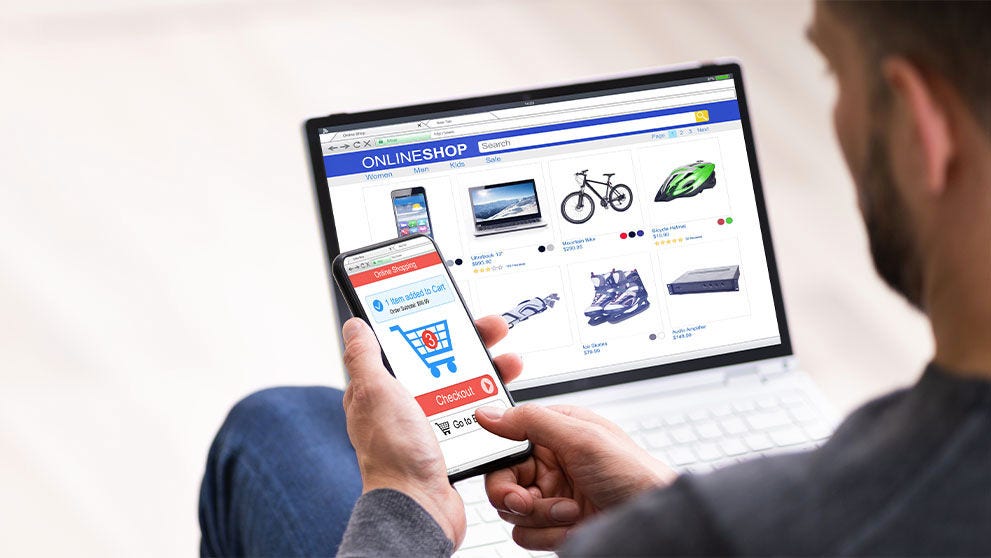
You integrate regional digital platforms by connecting your inventory database to them through APIs. This enables instant ordering and localised delivery wherever your customers shop. In Thailand, this often means all-in-one 'super apps' used for instant delivery, social browsing, and mobile payments.

Keeping delivery flexible once the order lands

Your omnichannel strategy needs to connect these platforms to your physical stores to capture those active digital shoppers. For orders from social commerce or super app storefronts, the DHL Express Mobile App and On Demand Delivery let buyers choose a safe place or a new date, which cuts failed delivery attempts.

That flexibility also helps build trust with first-time international buyers. If you're managing outbound freight, you can link your backend to platforms like Grab or LINE, which are widely used by Thai consumers.

Four consumer demands this strategy handles

This approach covers the details that matter most to regional buyers:

  • Flexible Redirection: Buyers modify delivery locations while the shipment is in transit.
  • Instant Notifications: Customers receive real-time updates directly on their mobile devices.
  • Alternative Collection: Receivers opt for local service points instead of home drop-offs.
  • Cashless Settlement: Integrated payment systems speed up duty collections where applicable.

Ready to take your business beyond Thailand?

Reach customers around the world with international delivery and customs support for your growing business.

Open a business account

What are the customs risks when shipping cross-border from local retail stores?

Shipping an order from a local shop to an international buyer means you're now engaging with cross-border customs rules. If you get the tariff classification, valuation, or import restrictions wrong, the resulting border delay affects your store ratings and leads to customer complaints.

Why a single sale still needs full customs rigour

Every international package needs the same regulatory care as a shipment from a large warehouse, no matter how small the order. MyGTS helps merchants calculate duty rates and check import restrictions before shipping, so a one-off international sale doesn't turn into a customs headache.

The de minimis threshold applies based on the destination market's rules, not your own. For Thai businesses exporting to major markets, this means understanding their specific limits. For example, shipments valued under USD 800 can typically enter the United States free of duties and taxes, as detailed by U.S. Customs and Border Protection. Similarly, Australia has a de minimis threshold of AUD 1,000, according to the Australian Border Force. These amounts vary significantly by country. For regulations concerning your own export declarations, consult the Thai Customs Department website. Using the Duty Tax Paid billing service clears any charges upfront so your customer faces no hidden fees on delivery.

Five checks for your retail storefront team

Make sure your packaging meets standards set by The Civil Aviation Authority of Thailand (CAAT) when dispatching specialised items like built-in electronics. Run through this list before every cross-border sale:

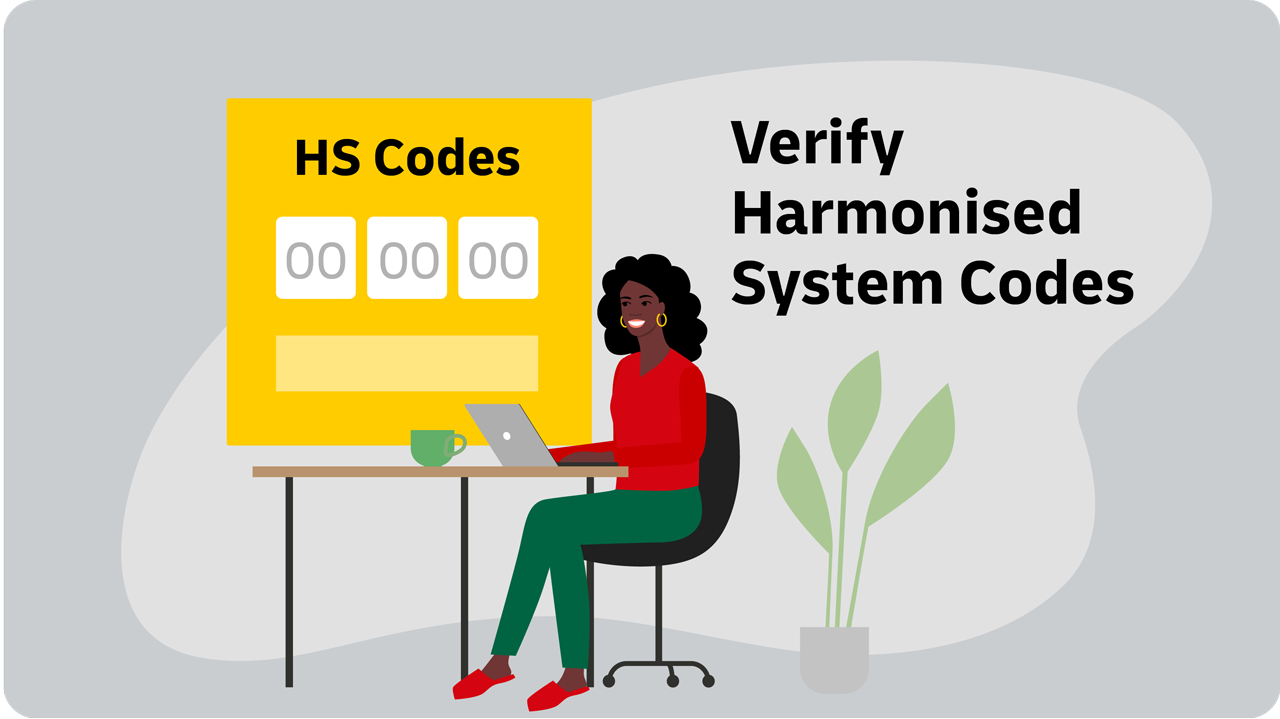
Verify Harmonised System Codes: Use MyGTS to find the correct trade codes for every item on your shop shelves.

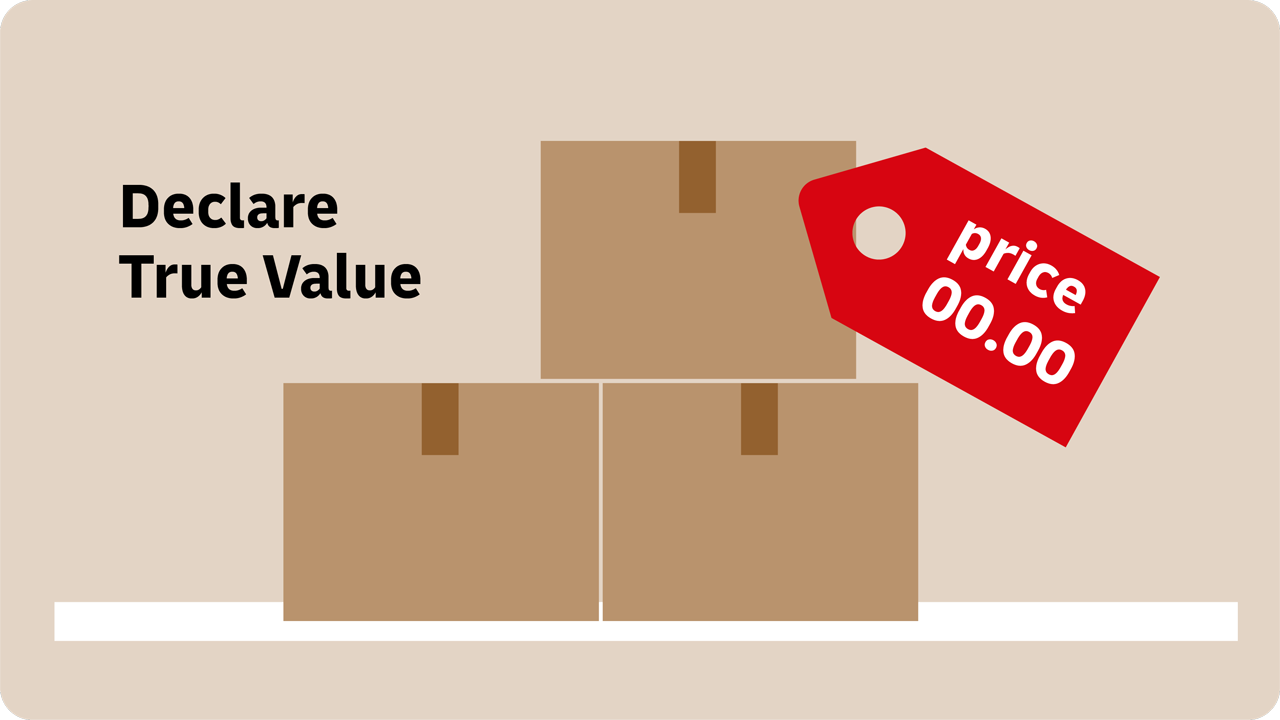
Declare True Value: Make sure the commercial invoice matches the exact purchase price paid by the online customer.

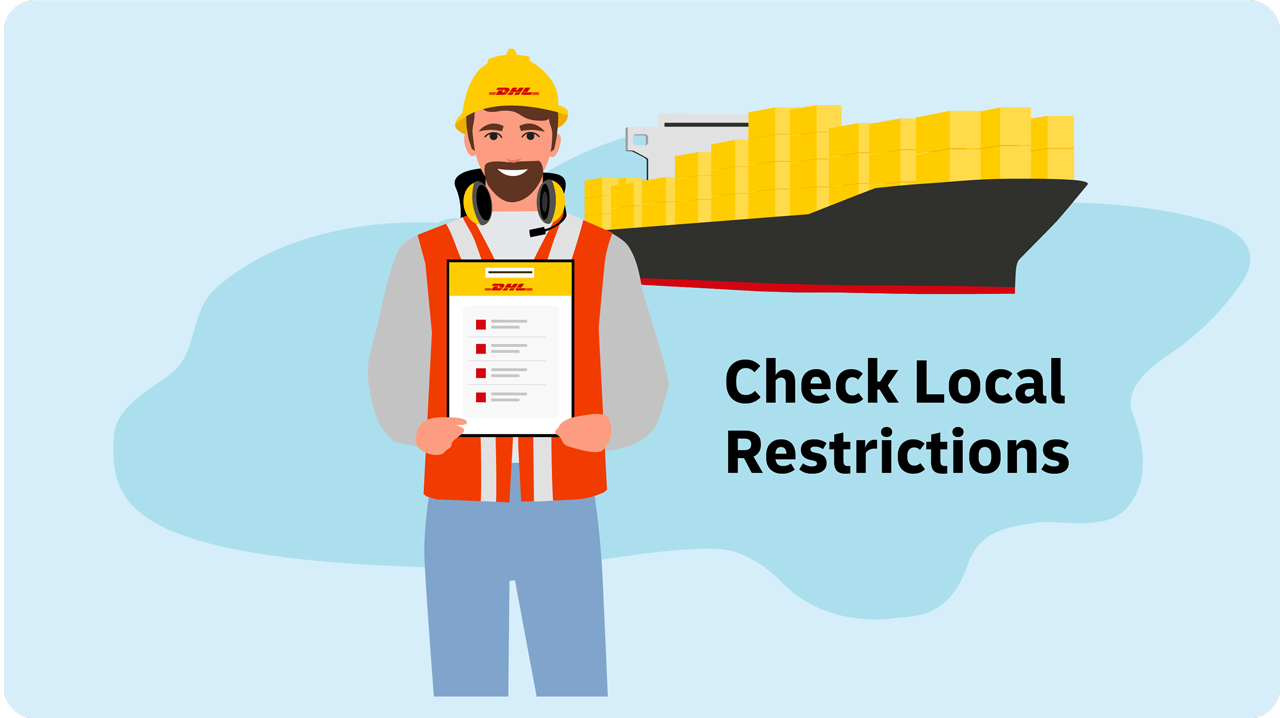
Check Local Restrictions: Identify if destination markets require special permits for specific consumer goods.

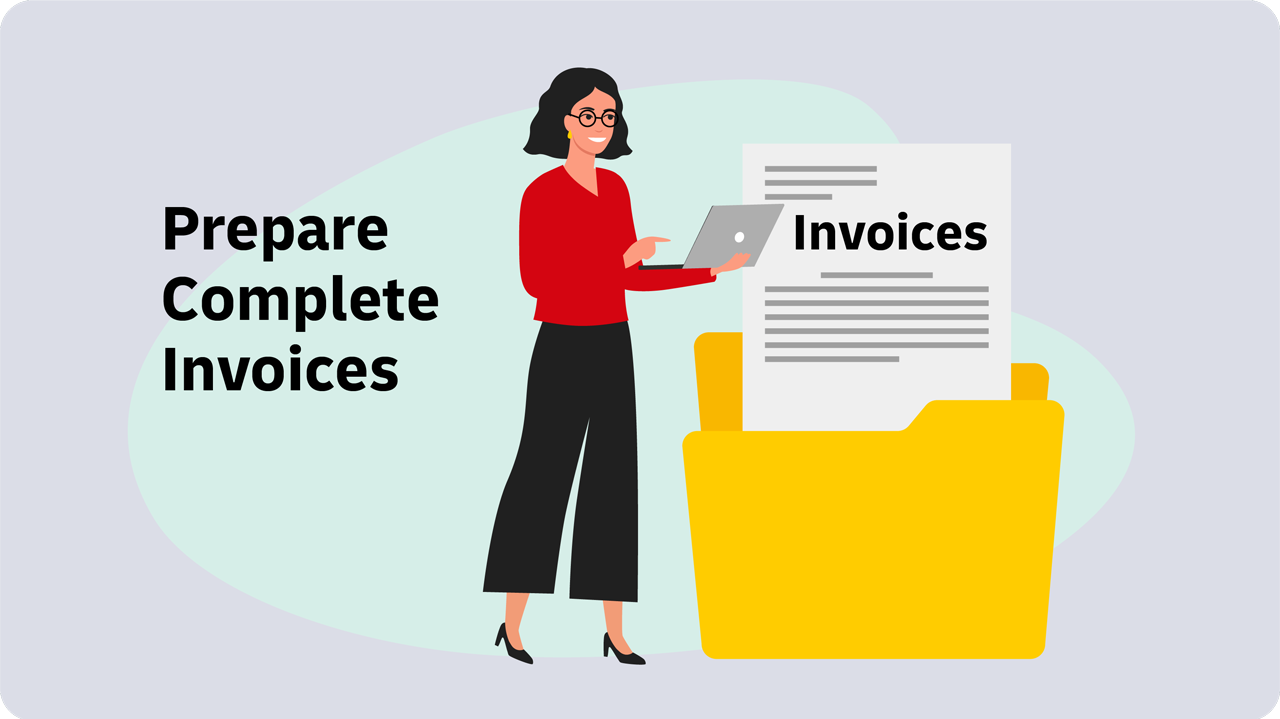
Prepare Complete Invoices: Provide detailed descriptions of goods instead of vague terms like 'gift' or 'sample'.

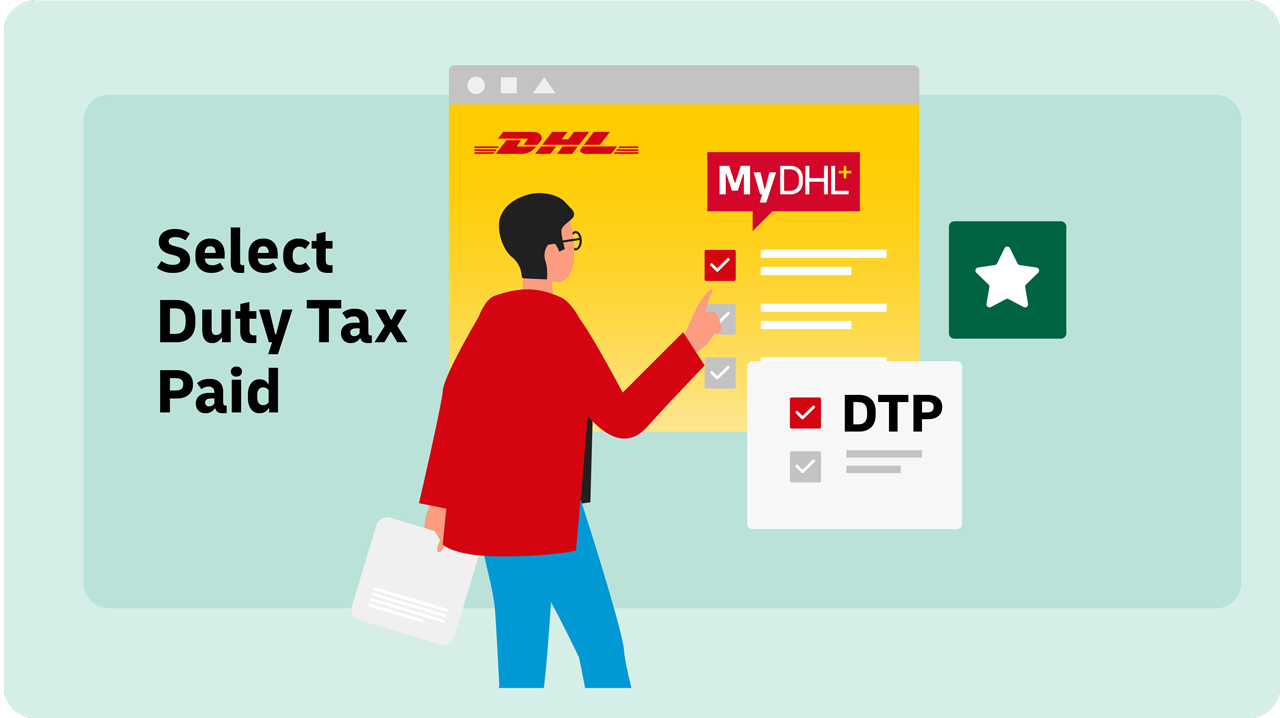
Select Duty Tax Paid: Choose the DTP billing option in MyDHL+ to keep the final delivery frictionless for the end consumer.


Ready to connect your store to global buyers?

Connecting your physical retail outlets to your online platform creates a unified inventory network that lowers storage fees and speeds up international delivery. DHL Express supports that shift with tools like DHL Express Commerce for platform integration and MyGTS for customs compliance.

It's time to integrate your e-commerce channels and connect your physical stores to global buyers!

Frequently Asked Questions

Separating your physical store stock from your website inventory leads to double handling, higher storage fees, and lost sales. The DHL Express Commerce plugin integrates with platforms like Shopify and WooCommerce, so you can merge those channels and fulfil orders from whichever location has the stock.

Physical shops are often closer to urban customers than centralised warehouses are, which means web orders can be packed straight from the shop shelves. DHL Express supports that with Dedicated Pickup and Dedicated Delivery direct from your retail counter, cutting transit times and putting quiet in-store hours to better use.

Click and collect requires precise real-time stock updates to avoid customer disappointment at the pickup counter. DHL Express Worldwide helps manage the international inbound flow of stock to keep your shelves full, supporting consistent replenishment across your whole retail network.

Your omnichannel strategy needs to connect with popular regional platforms to capture mobile-first consumers. The DHL Express Mobile App and On Demand Delivery let buyers manage their final delivery preferences directly, which cuts failed delivery attempts and builds trust with first-time international shoppers.

Incorrect documentation on international shipments causes border delays and unexpected costs for your customers. MyGTS helps you check import restrictions and calculate duty rates before dispatch, and Duty Tax Paid billing covers those charges upfront so your buyer isn't surprised at the door.