The 30% State of Charge (SoC) limit is now a mandatory law for batteries packed with equipment and vehicles. If a battery is found to exceed this level, it will be rejected by the airline to reduce potential fire risks during flight.

Mandatory 30% Charge: From 1 January 2026, the 30% State of Charge (SoC) limit is a strict legal requirement for batteries packed with equipment, a rule closely monitored in Vietnam.
New UN Codes: To avoid cargo rejections at hubs like Noi Bai Airport, you must use the new classifications for Sodium-ion batteries and battery-powered vehicles.
Digital Records: Your UN38.3 Test Summary should be digitally accessible via a QR code to satisfy the latest IATA requirements and facilitate smooth inspections by local authorities.
Risk Prevention: Our dedicated audit process helps your business prevent significant fines and grounded shipments, ensuring your goods move smoothly through Vietnam's customs gateways.
The grace period for lithium battery transport has concluded. As of 1 January 2026, the IATA Dangerous Goods Regulations (DGR) 67th Edition transformed previous safety recommendations into binding laws. For any compliance officer in Vietnam, understanding and adapting to these changes is essential for maintaining access to global markets and building a trustworthy supply chain.
The 30% State of Charge (SoC) limit is now extended to batteries packed with equipment and those powering various vehicles. This important change is designed to reduce the thermal energy available if a battery cell were to fail during transit, enhancing safety for everyone.
PI 966 and PI 969: Batteries packed with equipment now require a verified SoC of less than 30% at the point of handover to your logistics partner.
Vehicle Rules: You must apply the new PI 952 guidelines for all battery-powered vehicles to ensure full compliance.
Verification Proof: We strongly advise you to provide a Statement of Compliance or include the SoC status directly on your declaration documents.
Terminal Rejections: It is important to know that automated sensors at major international hubs can now flag high thermal signatures, leading to non-compliant cargo being grounded.
As your trusted partner, we can help you verify these levels before pickup to prevent costly and frustrating delays. Integrating these essential checks into your quality control process avoids the difficult situation of having cargo returned to your facility, which is particularly vital for shipments passing through Vietnamese ports where regulations are strictly enforced.
In 2026, you cannot legally ship a lithium battery without a valid UN38.3 Test Summary. This document serves as proof that your battery has successfully passed a series of rigorous stress tests. In today's fast-moving logistics environment, this summary must be instantly accessible to everyone in the supply chain.
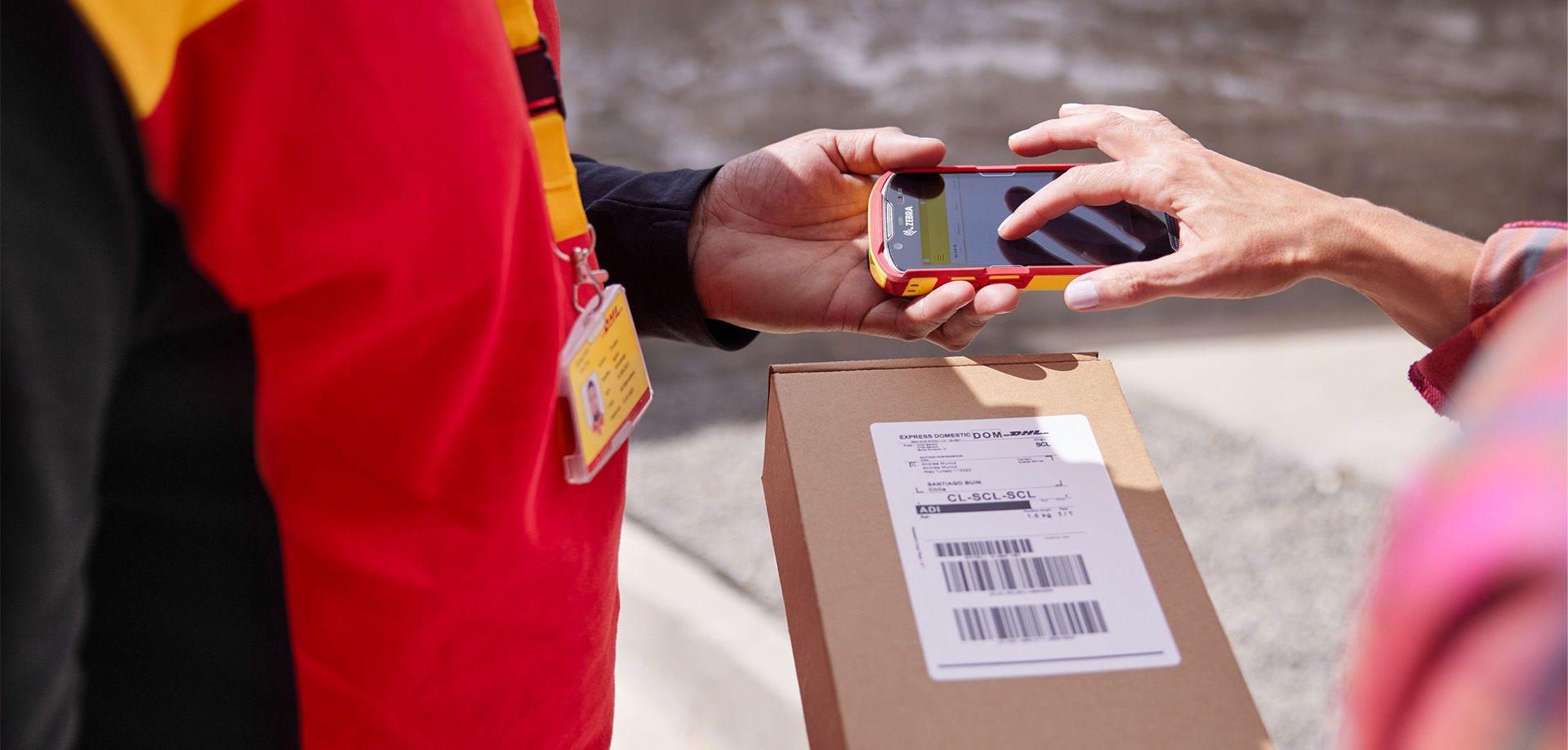
QR Code Integration: Many forward-thinking shippers now use QR codes on their packaging, which link directly to the digital summary for immediate verification.
Instant Proof: If a regulator like the General Department of Vietnam Customs (GDVC) requests proof of compliance, you must be prepared to provide it without delay.
Altitude and Thermal: These tests ensure that battery cells do not leak or fail when subjected to low-pressure environments or extreme temperature fluctuations.
Vibration and Shock: Proof is required to show the battery can withstand the physical demands of multi-modal transport, including long-haul sea freight.
To support our regular shippers, we offer a digital document service where we store your safety data sheets and test reports in a secure portal. This ensures they are always attached to your electronic waybills, facilitating faster audits and smoother clearance.
Experience shows that most dangerous goods delays occur during the initial visual inspection. A simple error, such as an off-centre label or an outdated sticker, can be enough to trigger a safety hold. In 2026, inspectors are paying particularly close attention to the new Class 9 Hazard Labels and the structural integrity of the packaging.
Class 9 Label: It is mandatory to use the updated version which clearly displays the battery cluster icon and the number 9.
UN Number Size: Please ensure the UN number is clearly marked in a font size of at least 12mm for maximum visibility.
Emergency Contact: The Lithium Battery Mark must include a valid, continuously monitored 24/7 phone number.
Local Language: For smooth transit through international hubs like Noi Bai Airport, all labels must be in English.
Your packaging must be robust enough to withstand the stacking forces inside a cargo hold. We recommend considering the DHL Safety Box, which is specifically designed for these components. A single missing sticker can lead to a fine of 125,000,000 VND or more, a significant financial penalty for what is an avoidable error.
2026 marks the first full year that Sodium-ion batteries are integrated into the global regulatory framework. While they are generally considered more stable than their lithium counterparts, they are still regulated as Class 9 Dangerous Goods.
New UN Codes: Use UN 3551 for standalone batteries and UN 3552 for those packed with equipment.
Documentation: Your declaration must explicitly state "Sodium-ion" to prevent any confusion with lithium-ion batteries.
Safety Reports: You will still need a UN38.3 equivalent test report to demonstrate the safety of these shipments.
PI 978 Compliance: Even with their higher stability, you must adhere to specific packing instructions to meet regulatory standards.
Our global network is fully prepared to handle these new classifications. As your business innovates and moves to new battery chemistries, we are here to ensure your logistics capabilities keep pace with your research and development efforts.
To ensure a smooth journey through the network, we recommend following this protocol well before your courier arrives. Proper preparation is key, especially during busy periods like the lead-up to Tết Nguyên Đán, when port congestion can cause significant delays.
Identify the Code: First, determine your exact UN number, such as UN 3480 for lithium-ion batteries or the new vehicle code UN 3556.
Verify the Charge: Use a properly calibrated tester to confirm your batteries are at less than 30% SoC.
Digital Submission: Utilise a digital portal such as MyDHL+ for your declarations where required by local law.
Check the Label: Apply the updated 2026 labels and ensure a copy of the safety data sheet is included with the shipment.
Using a professional service for your 24/7 emergency contact is a wise investment. Having all your paperwork correctly attached prevents delays during spot checks by customs officials, giving you peace of mind.
Successfully navigating the 2026 regulations does not have to be a barrier to your growth. With a reliable and knowledgeable partner, you can transform complex safety rules into a competitive advantage. We invite you to speak with a DHL specialist today to review your product catalogue and ensure you can ship your batteries with complete confidence.
The 30% State of Charge (SoC) limit is now a mandatory law for batteries packed with equipment and vehicles. If a battery is found to exceed this level, it will be rejected by the airline to reduce potential fire risks during flight.
It applies to all lithium-ion and sodium-ion batteries with a rating over 100Wh. This includes many common items like power tools, drones, and e-bikes. It is your responsibility to verify the charge level before you pack the item for shipping.
It is a crucial document that proves a battery has passed eight specific safety tests, which include simulations for altitude, thermal stress, and vibration. You must be able to make this summary available to carriers and customs authorities like the GDVC at all times.
You are required to use the new UN 3551 or UN 3552 codes on your shipping documents. While they are generally safer than lithium, they still require Class 9 hazard labels and the correct safety documentation for legal transport.
Customs or the airline will ground your shipment immediately. This can lead to significant delays and potential administrative fines of up to 125,000,000 VND, and in some cases, your shipping account may be suspended.


 Share
Share