You must ensure the battery is at 30% charge or less. You also need to use the correct new UN codes such as UN 3556 or UN 3558, and provide a UN 38.3 test summary to prove the battery is safe for transport.

Shipping electric vehicles (EVs) in 2026 is classified as large-scale dangerous goods transport. The rules have shifted from best-practice recommendations to mandatory international law, with heavy penalties for non-compliance. These regulations require you to understand IATA safety standards to keep your shipments moving without delays at the border.
The 30% State of Charge (SoC) rule is now law for all battery-powered vehicles in air freight. Under the IATA 67th Edition, any vehicle with a battery exceeding 100Wh must be shipped at 30% SoC or less.
We help you understand these energy level requirements so they align with your declarations. Handling surcharges of up to VND 6,250,000 per pallet can apply if you do not plan for these requirements in advance.
Moving electric vehicles via air express delivers a level of speed and security that other modes of transport cannot match. Our global network is built to handle the technical demands of 2026 e-mobility.
The year 2026 introduced specific UN numbers to replace the generic codes previously in use. This helps emergency responders understand exactly what chemical risk they are dealing with. Using the wrong code on your commercial invoice is a serious red flag for customs officers.
Sodium-ion vehicles generally carry a lower risk profile because they can be discharged to zero volts without sustaining damage. However, they remain subject to the same 30% SoC rules as lithium batteries.
Customs authorities now require a complete safety profile of the battery inside the vehicle. Without the correct laboratory evidence and declarations, your shipment will be held for a manual inspection.
This ensures that the General Department of Vietnam Customs (GDVC) can verify your data immediately. For certain regions, you must also comply with specific 12-digit HS code requirements that have recently become mandatory. Accurate HS code declaration is critical, and non-compliance carries serious consequences under Vietnamese regulations such as Decree 69/2018/ND-CP, including the risk of shipments being held.
Importers must declare the correct 12-digit HS code under Decree 69/2018/ND-CP. The primary headings are 8703.80 for passenger EVs and 8711.60 for electric motorcycles and two-wheelers, with Vietnam-specific suffixes applied at the national tariff level. Misclassification is one of the most common causes of customs holds at Tan Son Nhat and Noi Bai, triggering manual inspection and duty reassessment. Confirm the exact national codes with your customs broker before lodging your waybill.
EVs are classified as Dangerous Goods in Apparatus. They require specific Class 9 Hazard Labels that must be visible on the packaging or on the vehicle itself. The 2026 labels incorporate symbols covering both Lithium-ion and Sodium-ion risks.
Ensuring these labels meet the standards of the Civil Aviation Authority of Vietnam (CAAV) is critical. A single missing label can result in a penalty of VND 125,000,000 or more per shipment.
The trend is moving towards digital visibility to provide real-time monitoring throughout the shipment journey. This capability is increasingly becoming a requirement for high-value insurance policies on premium EV shipments.
Complying with the 2026 battery regulations requires a partner who understands the technical nuances of dangerous goods within an express network. By mastering the SoC rules and the new UN classifications, you can turn a significant logistics risk into a smooth operation. Speak to a DHL specialist today to review your fleet plan and move your vehicles with confidence.
You must ensure the battery is at 30% charge or less. You also need to use the correct new UN codes such as UN 3556 or UN 3558, and provide a UN 38.3 test summary to prove the battery is safe for transport.
It is a safety rule designed to reduce the risk of fire during flight. Batteries with lower energy levels are far less likely to experience a thermal event if they are damaged during transit.
DHL Express focuses on international air express services. For ocean freight or large-scale containerised shipping, we recommend speaking with our colleagues at DHL Global Forwarding.
UN 3556 is for vehicles powered by Lithium-ion batteries, while UN 3558 covers the newer Sodium-ion technology. You must use the correct code on your documentation to avoid customs delays and assist emergency responders.
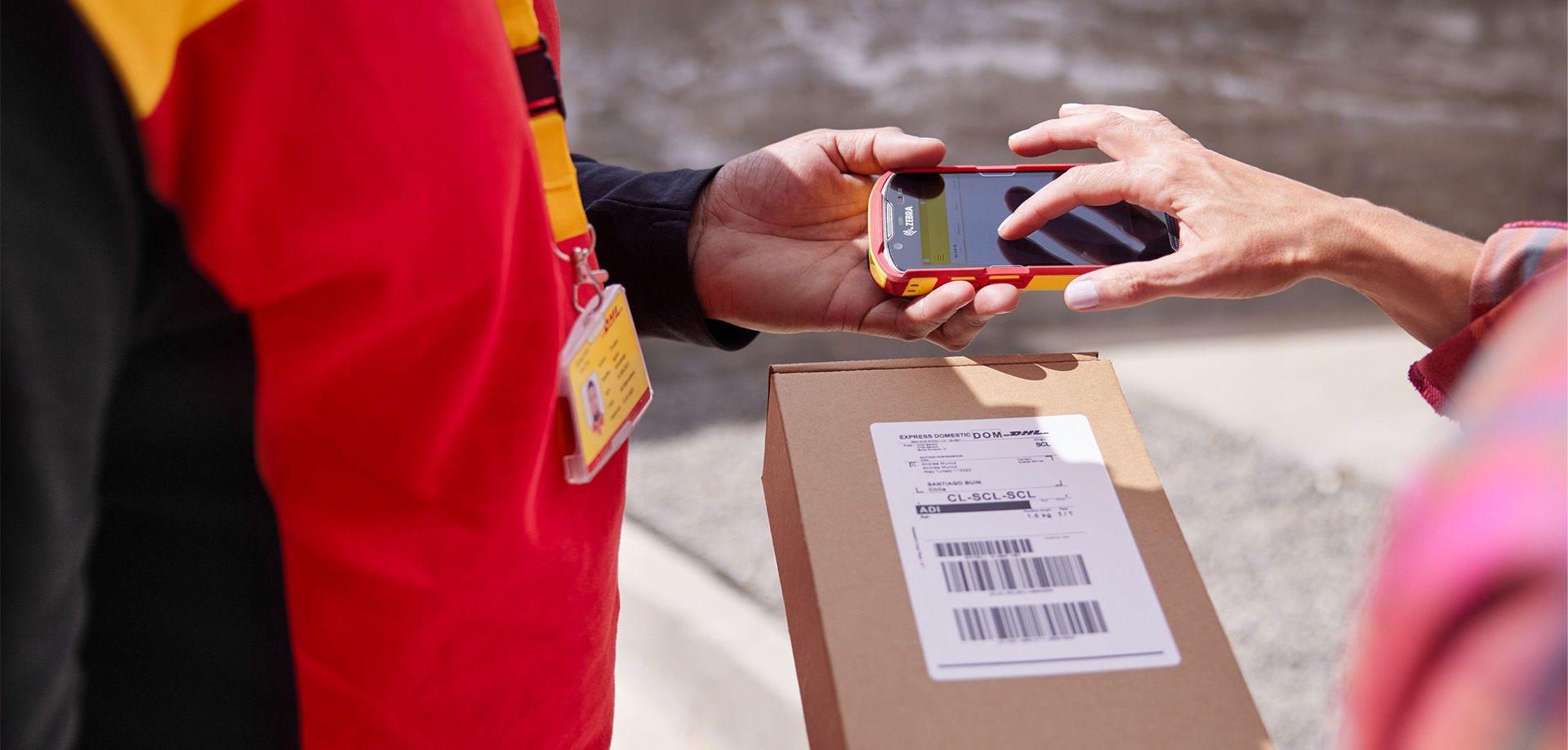
We use digital platforms that allow you to upload safety summaries and declarations directly to your waybill. Our specialists help ensure your safety data sheets meet the latest 2026 standards.


 Share
Share