1 - Vietnam Law and Legal Forum, January 2026
2 - Luat Vietnam, January 2026
3 - Vietdata, January 2026

The 2026 landscape for Vietnamese food exports is witnessing an unprecedented surge, as specialty products like premium highland coffee, dried seafood, and artisanal high-value snacks achieve record-breaking global turnover. This growth is anchored by a massive expansion in agricultural trade, which is expected to reach USD 73–74 billion, up nearly USD 4 billion from 20251.
However, this booming demand is met by a widening compliance gap. While global appetite for Vietnamese flavors is at an all-time high, many SMEs are navigating a challenging regulatory shift following the January 2026 amended Law on Food Safety. By introducing a rigorous, risk-based inspection system for all food shipments, this legislation has fundamentally shifted how goods are cleared at international borders. This new landscape requires a level of technical precision and digital traceability that can be daunting for traditional producers accustomed to older, more uniform protocols.
This is where strategic logistics becomes the bridge between local quality and global entry. DHL Food Express provides the specialized expertise necessary to translate these complex safety profiles into successful deliveries.
Success in international food shipping begins with identifying which products are stable enough for air transit and compliant with general safety standards. Generally, items must be non-perishable with a shelf life of at least six months to be processed as standard cargo by most customs authorities. Eligible items for DHL Food Express include:
The January 2026 amendments to the Law on Food Safety have classified certain items as high-risk, requiring stricter oversight or outright bans to prevent cross-border contamination. This updated legal framework now mandates continuous state inspection throughout the entire circulation process, alongside a crackdown on how food products are advertised across e-commerce and social media platforms2.
To remain compliant, exporters must prove they meet rigorous standards for storage conditions and quality management systems, backed by comprehensive technical documentation and a professionally qualified team specifically responsible for food safety. Consequently, when shipping food, any item that lacks a clear manufacturer’s label or an English ingredient list is likely to be rejected.
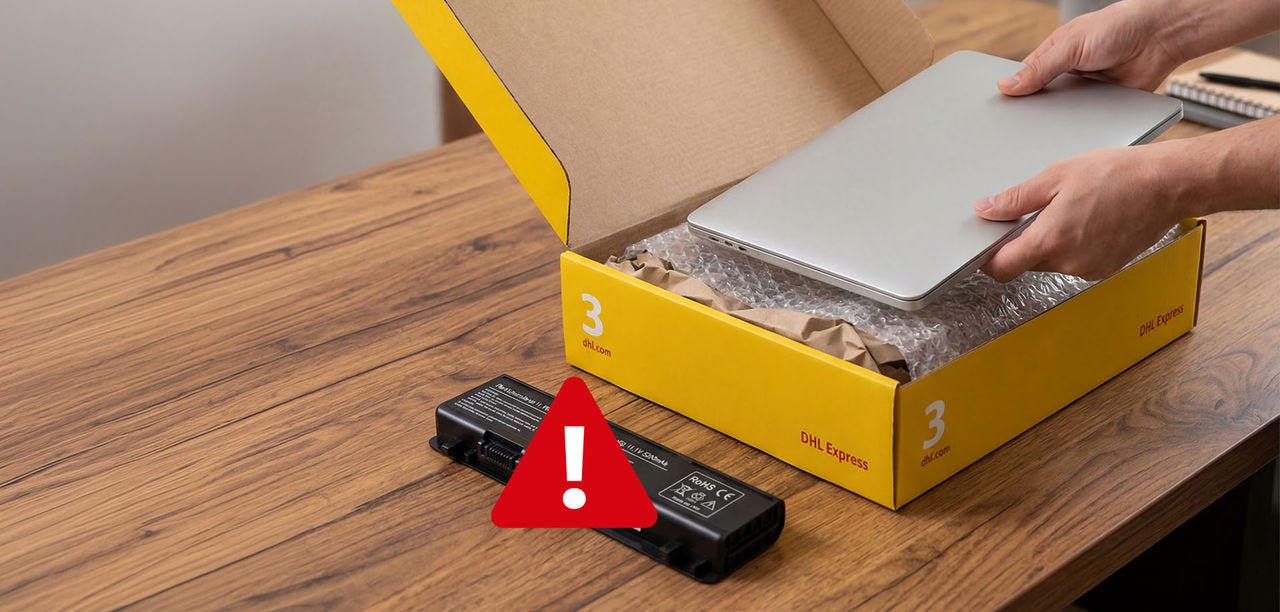
Prohibited or restricted items include:
It’s important to remember that these customs restrictions are not universal; they vary significantly by destination and are subject to the specific biosecurity priorities of the importing nation. For example, while the US FDA demands rigorous facility registration and prior notice for every shipment, China now mandates General Administration of Customs of the People's Republic of China (GACC) registration for nearly all food production facilities, regardless of the product’s perceived risk level4. Navigating these diverging standards requires a proactive approach to compliance, as a single oversight in registration can lead to your brand being blacklisted from a major regional market.
Navigating regional "deal-breakers" is essential for sending food products across different continents, as biosecurity and health standards vary wildly. In 2026, many regions have introduced automated screening for specific chemical residues, making pre-shipment vetting a requirement for survival. To ensure your brand remains compliant, monitor these critical regional watchpoints:
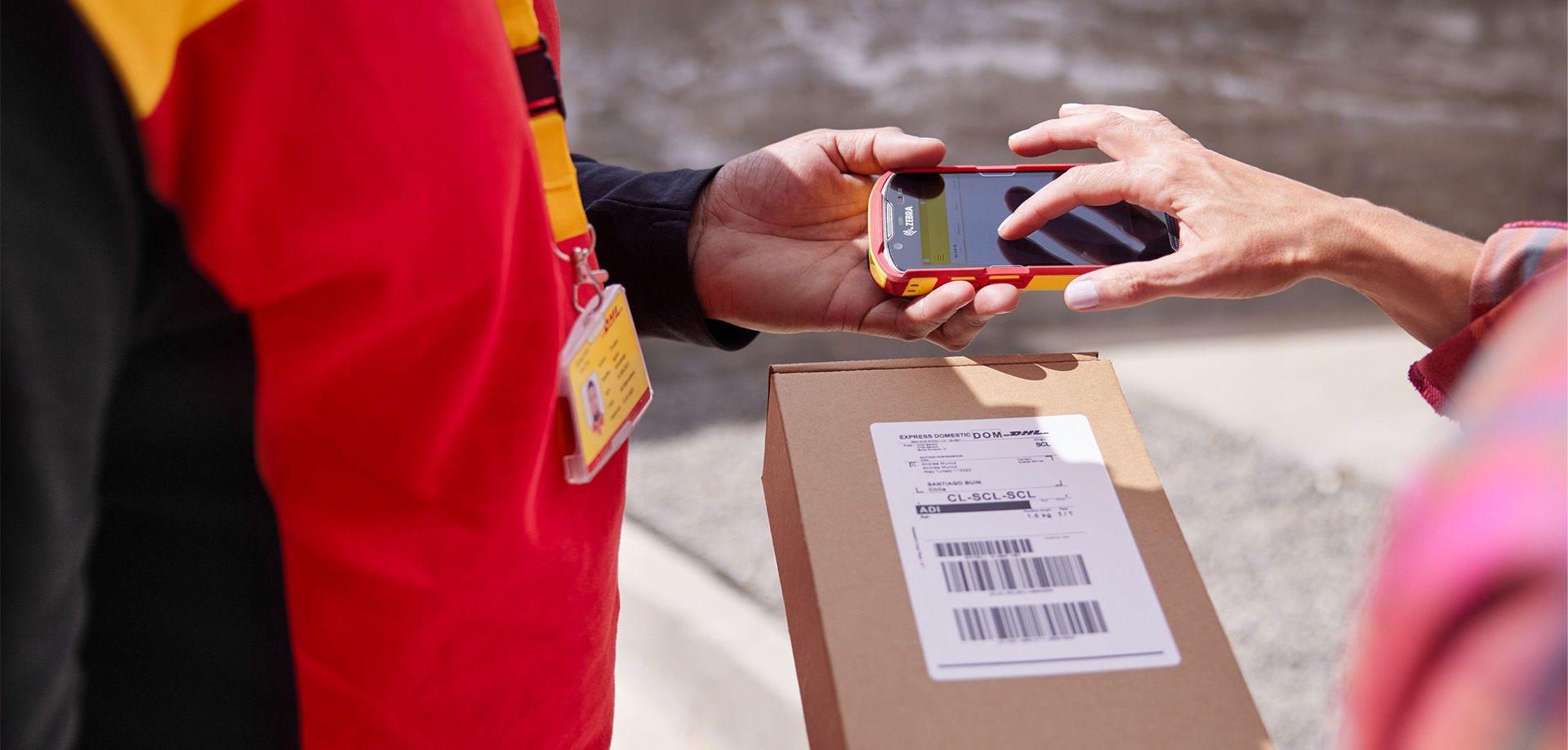
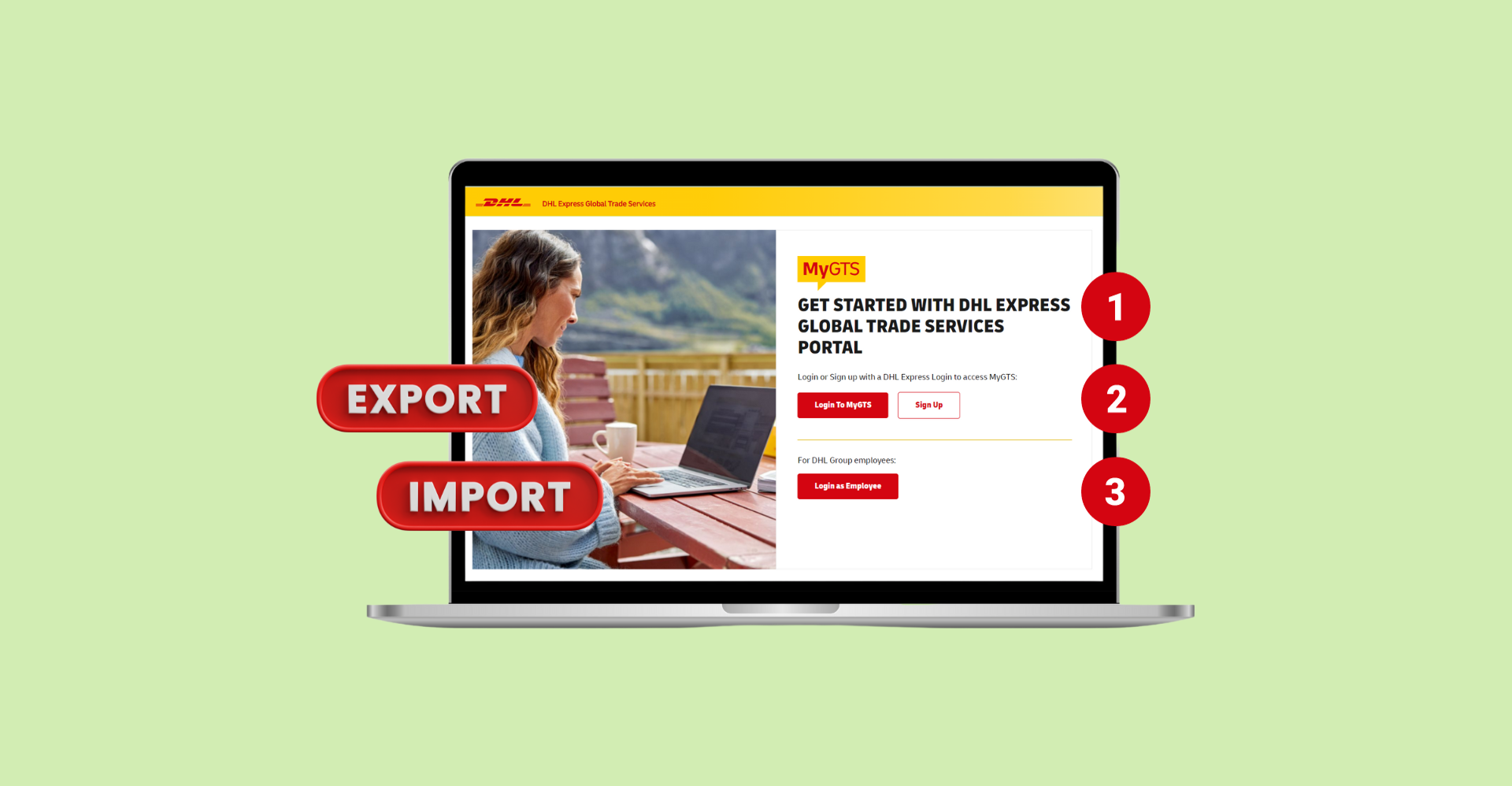
In 2026, documentation serves as the digital passport for your food products, and a single missing form can result in an entire shipment being quarantined. Lacking even a single international shipping document or form can lead to a total loss of the shipment, making precise paperwork the most critical step in the export process.
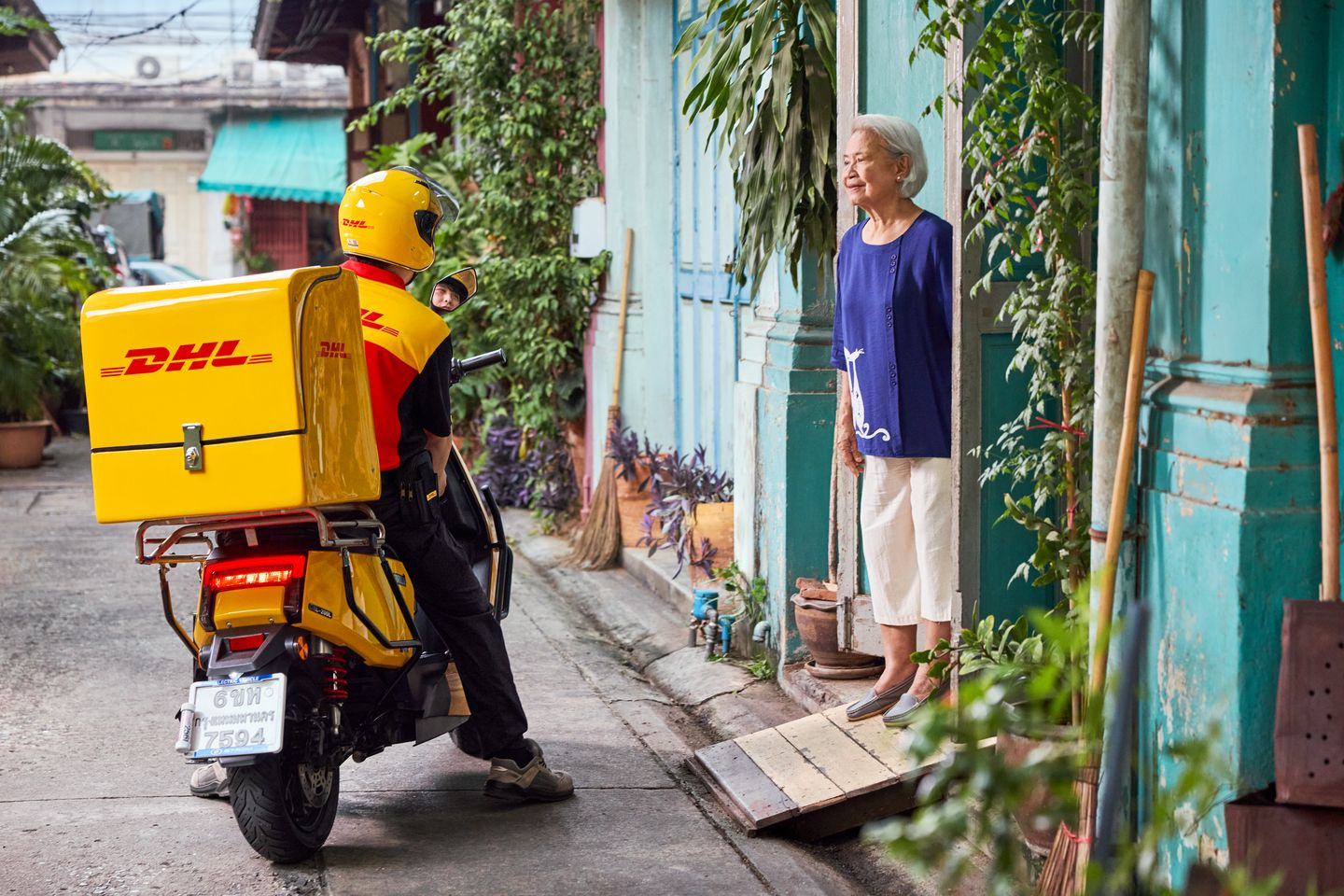
Packaging is your first and most vital line of defense against the rigors of international transit. High-quality materials not only protect the physical product but also ensure that the sensory experience, the aroma and texture, remains intact for the end consumer.
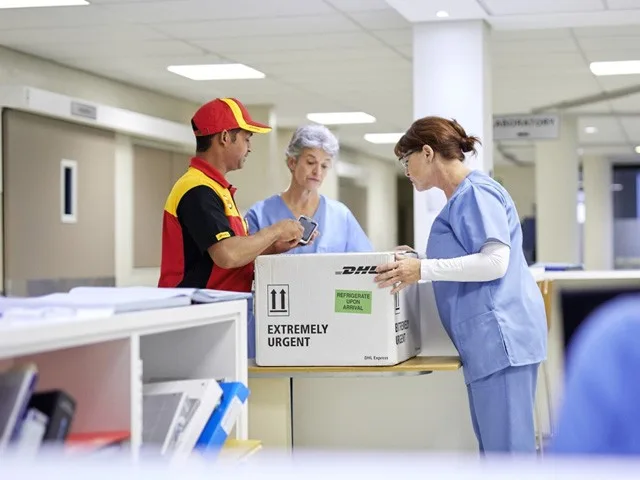
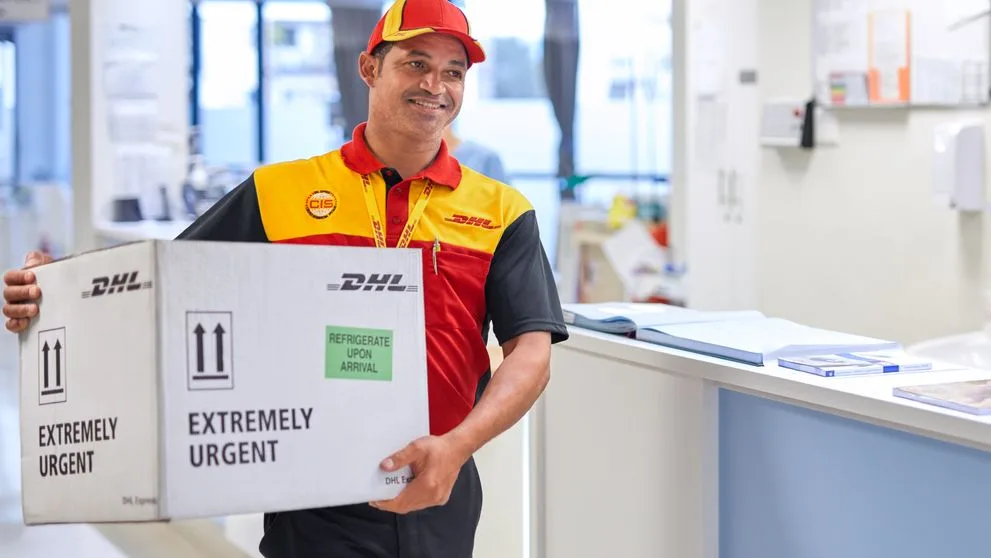
For heat-sensitive items like premium chocolates or delicate pastries, maintaining a stable micro-environment is the only way to prevent melting or texture degradation during transit. Modern cold chain logistics solutions allow for precise temperature management even within a high-speed express network, ensuring that environmental fluctuations outside the box never compromise the integrity of the product inside. By combining advanced insulation with specialized cooling agents, you can effectively pause the clock on perishability.
To achieve this level of thermal stability, follow these technical packaging standards when shipping your temperature-sensitive food exports:
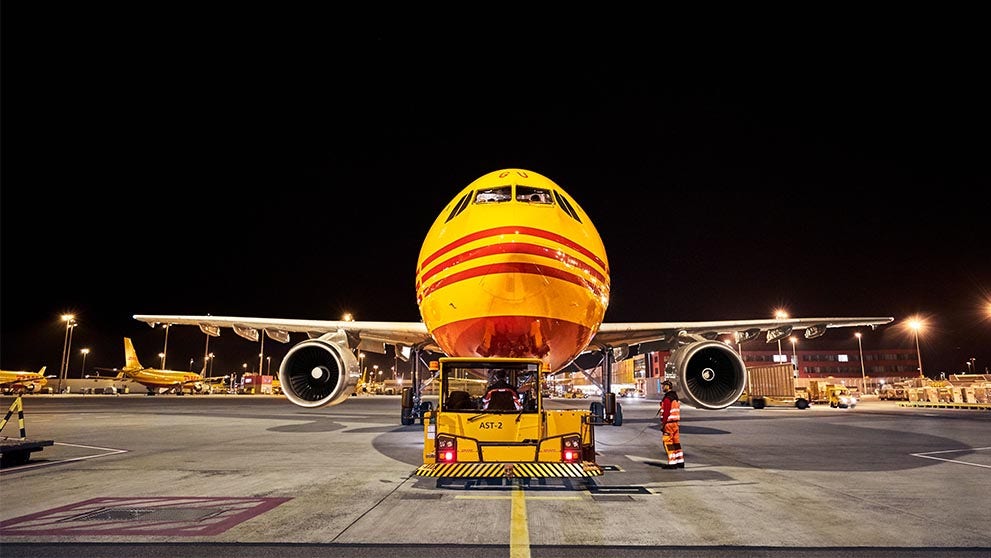
While these physical barriers are essential, the most effective way to combat temperature fluctuations is to minimize the duration of the journey itself. DHL Express’ rapid transit times serve as the ultimate preservative, moving your products across borders in a fraction of the time required by traditional freight. This industry-leading speed ensures that the authentic flavors of Vietnam remain fresh and vibrant upon arrival at your customer's doorstep, effectively closing the gap between your kitchen and the global consumer through a seamless global shipping experience.
DHL Express provides far more than mere transportation; we offer a specialized consultation framework designed to ensure Vietnamese brands successfully meet the latest 2026 labeling and phytosanitary standards. This expertise is vital for navigating the New Phytosanitary Certificate format issued by Vietnam's Ministry of Agriculture and Rural Development (MARD), which became the mandatory standard as of July 2025. By working directly with SMEs to prepare technically precise commercial invoices and packing lists, our team ensures that every shipment aligns perfectly with international food protocols before it even reaches the airport.
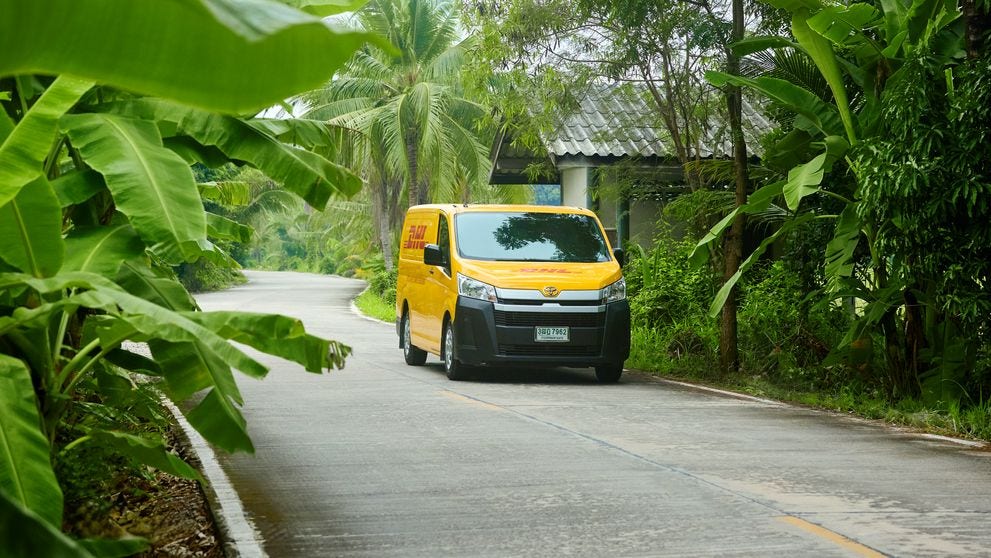
Beyond regulatory support, our service is engineered for scalability through a "Send More, Save More" pricing model. With promotional rates starting from VND 170,000/kg, we provide the cost-efficiency necessary for local brands to test and penetrate new markets without excessive overhead. This is paired with the power of proactive tracking, giving you and your international customers real-time visibility into every milestone of the journey. Supported by a robust door-to-door network of over 220 vehicles in Vietnam, DHL Express makes global expansion feel as seamless and reliable as a local delivery.
International compliance is the definitive key to scaling your F&B brand, and DHL Food Express makes that key accessible to every Vietnamese entrepreneur. By mastering the complexities of the 2026 Law on Food Safety and international import standards, we allow you to focus on the art of production while we handle the science of global distribution.
With the right packaging, meticulous documentation, and a reliable international shipping company, the taste of home can truly become a global success story. Don't let regulatory hurdles hold your flavors back from reaching the world's tables.
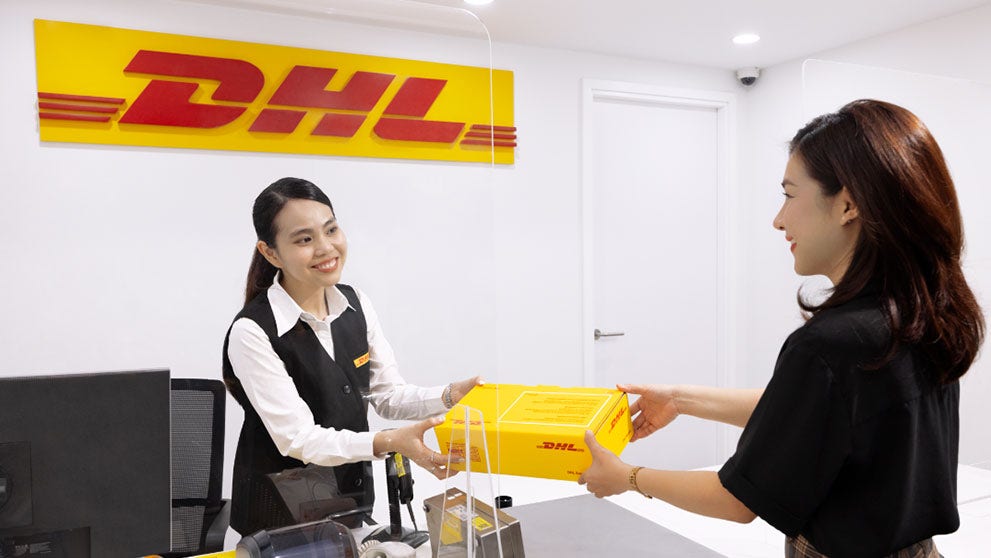
Ready to export your specialty food products? Contact 028 3948 6767 to schedule a pickup or visit your nearest DHL Express ServicePoint for consultation and support to start shipping today.
If you’re looking to scale your volume, open a DHL Express business account today to unlock exclusive 2026 food export rates and personalized logistics support.
1 - Vietnam Law and Legal Forum, January 2026
2 - Luat Vietnam, January 2026
3 - Vietdata, January 2026


 Share
Share