#LogisticsAdvice

UAE–Ukraine Trade Agreement: What Businesses Need to Know

3 min read
Desktop

Overview

The UAE continues to strengthen its position as a global trading hub through strategic partnerships that create new opportunities for businesses. One of the latest milestones is the Comprehensive Economic Partnership Agreement (CEPA) between the United Arab Emirates and Ukraine, which officially entered into force on 1 July 2026.

For businesses planning on shipping to Ukraine from the UAE, the agreement opens the door to greater market access, reduced trade barriers, and new opportunities for international growth. Whether you're an SME, an established exporter, or an e-commerce business, understanding how the UAE–Ukraine CEPA works—and how to prepare your shipments correctly—can help you expand into the Ukrainian market with confidence.

What is the UAE–Ukraine CEPA?

The UAE–Ukraine Comprehensive Economic Partnership Agreement (CEPA) is a bilateral free trade agreement designed to strengthen economic cooperation by facilitating trade, encouraging investment, and reducing barriers between the two countries.

By improving market access and simplifying cross-border trade, the agreement supports businesses looking to expand internationally while reinforcing the UAE's position as a global logistics and trade hub.

For UAE businesses, the CEPA creates new opportunities to build commercial relationships with Ukrainian partners while benefiting from a more efficient trading environment.

Key Benefits of the UAE–Ukraine CEPA

The agreement is designed to make trade between the UAE and Ukraine faster, more efficient, and more cost-effective.

Some of the key benefits include:

  • Reduced or eliminated customs duties on many qualifying goods, helping lower the cost of importing and exporting.
  • Improved market access, making it easier for UAE businesses to enter the Ukrainian market and for Ukrainian companies to access the UAE.
  • Simplified customs and trade procedures, reducing administrative barriers and supporting smoother cross-border trade.
  • Stronger supply chains, with more efficient movement of goods between the two countries.
  • Greater investment opportunities, encouraging long-term business partnerships and economic cooperation.
  • Improved competitiveness, allowing businesses to offer products at more competitive prices through lower trade costs.
  • New opportunities for SMEs, enabling smaller businesses to expand internationally with fewer trade barriers.       

To take advantage of these benefits, businesses must still comply with customs regulations, use the correct HS codes, meet the agreement's rules of origin, and prepare the required shipping documentation.

Which Industries Could Benefit?

Rather than benefiting every sector equally, the agreement is expected to create opportunities where the UAE and Ukraine have complementary strengths.

Food and Agribusiness:
Ukraine is a major exporter of grains, vegetable oils and agricultural products, creating sourcing opportunities for UAE importers while opening export channels for food processing and distribution businesses.

Industrial Manufacturing: Companies trading machinery, industrial equipment, electrical components and engineering products may benefit from improved market access and more efficient customs procedures.

Healthcare and Pharmaceuticals: Medical devices, healthcare technologies and pharmaceutical products can benefit from stronger commercial cooperation and reliable international logistics.

Retail and E-commerce: Fashion, beauty, electronics and lifestyle brands selling across borders can reach customers more efficiently through reliable express shipping and customs support.

Construction and Infrastructure: Businesses supplying building materials, engineering solutions and industrial products may find new opportunities as commercial activity grows.

Logistics and Supply Chain: Increased trade creates greater demand for customs brokerage, international express shipping, shipment visibility and trade expertise.

How to Ship to Ukraine from the UAE

Successfully exporting goods requires more than simply arranging transportation. Businesses should prepare their shipments carefully to minimise delays and ensure compliance with customs requirements.

Before shipping, businesses should:

  • Prepare accurate commercial invoices.
  • Verify product descriptions and declared values.
  • Confirm destination-specific customs requirements.
  • Use the correct HS code for every product.
  • Determine whether a Certificate of Origin is required.
  • Package goods securely for international transportation.
  • Work with an experienced international logistics provider.

Careful preparation helps shipments move through customs more efficiently and reduces the risk of delays.

Understanding HS Codes, Tariffs, and Customs Requirements

One of the most important aspects of benefiting from the UAE–Ukraine CEPA is ensuring products are classified correctly.

Every product shipped internationally is assigned a Harmonized System (HS) code, which customs authorities use to determine the applicable duties, taxes, and eligibility for preferential treatment under trade agreements.

Using the correct HS code for Ukraine tariffs is essential. Incorrect product classification may result in shipment delays, additional duties, or the loss of preferential tariff benefits available under the agreement.

To qualify for reduced or eliminated tariffs, businesses may also need to provide:

  • Commercial Invoice
  • Packing List
  • Certificate of Origin (where applicable)
  • Customs Declaration
  • Supporting documentation demonstrating compliance with the agreement's rules of origin

Understanding these requirements before shipping helps ensure a smoother customs clearance process.

dhl plane

What This Means for Exporters and Importers

While the UAE–Ukraine CEPA creates valuable opportunities for businesses, reduced tariffs do not remove the need for accurate customs documentation.

To benefit from preferential tariff treatment, exporters and importers should ensure they:

  • Use the correct product classification and HS codes.
  • Prepare complete shipping documentation.
  • Meet the agreement's rules of origin.
  • Provide certificates where required.
  • Understand destination-specific customs regulations.

Having an experienced logistics partner can simplify these requirements by providing guidance on documentation, customs brokerage, and shipment preparation.

Shipping to Ukraine from the UAE with DHL Express

For businesses planning on shipping to Ukraine from the UAE, choosing an experienced logistics partner is essential.

DHL Express supports businesses with reliable international shipping solutions backed by one of the world's largest logistics networks.

Whether you're shipping urgent documents, e-commerce parcels, commercial goods, spare parts, or business samples, DHL Ukraine shipping solutions help simplify international trade through:

  • Fast international express delivery
  • Global shipment visibility with end-to-end tracking
  • Customs brokerage expertise
  • Guidance on export documentation
  • Assistance with customs clearance procedures
  • Reliable door-to-door delivery
  • Dedicated support for international shipping requirements

With decades of international logistics experience, DHL helps businesses navigate customs requirements while keeping shipments moving efficiently across borders.

Making the Most of New Trade Opportunities

The UAE–Ukraine CEPA marks another step in the UAE's commitment to strengthening international trade and supporting business growth. As new opportunities emerge, businesses that invest in efficient logistics and international expansion strategies will be well positioned to reach new customers and markets. If your business is ready to explore opportunities in Ukraine or other international markets, DHL Express UAE can help you ship with confidence through reliable global delivery solutions and trusted customs expertise.

Frequently Asked Questions

The UAE–Ukraine Comprehensive Economic Partnership Agreement (CEPA) reduces or eliminates customs duties on thousands of qualifying products traded between the two countries. Many UAE exports to Ukraine, including selected industrial goods, machinery, food products, chemicals, plastics, and manufactured items, may qualify for preferential tariff rates when they meet the agreement's rules of origin.

Whether your shipment is eligible depends on several factors, including the product's HS code, where it was manufactured, and whether it satisfies the CEPA origin requirements. Before exporting from the UAE, businesses should verify their product classification and prepare the correct customs documentation to maximise the available tariff benefits.

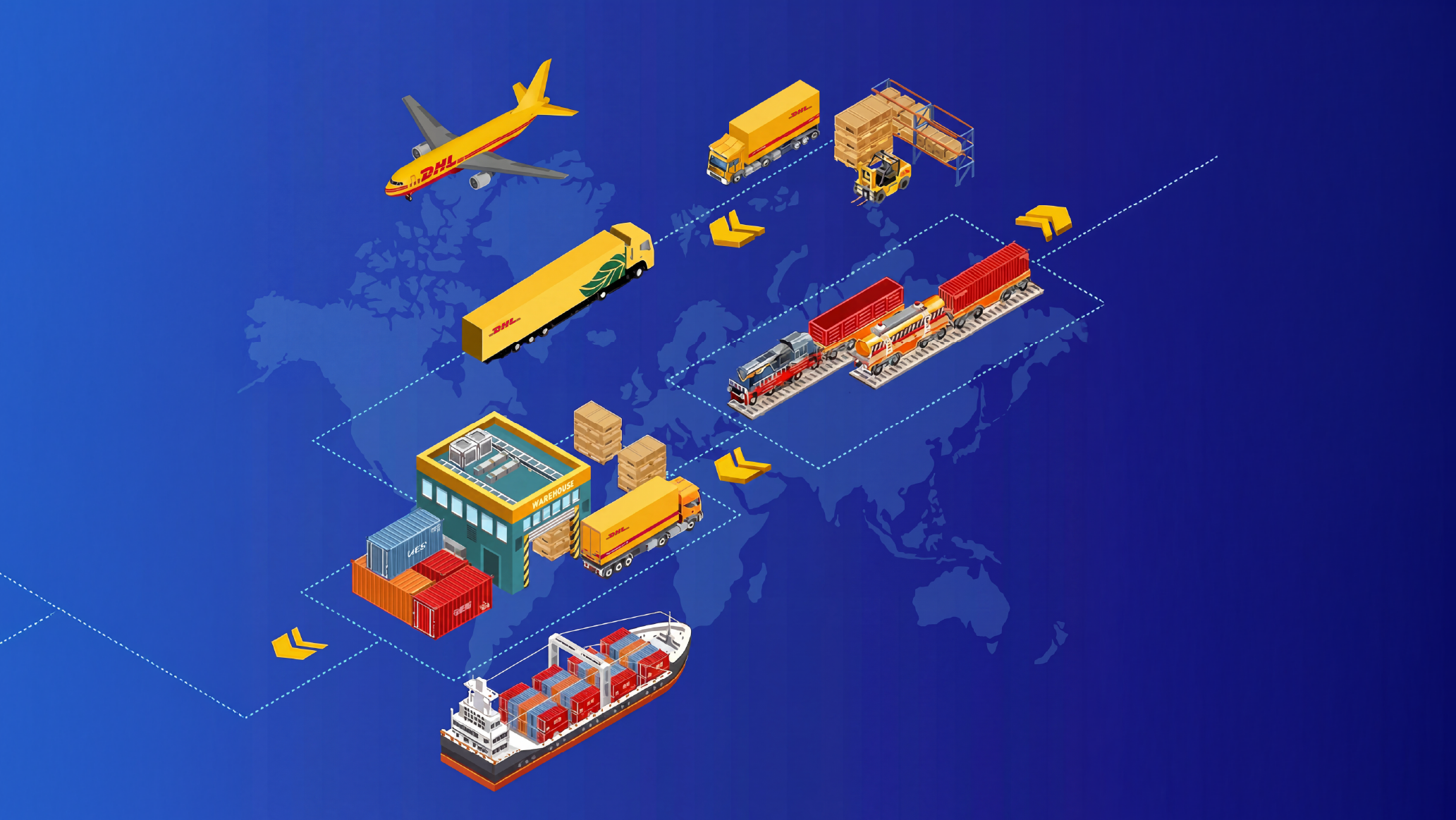
Shipping goods from the UAE to Ukraine is straightforward with DHL Express. Businesses can arrange door-to-door international shipping, benefit from real-time shipment tracking, customs clearance support, and fast transit times through DHL's global logistics network.

To ensure smooth delivery, exporters should prepare the required shipping documents, use the correct HS code, and confirm whether their products qualify for CEPA tariff benefits. DHL Express also provides guidance on customs requirements, helping UAE businesses reduce delays and simplify international trade with Ukraine.

Whether you're shipping commercial goods, e-commerce orders, or B2B exports, choosing an experienced international logistics provider helps ensure your shipments comply with both UAE and Ukrainian customs regulations.

To benefit from the preferential tariff rates available under the UAE–Ukraine CEPA, exporters should ensure all required customs documents are complete and accurate. Depending on the shipment, the following documents may be required:

  • Commercial Invoice
  • Packing List
  • Correct HS Code classification
  • Certificate of Origin (where applicable)
  • Export and Customs Declaration
  • Any additional documents requested by UAE or Ukrainian customs authorities

Incomplete or inaccurate paperwork can delay customs clearance or prevent businesses from claiming the agreement's reduced tariff rates. Before shipping internationally, it's recommended to verify the documentation requirements for your specific products.

An HS (Harmonized System) code is an internationally recognised product classification system used by customs authorities worldwide. Every product being imported or exported is assigned an HS code, which determines the applicable customs duties, taxes, import restrictions, and eligibility for trade agreements such as the UAE–Ukraine CEPA.

Using the correct HS code is essential because it helps customs authorities accurately identify your products, speeds up customs clearance, reduces the risk of shipment delays, and ensures qualifying goods can benefit from preferential tariff treatment under the agreement.

Incorrect HS codes may lead to customs inspections, additional duties, shipment delays, or penalties. Businesses exporting from the UAE should always verify the correct classification before shipping internationally.