- Power Retail, March 2024
- SmartDev, June 2025
- Workiva, January 2026
- Roy Morgan, May 2025
- Yahoo, January 2026
- Department of Foreign Affairs and Trade, Accessed January 2026

In 2026, the global logistics landscape is undergoing a fundamental transformation driven by technological leaps and new regulatory pressures. To ensure continued performance and enhance productivity, staying ahead of current and emerging trends is essential for any Australian business.
This year, the change for Australian e-commerce is one of unprecedented scale; household penetration has reached a record high of over 82%1, effectively turning the country’s geographic distance into a hurdle only smart shipping logistics can overcome. For local businesses, especially small and medium-sized enterprises (SMEs), this is a pivotal year to leverage technology and adopt effective trends in logistics and supply chain management as "force multipliers" to effectively compete with global giants.
This guide will provide an overview of the latest supply chain and logistics industry trends and the future of the industry, sharing insights into navigating "agentic" AI, mandatory carbon reporting, and shifting Indo-Pacific trade corridors. We will also examine how DHL Express can empower your business to navigate these logistics market trends to stay ahead of the curve.
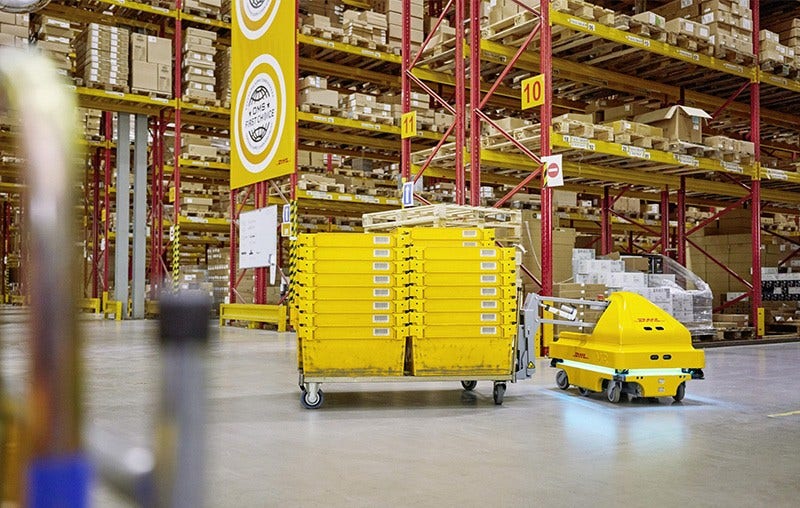
In logistics, artificial intelligence is no longer a futuristic concept; it is the current trend in logistics and supply chain management that is redefining performance and productivity. A 2024 Gartner report estimated that by 2026, 70% of logistics providers will implement AI-driven solutions to enhance supply chain resilience and reduce costs2. In 2026, the focus is shifting towards "agentic" AI, autonomous systems that don’t just suggest actions but independently execute them. This can include:
To support this shift, SMEs should utilise the Australian Government’s Industry Growth Program, which connects businesses to Industry Growth Program Advisers and Industry Partner Organisations to support key growth projects and explore grant opportunities. Alternatively, SMEs can consult AI Adopt Centres to access grants of $3 million to $5 million to fund AI-driven supply chain digitisation.
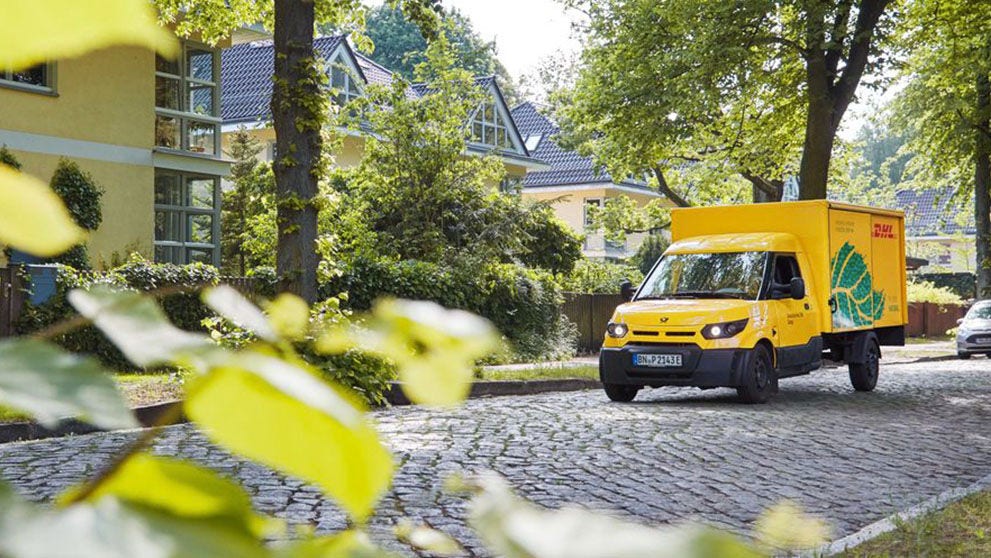
Mandatory climate disclosures for Group 2 entities (revenue >$200M) will begin on 1 July 20263, making Scope 3 tracking (emissions across the supply chain) essential for business’ SME suppliers. Additionally, sustainable logistics will continue to evolve from a side project into a primary revenue driver for many businesses, as 73% of Australian consumers now prioritise brands that offer green delivery options4. This is bringing about transformative shifts such as:
Businesses can better meet international emissions targets for their exports by partnering with carriers like DHL Express to leverage the GoGreen Plus programme, which facilitates carbon insetting by replacing traditional jet fuel with Sustainable Aviation Fuel (SAF) while providing audited, shipment-level emissions tracking and reporting to simplify your mandatory climate disclosures.

Elastic logistics provides the flexibility to scale shipping logistics up or down in response to seasonal surges, new sales channels, or sudden demand shifts. In the logistics industry, elasticity has become a critical attribute for survival. Hence, local businesses should invest in digital agility and decentralised infrastructure to ensure they can pivot as quickly as consumer habits. This involves a proactive focus on the following:
If your business is facing challenges in adapting to the trend of fluctuating demand or high overhead costs from fixed-capacity infrastructure, partnering with flexible providers like DHL Express allows you to access a "buffer" network that grows with you during peak periods without the overhead of long-term warehouse leases.
Navigating international shipping in 2026 means managing the impact of global trade shocks and US-led tariffs ranging from 10% to 50% on Australian advanced manufacturing exports6. Adapting to these transportation and logistics industry trends through the following is essential for maintaining business performance:
To scale seamlessly and remain nimble amid trade shifts, local businesses should also leverage digital customs tools such as MyDHL+ to automate complex documentation and avoid costly cross-border delays. The platform intelligently extracts data from your previous entries to auto-populate essential forms such as Commercial Invoices and Export Declarations, while providing real-time access to accurate Commodity Tariff Codes to ensure your shipments meet the specific regulatory requirements of each destination.
As consumer behaviour and global e-commerce trends continue to evolve, staying up to date on the latest trends in logistics and supply chain management is the only way to remain competitive. This year, intelligent logistics, sustainability, and elastic fulfillment will present opportunities for Australian businesses of all sizes to navigate market volatility and capture a larger share of the global market.
Partnering with a trusted international carrier like DHL Express is essential to overcoming geographic hurdles and ensuring your products clear customs with zero delays. DHL Express isn’t just a carrier; it is the digital backbone that lets local startups act like a global powerhouse.
Secure your 2026 shipping strategy today by opening a DHL Express business account to unlock preferential shipping rates, leverage automated digital customs tools, and join the GoGreen Plus movement for sustainable, carbon-reduced delivery.


 Share
Share