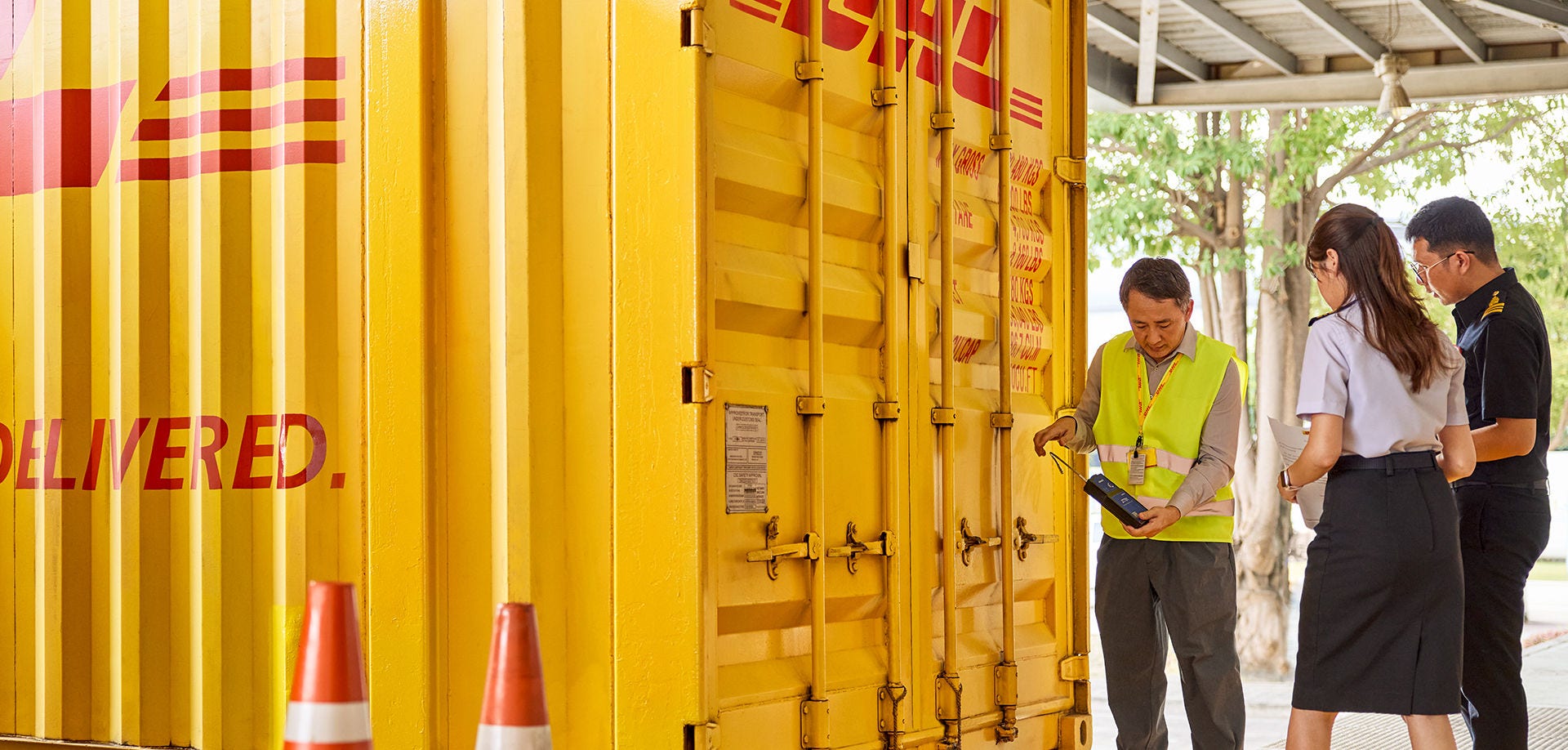
Manual data entry is a common cause of delivery errors once order volume spikes during a live sale. By syncing your warehouse tools directly with your shipping platform, the system pulls transaction data straight from your storefront and prepares it for international transport without anyone needing to touch a keyboard.
How MyDHL+ takes the manual work out of batch shipping
Using MyDHL+ allows high-volume sellers to generate hundreds of international airway bills in a single batch. This approach means your team can skip the manual entry process and focus on the critical tasks of picking and packing. When the next flash sale hits, your shipping pipeline will continue to move smoothly.
Three automated checkpoints in your fulfilment workflow
This is what happens automatically once an order is placed:
- Instant Syncing: The system imports buyer details the moment the digital checkout process is completed.
- Batch Generation: Your team can print hundreds of international air express labels with one click.
- Courier Notification: Automated alerts schedule a Dedicated Pickup to match your warehouse's specific output needs.
What customs strategies prevent delivery delays during retail peaks?
International orders can face customs hold risks if commercial invoices lack clear product descriptions or accurate valuation, and customs authorities are able to halt packages with vague declarations. Such a backup during a peak sales event is what turns into border delays and unhappy buyers.
How pre-clearance keeps parcels moving
DHL Express's customs tools let cross-border merchants submit pre-clearance documents digitally before the flight even lands. This allows customs officers to review and clear your e-commerce parcels while the aircraft is still in transit. Using the Duty Tax Paid option means you pay import fees upfront, which helps to clear regulatory hurdles before the parcel arrives at its destination.
A single held parcel during a peak sales event can cost you around BDT 6,150 in expedited reshipping and customer service time, and that expense adds up quickly across a whole broadcast's worth of orders.
Three details customs checks first
Getting these details right will help your low-value parcels move through customs with far fewer hold-ups:
- Precise Description: It is important to avoid vague terms like ‘apparel’ and instead list specific items, such as ‘knit cotton t-shirt’.
- Harmonised Codes: You should include accurate HS codes for every product line in your shipment, cross-checked against the official tariff schedule on the Bangladesh Trade Portal.
- Value Consistency: Always ensure that the declared commercial invoice value matches the actual transaction price.
The 'de minimis' threshold—the value below which goods can be imported duty-free—is set by your destination country, not Bangladesh. For your key export markets, this means: * United States: The de minimis threshold is USD 800, as confirmed by U.S. Customs and Border Protection. * European Union: There is no VAT de minimis (VAT applies to all imports), but customs duties are waived for goods valued at or below €150, according to the European Commission.
For your own export processing from Bangladesh, the National Board of Revenue (NBR) requires accurate documentation for every shipment. This includes not just the commercial invoice but also ensuring the details match your EXP Form filed with your bank to ensure smooth repatriation of funds.
Finally, remember that air cargo capacity tightens quickly during peak shopping periods like Eid al-Fitr, which sees a major surge in online sales.
How does flexible last-mile delivery protect your seller ratings?