Drawback in Brazil: the regime that strips tax from export inputs

Maria Fernanda Font
Maria Fernanda Font
8 min read
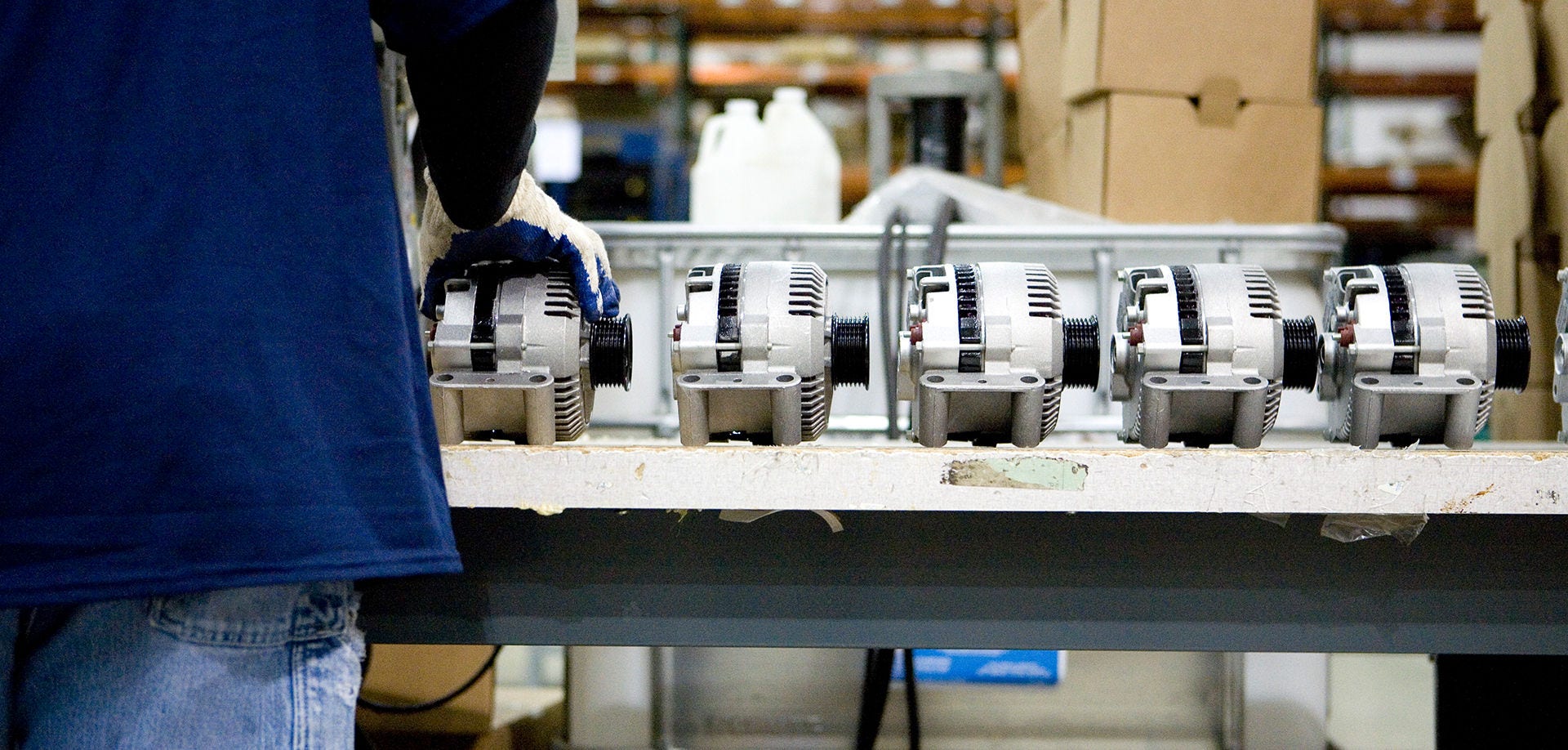
Worker checking parts on a production line that uses imported inputs

Drawback in Brazil is the special customs regime that suspends, exempts or refunds taxes on an input that is imported or bought locally and then used in a product for export. The company takes on an export commitment, records every step in Siscomex and closes the grant within its deadline. Source: Portal Siscomex, September 2026.

If you manufacture in Brazil and sell abroad, the squeeze arrives long before the invoice does. Steel, resin or a circuit board clears customs fully taxed, cash leaves on the spot, and the export revenue only lands months later. Drawback exists to close that working capital gap through a legal route.

What does drawback actually suspend?

Under the suspension route, the regime suspends the Imposto de Importação (Brazilian import duty), the IPI (federal excise tax), the PIS/Pasep and Cofins contributions and their two import counterparts, on purchases abroad and on purchases inside Brazil. Source: Decree 6,759/2009 (the Brazilian Customs Regulation), article 383, item I, based on Law 11,945/2009, article 12.

One detail catches most foreign parent companies by surprise. The benefit reaches the Brazilian supplier too. Buying steel plate from a mill in Minas Gerais under the grant removes the same tax load that an import would carry, which often shortens lead time and cuts freight out of the equation entirely.

What are the three routes and which one fits your operation?

The three modalities map onto three different moments of the cycle: before you export, after you export, and after the tax has already been paid. The table below sums up what each one does and who signs it off.

Modality

What it does

Granting body

When it fits

Suspension

Suspends import duty, IPI, PIS/Pasep and Cofins on the input

Secex

Before production, with exports contracted or forecast

Exemption

Replaces stock with duty exemption and zero rate on the rest

Secex

After exporting, to rebuild the raw material consumed

Refund

Refunds tax paid on an input already exported

Receita Federal

Residual cases, barely used today

Source: Decree 6,759/2009, article 383, and Portal Siscomex, September 2026. Secex is the Brazilian Foreign Trade Secretariat, and Receita Federal is the federal tax and customs authority. Suspension carries most of the volume because it acts at the moment the money would hurt.

How long does the drawback grant last?

The suspension grant, called ato concessório in Portuguese, runs for one year from the date it is approved, with a single extension for an equal period requested in Siscomex by the last day of the original term. Source: Secex Ordinance 44/2020, article 19.

Capital goods get a heavier exception. When the production cycle runs longer than one year, successive extensions are available up to a ceiling of five years of regime validity, always filed while the grant is still valid, under article 20 of the same ordinance. Shipyards and turbine makers live inside that extended clock.

The exemption route is tighter: up to one year from issuance, extendable once, capped at two years (Secex Ordinance 44/2020, article 70).

What happens if the export never ships?

The regime does not turn into an automatic penalty, but it demands a fast decision. Within thirty days of the export deadline, the company has to return the goods abroad, destroy them under customs supervision, release them to the Brazilian market paying the suspended taxes plus statutory charges, or hand them over to the National Treasury. Source: Decree 6,759/2009, article 390, item I.

There is slack in the other direction. Closure still counts as regular when exports tied to the grant exceed forecast quantities by up to 20%, or when imports and exports fall short but keep the same ratio between input acquired and product exported (Secex Ordinance 44/2020, article 43). Forecasting with a margin does not break the grant.

What does the Brazilian tax reform change in drawback?

One thing changes and another disappears. Payment of IBS and CBS, the two consumption taxes created by the reform, is suspended on imports while the goods sit under a special processing regime, and that suspension reaches both imported and locally bought inputs. Source: Complementary Law 214/2025, articles 90 and 90, paragraph 2.

What disappears is half the menu. Article 91 of the same law states plainly that the exemption and refund modalities of drawback do not apply to IBS and CBS. Companies using drawback exemption to rebuild stock will keep the import duty exemption, and will have to handle the two new taxes another way.

Requirements and conditions for the suspension were handed to secondary regulation (article 90, paragraph 3). The framework already exists in Decree 12,955 of 29 April 2026, which regulates CBS, and in CGIBS Resolution 6 of 30 April 2026, which regulates IBS. The operational detail inside the drawback module still depends on a specific joint act from both tax authorities, so this is a live file, not a settled one. Read it alongside the guide to tax reform on imports into Brazil.

How do you qualify, and what does the single window require?

Secex grants suspension and exemption; Receita Federal handles refunds. The request goes through an electronic form in a dedicated Siscomex module, carrying the Mercosur tariff code, description, value and quantity of both the input and the product to be exported. Source: Secex Ordinance 44/2020, article 11.

The entry requirements come first, and none of them is a formality:

  • clearance to operate in foreign trade under the terms set by Receita Federal;
  • tax compliance with the National Treasury, evidenced by a clearance certificate;
  • majority shareholder free of any administrative misconduct conviction;
  • no entry in the federal register of unpaid credits.

If the analysis raises a formal demand, the answer is reviewed within thirty days and missing that window means rejection (article 15). Operating instructions sit in the 6th edition of the Siscomex Drawback Suspension Manual and the 3rd edition of the Exemption Manual, approved by Secex Ordinance 487 of 24 April 2026. Teams still wiring up systems will find the context in the guide to Siscomex for imports into Brazil.

When is drawback not worth it?

Not every import into Brazil deserves a grant. The regime demands stock control per input, invoice tracing, a technical report on the production process when requested, and a formal closure. For a small sample batch, that administrative cost eats the tax gain.

There are hard exclusions as well. Drawback suspension is not granted for goods bought in Brazil from a company under Simples Nacional, the simplified tax regime for small business, nor for inputs feeding products destined for consumption in the Manaus Free Trade Zone and the free trade areas (Secex Ordinance 44/2020, article 5). The equivalent rule applies to exemption, in article 51.

The practical test is blunt. If exports are recurring and the input weighs on cost, build the controls. If the foreign sale is occasional, run the landed cost with and without the regime before filing anything.

Frequently asked questions about drawback in Brazil

Yes, under the suspension route. Secex Ordinance 418/2025 inserted article 28-A into Secex Ordinance 44/2020: importing or contracting a service under the regime must happen inside the grant validity and is evidenced by an electronic service invoice carrying the Brazilian service nomenclature code.

The current restriction targets the purchase, not the buyer: drawback suspension is not granted for goods acquired in the Brazilian market from a company that opted for Simples Nacional, under article 5, item II, of Secex Ordinance 44/2020. Check your supplier's tax status before designing the chain.

No. Goods imported under drawback exemption are subject to automatic licensing, and the grant details have to appear in the licence request, under article 72 of Secex Ordinance 44/2020.

Yes, provided the suspended taxes on the corresponding inputs are paid first, with the statutory charges. That is the sole paragraph of article 389 of the Brazilian Customs Regulation, enacted by Decree 6,759/2009.

Drawback suspension grants stay available in Siscomex for access and inspection by the competent bodies (Secex Ordinance 44/2020, article 47). Secex grants the regime, and Receita Federal inspects the goods admitted under it.

Plan the shipment before you file the grant

Drawback rewards companies with an export calendar from Brazil and the discipline to record every movement. The one-year clock starts when the grant is approved, not when the input arrives, so every week lost between clearance and shipment shortens the window to deliver on the commitment.

If your operation already ships from Brazil, or is building its first regular flow, it helps to have international transport that keeps pace with that clock, with visibility at each stage and customs support at origin and destination. To get started, open a DHL Express business account.