Yes. The Receita Federal accepts Duimps filed by individual importers. For personal purchases that arrive as international parcels, however, the courier company files the declaration.



 Share
Share

Siscomex imports is the set of Brazilian government systems where a company files its import declaration, calculates duties and follows customs clearance. In 2026, filing happens on the Portal Único (the Single Foreign Trade Portal) through the Duimp, with a company registered in Radar and logged in by digital certificate or a gov.br silver or gold account.
The shipment is already in the air and the buyer's company still has no Radar registration? That is how many importers learn that Siscomex is not a form you fill in the night before. And 2026 adds a twist: Brazil is switching off the old import declaration in stages, and a declaration filed in the wrong system gets cancelled.
Siscomex stands for Sistema Integrado de Comércio Exterior, Brazil's Integrated Foreign Trade System, created by Decree No. 660 of 1992. It records and controls every formal import and export, with the Receita Federal (Brazil's Federal Revenue Service) in charge of customs and Secex (the Foreign Trade Secretariat) in charge of administrative controls.
Today "Siscomex" is an umbrella name for three separate environments, each with its own entry point:
Siscomex is one stage of a longer process that starts with choosing a supplier and ends with delivery. The full route, with costs and timelines, is in the guide to importing into Brazil. This article stays with the system.
The entry point is portalunico.siscomex.gov.br, under the "Importador/Exportador/Despachante" option. People searching for "Siscomex Web" usually want exactly this: the place where you log in and file the declaration online.
Once inside, the Import module holds the day-to-day tools. According to the Receita Federal manual updated in April 2026, the menu includes:
One thing you only notice on the first login: different user profiles see different menus. If a function is missing, the selected profile is the usual culprit, not a lack of permission.
For air and ocean imports by companies with unlimited or express Radar, the general rule is already the Duimp (Declaração Única de Importação, the single import declaration). The official schedule has been retiring the DI in phases, most recently on August 31, 2026, with bulk ocean cargo leaving the DI on October 11 and every remaining operation on December 1, 2026. Source: Siscomex, DI shutdown schedule, version of September 14, 2026.
The rule has teeth. Under Portaria Coana No. 165/2024, which the Receita Federal restated in August 2026, a DI filed for an operation where the Duimp is mandatory is cancelled by customs. Siscomex publishes a shutdown simulator that tells you, by type of operation, which declaration applies today. Check it whenever an operation falls outside your routine.
There is one exception that hits new importers in particular. The Receita Federal states that the Duimp serves individuals and companies registered in any Radar category other than "limited". A company with limited Radar keeps filing DIs until the final date of the schedule. Source: Receita Federal, Duimp filing page, August 2026. The schedule is already on its 27th version, so check the date again close to shipment.
The table shows what changes in practice when an operation moves from DI to Duimp:
Aspect | DI (Siscomex Importação) | Duimp (Portal Único) |
Where it is filed | Legacy system | Import module of the Portal Único |
Product data | Typed into each declaration | Pulled from the Product Catalogue, which is mandatory |
Licence from a regulatory agency | LI | LPCO, inside the portal |
Documents | Supporting the DI | Electronic dossier, required when the Duimp is not cleared in the green channel |
When it can be filed | With the cargo in Brazil, as a rule | Before the cargo arrives or after it is stored |
Status in September 2026 | Limited to operations not yet switched off | Mandatory for most operations |
Sources for the table: Receita Federal, Duimp and Product Catalogue Q&A documents and Duimp filing page, 2024 to 2026.
Radar is the registration that allows a Brazilian CNPJ (company tax ID) to trade internationally, and without it there is no Siscomex import at all: no Duimp, no DI. The request goes through the Sistema Habilita inside the Portal Único, and it must be made by a partner or director listed in the company's ownership record.
Check the Receita Federal requirements first: enrolment in the DTE (the tax authority's electronic mailbox), an active CNPJ, and a regular (or pending regularisation) CPF, the individual taxpayer ID, for every partner or director with power to represent the company. One suspended CPF in that group is enough to block the request.
The system places the company in one of three categories. For the last two, the test is estimated financial capacity, based on federal taxes paid in the current year and the four previous ones, divided by the average dollar rate:
Source: Receita Federal, Normative Instruction RFB No. 1,984/2020 as amended by IN RFB No. 2,292/2025, and the Sistema Habilita manual, checked in September 2026.
The practical upshot: a newly opened company with little tax history tends to land in the US$ 50,000 bracket. If the import plan for the semester goes beyond that, request a review of the estimate in the Sistema Habilita, or through a digital case, before the first order goes to the supplier. Finding the ceiling with goods already on the way means paying storage.
Access to the Portal Único is personal, through the CPF of whoever will operate it. Under the Receita Federal access manual, updated in June 2024, two login methods are accepted: a digital certificate or a gov.br account at silver or gold level. Bronze accounts do not get in.
Once the company is registered, set things up in this order:
If you sell to Brazil, your buyer's catalogue holds data about you. The Receita Federal requires products and foreign operators, such as the manufacturer or producer, to be registered before the Duimp is filed, and the Duimp pulls product data straight from that catalogue. Source: Receita Federal, Product Catalogue Q&A, October 2024.
In practice, the NCM code and product description in your buyer's catalogue should be consistent with the HS code and description on your commercial invoice, and your company name and address should match the catalogue entry. The NCM is Mercosur's tariff code and builds on the HS code, so agreeing on the classification before the first shipment saves a round of corrections.
Filing a Duimp follows a fixed sequence, and each step depends on the one before it.
A date to note: from September 27, 2026, the Duimp starts calculating CBS and IBS per item, the new consumption taxes of Brazil's tax reform. This year the amounts appear in the calculation summary but are not to be paid. Source: Receita Federal, August 2026.
No, it is not mandatory. The company can file the Duimp through its own registered representative, and a broker joins as a credentialed representative in the register of parties, acting on the importer's behalf.
For the first operations, hiring one pays off. Tariff classification, regulatory checks and replies to customs requests are what eat up time, and that is the broker's daily work. Agree early on which profiles they need and who manages the catalogue, which prevents a Duimp stuck for lack of permission.
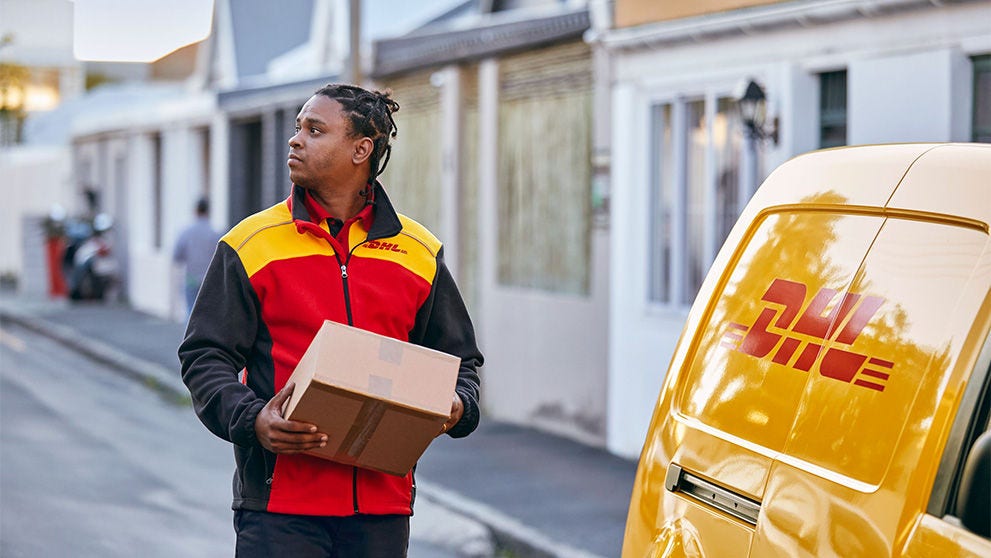
With an express shipment, the courier company files the declaration, not the recipient. Under the Receita Federal international parcels manual, updated in August 2024, the DIR (Declaração de Importação de Remessa, the parcel import declaration) is filed in Siscomex Remessa by the courier for parcels with a customs value of up to US$ 3,000.
Two conditions matter for companies: a DIR in a company's name only covers goods that do not require an import licence, and a recipient who prefers another declaration must tell the courier in time and file it themselves or through their representative. What happens at the border after that is covered in the guide to customs clearance and restrictions.
The errors that stop an import in the system are rarely typing errors. They are preparation errors:
Yes. The Receita Federal accepts Duimps filed by individual importers. For personal purchases that arrive as international parcels, however, the courier company files the declaration.
When the Sistema Habilita processes the request automatically, the category is set within the system. If the request is selected for review, it becomes a digital case at the Receita Federal and the timing depends on that review, so the safest move is to apply before negotiating the first shipment.
Yes. The Siscomex usage fee, created by Law No. 9,716/1998, is charged per declaration filed, even when no tax is due, and debited from the bank account together with the other import taxes.
Use the DI shutdown simulator published on the Siscomex website. It shows, by type of operation, whether the Duimp is already mandatory or when the DI is scheduled to be switched off.
Yes, through the rectification function on the Portal Único. Depending on timing and reason, the rectification is reviewed by a customs auditor before clearance.
The sequence that works is registration, access and catalogue first, supplier order second. Reverse it, and the goods land in Brazil before anyone can declare them, while storage charges run by the day.
If your shipments to or from Brazil move by express and you want pickup, transport and clearance on the same track, open a DHL Express business account.
Share