
#LogisticsAdvice

6 ways Canadian businesses can reduce import costs

Maria Yu
Maria Yu
Content Specialist
Zwei junge Ladenangestellte bereiten weiße Pakete für den Versand vor.
This article covers
How to reduce customs fees, duties, and tariffs with shipment consolidation strategies.
How to lower import costs and improve cash flow using bonded warehouses and Foreign Trade Zones (FTZs).
How to recover customs duties and reduce clearance costs through duty drawback and entry consolidation.

International shipping has become increasingly complex for Canadian businesses. Between rising tariffs, changing trade policies, and evolving customs requirements, companies importing goods from global suppliers or shipping into the United States and other international markets are facing growing pressure on costs and profitability. But here's the good news: these challenges can also create opportunities to build a smarter logistics strategy. Whether you're a Canadian e-commerce seller expanding internationally or a business managing a complex cross-border supply chain, there are proven ways to reduce customs costs, improve efficiency, and protect your margins.

Whether you're an e-commerce seller scaling up or a global distributor optimizing operations, here are six ways you can save on customs fees, duties and taxes and keep your shipping strategy competitive.

1. Breakbulk Express (BBX)

Breakbulk Express Shipping (BBX) lets you physically consolidate multiple packages into one express shipment under a single air waybill (AWB) and customs invoice. When it lands, the shipment clears customs all at once, then gets deconsolidated and delivered to each recipient.

For e-commerce sellers and Canadian businesses shipping high volumes into the United States or other international markets, BBX is a game-changer. By consolidating multiple packages into one shipment, you reduce clearance fees you would otherwise pay on each individual package. It also simplifies the import process for your end customers, who receive their goods without getting involved in customs clearance.

With fewer forms, less warehouse space, and quicker delivery, this is one of the fastest, easiest, and most cost-effective ways to move a large volume of shipments into a country, and the secret behind the logistics success of many successful e-commerce brands. 

2. Loose Bulk Express (LBX)

Loose Bulk Express (LBX) shipping offers all the benefits of Breakbulk Express (BBX) shipping, with one key additional advantage: packages do not need to be consolidated physically. Each package retains its own label and is grouped electronically under one customs entry.

With no pallets, crates, or physical consolidation, this kind of bulk international express shipping helps you maximize flexibility and save money on packaging costs in addition to saving on clearance fees. For Canadian businesses managing frequent cross-border shipments, LBX can help reduce customs-related costs while maintaining flexibility and delivery speed.

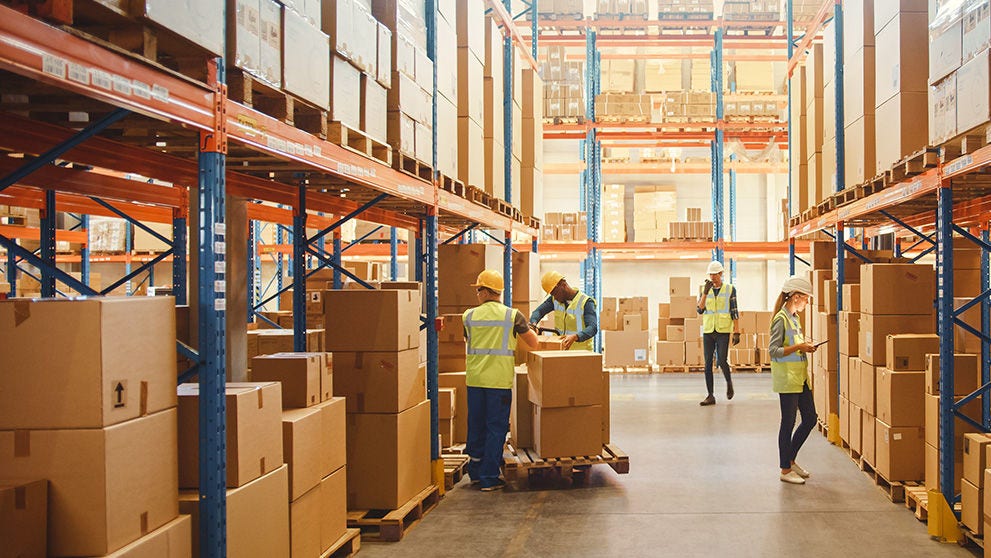
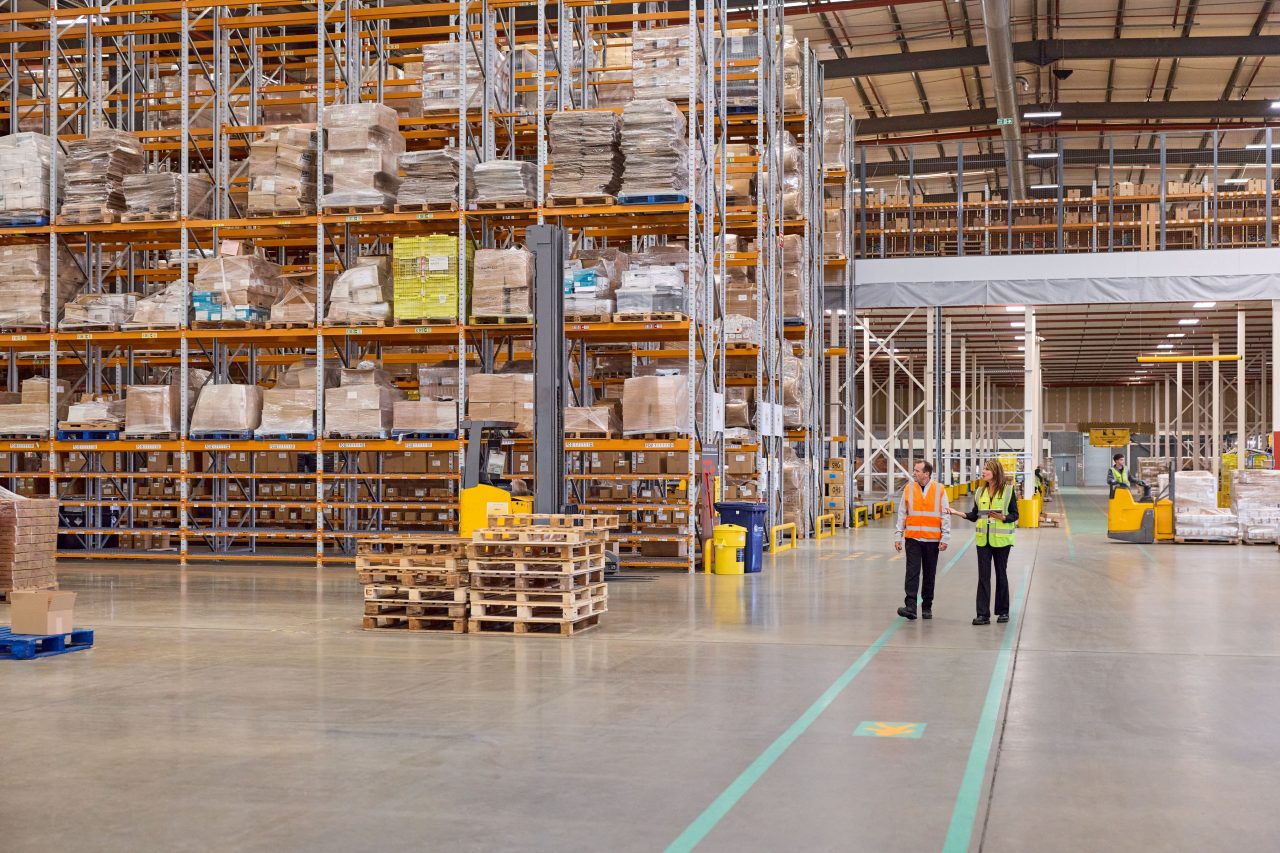
Two employees walk through a bonded warehouse storing imported goods.

3. Bonded Warehouses

Bonded warehouses allow you to store imported goods in key markets such as the United States without paying duties until the goods are released into commerce or re-exported. That means you can keep inventory close to customers without tying up cash in duties upfront. For Canadian companies using U.S. distribution centers to serve American customers, bonded warehouses can help improve cash flow while keeping inventory close to demand.

With bonded warehouses, you can defer duties for up to five years, avoid them entirely on re-exported goods, and even inspect or repackage products without triggering tariffs. This is a powerful tool for seasonal inventory, quota resets, and managing high-value global stock.

4. Foreign Trade Zones (FTZs)

Foreign Trade Zones (FTZs) take flexibility a step further. Goods can be stored, handled, or even manufactured inside an FTZ without paying duties until they enter U.S. commerce, giving you more control over costs and timing.

With FTZs, you avoid duties on re-exports, benefit from reduced or even inverted tariffs on transformed goods, and gain access to long-term storage and value-added services. FTZs are a smart choice for manufacturers and importers with complex supply chains — especially in the high-tech, pharma, and automotive industries.

For Canadian businesses importing inventory into the United States, Foreign Trade Zones can be particularly valuable. Goods can be stored, assembled, processed, or distributed within an FTZ, with duties deferred until products enter U.S. commerce. If goods are re-exported, duties may be avoided altogether.

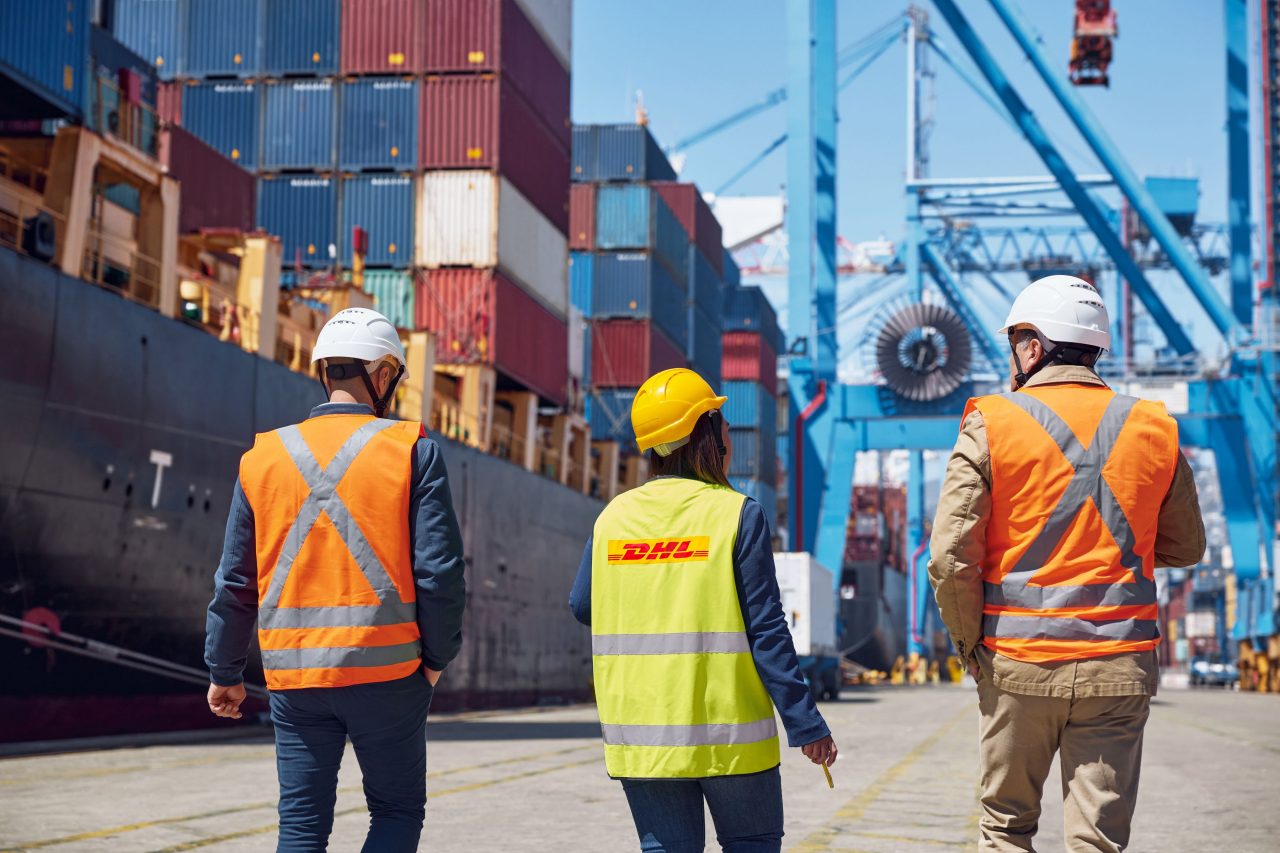
Free trade zone workers walk through an active port with shipping containers being loaded onto a ship.

5. Duty Drawback

Already paid duties on goods that were eventually exported? Duty drawback programs let you recover up to 99% of the duties, taxes, and fees you paid. Whether the goods were directly exported, substituted, or even destroyed, you may be eligible for a refund.

Claims can often be filed retroactively for up to five years. It’s a smart way to recover costs and reinvest in your business, and logistics partners like DHL Global Forwarding can help you navigate the requirements, prepare the documentation required, and set up the compliance program needed to file for Drawback.

Canadian businesses that import goods before exporting them to customers in other countries may benefit from duty drawback opportunities, helping recover eligible duties, taxes, and fees that would otherwise impact profitability.

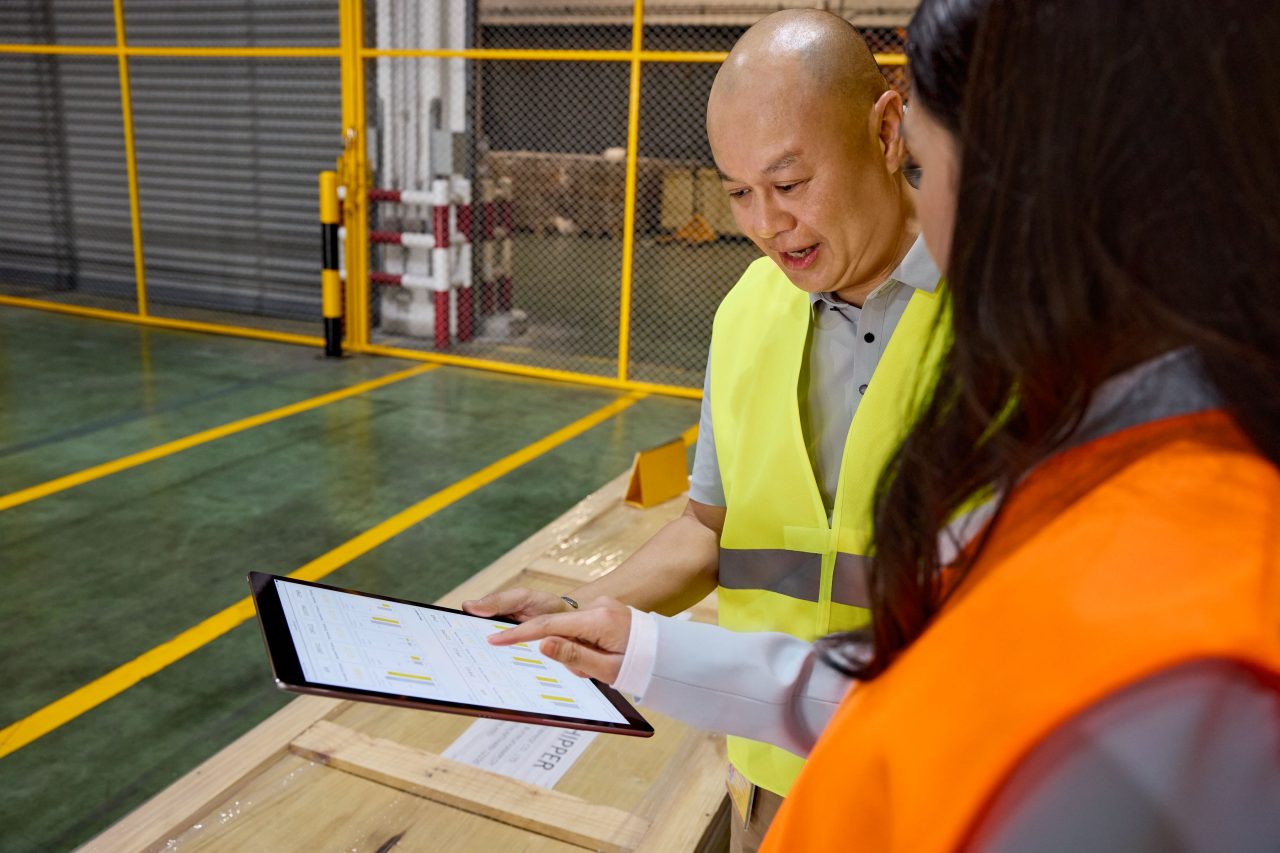
Two employees wearing high-visibility safety vests review shipping paperwork on a clipboard and tablet while standing beside a wooden pallet in a warehouse setting.

6. Formal Entry Consolidation

Formal entry consolidation combines multiple shipments into a single customs entry, reducing brokerage fees, streamlining clearance, and minimizing administrative complexity.

This approach speeds up customs processing and reduces the risk of delays. It’s especially valuable for B2B and wholesale importers handling a high volume of shipments on the same lane on the same day, offering cost predictability and operational efficiency.

For Canadian importers shipping frequently into the United States, consolidating formal entries can help reduce brokerage costs and simplify customs administration.

How DHL can help Canadian businesses navigate customs processes

Tariffs may be rising, but so are the opportunities to rethink your logistics strategy. With the right tools and partners, Canadian businesses can turn customs complexity into a competitive advantage.

Whether you're shipping products into the United States, sourcing inventory from overseas suppliers, or expanding into new international markets, DHL offers tailored logistics solutions to help reduce customs costs, streamline compliance, and improve supply chain efficiency. From bonded warehousing to express consolidation services, we’re here to optimize your supply chain and protect your margins.

Take the next step: open a DHL Express Business Account and connect with your account manager to explore these solutions today.

The information provided in this article is for general informational purposes only and does not constitute legal, tax, customs, or other professional advice. It is provided "as is" without warranty of any kind, express or implied, including as to accuracy, completeness, or currency. Customs duties, tariffs, taxes, fees, and applicable regulations vary by country, product, transaction, and other circumstances and may change over time. Eligibility for and treatment under programs such as bonded warehousing, Foreign Trade Zones, duty drawback, and customs entry consolidation are subject to applicable laws, regulations, and program requirements. This article may contain links to third-party websites. DHL does not endorse or assume responsibility for the content, accuracy, or availability of any third-party sites.

Businesses should consult with qualified customs, legal, or tax professionals and applicable government authorities to determine how these rules and programs apply to their specific circumstances. DHL and its affiliates do not guarantee that any particular strategy will reduce costs, duties, tariffs, taxes, or fees for a specific shipment or business.