


#b2bAdvice

Consumer & Retail Logistics: Trends, Challenges & Solutions

Vivien Christel Vella
Senior Global Digital Marketing Manager
3 min read
collage of two Asian women with DHL couriers
This article covers
The retail and consumer trends shaping the industry
Strategies for smarter retail supply chain management

The demands placed on small- to medium-sized enterprises in today’s fast-moving consumer and retail sector are growing. This is a highly competitive arena where customers using mobile, social and e-commerce now expect the rapid, agile and transparent delivery of their goods -  putting supply chain risk management in retail under pressure like never before.

In this article, we’ll look at how retail and consumer businesses can keep their stockrooms full (despite global events), how omnichannel selling across borders is the 'new norm', and what it takes to ensure your supply chain is both flexible and sustainable in a volatile world.

Only 20 years ago, the consumer and retail sectors were a largely bricks-and-mortar affair. In 2026, sellers increasingly rely on e-commerce and omni-channel routes to market. From a retail supply chain logistics point-of-view, that adds complexity.  Inbound, outbound, or outsourced, supply chains cross continents. And as they grow in scale, a smart retail supply chain strategy balancing cost, efficiency and customer satisfaction is vital.

Key Retail and Consumer Trends Shaping the Industry

Strategy is about looking ahead to what’s coming down the tracks, not next month or next year, but over the longer term. With the total estimated value of retail e-commerce hitting US$3.56Tn1 in 2025 - and expected to continue to grow at 6.3%2 per year, the sector is flourishing, thanks to cross-border sales; more than 40% of e-commerce business leaders are gearing for up to 30% of their total sales to come from international shoppers.3 And DHL has the services and scale to make ‘shopping without borders’ a reality.

As click rate replaces footfall, omnichannel selling has become mainstream. The Omnichannel Report 2024 showed that over 78% of retailers now offer at least a BOPIS4 (Buy Online. Pick-Up In Store) option. The trend towards an omnichannel retail strategy is obvious, driven by customer convenience and value. Digitally-native shoppers want hassle-free. And customers know that price-checking means they find the best value - especially in times of where unexpected inflation spikes are the norm. 

Key Challenges in Retail Supply Chain Management

With more and more purchases being made cross border, having efficient retail supply-chain management helps to derisk sellers' operations. That can mean having an alternative supplier strategy when geopolitical events impact stock flow or utilising technology to keep ahead of demand. Working with DHL enables sellers to quickly flex their operations to seize new market opportunities - or switch suppliers when world-affairs creates obstacles.

Real clarity on inventory across all your sales channels is a good starting point. Do you know what you’ve got, what’s due in, and how rapidly your best sellers are going out the door? Then there’s the issue of returns. Are these predictable - and manageable. Do you have a reverse logistics process in place to keep that inventory under contol? And what are your plans for peak season? Have you talked to suppliers? Stocked-up on big sellers? And put an express delivery option in place for those panic-buying last-minute shoppers?
 

Evolving Customer Expectations in Retail Logistics

Aligning your logistics with the expectations of today’s shoppers is not optional. Reliable same-day and next-day delivery is becoming the baseline5, as is the requirement for more flexible delivery options, such as drop-off at an alternative address or collection from a parcel locker or ServicePoint. In the US, around 70% of customers want to schedule their own delivery time.6

Returns and Reverse Logistics Management

Returns are a key part of customer expectations, with 92% of global shoppers returning up to 30% of their purchases. They desire a simple, seamless, and often free process. A positive returns experience encourages repeat business, which is vital for strong growth. High return rates are common in e-commerce, with about one-third of deliveries returned7. However, returns can also differentiate your business by building customer loyalty and enhancing your brand. Efficient handling supports your bottom line and inventory management, making an RMS (Returns Management System) essential. Prioritizing reverse logistics through clear policies, free returns, and sustainable options like repair and recycling can improve customer satisfaction.

Sustainability in Retail Supply Chain Solutions

Great customer service and convenience need to go hand-in-hand with another consumer expectation. Sustainability. Ethical consumerism is trending with shoppers looking for businesses that use sustainable packaging (almost 70% of US buyers prefer to buy from brands using eco-friendly packaging8)and lower carbon emission transports. This is especially relevant for business customers under regulatory pressure to reduce the impact of greenhouse gases in their operations and supply chain. Sustainable shipping options such as Sustainable Aviation Fuel (SAF) and optimised route planning - for first and last mile transits - need to be considered. Offering such choices not only helps to reduce CO2 emissions, they also play a key role in a brand’s position as an ethically responsible organisation. And can provide a business advantage in a competitive field.

hand shuffling papers holding a yellow pen

Managing Complexity in Global Retail Supply Chains

Global retail supply chains are more complex than ever. Cross-border sourcing, customs, and international fulfilment all add layers of risk—and in 2026, disruption is constant. Demand can surge overnight from a single influencer post, then drop just as quickly.

To stay competitive, retail and consumer businesses need three essentials: supply chain visibility, operational flexibility, and built-in resilience.

hand shuffling papers holding a yellow pen

Visibility and Risk Management in Supply Chains

Combining real‑time tracking technologies, integrated visibility platforms, advanced analytics, and supplier risk monitoring delivers greater transparency, giving you the opportunity to respond faster to situations. Tools such as Manhattan9 and Project 4410 reduce inventory and service risk, and cut recovery times from disruptions. Blue Yonder11 software can give you a heads-up on pricing issues too. Bringing together tomorrow’s technology with a partner that can swiftly adapt to changing environments puts tour supply chain risk management in a strong position.

Scalable Retail Logistics Solutions with DHL Express

DHL offers a global infrastructure connecting 220 countries, providing retail supply chain solutions such as flexible networks, distribution, fulfillment, warehousing, last-mile delivery, air-haul, IT integration, customs brokerage, and customer experience support, ideal for SMEs expanding their retail or developing omnichannel offerings.

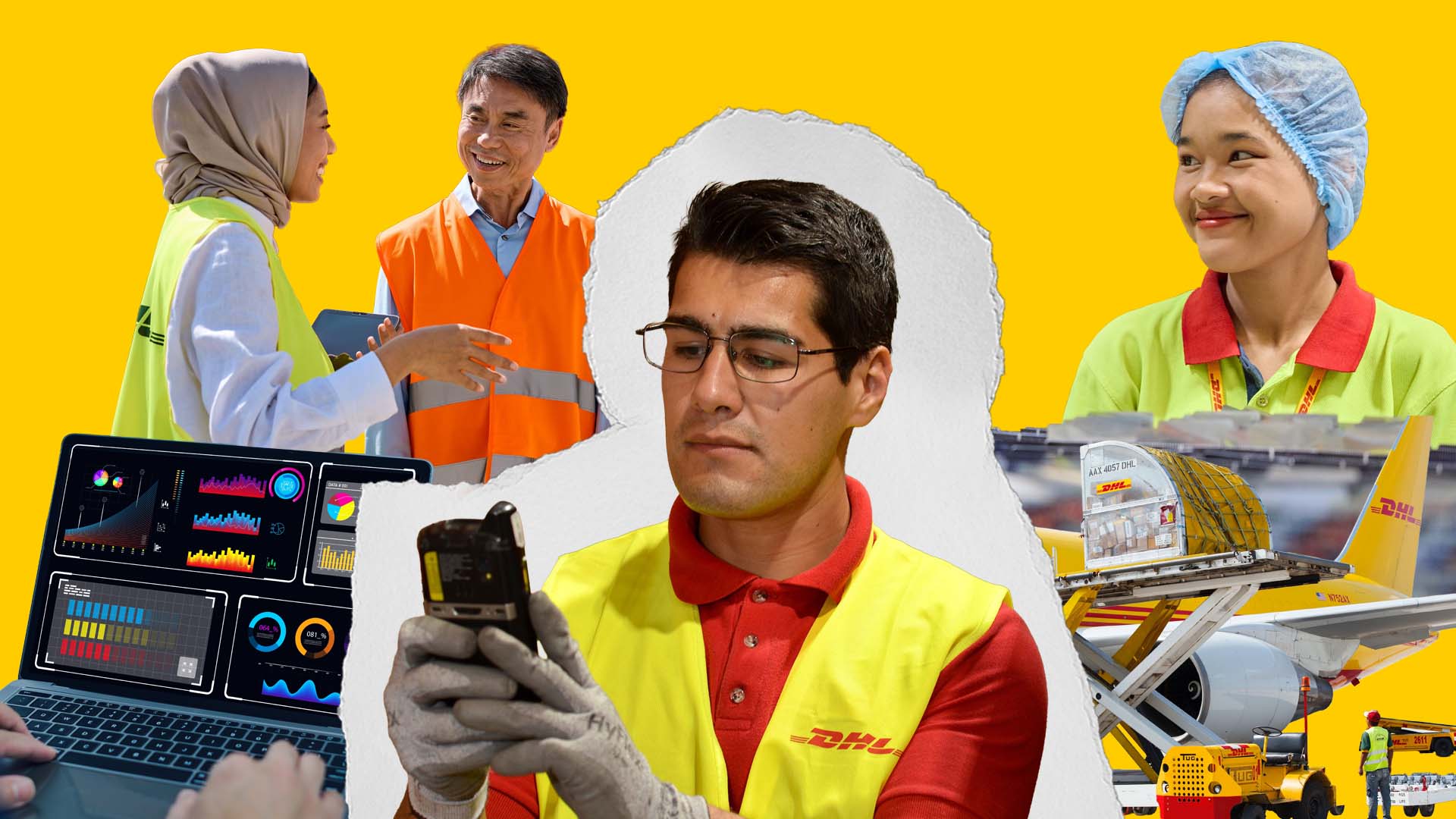
With multiple fulfillment centers, cross-dock hubs, and micro-fulfillment sites, DHL can reduce transit times and position inventory closer to customers. For omnichannel retailers, services like ship-from-store, curbside pickup, and an international parcel locker network ensure fast, seamless, and reliable delivery.

DHL handles Time Definite International deliveries, heavyweight or paletted goods up to 70kg, and automated back-office activities. With extensive experience in customs and international logistics, DHL enables smooth market expansion. Online tools like MyGTS and DHL Express Commerce facilitate quick and accurate airway bills and commercial invoices, supported by expert customer service.

Building a Future-Ready Retail Supply Chain Strategy

So, that’s the current picture. How do you measure up? And that’s the BIG question - do you really know? Maybe, it’s time to assess your current logistics set-up and discuss with your logistics suppliers if they have the ability to scale at speed to match your plans.

Future-proofing your retail supply chain is a long-term commitment. Maybe it’s time to talk to a partner that can offer the resilience you need, support the growth you envision and deliver the satisfaction your customers expect.