#LogisticsAdvice


 Share
Share
What is a Freight Forwarder? A Complete Guide to Roles, Process, and Selection
5 Mins Read
Share

For many businesses new to cross-border trade, the complexity of logistics can be a major headache. While there are many freight forwarders offering to assist, how do they differ from international logistics specialists who actually own the transport network?
This article explores the operational model of a freight forwarder and analyzes the critical differences between traditional forwarding and "Integrator" services like DHL. We aim to help you clarify which model ensures your goods arrive safely and quickly, helping you make the most profitable choice for your business.
What is a Freight Forwarder?
Definition: The Logistics "Middleman"
Many people have questions about the fundamental concepts of logistics. To put it simply, a freight forwarder acts as an intermediary in international trade logistics. They do not transport goods themselves; instead, they coordinate the various stages of the shipping process on behalf of a business.
The key difference lies in asset ownership. Much like how a travel agent books flights and hotels without owning the aircraft or the property, a freight forwarder typically does not own the vessels, aircraft, or trucks used for transportation. Rather, they serve as a bridge between the shipper (you) and the carrier (such as airlines or shipping lines).
Depending on the client’s needs, cargo type, destination, and budget, freight forwarders select the most suitable transport mode and route, and provide support with documentation and insurance. Traditional freight forwarding is often suited for bulk shipments where cost efficiency takes priority over speed or precise transit times.
Key Responsibilities: Coordinating Multiple Parties
Potential Challenges in the Forwarding Process
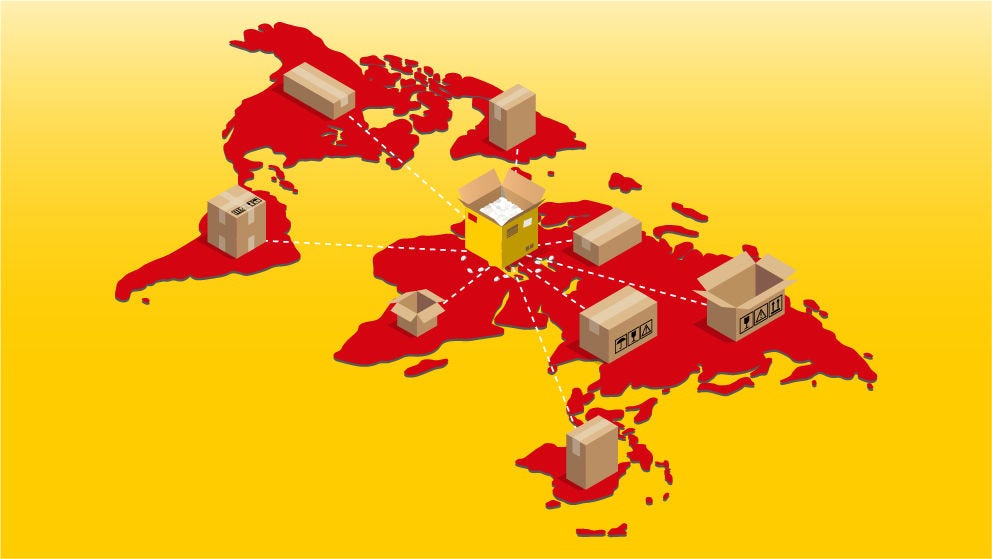
The core responsibility of an international freight forwarder is to coordinate resources across multiple parties. As a result, much of their work relies heavily on outsourcing and collaboration. From booking arrangements to customs declarations and documentation, each stage involves different third-party service providers.
Booking Arrangements:
As an air or sea freight agent, a forwarder purchases cargo space from airlines or shipping lines. However, because they do not own the aircraft or vessels, freight forwarding services depend strongly on market availability and carrier schedules. This makes forwarders relatively passive—especially during peak seasons or holidays, when they cannot guarantee space.
Documentation:
Forwarders assist clients with preparing invoices, packing lists, and customs documentation. However, the actual customs clearance is often handled by external brokers. This lengthens the communication chain and slows response times; if there is an error in the paperwork required for international shipping, the risk of delays increases.
Transfer Chain:
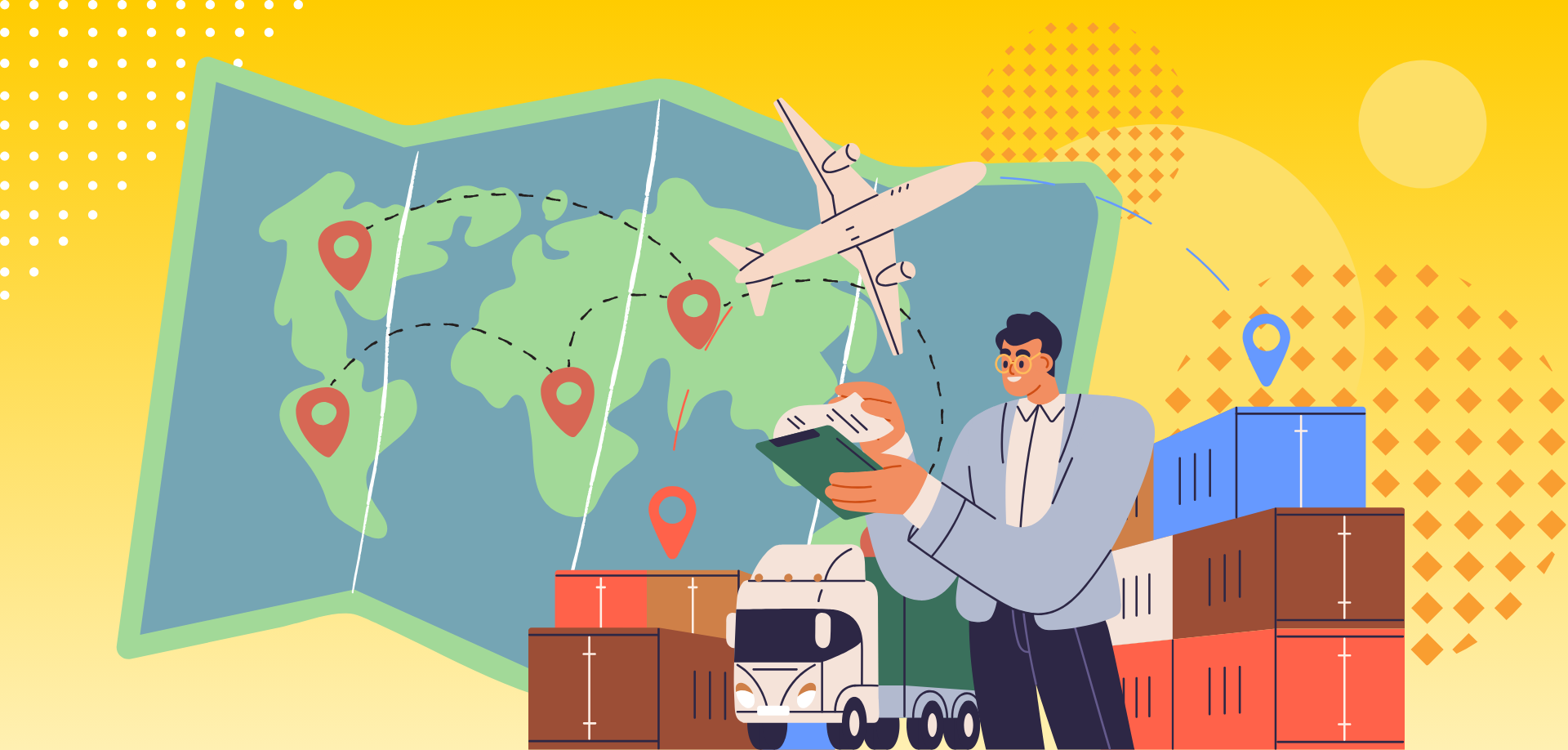
During transit, shipments often pass through multiple hands and warehouses. A shipment may move from Trucking Company A, to Airline B, and finally to Delivery Agent C. While this multi-layered arrangement offers flexibility, it also makes end-to-end visibility and monitoring more challenging.
Liability & Risk:
With numerous parties involved, determining responsibility for delays or damage can be complex. For businesses that require rapid issue resolution or high-speed transportation, this may result in unpredictable costs and operational uncertainty.
Why Think Twice About Traditional Forwarding?
The Trade-off: Cost vs. Control
While traditional freight forwarders may offer attractive pricing, businesses choosing a logistics partner must carefully balance cost with efficiency and reliability.
Price vs. Speed: Forwarders often reduce costs through consolidation — combining shipments from multiple clients to fill a container. However, this requires waiting until enough cargo is collected before dispatch, which increases the risk of delays.
Limited Control: Because forwarders do not own the actual transportation assets, they have limited ability to secure space during peak seasons or sudden disruptions (such as port congestion or flight cancellations). This “passive transport” model can result in delays or unexpected charges.
Information Gaps: With multiple layers of outsourcing, it is difficult for forwarders to provide fully real‑time tracking or precise location updates, which can impact transparency and customer confidence.
As a result, for high‑value, time‑critical, or security‑sensitive shipments, traditional freight forwarding may not be the ideal choice. Businesses should explore alternative ways to optimize shipping costs without compromising service quality.
Beyond Forwarding: Why Choose DHL?
Asset Ownership is True Control
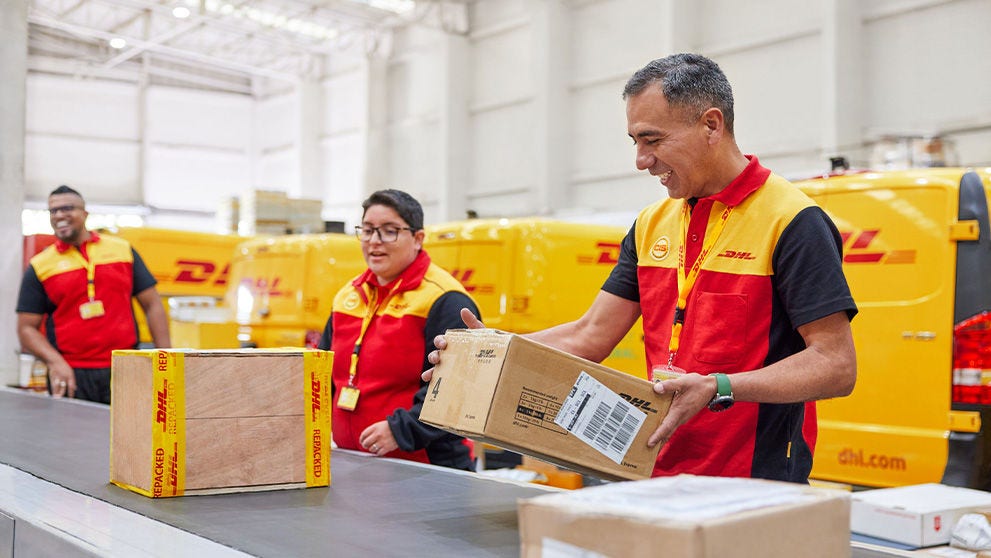
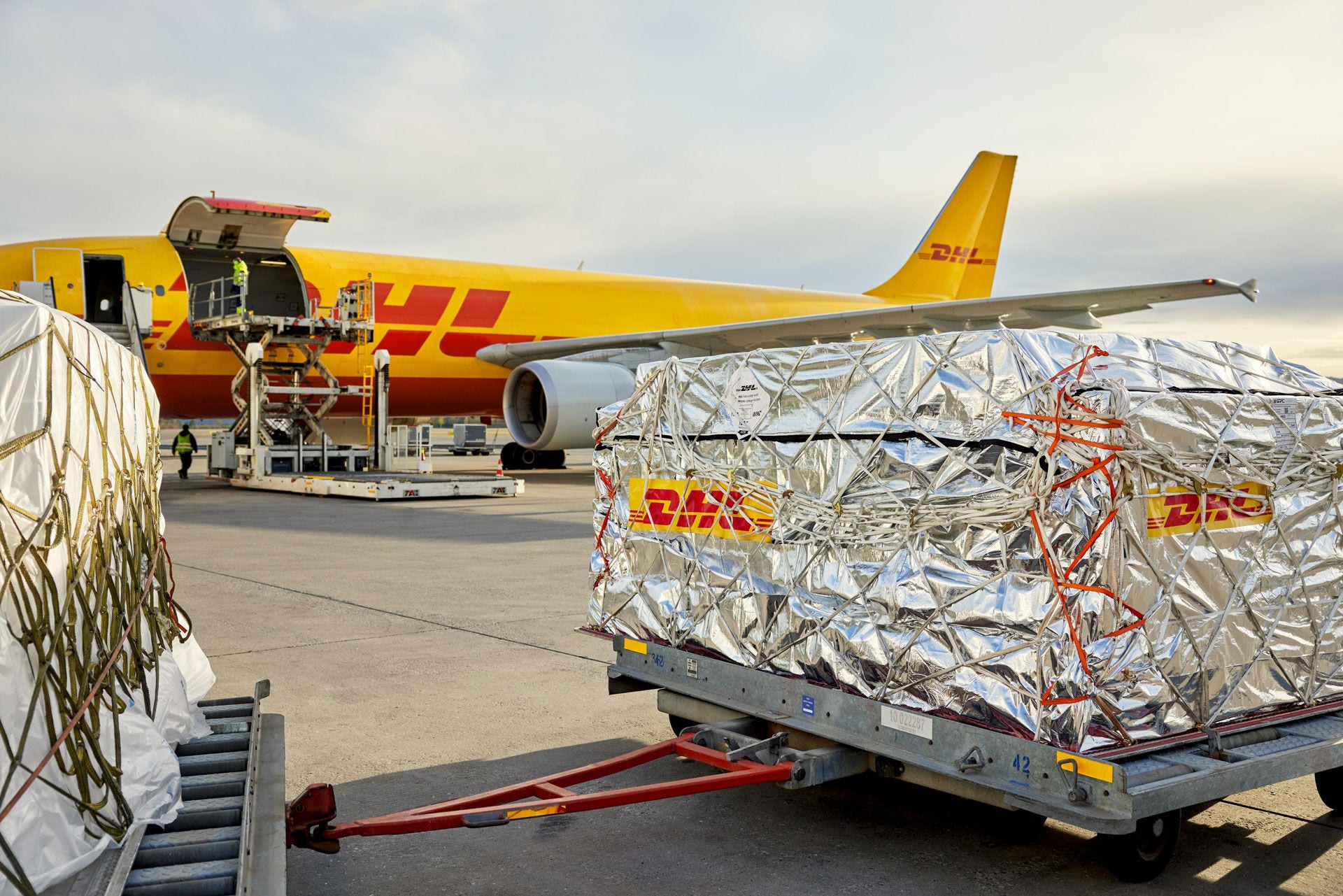
Unlike traditional freight forwarders, DHL Express operates as a leading global logistics provider, providing a full suite of services—from air transport and customs clearance to final delivery—enabling customers to maintain complete end-to-end control.
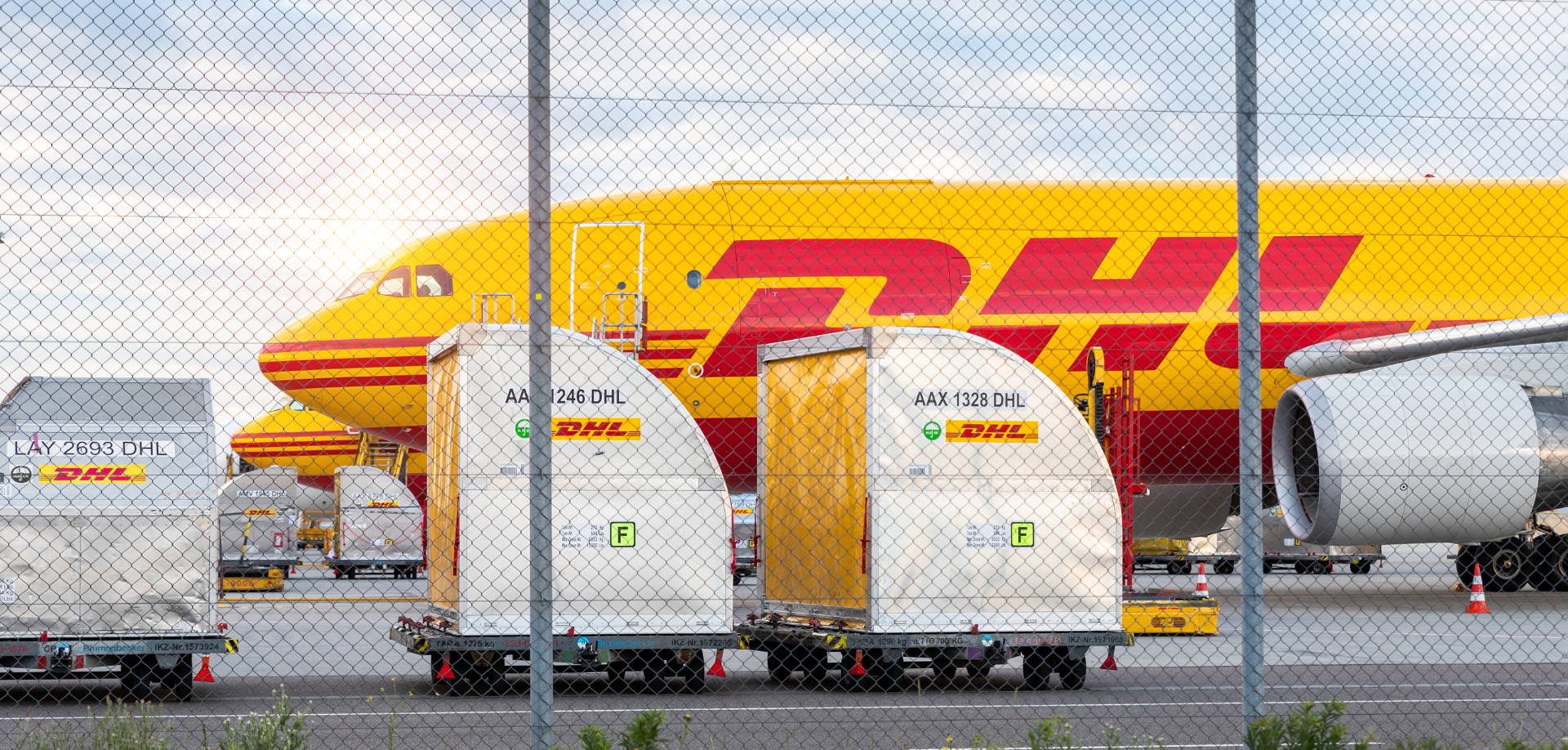
Asset Ownership: DHL owns its own aircraft fleet, ground vehicles, and global hub network. This allows us to schedule flights flexibly and prioritize your shipments—even during peak seasons or unexpected disruptions—minimizing delays caused by space shortages.
In-House Customs Expertise: DHL has dedicated customs teams worldwide. We can initiate pre‑clearance procedures while the aircraft is still in the air, enabling shipments to be released immediately upon landing. This significantly shortens the overall transit time.
End-to-End Control: We provide a true door‑to‑door service. From pickup to final courier delivery, every step is managed within DHL’s own network. With no handovers to third parties, tracking information is updated in real time and service consistency is maintained.
Single Point of Contact: Customers interact with DHL through a single contact point—eliminating the need to coordinate with shipping lines, brokers, delivery agents, or multiple forwarders. This greatly reduces communication complexity and administrative workload.
How to Make the Smart Logistics Choice?
Choosing DHL Means Choosing Certainty
When selecting a logistics partner in Hong Kong—whether for transportation needs or general warehousing—businesses should evaluate key factors such as time sensitivity, visibility, and operational resilience.
Can your shipment tolerate delays caused by consolidation? Do you require 24/7 real‑time tracking? If the answer is no, DHL Express provides dedicated daily flights and a fully transparent logistics tracking system to deliver fast, stable, and fully controlled services. And when global supply chains experience disruption, DHL’s ability to manage and adjust its own network allows for rapid rerouting to maintain business continuity and help you stay competitive.
Open a DHL Business Account for Superior Service
Don't let fragmented logistics intermediary processes slow your business down. Open a DHL Express corporate account today to access our proprietary global transport network, professional in-house customs teams, and rapid delivery services. Let DHL handle the complexities while you focus on growing your business.
-/dhl_group_1025238_library26594_mde_02O8024_small.jpeg)
Open a DHL Business Account for Superior Service
Don't let fragmented logistics intermediary processes slow your business down. Open a DHL Express corporate account today to access our proprietary global transport network, professional in-house customs teams, and rapid delivery services. Let DHL handle the complexities while you focus on growing your business.
📦 Open a DHL Express Account to Enjoy Special Discount Today!
Share
Similar Stories