If you are a small business owner, shipping internationally is a lucrative strategy to expand your customer base and increase revenue. Yet, navigating the tax and duties regulations of each country can be challenging. Failing to adhere can cause your shipment to be held up at customs or earn you hefty fines.
Let’s break down what you need to know about customs taxes and duties to ensure your shipments always reach cross-border customers on time.
What is import duty?
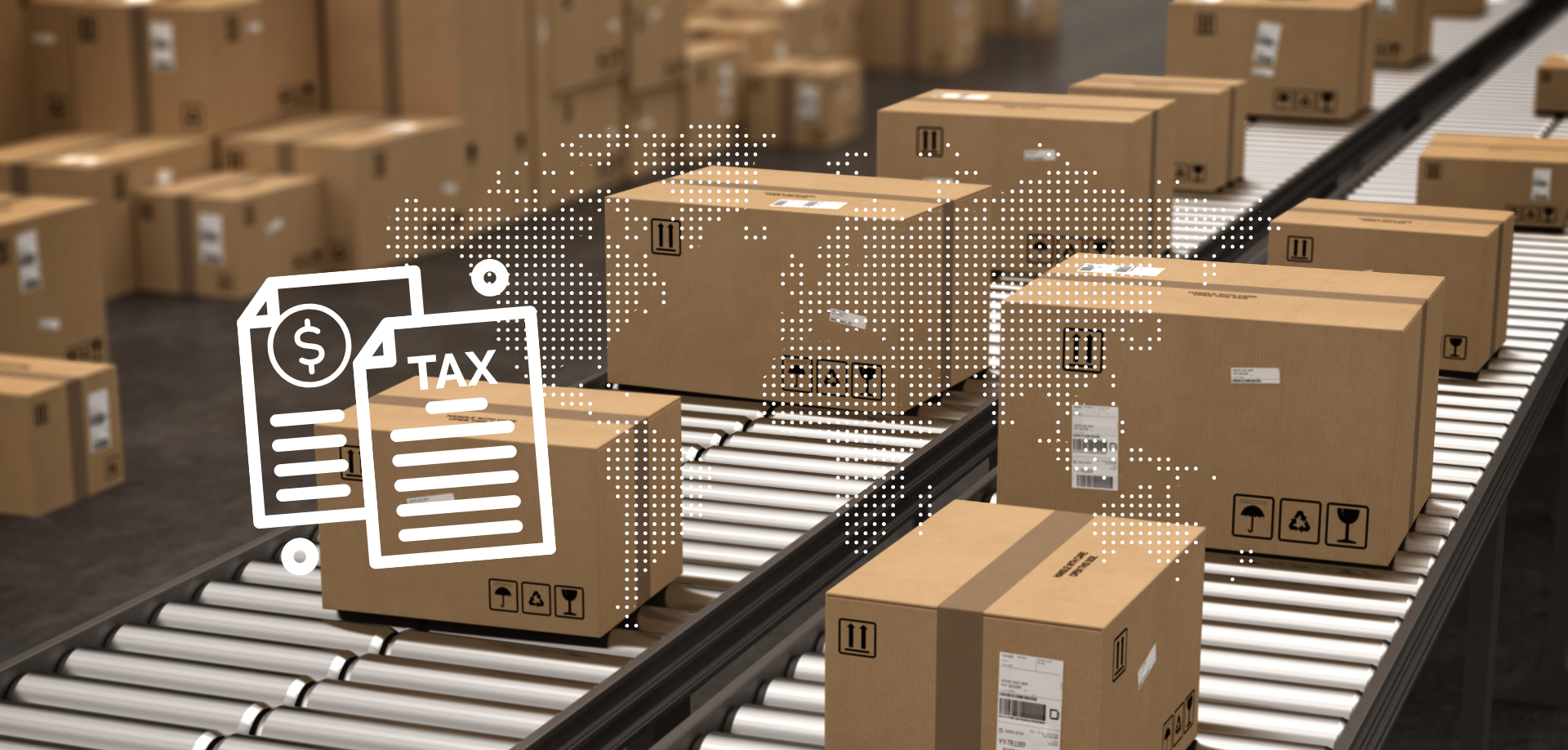
Import duty (or customs duty) is a tax collected by customs authorities on all goods sold across borders. The aim is to raise income for local governments and increase the end price of the goods for consumers, encouraging them to purchase domestic goods that are not subject to this tax.
What is import tax?
Import tax is a flat tax rate charged by customs on imports. In many cases, the tax is equal to the local sales tax. Even when the goods are purchased abroad, this consumption tax applies when they enter another country. Examples include sales tax and value-added tax (VAT).

How much is import tax?
Many countries have a minimum order value threshold that goods have to meet before taxes and duties apply. This is called a de minimis. The amount you’ll need to pay for a shipment is influenced by several factors, including:
- Value of the goods (including insurance and shipping fees)
- Goods description
- Country or region of origin
- The destination country’s tariff rates
- The goods’ HS code(s)
What is an HS code?
A Harmonized System code is a unique identifier to classify the exact type of goods being shipped. The system is internationally recognized, and customs authorities will use this code to apply the correct taxes and duties.
If you include the incorrect code, you could end up paying the wrong rate or having your shipment rejected by the destination country. Here’s a dedicated HS code guide to help you.

How to calculate import tax
Before shipping overseas, businesses can make use of DHL Express’s dedicated Landed Cost Estimator to estimate duties, taxes, and shipping costs. This will give you a better idea of pricing.
Let’s take the example of Product A with the following associated costs:
- Product price: US$100
- Shipping cost: US$20
- Insurance: US$5
- Subtotal (CIF value): US$125
Step 1: Calculate duty
- Duty rate: 10%
- Duty = 10% of US$125 = US$12.50
Step 2: Calculate tax
- Tax rate: 8%
- Tax is usually calculated on (CIF + duty)
- Tax = 8% of (US$125 + US$12.50) = 8% of US$137.50 = US$11.00
Final landed cost = US$148.40 (US$100 + US$20 + US$5 + US$12.50 + US$11.00)
Import tax vs. import duty difference
Many first-time exporters ask: is customs duty the same as import tax? The short answer is no. Duties are typically applied based on the product category and HS code, while import tax is usually applied to most imports, even when duty rates are reduced to zero.
| Import duty | Import tax | |
What it is | A tariff charged on goods brought into a country | A government tax charged on imported goods |
Main purpose | Protect local industries and regulate trade | Generate revenue and apply local consumption tax fairly |
How it’s calculated | Usually a % of the goods’ customs value (based on HS code) | Usually a % of the taxable value |
Rate depends on | Product type, HS code, trade agreements, origin country | Taxable value |
When it applies | Only if the product is dutiable | Often applies to most imports, even if duty is 0% |
Who pays it | Buyer or seller, depending on shipping terms | Buyer or seller, depending on shipping terms |
Examples | Customs duties, tariffs | VAT, GST, sales tax, consumption tax |
Parties responsible for import taxes and duties
Failing to manage duties and taxes properly can lead to customs delays, rejected clearance, or fines. In some cases, shipments may also incur “hidden costs” such as storage fees while being held, and reputational damage if customers experience unexpected charges or late deliveries.
In B2C e-commerce, the seller is the exporter and the buyer is the importer. Who pays import taxes and duties depends on the shipping terms (Incoterms) agreed for the shipment. You can factor in duties and taxes into your pricing strategy to ensure your business remains profitable.
So, who pays import duty: seller or buyer? There are two options:
Delivered Duty Unpaid (DDU)
With DDU, the buyer is the party who is responsible for paying customs duty at the point of delivery. While DDU may look cheaper on paper, in practice, it often creates “surprise” costs at the doorstep, leading to delays, refused deliveries, and a poor customer experience.
Delivered Duty Paid (DDP)
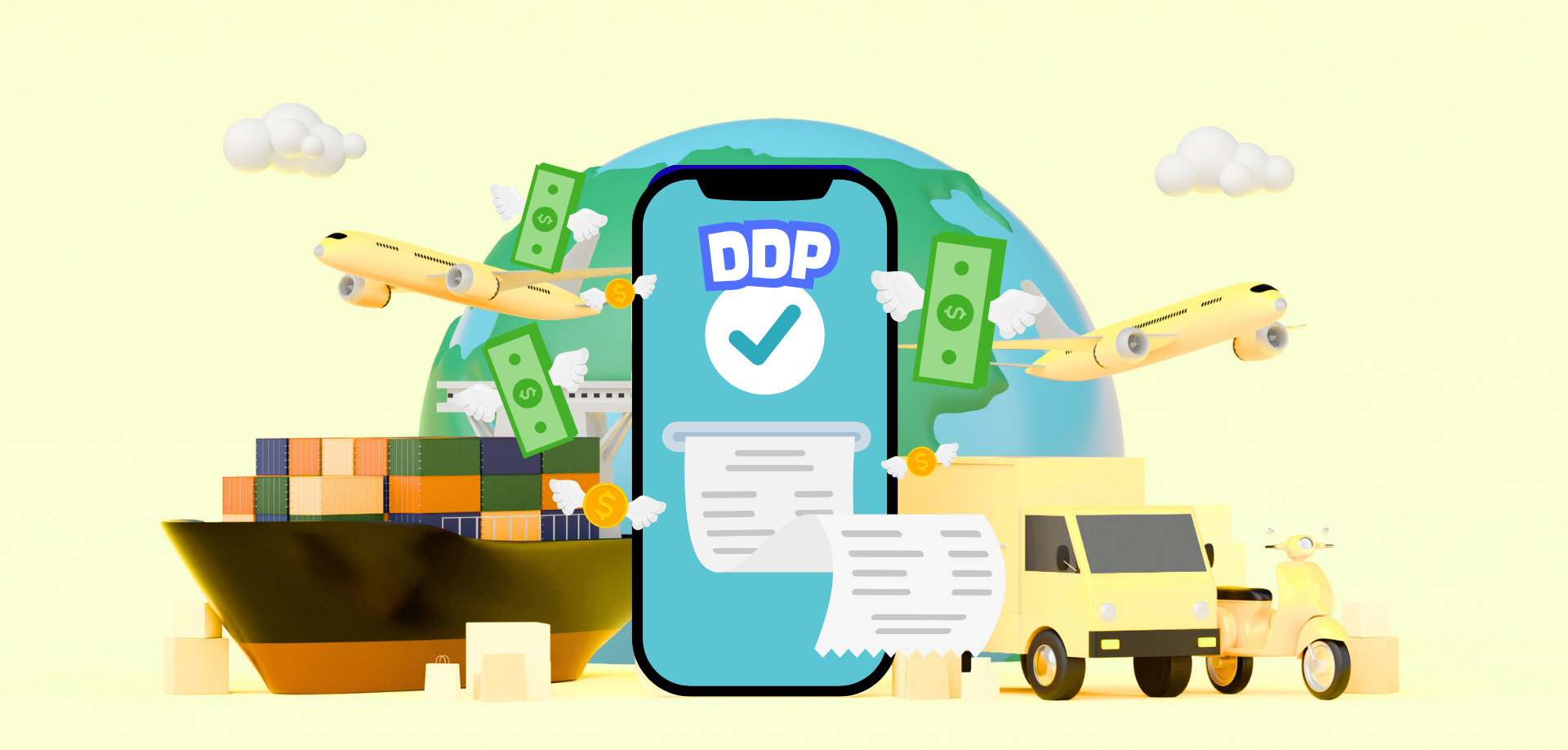
With DDP, the seller pays import duties and taxes. Many businesses find that DDP is the stronger option for boosting sales because the seller covers all fees upfront, giving customers a smoother, more predictable international delivery experience.
Leveraging free trade agreements to lower costs
If you’re running an import export business, free trade agreements (FTAs) can be one of the simplest ways to reduce customs taxes and duties when expanding into new markets. FTAs lower or remove import duty and tax charges between partner countries, making your products more competitive and improving the international delivery experience for customers.
While FTAs don’t eliminate every cost (like VAT or local fees), they can significantly reduce the tariff portion.
Hong Kong’s key free trade partners
Hong Kong has several trade agreements that can help businesses lower costs when shipping cross-border. These include:
- Mainland China (CEPA): Many Hong Kong-origin goods can enter the Mainland tariff-free under CEPA, helping exporters reduce import duty and tax exposure for buyers.1
- ASEAN: The AHKFTA supports trade with 10 ASEAN markets (including Singapore, Thailand, and Vietnam), reducing barriers and supporting smoother international delivery.
- Other major FTAs: Hong Kong also has agreements with Australia, New Zealand, Georgia, Chile, and EFTA countries (Iceland, Liechtenstein, Norway, and Switzerland).
How FTAs impact your bottom line
FTAs can lower the tariff portion of import and export duties and taxes. With lower duties, you can offer better pricing, fewer abandoned carts, and a successful online shopping experience.
To qualify, you’ll usually need to meet Rules of Origin requirements. That means your goods must be certified as “Made in Hong Kong” or meet specific processing or value-add thresholds. Without the right origin documentation, customs may treat the shipment as non-preferential, and your customer could still be charged full customs taxes and duties.
Practical steps for handling import tax and shipping duties
Managing customs declarations
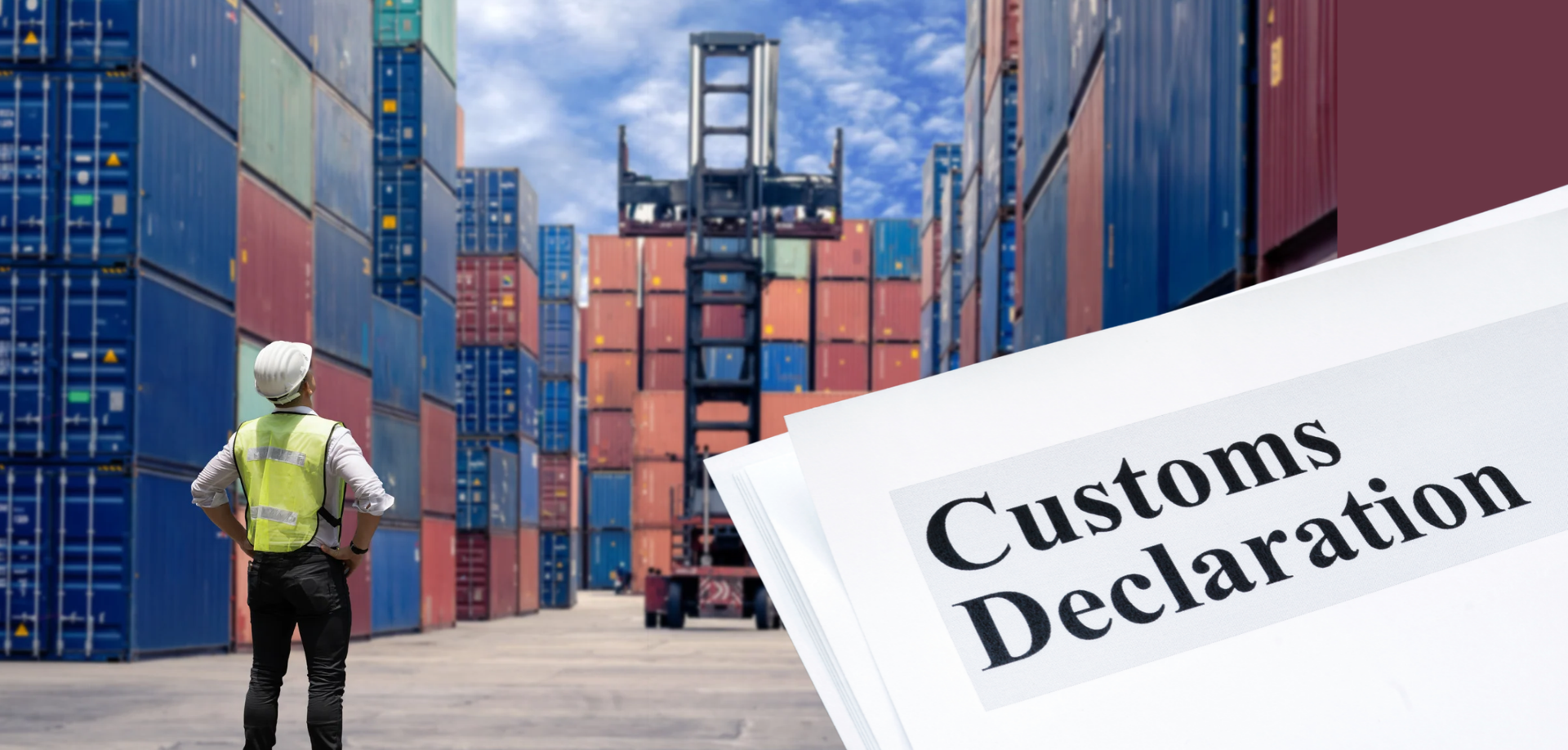
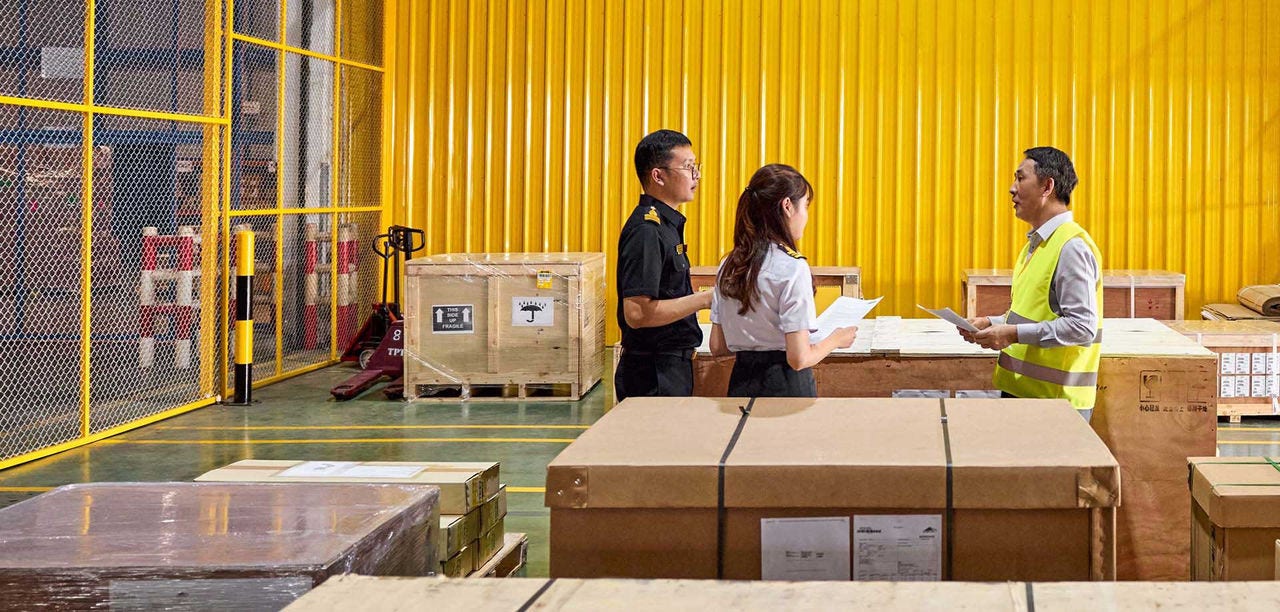
When shipping goods internationally, you’ll be required to complete customs declaration forms, including a commercial invoice. This is a specialized export document containing comprehensive information about the goods that customs authorities will use to calculate the taxes, tariffs and duties due. Choosing the right HS code and declaring your goods ensure a smooth customs clearance process.
Prepare your customers for paying import duties
Regardless of which Incoterms you choose for your international shipments, be upfront about them to your customers. Surprising them with high shipping fees at the last moment is a sure way to lose any future sales and may even result in returns.
Start shipping smarter with DHL Express

For businesses shipping internationally, the right delivery partner can make a major difference. Beyond fast transport, you need reliable parcel tracking and strong compliance support, and here’s where working with an experienced provider like DHL Express helps.
Businesses gain access to a global network of customs specialists across more than 100 countries, and clearer visibility into what’s been declared for each shipment. DHL also supports faster clearance with Paperless Trade (PLT) which enables digital document submission, and offers a Duties and Taxes Outlay Service to settle duties and taxes upfront on your behalf. Start shipping with DHL today, and open a business account with us.

Need expert guidance on DHL import duties?
Managing taxes and customs duties for international shipments can be complex, but with a DHL Express corporate account, you can access professional support from customs specialists—no matter which market you sell to—helping you expand your global business with confidence.
📦Open a DHL Express Account to Enjoy Special Discount Today!


 Share
Share
Similar Stories