#LogisticsAdvice

Hong Kong Customs Prohibited Items & Import Guide

4 Mins Read
Hongkong Customs Prohibited Items
Key Takeaways
Hong Kong operates a permit-based system: some items (e.g. e-cigarettes) are prohibited, while controlled goods such as pharmaceuticals and meat products require import licences.
Food and health products must meet local registration, licensing and labeling requirements.
Lithium batteries are subject to strict transport, packaging and documentation regulations.

Want to import goods into Hong Kong with confidence? Start by understanding the import requirements for different product categories. While Hong Kong is a free port, "duty-free" does not mean "restriction-free." Incorrect declarations can result in shipment seizures, customs clearance delays, or even prosecution. This guide is designed for importers, cross-border ecommerce sellers, and trading companies, breaking down Hong Kong's import regulations and customs clearance requirements. It covers regulated categories including food and health supplements, pharmaceuticals, electronic products and lithium batteries, as well as prohibited and restricted goods, helping businesses ensure smooth and compliant imports.

Hong Kong Customs Prohibited Items Overview

Hong Kong Customs enforces strict border controls to protect public safety, intellectual property, and strategic trade, requiring statutory licences or permits for all restricted and prohibited goods prior to arrival. Commonly prohibited or controlled items include dangerous drugs, psychotropic substances, firearms, fireworks, game meat, meat, poultry, eggs, and plants. As regulations for prohibited goods vary by country and may be updated over time, businesses should check the latest import requirements of their destination market before shipping to avoid customs delays or shipment holds.

Violating these restrictions by importing controlled items may lead to confiscation, prosecution, hefty fines, or even imprisonment. Businesses must accurately declare shipment contents, including product descriptions, HS Codes, and recipient details. Referencing DHL Express’s guidelines on prohibited and controlled items can help avoid customs delays and legal liabilities.

Food Import Rules

Under the Food Safety Ordinance, anyone operating a commercial food import or distribution business must register with the Centre for Food Safety (CFS) and maintain local transaction records detailing the source and distribution chain to ensure rapid traceability during any food safety incidents.

Specific food import rules depend on product type:

  • Meat, Poultry, and Eggs: Every consignment must arrive with an official health certificate issued by the competent authority of the exporting country, confirming the food is fit for human consumption. These food import rules apply universally, whether products are fresh, chilled, frozen, or vacuum-packed. Commercial imports of game meat require prior written permission from the Food and Environmental Hygiene Department (FEHD). 

  • Pre-packaged Foods: Goods intended for direct commercial sale must carry bilingual (English/Chinese) labeling displaying the product name, full ingredients, durability date, storage instructions, packer details, net quantity, allergens, and the standard "1+7" nutrition label. 

Regulations on Medicines and Health Supplements

Import control classification for ingestible products depends strictly on ingredient composition and therapeutic claims, with all medicinal products requiring Department of Health product registration and import licences.

Hong Kong imposes stringent controls on importing medicines and health supplements to protect public health. Prior to ordering stock, businesses must verify product classification to ensure compliance with relevant statutory thresholds:

  • General Dietary Supplements: Standard nutritional items (e.g., vitamins, minerals, fish oil) with no medicinal claims. Importers require CFS registration and compliant food labelling.
  • Western Medicines (Pharmaceutical Products): Formulations containing pharmaceutical active ingredients or therapeutic claims. Pre-market product registration and consignment-specific Department of Health import licences are mandatory.
  • Proprietary Chinese Medicines (pCm): Finished herbal formulations in dose form (e.g., capsules, tablets). Products require Chinese Medicine Council registration and statutory import licences.

Importers should note that dietary supplements cannot claim to treat or prevent diseases according to the Undesirable Medical Advertisements Ordinance, while products containing endangered-species ingredients (e.g. American ginseng or dried seahorse) may require an import licence from the Agriculture, Fisheries and Conservation Department.

To ensure strict product integrity, DHL only accepts shipments from registered WMX Medical Express clients, ensuring compliance with stringent temperature and safety standards during transport.

Electronics and Lithium Battery Import Rules

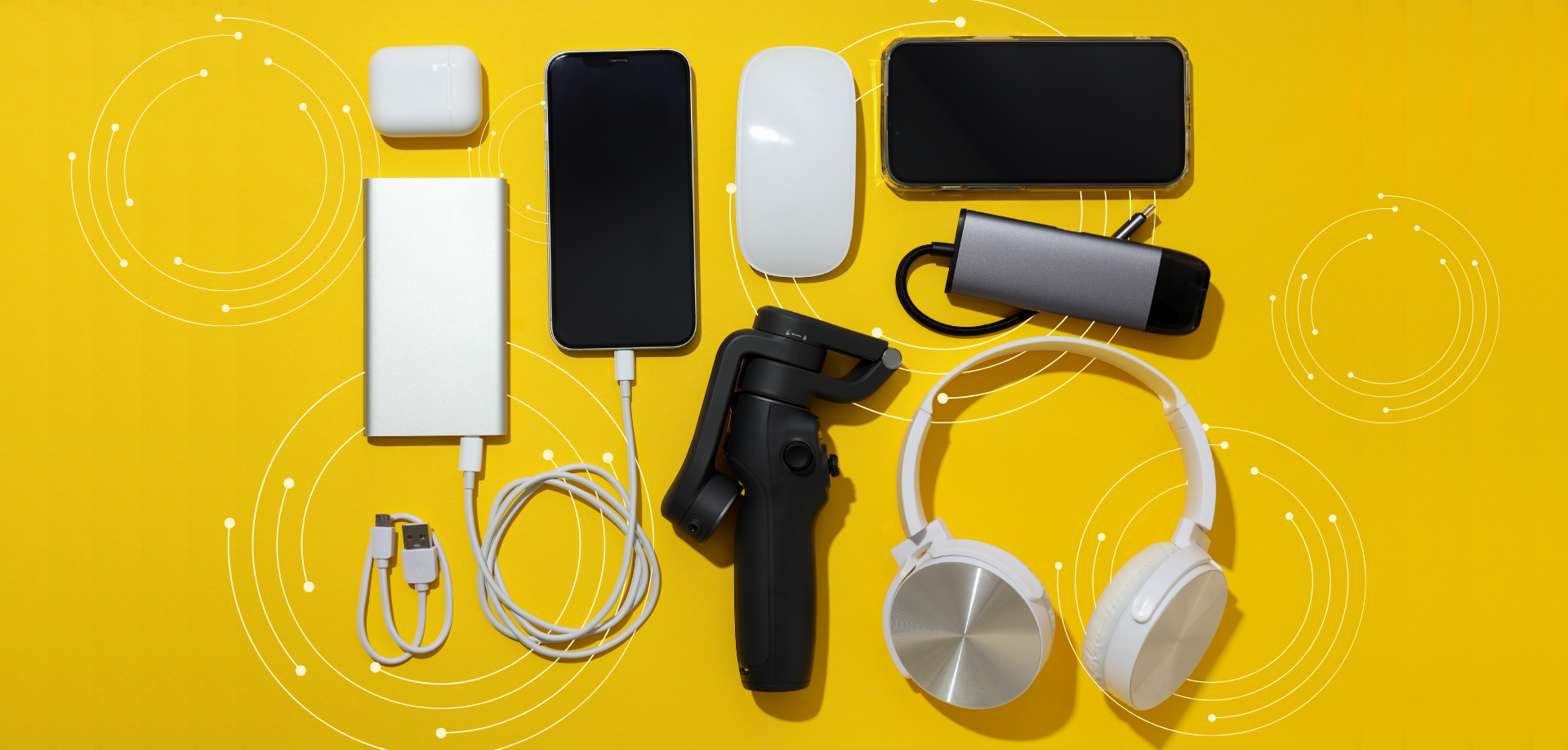
The import of electronic products is often subject to lithium battery regulations, as lithium batteries are classified as potentially hazardous during transport. According to the regulations of the International Air Transport Association (IATA), lithium-ion battery assemblies transported by air must not exceed 30% of their rated state of charge (SoC) and must be accompanied by a UN38.3 Test Summary and a Material Safety Data Sheet (MSDS) before shipment can be accepted.

DHL Express only permits pre-approved accounts to ship lithium batteries, and not all types are accepted. Suspected or known defective batteries (e.g., swollen, corroded, or leaking) are prohibited. During customs clearance, lithium batteries must be individually packaged with capacity and origin clearly labeled. Refer to DHL’s lithium battery shipping guidelines for details.

Some electronic products may present intellectual property (IP) or regulatory compliance risks. For example, set-top boxes pre-loaded with unauthorized software may face regulatory scrutiny due to potential copyright concerns. Businesses should ensure such products comply with Hong Kong laws before import or sale. As a free port, Hong Kong's primary controls heavily focus on "strategic goods." Items such as high-performance computers, telecommunications equipment, or servers may be classified as dual-use. Importers must secure a licence from the Trade and Industry Department under the Import and Export Ordinance before shipping, or risk cargo seizure.

Shipping Special Items

While certain special items can be imported into Hong Kong without statutory permits, they often require bespoke logistics handling.

DHL accepts non-controlled knives (e.g., kitchen knives, carving tools) for shipping, provided they meet specific regulations and are securely packaged. Other special items, such as medical equipment or scientific instruments, have corresponding transport requirements. These items require specific packaging, labeling, or documentation to ensure safety and compliance with destination regulations. Improper declarations or inadequate packaging may lead to delays, shipment refusal, or legal consequences.

Beauty Products and Dangerous Goods 

Many e-commerce merchants are surprised to learn that best-selling perfumes and nail polishes are classified as dangerous goods. Most high-end fragrances are alcohol-based (UN 1266, Class 3 Flammable Liquids). To ship these safely, importers must obtain an up-to-date Safety Data Sheet (SDS), formerly known as a Material Safety Data Sheet (MSDS) from the manufacturer to confirm the flashpoint, and use Limited Quantity (LQ) packaging with leak-proof inner containers and appropriate warning labels.

How DHL Express Simplifies Imports for Businesses

Partnering with an experienced logistics service provider ensures complete compliance with Hong Kong’s multi-agency border controls through automated pre-clearance, expert classification, and dedicated commercial support. DHL Express leverages its global express and freight forwarding network to assist businesses in importing goods directly to Hong Kong from key supply countries, supporting both import and export operations and cross-regional transfers. Whether importing electronics from Japan, luxury goods from Europe, or food from Southeast Asia, DHL provides reliable transport solutions.

Familiar with Hong Kong’s import regulations and product classifications, DHL’s professional team assists clients with pre-shipment document reviews, customs inspections, and product code classifications, minimizing delays and penalty risks. This is particularly beneficial for sensitive goods like food or electronics, ensuring compliance with strict regulatory and safety standards. Businesses can open dedicated DHL business accounts to access shipping discounts. Through the DHL.com platform, clients can track customs clearance and delivery progress in real-time, reducing customer service and communication costs while enhancing operational efficiency.

Grow your business with DHL Express

Grow your business with DHL Express

In today’s highly competitive e-commerce market, the right logistics partner is more than just delivering parcels — they protect your customer experience and brand reputation. Choose DHL Express as your international logistics partner to expand your business footprint while strengthening brand reputation and customer loyalty.

Open a DHL Express Corporate Account to Enjoy Special Discount Today!

Frequently Asked Questions (FAQ)

Businesses should first identify the reason for the detention, whether it is due to incomplete documentation, controlled goods requirements, or discrepancies in the declared information. If a seizure notice has been issued, the contact details of the responsible customs officer will be provided on the notice and should be used for follow-up enquiries. As statutory deadlines apply to the recovery of detained goods, businesses should take action as soon as possible. It is important to note that misdeclaring dangerous goods (like lithium batteries or flammable liquids) can lead to severe administrative penalties and potential suspension of your shipping account. For high-value shipments or complex cases, seeking advice from customs brokerage professionals is recommended.

Yes. Under the statutory import regulations enforced by the Census and Statistics Department, imported goods must be declared electronically within 14 days of import arrival for all non-exempt commercial consignments, paying statutory declaration charges based on declared cargo value. Businesses should refer to the latest customs guidance before importing goods. Merchants shipping via DHL Express can coordinate with our specialists to handle declaration filings smoothly.

It depends on the nature of the product. Skincare or cosmetic products containing pharmaceutical ingredients, or making medicinal or therapeutic claims, may be classified as pharmaceutical products and require registration before they can be imported and sold in Hong Kong. General skincare, cleansing, and cosmetic products typically do not require pre-import registration, but they must comply with applicable consumer safety requirements. Product packaging should also include both Chinese and English safety information and warnings where required. If the original packaging only features other languages, businesses must affix compliant bilingual labels.