#LogisticsAdvice

DAP Delivered at Place: Definition, Costs & Responsibilities

5 Mins Read
Delivered at Place

In international trade, choosing the right shipping term can directly impact your costs, customer experience, and legal liability. DAP — Delivered at Place — is one of the most flexible rules under Incoterms® 2020, and a widely used arrangement among Hong Kong exporters and cross-border businesses.

Yet many Hong Kong exporters still have questions about DAP's scope of responsibility, cost structure, and how to use it effectively to reduce export risk — leading to miscalculated quotes or unexpected liabilities. This guide answers all your key questions about DAP Delivered at Place, so you can build a smarter, more confident export strategy.

Incoterms Explained: What Is DAP (Delivered at Place)?

DAP (Delivered at Place) is one of the 11 rules defined under the Incoterms® guidelines published by the International Chamber of Commerce (ICC).

  • Core definition: Under DAP, the seller is responsible for delivering goods to the buyer's named place of destination, bearing all costs and risks until the goods arrive and are ready for unloading. From that point, the buyer takes over — handling import customs clearance, applicable duties and taxes, and unloading.
  • Applicable transport modes: DAP applies to all modes of transport, including air express, ocean freight, road and rail — with no restrictions on cargo type or destination.
  • Application in Hong Kong: Widely adopted by Hong Kong exporters for both B2C e-commerce and B2B trade.
  • A note on DDU: DAP replaces the formerly common term DDU (Delivered Duty Unpaid). While DDU is still informally referenced in the industry, all formal trade contracts should use DAP as defined under the current Incoterms® version to ensure compliance with the latest international standards.

DAP Responsibilities: What Are the Seller's and Buyer's Obligations?

Understanding the division of responsibilities under DAP is fundamental to accurate cost planning and effective risk management. Here is a complete breakdown of what each party is accountable for.

Seller's Responsibilities Under DAP

Under DAP, the seller is responsible for the following:

  • Export customs clearance: Filing export declarations, paying applicable fees, and ensuring compliance with Hong Kong Customs requirements — including obtaining any necessary export licences.
  • Packaging and commercial documentation: Ensuring goods are properly packed to international transport standards and preparing complete shipping documents, including the Commercial Invoice, Packing List, and Certificate of Origin — to facilitate the buyer's import clearance.
  • International freight arrangement and costs: Arranging and paying for the full cost of transport from the origin to the named destination, covering main carriage and last-mile delivery.
  • Shipment insurance (strongly recommended): While not mandatory under Incoterms®, given that the seller bears all risks until the goods are ready for unloading at destination, taking out comprehensive shipment insurance is strongly advised to protect against financial loss during transit.

Buyer's Responsibilities Under DAP

The buyer's obligations under DAP are more focused, but each involves real cost implications:

  • Import customs clearance: Completing import declarations at the destination, obtaining required import permits and documentation, and ensuring the goods can legally enter the destination country or territory.
  • Import duties and taxes: Paying all applicable import duties, Value Added Tax (VAT), Goods and Services Tax (GST), and any other applicable taxes at the destination — all of which are borne entirely by the buyer.
  • Unloading: Arranging and bearing the cost and risk of unloading the goods from the arriving means of transport at the named destination.
  • Providing necessary information: Supplying the seller with the correct delivery address and any other details required to complete the shipping arrangement.

When Does Risk Transfer? Understanding the DAP Risk Transfer Point

Under DAP, risk transfers from the seller to the buyer at the moment the goods arrive at the named place of destination, ready for unloading — while still on the arriving transport vehicle, ready to be handed over to the buyer.

One important point to note: even if goods have already reached the destination city or destination port, the seller continues to bear all risks until the shipment arrives at the specific agreed location and is ready for unloading. (For guidance on how to correctly specify the destination address in your contract, please refer to the FAQ section at the end of this article.)

Additionally, under Incoterms® B3, if the buyer fails to fulfil their import clearance obligations — for example, failing to obtain the necessary import permits or not issuing a collection notice as agreed — and as a result the goods cannot be delivered on time, risk transfers to the buyer from the agreed delivery date. This is an important protection for Hong Kong exporters: once it is confirmed that the buyer's clearance failure has caused the delay, the seller's risk liability may cease — provided the relevant clauses are clearly stated in the contract.

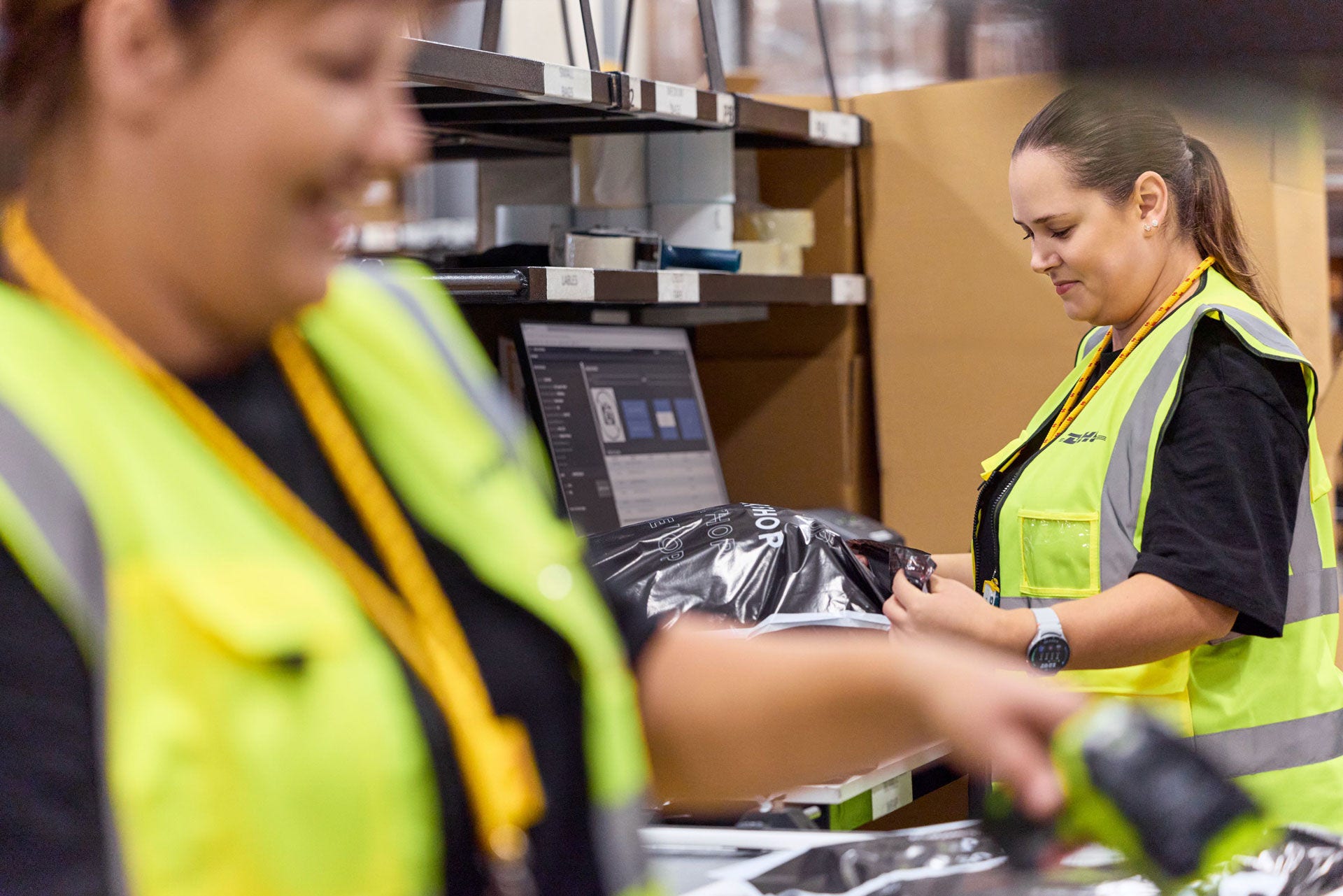
Two female DHL employees are packing parcels in a warehouse.

DAP Shipping Costs: What Should You Budget For?

Under DAP, the seller is responsible for export-side costs and all international freight charges; import duties and unloading costs at the destination are the buyer's responsibility. Here is a complete breakdown of the costs Hong Kong exporters must consider when preparing a DAP quote.

Export-Side Costs (Hong Kong)

  • Local transportation: The cost of moving goods from a Hong Kong warehouse or factory to the express centre or point of origin — varies based on cargo volume and distance.
  • Export Declaration Fee (ED): A statutory fee payable to Hong Kong Customs for filing the export declaration, required for all outbound shipments.
  • Packaging costs: Ensuring goods are packed to international air or express standards to prevent damage in transit — particularly important for fragile or high-value cargo.

International Freight Costs

  • Express and air freight charges: Calculated based on actual weight or volumetric weight (Volumetric Weight = Length × Width × Height (cm) ÷ 5,000), whichever is higher — ensuring charges reflect the space the shipment actually occupies.
  • Fuel and security surcharges: Standard surcharges on international air express shipments, subject to periodic market adjustments — allow for these when preparing your DAP quote.
  • Cargo insurance: Recommended at the declared value of goods, to effectively transfer financial risk throughout transit.
  • Cost tip: As international express fees involve multiple variables, please use DHL'.com Get a Quote tool for the most accurate cost estimate.

Destination Costs (Buyer's Responsibility)

The following costs are the buyer's responsibility. While they fall outside the seller's DAP quote, they should be clearly communicated to the buyer before signing the contract to avoid future disputes:

  • Import duties: Calculated based on the destination country's tariff rate and the shipment's HS Code (Harmonized System Code — the standardised classification system for international trade goods). Rates vary by country and product category.
  • VAT or GST: Most importing countries levy import VAT or GST — rates vary by jurisdiction. Under DAP, these costs are paid entirely by the buyer.
  • Customs brokerage fees: The service charge payable to a customs broker at the destination for handling the import declaration — varies by destination and cargo type.
  • Unloading charges: The cost of unloading goods from the arriving transport vehicle at the named destination, borne entirely by the buyer.

DAP Advantages and Potential Risks

DAP is one of the most commonly chosen shipping terms among Hong Kong exporters — offering strong control over international transport while effectively shielding sellers from complex overseas tax obligations. That said, every Incoterm has its trade-offs. Here is what to consider before choosing DAP.

Key Advantages for Hong Kong Exporters

For Hong Kong exporters, the most significant advantage of DAP is tax risk mitigation. Since import clearance and duties are entirely the buyer's responsibility, exporters do not need to navigate unfamiliar overseas tax regimes, such as EU IOSS registration requirements or US state-by-state Sales Tax obligations. This is especially valuable when shipping to markets with stringent tax enforcement, such as Europe, the United States, or the United Kingdom. For exporters operating across multiple international markets simultaneously, this benefit is even more pronounced.

Beyond tax risk, DAP gives the seller full control over the shipping process. Exporters can select the express service and transit time that best suits their business needs, ensuring goods arrive safely and on schedule. Compared to FOB (Free on Board) — where the buyer arranges international freight, DAP keeps the seller firmly in control throughout, strengthening business reliability and buyer confidence.

From the buyer's perspective, DAP also delivers a superior experience compared to EXW (Ex Works), which requires buyers to arrange all international logistics themselves. Under DAP, the seller handles door-to-door international express delivery, the buyer simply waits to receive the shipment and handles local customs clearance — resulting in a smoother buying experience that supports repeat business and long-term relationships.

Potential Risks of DAP

Under DAP, sellers must confront one fundamental risk: all loss or damage to the goods prior to arrival at the destination and readiness for unloading remains the seller's full responsibility. Should an incident occur during transit, the financial impact falls directly on the seller. Purchasing adequate cargo insurance is therefore essential for any DAP shipment.

A second risk not to be underestimated is the buyer's customs clearance capability. If the buyer is unfamiliar with the destination's clearance process, or fails to pay import duties promptly, goods may be held at the destination customs facility or airport, incurring substantial demurrage and storage fees that disrupt delivery timelines and damage client relationships.

Additionally, while import clearance is the buyer's responsibility, the seller remains obligated to provide accurate commercial invoices, packing lists, and certificates of origin to facilitate smooth clearance. If the seller's documentation contains errors or omissions, delivery delays and customer complaints can still occur — even though clearance liability lies with the buyer.

Want to find out if DDP might be a better fit for your business? Read the Complete Guide to DDP - Delivered Duty Paid.

Postman about to pick up package in art gallery, woman points at package

Which Businesses Are Best Suited for DAP?

DAP works best when the buyer has the capability to handle import customs clearance and the seller wants to maintain full control over international transport. Not every export business is a natural fit for DAP — understanding your specific situation and your buyer's capabilities is key to making the right call.

Ideal Use Cases for DAP

B2B trade to experienced overseas buyers, such as international corporate clients, brand agents, or distributors — is the most natural fit for DAP. These buyers are familiar with the destination's clearance procedures and tax requirements, enabling them to handle import formalities efficiently. DAP allows both parties to play to their strengths: the seller manages international logistics, while the buyer leverages local market expertise for customs clearance.

Exporting to markets with complex clearance requirements is another ideal scenario for DAP. Certain product categories, such as specific electronics, food products, or medical devices — may require special import licences or local certifications. DAP enables the buyer to use their own local credentials and licences to handle clearance (for example, when shipping to Southeast Asian or EU markets), effectively removing the risk of a shipment being rejected at the border due to the seller lacking local authorisation.

When DAP May Not Be the Right Choice

If the buyer lacks import clearance experience, DAP may not be the best option. Whether it is a small business unfamiliar with customs procedures, or an individual consumer expecting to receive their order without additional charges, the clearance obligations under DAP can lead to dissatisfaction, held shipments, and return disputes. For these buyers, DDP — which provides a clear, all-inclusive landed cost — is likely the more appropriate choice.

Low-value orders also warrant careful consideration. When the declared value of each shipment is relatively low, destination clearance and administrative costs can represent a disproportionate share of the total, significantly reducing the overall cost-effectiveness of DAP.

Ship DAP Internationally with DHL Express

Under DAP, the seller takes full responsibility for international transport — making your choice of express partner one of the most important decisions in your export operation. With decades of international express expertise, DHL Express delivers reliable, end-to-end shipping solutions for Hong Kong exporters operating under DAP, giving you complete confidence from origin to delivery.

Why Choose DHL Express for Your DAP Shipments

Whether your buyer is in Asia Pacific, Europe, the Middle East, or the Americas, DHL Express's network spanning more than 220 countries and territories ensures your DAP shipments reach the buyer's named destination on time. One DHL Express Business Account covers every market — no need to source separate solutions for each destination, streamlining your entire export process.

On-time delivery is the foundation of every strong trade relationship. DHL Express provides time-definite international express services — from first-mile collection to last-mile delivery, ensuring your DAP shipments reach buyers on schedule and giving you the confidence to make firm delivery commitments that protect your business reputation.

From collection in Hong Kong and export customs clearance, through to international transit and final delivery, DHL Express provides real-time shipment tracking at every stage. You and your buyer can monitor the latest status of every DAP shipment at any time — keeping the entire process fully transparent and significantly reducing customer enquiries caused by a lack of visibility.

Open a DHL Express Business Account Today

Open a DHL Express Business Account and enjoy the following exclusive benefits:

  • Preferential rates on international express, reducing the cost of every DAP shipment
  • Personalised quotes and detailed billing records, giving you precise visibility into every shipment's cost for accurate financial management
  • Dedicated customer service support — for rate enquiries, document preparation, and destination-specific guidance, our team is always on hand

DAP Delivered at Place - Frequently Asked Questions

For Hong Kong exporters, the core distinction between DAP and DDP comes down to who handles import customs clearance and pays the duties. Under DAP, the buyer manages all import clearance at the destination and pays all applicable duties and taxes; the seller's obligation ends once the goods arrive ready for unloading. Under DDP (Delivered Duty Paid), the seller takes on everything — including import clearance and all taxes — delivering fully cleared goods directly to the buyer. In general, DAP suits B2B exports where the buyer has clearance expertise; if your customers are individual consumers or you want to offer a clear, all-in landed price, DDP is likely the better fit. For a complete side-by-side comparison, read: DDP Delivered Duty Paid: Definition, Responsibilities and DAP vs DDP Differences

DPU (Delivered at Place Unloaded) is one of the 11 rules under Incoterms®, and the key difference from DAP lies in unloading responsibility. Under DAP, the seller delivers goods to the named destination ready for unloading — the actual unloading is the buyer's job. Under DPU, the seller must physically unload the goods from the arriving transport vehicle before the delivery obligation is fulfilled and risk transfers to the buyer. If your trade contract explicitly requires the seller to handle unloading, DPU — not DAP — is the correct Incoterm to use. It is also worth noting that DPU was formerly known as DAT (Delivered at Terminal) under Incoterms 2010, and was renamed in the latest revision. 

In international shipping, the allocation of liability for cargo damage depends on the trade term in use. Under DAP, the seller bears full responsibility for any loss or damage until the goods arrive at the named destination ready for unloading — even if the damage occurs after the shipment has entered the destination country but has not yet reached the specific agreed delivery location. For this reason, Hong Kong exporters shipping under DAP are strongly advised to take out comprehensive cargo insurance covering the entire transit, to protect against significant financial loss from a single incident. When shipping with DHL Express, speak to our Customer Service team about cargo declaration and protection options to ensure every shipment is adequately covered.

Delays in import clearance are a common source of trade disputes — particularly when they result in demurrage (costs incurred when goods occupy port or airport storage beyond the agreed period) and warehouse fees. Under DAP, if the buyer fails to complete import clearance promptly or delays payment of duties — causing goods to be held at the destination — the resulting additional costs are the buyer's responsibility, as DAP clearly assigns import clearance obligations to the buyer. Furthermore, under Incoterms® B3, if the buyer's clearance failure prevents timely collection of the goods, risk may transfer to the buyer from the agreed delivery date — effectively ending the seller's liability. To protect yourself, clearly state in your trade contract that any additional costs arising from buyer clearance delays are to be borne in full by the buyer, and verify the buyer's import credentials before signing.

In any trade contract referencing Incoterms®, the precision with which you define the DAP destination directly determines where risk transfers and how legal liability is allocated. Never use a country name or city alone — such as "DAP Germany" or "DAP Tokyo". The correct approach is to specify the complete delivery address, including the recipient's name, full street address, and postcode, and to reference the applicable Incoterms® version — for example: "DAP 123 Warehouse Road, Munich, Germany (Incoterms® 2020)". The more specific the address, the clearer the risk transfer point — reducing the likelihood of disputes and avoiding unnecessary additional costs. For any questions about structuring your DAP shipping arrangement, contact the DHL Express Hong Kong Customer Service team for expert guidance.