This concept is not applicable in Hong Kong for most goods due to its free port status. For the four categories of dutiable goods (liquor, tobacco, etc.), duty is payable regardless of value.


 Share
Share
Hong Kong's Free Port Status: As a free port, Hong Kong does not impose customs tariffs or duties on the vast majority of imported goods, eliminating the concept of a "de minimis" threshold for general cargo.
Focus on Compliance: Success in this market is not about value thresholds but about strict compliance with documentation for dutiable and controlled goods to ensure rapid clearance.
Dutiable vs. Controlled Goods: Only four categories are dutiable (liquor, tobacco, hydrocarbon oil, methyl alcohol). However, a separate list of strategic goods, like telecommunications equipment, requires import licences regardless of value.
Strategic Solutions: Leverage DHL's customs clearance services to manage complex documentation for controlled goods and use Hong Kong as a strategic hub for regional distribution.
When shipping to Hong Kong, customer friction doesn't come from unexpected taxes—it comes from delays. As one of the world's only true free ports, Hong Kong streamlines trade by eliminating duties on most goods. However, this advantage depends entirely on flawless documentation, especially for controlled or dutiable items. This guide explains how to navigate Hong Kong's unique customs environment to keep your trade fast and efficient.
A de minimis threshold is the valuation limit below which a shipment can enter a country without incurring duties or taxes. However, because Hong Kong is a free port, this concept does not apply to most goods. The focus for shippers is on the type of goods, not their value.
No General Tariffs: Your shipments will not face import tariffs, VAT, or GST, which simplifies landed cost calculations significantly.
Dutiable Goods are the Exception: Duties are only levied on four specific product categories: hard liquor, tobacco, hydrocarbon oil, and methyl alcohol. These items are always taxed, regardless of value.
Controlled Goods Require Licences: Separately, certain strategic goods (e.g., specific electronics, dual-use items) require an import licence from the Trade and Industry Department before arrival. This is a matter of regulatory compliance, not tax.
Automation: My Global Trade Services (MyGTS) helps you identify which of your products may be classified as controlled or dutiable, ensuring your paperwork is correct before you ship.
Calculation Method | What is Included? | Impact on Tax |
|---|---|---|
CIF (Cost, Insurance, Freight) | Product value plus shipping and insurance costs. | Reaching the limit is easier, meaning more shipments get taxed. |
FOB (Free on Board) | Only the value of the physical product itself. | Shipping costs are excluded, often allowing higher‑value goods to enter duty‑free. |
Accuracy is paramount. Mis-declaring goods to the Customs and Excise Department can lead to significant delays, even if no duty was ever applicable.
While many governments are lowering duty-free limits to capture tax revenue from e-commerce, Hong Kong's free port status remains a core principle of its economy, protected by the Basic Law. The key changes for Hong Kong traders are often external, impacting re-export and transshipment activities.
External Regulatory Shifts: Other countries' changing de minimis rules can affect strategy for businesses using Hong Kong as a logistics hub. For example, the US suspended the de minimis exemption for goods from Hong Kong in 2025.
Focus on Strategic Goods: The Customs and Excise Department (香港海關) maintains a strict licensing regime for strategic goods to prevent the city from being used for the proliferation of controlled items. Documentation for items like advanced telecommunications equipment is scrutinised heavily.
Digital Tracking: Customs authorities globally, including in Hong Kong, use advanced systems to verify declarations against manifests. Accuracy has never been more critical.
Real-time Updates: Our DHL Express MyGTS platform provides real-time updates on these shifting rules, both within Hong Kong and in your final destination markets.
You don't have to monitor dozens of customs websites. We manage the data, allowing you to focus on your trade operations, especially during peak seasons like the lead-up to Lunar New Year or Golden Week.
Hong Kong's approach is unique in the region. While other APAC markets set specific value thresholds for duty-free imports, Hong Kong's system is binary: goods are either dutiable/controlled or they are not.
Hong Kong's Zero-Tariff Advantage: Unlike nearly every other market, there is no value threshold to monitor for general goods, as they are not subject to customs tariffs.
Licensing Over Value: For a Hong Kong trading company, the critical question is not "What is the value?" but "Does this product require a licence?". This applies to strategic goods controlled under the Import and Export Ordinance.
Strict Exclusions: The four categories of dutiable goods (liquor, tobacco, oils, alcohol) never qualify for duty-free import, no matter how low their value.
Partner Support: Managing the complexities of licensing and dutiable goods declarations requires expert support. A reliable freight forwarder is essential for navigating these specific rules efficiently.
Understanding this distinction is key to leveraging Hong Kong as a strategic trading hub. A partner that understands these nuances helps you ensure smooth passage through Hong Kong Port or Hong Kong International Airport.
In Hong Kong, your total landed cost is more stable and predictable than in tariff-based markets. The primary risks to your budget are from administrative errors, not taxes.
Predictable Costs: For non-dutiable goods, your landed cost calculation is simplified, primarily consisting of product cost, shipping, and insurance.
Margin Erosion: Unexpected costs arise from fines or delays caused by incorrect declarations, not duties. The handling fees for compliance issues can still damage your profit.
Customer Friction: For buyers in Hong Kong, delays at customs are the main point of friction, as they do not expect to pay import duties on most items.
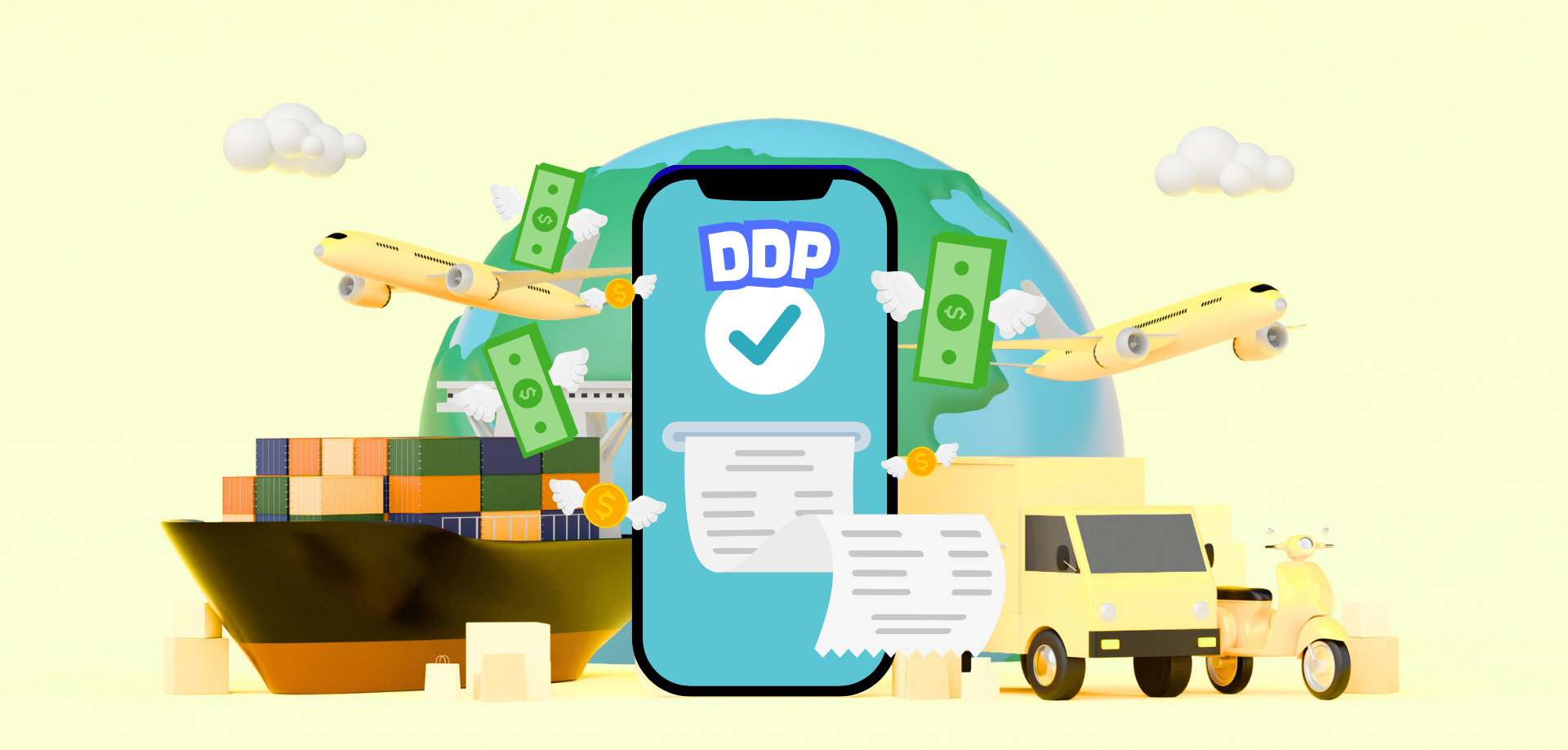
DDP Solutions: While our Delivered Duty Paid (DDP) service is less critical for general goods here, it is essential when shipping dutiable items to provide a seamless customer experience.
We recommend using the DHL MyGTS to calculate the landed costs to model your expenses accurately. A precise calculation ensures your pricing remains competitive and protects your margins from administrative penalties.
While undervaluing shipments to avoid tax is a major issue elsewhere, the key compliance risk in Hong Kong is the misdeclaration of goods type. Intentionally misclassifying dutiable or controlled items is a serious violation.
Heavy Penalties: The Customs and Excise Department (香港海關) can seize goods and issue significant fines for failing to secure the required licences for controlled goods or for evading excise duties.
Legal Responsibility: The merchant is held responsible for the accuracy of all data on the commercial invoice and customs declaration, which must be lodged within 14 days of import.
Blacklisting Risk: Frequent errors or misdeclarations can lead to your business facing greater scrutiny and potential blacklisting from key shipping lanes.
Reputation Protection: Our compliance team reviews your commercial invoices to help you identify regulated goods and ensure your declarations are accurate, protecting your business.
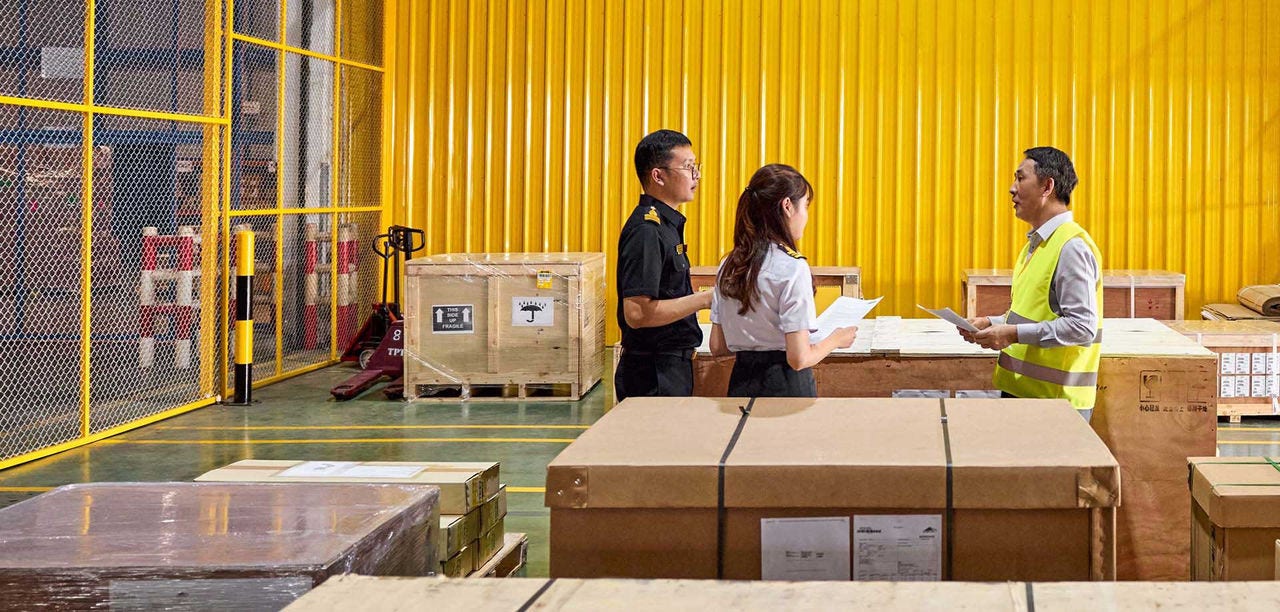
Accurate declarations are your best defence against delays at the border. This ensures your goods keep moving through DHL customs clearance without being flagged for inspection.
Even without tariffs, efficiency is key to profitability. For businesses using Hong Kong as a hub, strategy should focus on consolidation and streamlined local distribution.
Break Bulk Solutions: Consolidate many small international orders into one large air or sea freight shipment. Clear customs at Hong Kong International Airport or Hong Kong Port as a single entry, then split for local or regional delivery.
Local Warehousing: Ship a large batch of goods to a warehouse in Hong Kong. You clear customs once on the bulk shipment and can then fulfil orders with local speed and efficiency.
API Integration: If you sell dutiable goods, integrate our tax calculation tools into your shopping cart to collect the relevant excise duties at checkout for full transparency.
Strategic Hubs: These strategies are essential for managing outbound freight from Hong Kong, a global hub for electronics and other high-tech goods.
These models allow you to leverage Hong Kong's free port status to compete effectively on both price and delivery speed across the Asia Pacific region. We help you select the right model for every market you serve.
Delays and fines are a choice. Relying on guesswork for dutiable goods or licence requirements puts your customer experience and reputation at risk. DHL customs clearance provides the expertise you need to navigate Hong Kong's unique trade environment. Speak to a DHL specialist today to check your shipping lanes and reach your customers with confidence.
This concept is not applicable in Hong Kong for most goods due to its free port status. For the four categories of dutiable goods (liquor, tobacco, etc.), duty is payable regardless of value.
This is not a relevant strategy for Hong Kong, as there are no general import taxes to avoid. However, splitting shipments to misrepresent the nature or quantity of controlled goods is a serious customs violation and can lead to penalties.
You can use the search tools in MyGTS to find the correct Harmonised System (HS) code. This code is vital for accurately declaring your goods, especially to determine if they are dutiable or fall under strategic goods controls.
Yes, for dutiable goods, our DDP (Delivered Duty Paid) service is available. We handle the payment of excise duties at the border and bill you later, ensuring a smooth delivery experience for your customer.
Share