It still needs written approval from both the state of origin and the operator's state before it can be shipped. There's no small buffer written into the rule, so it's worth testing before you pack rather than after.
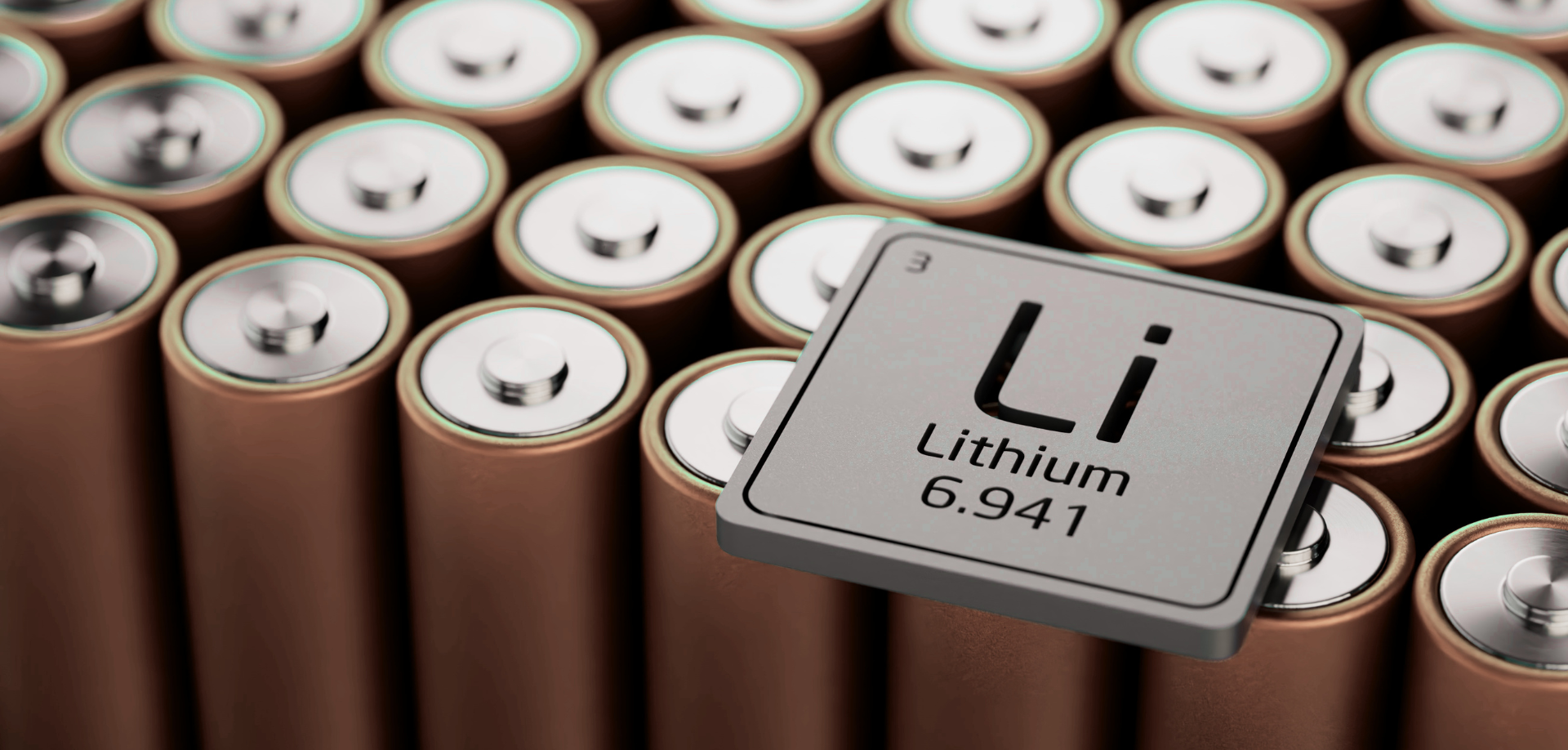
As the International Air Transport Association (IATA) and aviation regulators continue to update dangerous goods transportation requirements, businesses shipping lithium batteries, sodium-ion batteries, or related products need to pay close attention to the latest regulations regarding State of Charge (SoC) limits, UN38.3 test documentation, dangerous goods declarations, and packaging requirements.
Failure to comply with these requirements may result in shipments being refused, delayed during customs clearance, or even subject to regulatory penalties. Understanding the latest regulations can help reduce transportation risks and ensure your shipments reach their destination smoothly. This guide covers acceptable battery types, charge limits, and key battery shipping considerations to help you comply with air transport regulations from the outset, properly prepare your shipments, and achieve a smoother international shipping experience.
The short answer: yes, batteries can be shipped internationally.
But strict regulations apply. Lithium batteries and similar products are classified as dangerous goods by the International Civil Aviation Organization (ICAO) and the International Air Transport Association (IATA), with strict regulations governing their packaging, labeling, and declaration.
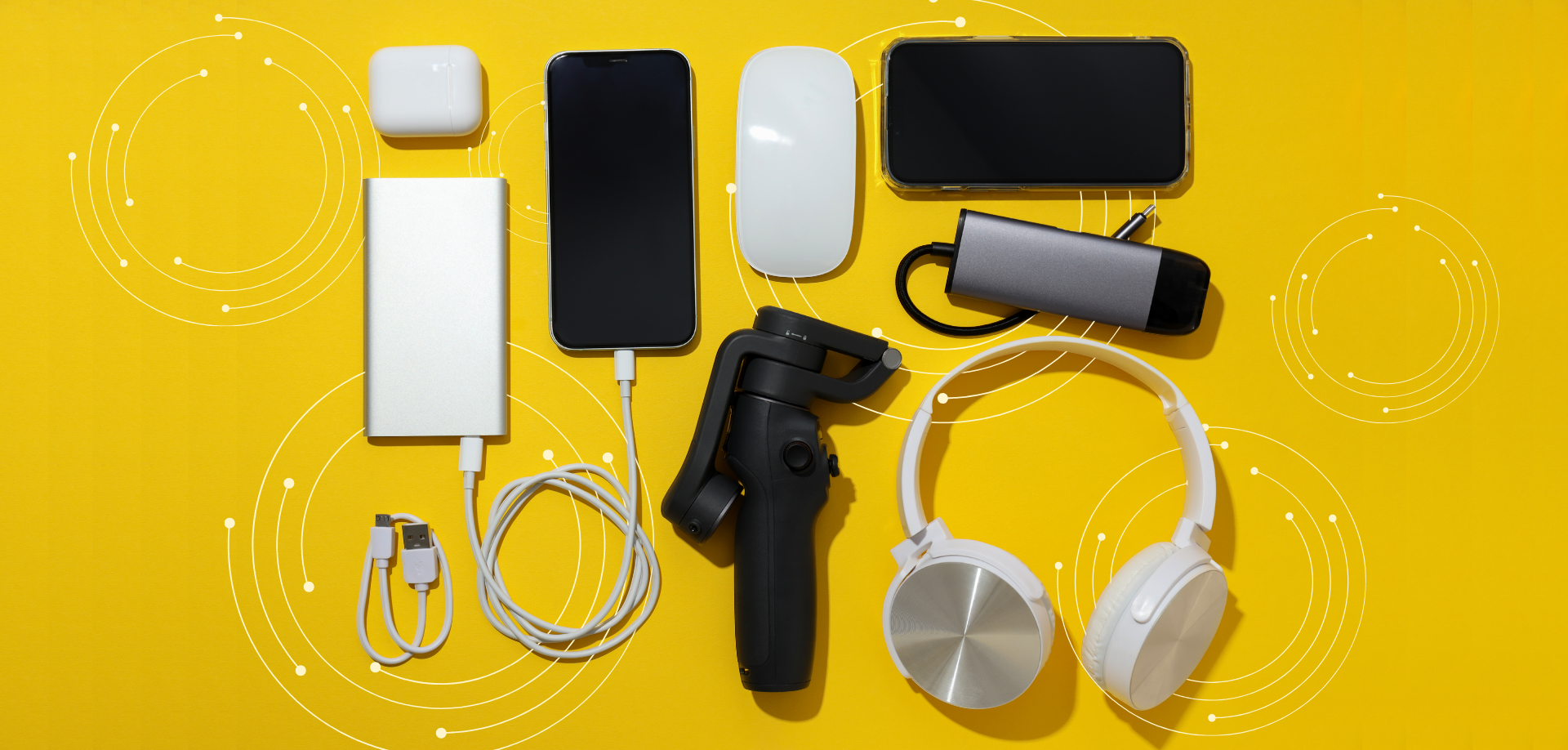
Each type of battery - such as lithium-ion, lithium-metal, alkaline, nickel-metal hydride, and wet batteries - has distinct chemical properties and risks. Lithium batteries, due to their high energy density and flammability, are classified as dangerous goods by IATA, while alkaline batteries, though lower risk, still require proper packaging to prevent short-circuiting.
Notably, regulations differ for loose batteries versus those packed with equipment. Each waybill is limited to a maximum of two compliant packages, with each package’s net weight not exceeding 5 kilograms. For detailed requirements, refer to the DHL Express Lithium Battery Guide.
The 30% state of charge (SoC) limit applies to lithium-ion batteries packed with equipment, and to lithium-ion battery-powered vehicles. A lower charge means less thermal energy available if a battery fails in transit, which is the whole point of the rule.
Shipping a lithium battery in 2026 without a valid UN38.3 Test Report puts your shipment at real risk of rejection. This document proves your battery has passed the required safety tests, and your carrier and forwarder need to be able to see it on request.
Most dangerous goods delays happen at the DG compliance check stage, when your paperwork, packaging and labels are checked against the IATA DGR checklist. It isn't a visual spot check once your cargo has already reached the airport. Missing documentation or packaging that doesn't meet spec can trigger a hold, so it pays to get this right before you book.
Getting these wrong carries real weight in Hong Kong. Under the Dangerous Goods (Consignment by Air) (Safety) Regulations (Cap. 384A), undeclared or mis-declared dangerous goods, including batteries that are improperly classified, packed, marked or documented, can lead to a fine of up to HK$250,000 and up to two years' imprisonment. Confirming your classification and documentation early is the best way to avoid it.
Sodium-ion batteries are generally more stable than lithium, but they're still regulated as Class 9 Dangerous Goods with their own rules.
DHL’s global network already handles these classifications as standard, so moving to a new battery chemistry doesn't mean rebuilding your shipping process from scratch.
DHL Express accepts common battery types such as lithium-ion, lithium-metal, alkaline, and nickel-metal hydride batteries, but each comes with specific restrictions:
You can ship batteries by dropping them off at one of our Service Points, or by arranging for pickup.
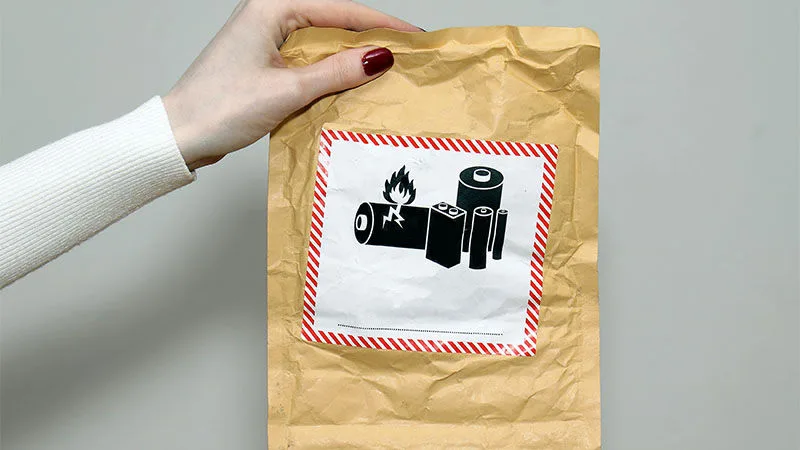
Lithium batteries fall into two categories: rechargeable lithium-ion and non-rechargeable lithium-metal. In Hong Kong, lithium batteries are regulated for air transport under the International Civil Aviation Organization (ICAO) Technical Instructions, the international baseline for dangerous goods by air2.
This is how to package batteries for overseas shipment:
To simplify sending small electronic devices internationally, DHL treats shipments with minimal lithium batteries as non-restricted goods in specific cases. This includes packages with up to four cells or two battery packs installed in equipment per package, with a maximum of two such packages per shipment. These shipments are generally exempt from lithium battery labelling.
The same exemption may also apply to button-cell batteries installed in devices (e.g., watches with circuit boards), offering added convenience when sending small personal electronics overseas.
Dry batteries, such as alkaline, zinc-carbon, or nickel-metal hydride, are less flammable, but still require careful handling. The following best practices should be observed for shipping of alkaline batteries and dry batteries internationally:
Wet batteries, such as lead-acid batteries used in vehicles or industrial equipment, contain liquid electrolytes and must remain upright with adequate ventilation during transport to prevent leaks or gas buildup. Aside from this requirement, some best shipping practices include:
For questions about international shipping services, contact the DHL customer service team for professional support.
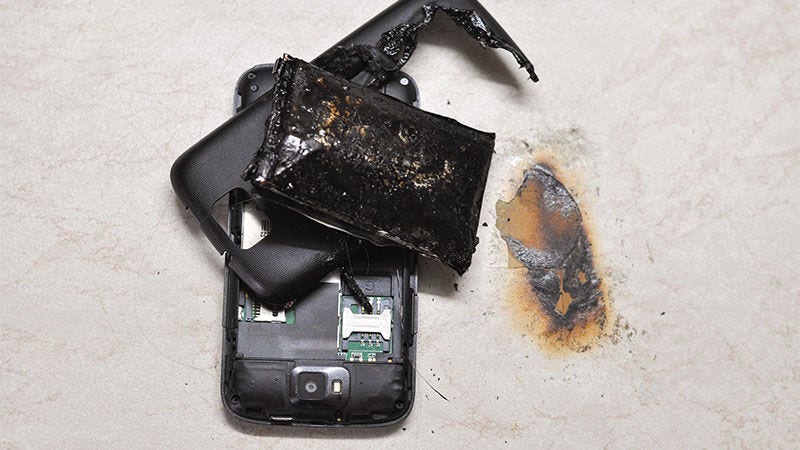
Damaged, swollen, leaking, or recyclable batteries are strictly prohibited from DHL’s network, as they pose significant fire or short-circuit risks to personnel and transport vehicles.
If shipping equipment with a defective battery (e.g., a swollen laptop battery), the battery must be removed before shipping.
All battery shipments must include accurate declaration documents, including dangerous goods declarations and battery specifications. Use the MyDHL+ platform to pre-generate these documents and save time, streamlining the process.
Don't wait until the courier arrives to check your compliance. Four things to confirm before you book:
Hong Kong also enforces strict documentation accuracy for strategic goods, including certain telecommunications equipment controlled under the Import and Export Ordinance. Accurate paperwork matters most during peak disruption windows like Lunar New Year or Golden Week, when increased shipment volumes can lead to longer processing times and potential customs delays.
If you have questions about how to ship lithium-ion batteries internationally, battery classification, packaging, or documentation, DHL Express service centres can help. Visit a service point and our team will:
For commercial shippers sending batteries regularly, a DHL business account saves time with pre-configured shipment details and faster creation of compliant waybills and declarations.
Sign up for a DHL Business Account to streamline battery shipping to over 220 countries and territories, safely and compliantly.
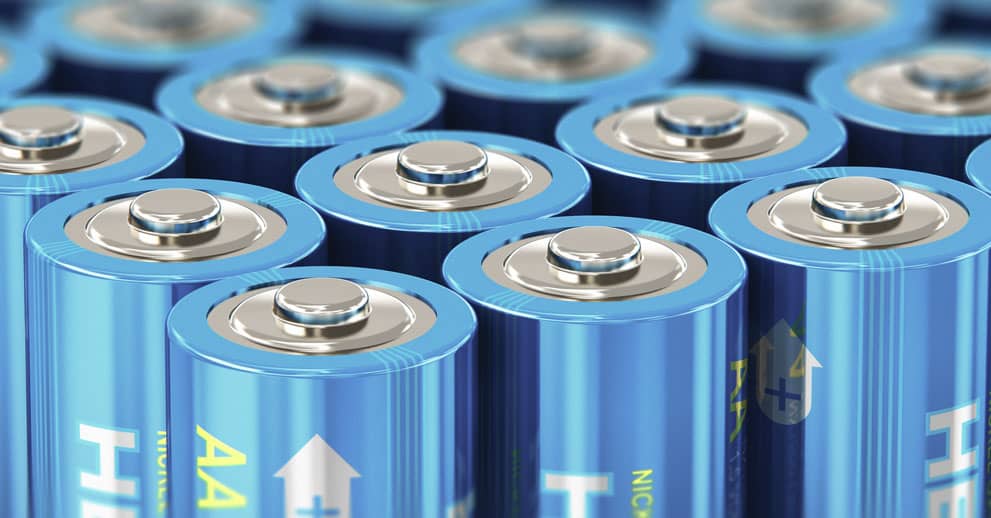
Batteries are classified as regulated items and must comply with strict international safety standards during shipping. Whether you're sending lithium batteries, dry cells, or products with built-in batteries, DHL offers expert guidance and compliant solutions to ensure your shipments arrive safely and efficiently worldwide.
📦Open a DHL Express Account to Enjoy Special Discount Today!It still needs written approval from both the state of origin and the operator's state before it can be shipped. There's no small buffer written into the rule, so it's worth testing before you pack rather than after.
No. Lithium-metal batteries are non-rechargeable, which is why they follow their own packing instructions instead of the SoC rule built for rechargeable lithium-ion cells. Check which chemistry you're shipping before applying either standard.
Not exactly. Sodium-ion batteries are still Class 9 dangerous goods with their own packing instructions. Standalone sodium-ion batteries (PI 976) carry the same mandatory 30% charge limit as lithium-ion, but sodium-ion batteries packed with or contained in equipment (PI 977/978) currently have no regulatory SoC requirement.
Your airline or Hong Kong's Civil Aviation Department can hold your shipment at acceptance. Under Hong Kong law (Cap. 384A), undeclared or mis-declared dangerous goods, whether the issue is classification, packing, marking or documentation, can also carry a fine of up to HK$250,000 and up to two years' imprisonment.


 Share
Share