#LogisticsAdvice

What is FOB? Understanding the International Trade Terms "Free On Board" & CIF

5 Mins Read
International Trade

FOB (Free On Board) — known in the trade as the free on board Incoterm — is one of the most widely used trade terms under the current Incoterms® rules and the go-to choice for Hong Kong export operations. For Hong Kong B2B exporters, when an overseas buyer specifies "FOB Hong Kong" in a purchase contract, do you know exactly at what point your responsibilities as the seller come to an end?

What is FOB in shipping, and how should an FOB price be accurately calculated? Who covers the costs once goods arrive at the terminal? What exactly is the difference between FOB and CIF? This guide breaks down FOB's responsibility allocation, price components and trade term selection — helping Hong Kong exporters make precise, informed decisions in every B2B export shipment.

International Trade Terms: What Is FOB (Free On Board)?

FOB Meaning: Free on Board Definition

FOB, or Free on Board, is one of the most widely used trade terms under the Incoterms® rules established by the International Chamber of Commerce (ICC). The free on-board meaning is straightforward: the seller is responsible for delivering goods safely on board the buyer's nominated vessel — from that moment, all costs, risks and liabilities transfer entirely to the buyer.

An FOB price is always expressed as "FOB + named port of shipment" — for example, "FOB Hong Kong" or "FOB Kwai Chung." To prevent responsibility disputes or contractual disagreements arising from version differences, both parties must clearly state the applicable Incoterms® version in the contract, for example "FOB Hong Kong (Incoterms® 2020)."

It is important to note that FOB applies exclusively to sea and inland waterway transport and cannot be used for air express or road freight. If exporting by air, the correct term is FCA (Free Carrier), which ensures a legally sound division of responsibility.

Current Incoterms® Rules: The "Loaded On Board" Risk Transfer Point

Under current Incoterms® rules, the risk transfer point under an FOB contract is the moment goods are safely "Loaded On Board" the nominated vessel. This definition replaces the older concept of goods "passing the ship's rail" — meaning that if goods fall and are damaged while being hoisted by crane, before being safely placed in the hold or on deck, the risk remains with the Hong Kong exporter, not the buyer.

Since containers are typically handed over to the carrier at the Container Yard (CY) gate rather than loaded directly onto the vessel by the seller, the ICC officially recommends using FCA in such cases to more accurately reflect the actual point of risk transfer and avoid the "Terminal Gap" liability issue. The current Incoterms® version also introduced an important FCA improvement: buyers can instruct their carrier to issue a Bill of Lading with an on-board notation to the seller, resolving the long-standing incompatibility between FCA and Letter of Credit (L/C) requirements.

In practice, however, Hong Kong and South China exporters commonly continue to use FOB for containerized shipments as an established trade convention. Exporters concerned about extreme risks during port storage — such as typhoons or terminal incidents — should discuss with their buyers whether switching to FCA is appropriate. Formal contracts should always clearly state the Incoterms® version in use to protect both parties.

FOB Responsibilities: What Are the Buyer's and Seller's Obligations?

The Seller's (Hong Kong Exporter's) Full Responsibility Checklist

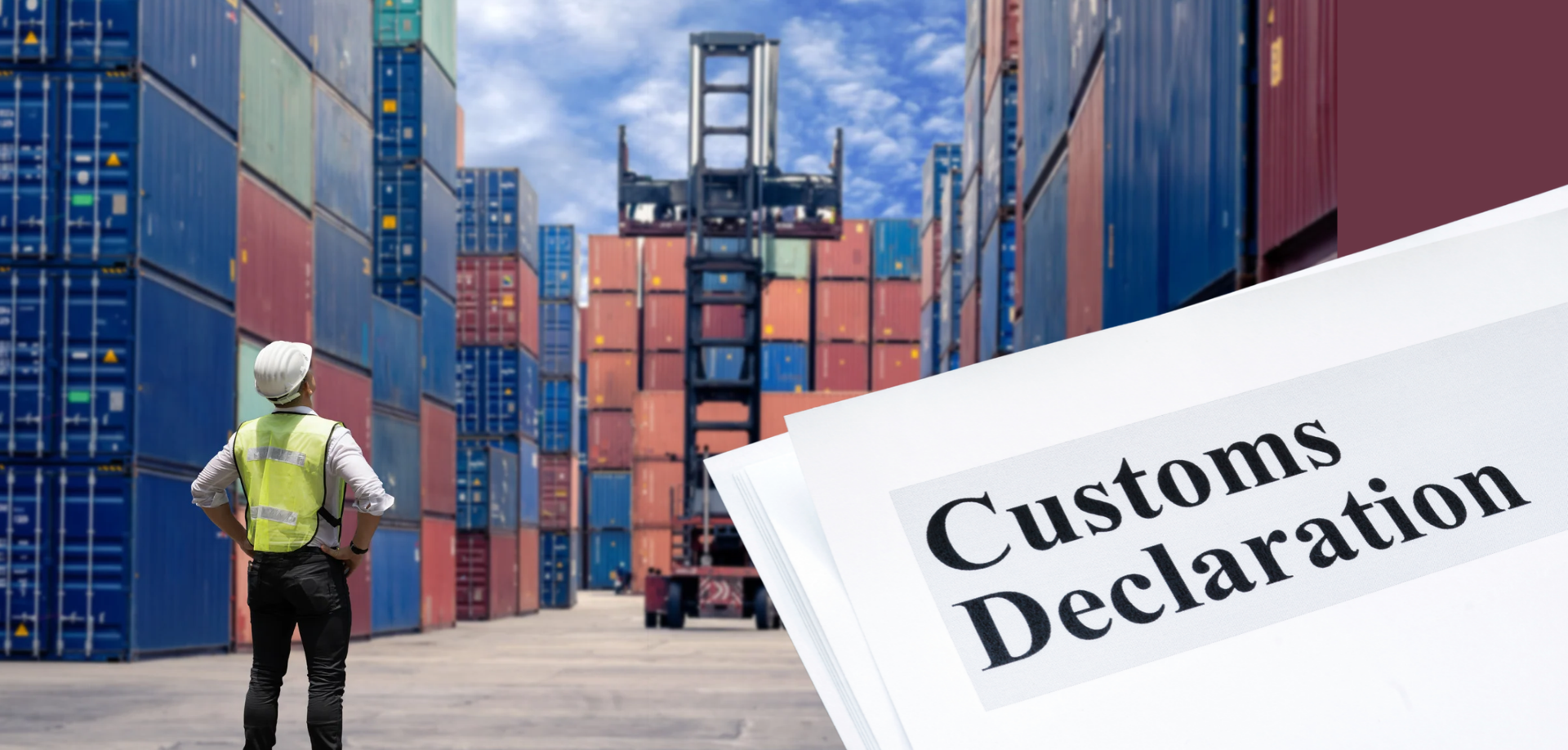
As the seller, Hong Kong exporters must handle all export declaration procedures in compliance with Hong Kong Customs requirements and submit trade declarations within 14 days of export — this is the seller's statutory obligation. The seller must also prepare all necessary export documents, including the Commercial Invoice, Packing List and Certificate of Origin, to facilitate import clearance at the destination.

In addition, the seller must arrange and pay for local transport to ensure goods are safely moved from the warehouse to the designated port of loading, and cover Terminal Handling Charges (THC) and all other port fees — including Lo-Lo (lift-on/lift-off) charges, gate fees and documentation fees. The seller must also ensure goods are properly packed to international sea freight standards, as all risk of loss or damage from origin through to the point of loading on the vessel is borne entirely by the seller.

The Buyer's (Overseas Importer's) Responsibilities

The buyer must contact a shipping line or freight forwarder to book cargo space and pay all ocean freight from the port of loading to the destination port. As all transit risk transfers to the buyer once goods are on board, the buyer must also arrange and pay for marine cargo insurance.

Upon arrival at the destination, the buyer must handle all import declaration procedures, including payment of import duties, VAT or GST. The buyer is also responsible for all unloading costs at the destination port and inland transport from port to final warehouse or facility and must have a legally recognized import entity at the destination or engage a licensed customs broker.

Point of Risk Transfer: When Does the Seller's Liability End?

The risk transfer point under FOB is the moment goods are safely loaded on board the buyer's nominated vessel — before that point, all risk of loss or damage is borne entirely by the seller. However, if the buyer fails to nominate a vessel or book cargo space on time, and the goods have already been clearly identified and set aside, risk may transfer early to the buyer. This clause effectively protects Hong Kong exporters against buyers who deliberately delay loading to transfer storage costs and damage risk back to the seller. Exporters are therefore advised to stipulate this clearly in their contracts to fully protect their own interests.


How to Calculate an FOB Price: A Complete Cost Breakdown

Components of an FOB Price

The FOB price comprises the product cost — including raw materials, manufacturing costs and the seller's profit margin — as well as export packaging materials conforming to international sea freight standards. Beyond the value of the goods themselves, the quotation must also cover local inland freight from the Hong Kong factory or warehouse to the port of loading. Export declaration fees, document preparation and certification costs, Terminal Handling Charges (THC) and all other port fees must likewise be factored into the FOB price to avoid under-quoting and margin erosion.


The FOB Price Formula

FOB Price = Product Cost + Export Packaging + Local Inland Freight + Terminal Handling Charges (THC) + Export Declaration & Documentation Fee (ED)

Exporters should note that FOB pricing does not include international ocean freight, marine insurance, destination unloading or import duties — all of these are the buyer's responsibility. Always communicate the full scope of your FOB price to the buyer before finalising quotations to prevent disputes. When quoting in a foreign currency, build in a reasonable exchange rate buffer to hedge against currency movements that could erode your margin.

FOB pricing, local freight and international express shipping costs all involve many variables — including cargo weight, dimensions, fuel surcharges and transit time requirements — meaning exact costs vary by shipment. For an accurate estimate, use the free DHL Express online rate calculator: simply enter your cargo dimensions and origin/destination details to receive a real-time quote instantly.


FOB vs CIF: What's the Difference? How Should Hong Kong Exporters Choose?

FOB vs CIF: Key Differences at a Glance

Exporters can refer to the following comparison table to help make the right trade term decision at the quoting stage:

Comparison

FOB (Free on Board)

CIF (Cost, Insurance and Freight)

International freight

Buyer arranges and pays

Seller arranges and pays

Cargo insurance (Marine Insurance)

Buyer decides whether to insure and pays

Seller must arrange minimum cover (typically ICC Class C)

Risk transfer point

When goods are safely loaded on board at origin port

When goods are safely loaded on board at origin port (identical to FOB)

Buyer's logistics control

High — buyer nominates carrier, route and transit time

Low — buyer can only follow the seller's nominated shipping schedule

Seller's cost scope

Origin-side only: local transport, export clearance, loading

Origin costs plus international freight and insurance

Best suited for

Large importers with their own freight forwarder relationships in Hong Kong

Start-ups or small buyers unfamiliar with international logistics

It is particularly important to note that CIF only requires the seller to arrange minimum insurance on the buyer's behalf — it does not mean the seller bears risk throughout the entire voyage. Hong Kong exporters should make this clear to their buyers: even under CIF terms, if cargo is damaged on the open sea, the buyer must still file a claim with the insurer. The seller bears no legal responsibility at that stage.

FOB or CIF — How to Decide?

The choice between FOB and CIF depends primarily on the buyer's logistics resources and procurement scale. FOB is better suited to large buyers with an established freight forwarder or contract rates with a shipping line, allowing them to take full control of logistics cost and timing. Conversely, CIF is more appropriate when the buyer is unfamiliar with international logistics, or when the seller has a long-term relationship with a specific carrier and can offer competitive freight rates through the CIF quote. Both parties should base their decision on their respective negotiating leverage and logistics strengths to choose the trade term most likely to facilitate a successful deal. For a broader overview of international trade terms, visit the DHL Express Import and Export Advice hub — to help build a stronger, more resilient international supply chain for your business.


FOB Advantages and Potential Risks

Key Advantages for Hong Kong Exporters

FOB offers a clearly defined responsibility structure with limited seller risk. Once goods are safely loaded, the seller's obligations are complete — there is no exposure to the unknowns of the ocean voyage ahead. Compared to seller-heavy terms such as DAP or DDP, FOB offers a more manageable risk structure with a simpler, more predictable quotation that covers only origin-side costs. Even when international freight rates surge due to peak-season port congestion or geopolitical disruption, selecting FOB transfers that risk entirely to the buyer. Multinational retailers' procurement policies also commonly favour FOB, making it the right choice for exporters looking to align with large buyer requirements and expand commercial partnerships.

Risks and Considerations When Using FOB

Even though import clearance is the buyer's responsibility, the seller must still ensure that the Commercial Invoice, Packing List and Certificate of Origin are accurate — any errors or omissions can result in cargo being held at the destination, causing delays and damaging the business relationship. If the buyer fails to clear customs promptly, demurrage and warehouse charges may accrue at the destination. While these costs are technically the buyer's responsibility, disputes can arise, and the overall business relationship may suffer as a result. Exporters must also keep in mind that FOB does not apply to air express shipments — misuse of this term can trigger liability disputes, customs complications and claims liability gaps.

Which Businesses Are Best Suited to FOB?

Ideal Use Cases for FOB

FOB is best suited for exporting to large enterprise buyers, brand distributors or regional agents with established logistics networks and import clearance expertise. These buyers are well-equipped to handle customs efficiently and make full use of FOB's operational flexibility. Large buyers typically have strict supply chain management requirements — FOB gives them the freedom to nominate their preferred shipping line and schedule, while the Hong Kong seller focuses on origin-side operations.

FOB is also the natural fit for Full Container Load (FCL) or Less than Container Load (LCL) high-volume sea freight, where buyers typically manage logistics centrally to secure the most competitive contract rates.

When FOB Is Not Recommended

Under current Incoterms® rules, FOB is not applicable to air express shipments — use FCA to ensure legal clarity of responsibility. If your buyer is an individual consumer or a small business unfamiliar with import clearance procedures, consider DAP or DDP for a more complete end-to-end delivery experience. For time-sensitive, small-volume shipments requiring a door-to-door express service, consider terms such as DAP that can be paired with DHL Express's door-to-door service, ensuring better logistics efficiency and a superior customer experience.


Arranging FOB Export Shipments with DHL Express

Why Choose DHL Express for Your FOB Export Operations

Under FOB, the seller manages the entire origin-side logistics process — choosing the right logistics partner is the single most important step in ensuring a smooth, reliable export operation. DHL Express brings decades of international express expertise and a powerful global network to support Hong Kong exporters at every stage, ensuring cargo arrives at its destination on time and safely.

DHL's full real-time tracking service keeps both buyer and seller informed of the shipment's latest status at every stage — this level of transparency helps businesses build a professional reputation and strengthen long-term buyer trust in international markets.

Open a DHL Express Business Account

Open a DHL Express Business Account today for exclusive international express discounts, personalised rate quotes, detailed billing records and dedicated customer support — giving your global business everything it needs to expand with confidence.

FOB Frequently Asked Questions (FAQ)

Hong Kong exporters entering into an FOB contract are advised to include a specific clause requiring the buyer to provide valid proof of cargo insurance before loading is arranged. If the buyer fails to provide such confirmation on time, the seller has reasonable grounds to defer loading until cover is confirmed. This not only safeguards the seller's financial interests but also clarifies liability in the event of a claim — reducing the risk of trade disputes arising from uninsured cargo damage and protecting the long-term business relationship.

Since THC rates are subject to periodic adjustments based on terminal policy or market conditions, exporters should be aware that if a terminal increases its THC rates after an FOB quotation has already been submitted to the buyer, the additional cost is in principle the seller's responsibility — as the FOB price has already been committed. To manage this risk, exporters are advised to include a clause in their contracts stating that the FOB price is based on THC rates at the time of quotation, and that any rate adjustments by the terminal prior to loading will be addressed through a revised final quotation by mutual agreement.

If a purchase contract has already been written with FOB terms but the actual shipment is being sent by air express, both parties should promptly formalize a written amendment to the contract, replacing FOB with FCA (Free Carrier). Proceeding with an air express shipment under FOB terms is strongly inadvisable — in the event of cargo loss or damage, insurers may reject claims on the grounds that the Incoterm is incompatible with the mode of transport, leaving the seller with limited recourse. For guidance on contract amendments, the DHL Express Hong Kong customer service team is available to assist.

Despite the ICC's official recommendation to use FCA for containerized shipments, Hong Kong and South China exporters continue to widely use FOB for container freight — and there are three key reasons. First, FOB is deeply embedded as an industry convention, and many multinational buyers' procurement departments are highly accustomed to its operations — switching to FCA requires both parties to revise internal processes. Second, FCA historically posed compatibility issues with Letter of Credit (L/C) payment terms, creating cash flow concerns for exporters. Third, while the current Incoterms® version has introduced an FCA improvement to resolve the L/C issue, industry awareness of this update is still spreading. Exporters considering a switch to FCA are advised to discuss this fully with their buyers and reach a mutual agreement before formally amending the contract.

The key difference between FOB and EXW (Ex Works) is that under EXW, the seller only needs to make goods available at their own factory — all export clearance and local transport is the buyer's responsibility. FOB requires the seller to manage the local export process and deliver goods to the vessel, placing greater obligations on the seller, but at the same time significantly reducing the operational burden on the buyer at the origin. In practice, EXW suits buyers who already have a local agent or freight forwarder in Hong Kong and can handle export procedures independently. FOB is more commonly used in general B2B export, with the seller managing origin-side logistics on the buyer's behalf to provide a more complete export service.

The core difference between FOB and DAP (Delivered at Place) lies in the scope of the seller's responsibilities and who bears international transport costs. Under FOB, the seller's responsibility ends once goods are loaded onto the vessel — all subsequent international freight costs and risks are borne entirely by the buyer. Under DAP, the seller bears all international freight costs and risks until goods arrive at the buyer's named destination. In other words, DAP places far greater obligations on the seller, but at the same time provides the buyer with a more complete, near-door-to-door logistics experience. FOB is generally more suitable for B2B business where the buyer has strong logistics resources, while DAP suits sellers who wish to maintain end-to-end control or buyers with limited logistics capability. For air express exports, DAP can be paired with DHL Express door-to-door service for an even better delivery experience.

In an FOB contract, the named port of loading must be stated precisely — down to the specific port name — alongside the applicable Incoterms® version. The correct format is: "FOB Hong Kong (Incoterms® 2020)" or "FOB Kwai Chung (Incoterms® 2020)." Vague expressions such as "FOB China," "FOB Asia" or "FOB HK" should be avoided. The more specific the port name, the clearer the risk transfer point — reducing the risk of disputes over cost and legal liability. Specifying the Incoterms® version prevents both parties from inadvertently operating under different interpretations. For any questions about drafting FOB contract terms, please contact the our 24-hr Customer Service team.