#LogisticsAdvice

DDP Delivered Duty Paid: Definition, Responsibilities & How It Differs from DAP

5 Mins Read
Delivered Duty Paid

Choosing the right trade term for your cross-border shipments has a direct impact on your business costs, customer experience, and brand reputation. DDP — Delivered Duty Paid — is the trade term that places the greatest responsibility on the seller under Incoterms® 2020, and it has become one of the most widely adopted shipping arrangements among Hong Kong cross-border exporters.

Yet many Hong Kong exporters still have questions about the scope of DDP responsibilities, how costs are structured, and what separates DDP from DAP (Delivered at Place). These uncertainties can lead to miscalculated costs or unplanned risk exposure. For Hong Kong businesses, cross-border trade extends well beyond traditional B2B models — it now spans Shopify stores, Amazon sellers, social commerce, and marketplace platforms such as Shopee and Lazada. In these contexts, offering a clear landed price and a smooth customs experience is critical to improving conversion rates and minimising order disputes — and DDP is precisely what makes this possible.This guide answers all the key questions about DDP shipping so you can build your export strategy with confidence.

18_09_DHL_12366

What Is DDP (Delivered Duty Paid)?

DDP Definition

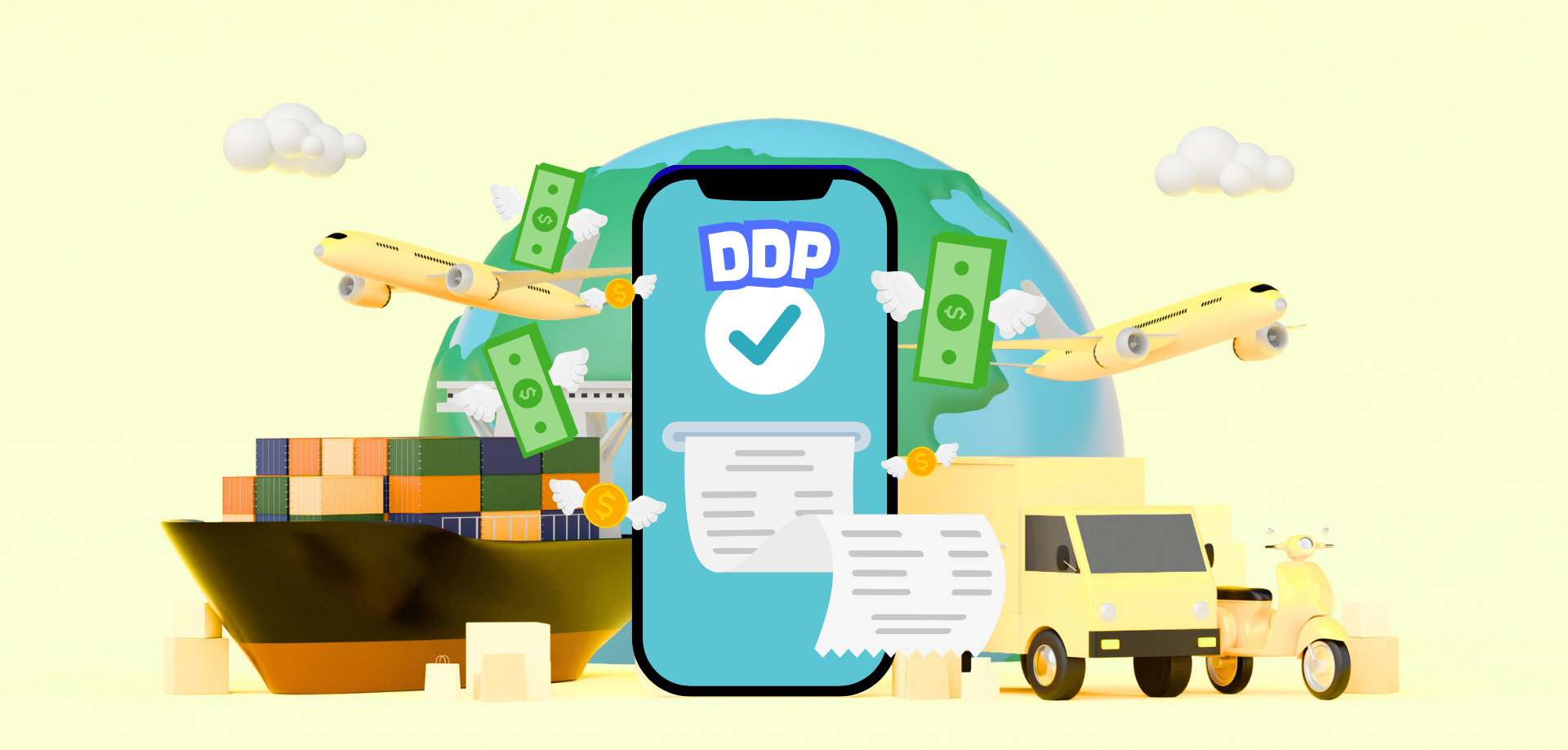
DDP, Delivered Duty Paid, is one of 11 trade terms defined under Incoterms® 2020, the internationally recognised set of rules published by the International Chamber of Commerce (ICC). Under DDP, the seller is responsible for all costs and risks involved in delivering goods to the buyer's nominated destination — including export customs clearance, international transportation, import customs clearance at the destination, and the payment of all import duties and taxes — until the goods arrive at the destination and are made available for unloading by the buyer.

In short, the seller handles everything from the point of origin to the buyer's door. The buyer simply pays for the goods, unloads them, and takes delivery.

DDP is the trade term that places the maximum obligation on the seller across all Incoterms — the seller is responsible for all transportation, customs clearance, and taxes — the buyer simply needs to collect the goods. 

DDP Incoterms 2020: Official Background

Incoterms® 2020 is the current and most up-to-date version of the international trade terms, having come into effect on 1 January 2020. It is widely used in international commercial contracts across the globe. DDP belongs to the "D Group" of Incoterms — meaning the seller's place of delivery is the same as the destination, and the seller must complete all transportation and customs formalities before the delivery obligation is fulfilled.

DDP applies to all modes of transport, including express courier, sea freight, road, and rail — and is broadly used by Hong Kong exporters for both cross-border e-commerce (B2C) and business-to-business (B2B) shipments.

18_09_DHL_12241

DDP Responsibilities: What Do Buyers and Sellers Each Cover?

The most important aspect of DDP is the clear division of responsibility between buyer and seller. Understanding this fully is essential for accurately calculating export costs and managing business risk.

Seller's Full Responsibilities

Under DDP Incoterms, the seller takes on almost all obligations:

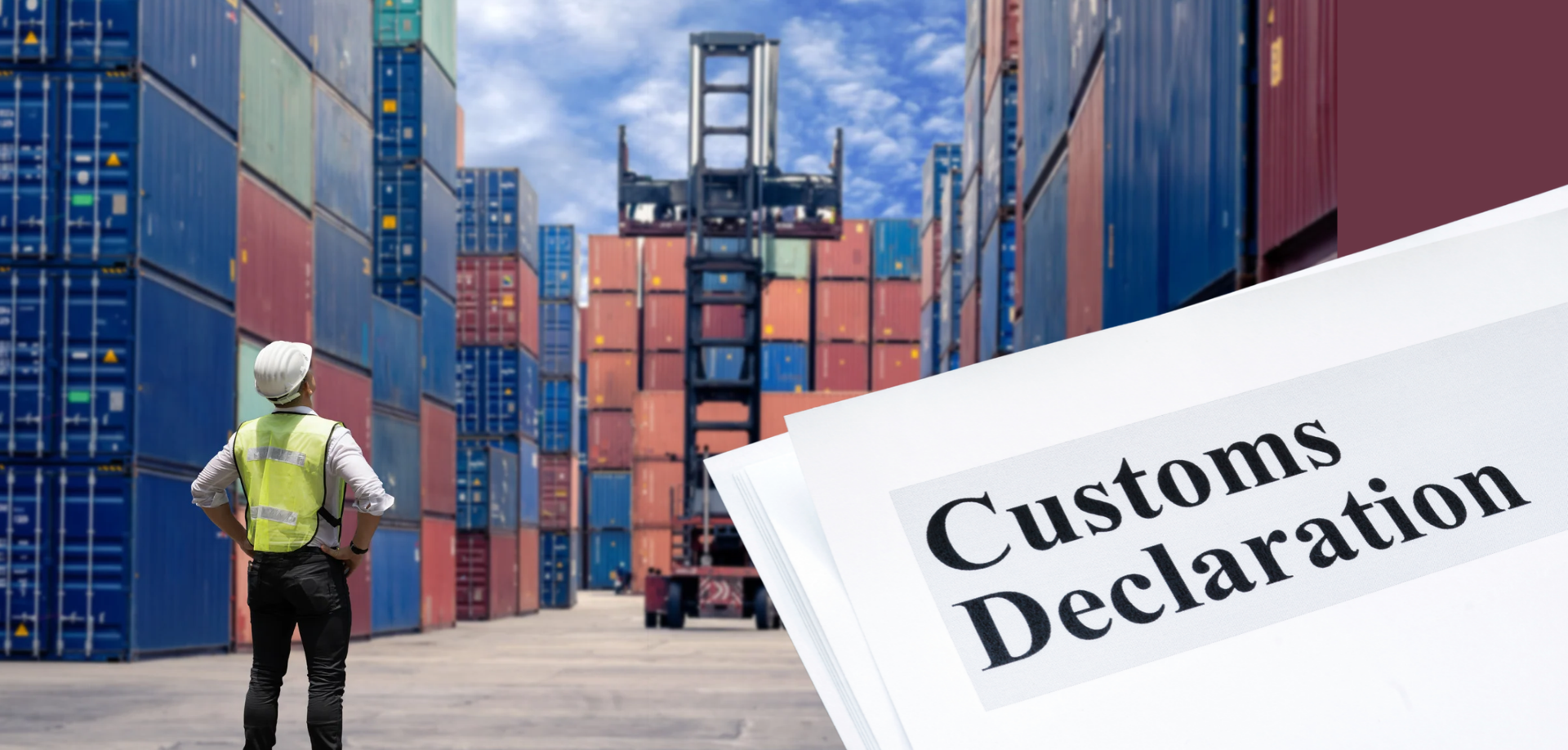
  • Export Customs Clearance: Filing export declarations, paying associated fees, and ensuring compliance with customs regulations in the country of export (e.g., Hong Kong).
  • Packaging and Labelling: Ensuring goods are packaged to international shipping standards and that all commercial documentation is in order (commercial invoice, packing list, certificate of origin, etc.).
  • International Freight: Arranging and paying for the full cost of transport from origin to destination, including the main freight leg and local delivery at destination.
  • Import Customs Clearance at Destination: Filing import declarations, paying all import duties, VAT or GST, and any other applicable taxes at the destination country.
  • Risk Throughout Transit: The seller bears all risk of loss or damage from the point of origin until the goods arrive at the destination and are ready for unloading.
  • Cargo Insurance (Strongly Recommended): While not a mandatory requirement under Incoterms® 2020, given the seller's full-journey risk exposure, industry practice strongly recommends purchasing comprehensive cargo insurance.

Buyer's Limited Responsibilities

Under DDP, the buyer's obligations are straightforward:

  • Payment: Paying for the goods in accordance with the agreed contract terms.
  • Unloading: Arranging and bearing the cost of unloading at the named delivery point.
  • Provision of Information: Where required, providing the seller with accurate delivery addresses and any import-related information needed to complete the shipment.

When Does Risk Transfer Under DDP?

Under DDP, risk transfers to the buyer at the moment the goods arrive at the buyer's nominated location and are made available for unloading. This is the latest risk transfer point across all Incoterms, meaning that even if goods have already cleared import customs and arrived in the destination city, the seller continues to bear full risk until the goods are formally made available for the buyer to unload.


A Complete Guide to DDP Shipping Costs

Under DDP, sellers must budget for a broader range of costs than under other trade terms. Here is a breakdown of the key cost components every Hong Kong exporter should account for before issuing a DDP quote:

Export-Side Costs (Hong Kong)

  • Local Haulage: The cost of transporting goods from your Hong Kong warehouse to the DHL Express service centre or point of origin.
  • Export Declaration (ED) Fee: The statutory fee for filing an export declaration with Hong Kong Customs.
  • Packaging Costs: Ensuring goods are packaged to international air or sea freight standards to prevent damage in transit.

International Freight Costs

  • Express and Air Freight Charges: Calculated based on actual weight or volumetric weight (Length × Width × Height in cm ÷ 5,000), whichever is greater.
  • Fuel Surcharge and Security Surcharge: Standard surcharges applied to international express shipments; rates are subject to periodic adjustment.
  • Cargo Insurance Premium: It is recommended that sellers insure goods based on declared value to effectively reduce transit risk.

Destination Import Costs

  • Import Duties: Calculated based on the destination country's tariff rate and the goods' Harmonised System Code (HS Code) — the standardised numerical code used to classify internationally traded goods. Rates vary by country and product category. For an introduction to HS Codes, refer to: HS Code Basics: What Exporters Need to Know.
  • VAT or GST: The majority of importing countries levy import VAT or GST. Rates vary — for example, UK VAT is 20% and German VAT is 19% (rates are subject to change; always verify with local tax authorities or a professional adviser before shipping). Under DDP, the seller is responsible for paying these taxes on behalf of the buyer.
  • Customs Brokerage Fee: The service fee charged by a destination customs broker for filing the import declaration.
  • Last-Mile Delivery Fee: The cost of delivering goods from the destination customs facility or airport to the buyer's nominated address. Find out more about DHL Express last-mile delivery services.

📌 Tip: Hong Kong businesses can leverage DHL MyGTS (My Global Trade Services) to look up HS Codes, duties, taxes, and landed costs in advance — helping you issue more accurate DDP quotes and reduce uncertainty.

DDP vs DAP: What's the Difference?

Among the 11 Incoterms® 2020 trade terms, DDP and DAP (Delivered at Place) are the two options most commonly compared by Hong Kong exporters. The key difference comes down to who is responsible for import customs clearance and duty payment.

DDP vs DAP: Core Differences at a Glance

Items

DDP (Delivered Duty Paid)

DAP (Delivered at Place)

Import Customs Clearance

Seller

Buyer

Import Duties & Taxes

Paid by Seller

Paid by Buyer

Risk Transfer Point

Goods ready for unloading (import cleared)

Goods ready for unloading (buyer clears import)

Buyer Involvement

Minimal

Higher

Seller Cost Burden

Highest (full journey)

Lower (excludes customs)

Price Transparency for Buyer

High (clear landed cost)

Medium (customs costs additional)

Best Suited For

E-commerce consumers, buyers with limited import experience

Experienced corporate importers

How to Choose Between DDP and DAP

The choice between DDP and DAP largely depends on your business model and the capabilities of both parties involved:

Consider DDP when:

  • The buyer has limited experience with import customs, or is unfamiliar with the tax regulations of the destination country
  • You are an e-commerce seller wanting to offer consumers a clear, all-inclusive landed price with no unexpected charges at delivery
  • Goods are low-value items, free samples, or warranty replacement parts
  • You already work with an express courier partner with destination clearance capabilities

Consider DAP when:

  • The buyer is a corporate client experienced in import procedures and prefers to manage their own customs clearance and duty payments
  • The seller is unable to register as a legal importer of record in the destination country
  • The destination country has a complex tax regime that makes it difficult for the seller to accurately forecast total costs


DDP Advantages and Key Risks

Every trade term has its trade-offs. Before committing to DDP, both buyers and sellers should fully understand the following:

Key Benefits for Buyers

  • Complete Cost Transparency: Buyers know the full landed cost at the time of order — no surprise duties or customs fees, boosting purchasing confidence.
  • A Seamless Delivery Experience: No import declarations, tax payments, or customs procedures to handle. Receiving an international shipment feels as simple as a domestic purchase.
  • Faster Customs Clearance: With experienced sellers or courier partners leading the process — and complete documentation — customs clearance tends to be faster, shortening overall delivery times.
  • Better Customer Service Outcomes: For cross-border e-commerce brands, DDP significantly reduces customs-related complaints and returns, strengthening brand reputation and repeat purchase rates.

Key Risks for Sellers

  • Maximum Responsibility and Cost Exposure: Any customs delays or additional fees levied by the destination customs authority are entirely the seller's liability.
  • Complexity of Destination Tax Regimes: Tariff rates and clearance requirements vary significantly between countries. Insufficient knowledge of local regulations can easily result in cost miscalculations.
  • Importer of Record Registration Requirements: Some countries — particularly certain EU member states — require importers to be legally registered local entities. If the seller cannot meet this requirement, they cannot legally complete DDP clearance.
  • Irrecoverable VAT Exposure: If the seller is not registered for VAT in the destination country, import VAT paid on the buyer's behalf typically cannot be reclaimed — and must be factored into product pricing.
  • HS Code Misclassification Risk: Using an incorrect HS Code can result in miscalculated duties, shipment holds, or customs penalties.
18_09_DHL_12935

Which Businesses Are Best Suited for DDP?

DDP is not the right fit for every export business. The key is understanding your own operational needs and whether you have the logistics and tax support in place to execute it effectively.

Business Types Best Suited for DDP Shipping

  • Cross-Border E-Commerce (B2C): Online stores selling to individual consumers can use DDP to offer a consistent, all-in landed price — eliminating buyer hesitation over additional charges and improving conversion rates and overall customer experience. If you are considering a dropshipping model for your cross-border online business, read: Starting a Dropshipping Store: 5-Minute Guide to What You Need.
  • Corporate Samples and Business Gifts: Sending samples or corporate gifts to overseas clients or partners — the recipient has zero customs obligations to deal with, reflecting professionalism and care.
  • Warranty Replacement Parts: Shipping replacement parts during the warranty period ensures the buyer receives goods with zero additional cost burden, preserving after-sales service quality and customer trust.
  • High-Value Consumer Goods: Luxury goods, premium electronics, and other high-value items benefit from DDP's full-journey protection, while the absence of additional buyer-side charges strengthens market competitiveness.

When DDP May Not Be the Right Fit

  • The seller has no knowledge of the destination country's import regulations or tax regime, and has no professional customs broker support.
  • Goods fall into high-duty categories (e.g., alcohol, tobacco, perfumes and cosmetics) where taxes represent a significant proportion of goods value and are difficult to accurately forecast.
  • The buyer is an experienced corporate importer who explicitly wants to manage their own customs clearance and duty payments — in which case DAP is the more appropriate term.
  • Order values are low and the administrative cost of customs clearance represents a disproportionately high share of total costs, undermining the cost-effectiveness of DDP.


Arrange DDP International Shipping with DHL Express

For Hong Kong exporters looking to ship on DDP terms, partnering with a courier with proven global customs capabilities is the foundation of successful DDP execution. DHL Express operates an extensive international network spanning more than 220 countries and territories, with dedicated local customs and trade compliance teams in key markets — efficiently handling import declarations and customs clearance around the world, so you can simplify even the most complex DDP requirements. For more guidance on import and export, visit our DHL Express Import and Export Advice hub.

 

Why Choose DHL Express Hong Kong for DDP Shipping

  • Global Customs Network: DHL Express maintains local trade compliance and customs teams across major markets worldwide — familiar with local customs regulations, tariff rates, and import restrictions — helping sellers accurately estimate DDP costs and reduce customs risk.
  • Time-Definite International Express: DHL Express provides time-guaranteed international express services, ensuring goods arrive at the buyer's nominated address on time and intact — keeping your business commitments.
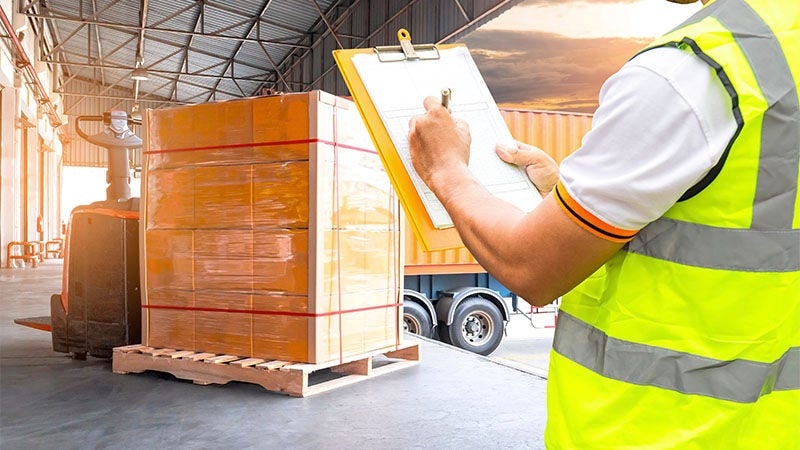
  • End-to-End Real-Time Tracking: From export in Hong Kong through to final delivery, full real-time shipment tracking keeps both buyers and sellers fully informed at every stage — enhancing overall supply chain transparency.
  • Personalised Account Management: Opening a DHL Express Business Account gives you access to personalised quotes, streamlined shipping workflows, and detailed billing records — so you can accurately track the true cost of every DDP shipment for financial management and cost analysis.
  • Expert Customer Service Support: DHL Express Hong Kong's professional customer service team is on hand to help businesses understand DDP cost structures, documentation requirements, and destination customs considerations — ensuring every shipment is fully compliant.
  • Preferential rates on international express shipments
  • Customs support across 220+ countries and territories
  • Time-definite delivery services with on-time guarantees
  • Personalised account management and detailed cost tracking

DDP Delivered Duty Paid — Frequently Asked Questions

DDU (Delivered Duty Unpaid) is an older trade term used under Incoterms 2000 that was officially discontinued from Incoterms 2010 onwards, replaced by two updated terms: DAP (Delivered at Place) and DAT (Delivered at Terminal) — with DAP being the closest conceptual equivalent to DDU. It is worth noting that DAT was subsequently renamed DPU (Delivered at Place Unloaded) under Incoterms 2020.

Like DDU, DAP places international transport responsibility on the seller, while import clearance and duty payment remain with the buyer — but DAP defines these responsibilities with greater precision. Some courier companies and e-commerce platforms still informally use the term "DDU", but in formal international trade contracts, the correct terms under Incoterms® 2020 — either DAP or DDP — should always be used.

This depends on the destination country's regulations. Certain countries — particularly some EU member states — require that only locally registered entities may act as the official Importer of Record to complete customs clearance. If the seller cannot fulfil this requirement, they cannot legally complete DDP import clearance, in which case DAP is the recommended alternative, allowing the buyer to act as the local importer. Sellers should always check specific destination requirements with DHL Express's trade compliance team before committing to DDP terms.

Under DDP Incoterms, import VAT is paid by the seller on behalf of the buyer. Whether this VAT can be subsequently reclaimed depends on whether the seller has registered a VAT number in the destination country. If not, the VAT paid is typically irrecoverable and must be incorporated into product pricing. For Hong Kong sellers exporting frequently to the EU or UK, it is strongly recommended to consult a tax adviser or DHL Express's trade compliance team in advance to plan VAT arrangements — avoiding unnecessary financial losses.

DDP offers clear advantages for cross-border e-commerce (B2C), providing consumers with a transparent, all-inclusive landed price that increases purchase intent, customer satisfaction, and reduces customs-related complaints and returns. That said, DDP is not the optimal choice for every seller. If your products fall into high-duty categories, if you have limited knowledge of the destination tax regime, or if low order values make customs administration costs disproportionately high, carefully evaluate the overall cost-effectiveness of DDP. Working with a professional courier partner like DHL Express — who can provide full visibility of destination tariff structures — will help ensure your DDP arrangements are both practical and profitable.

Under Incoterms® 2020, cargo insurance is not formally mandatory under DDP terms. However, since the seller bears full risk from the point of origin to the destination delivery point, any loss or damage during transit is entirely the seller's financial liability. Industry practice therefore strongly recommends that sellers proactively purchase comprehensive cargo insurance covering the full transit journey. When shipping with DHL Express, you can also enquire about shipment value declaration and protection options to ensure every consignment is adequately covered.