




Learning from early-movers: Decarbonization strategies for international shipping with SAF
Decarbonizing shipping is no longer a topic limited to a handful of leading companies. With sustainability disclosures set to become mandatory in phases from the fiscal year ending March 2027, many organizations are now facing the same questions: How can we reduce Scope 3 emissions? and What measures are both practical and effective?
Against this backdrop, international shipping using Sustainable Aviation Fuel (SAF) is gaining attention as a realistic and immediately actionable solution. At the same time, many companies still wonder whether SAF can deliver tangible results or whether it is feasible for their own business.
These questions were addressed through real-world business cases at “DHL Sustainable Logistics Environmental Seminar 2025”, held in Osaka on October 31, 2025. During the session, companies that had already taken steps to reduce Scope 3 emissions shared why they decided to act, how they implemented SAF-based solutions, and what changes they have experienced since.
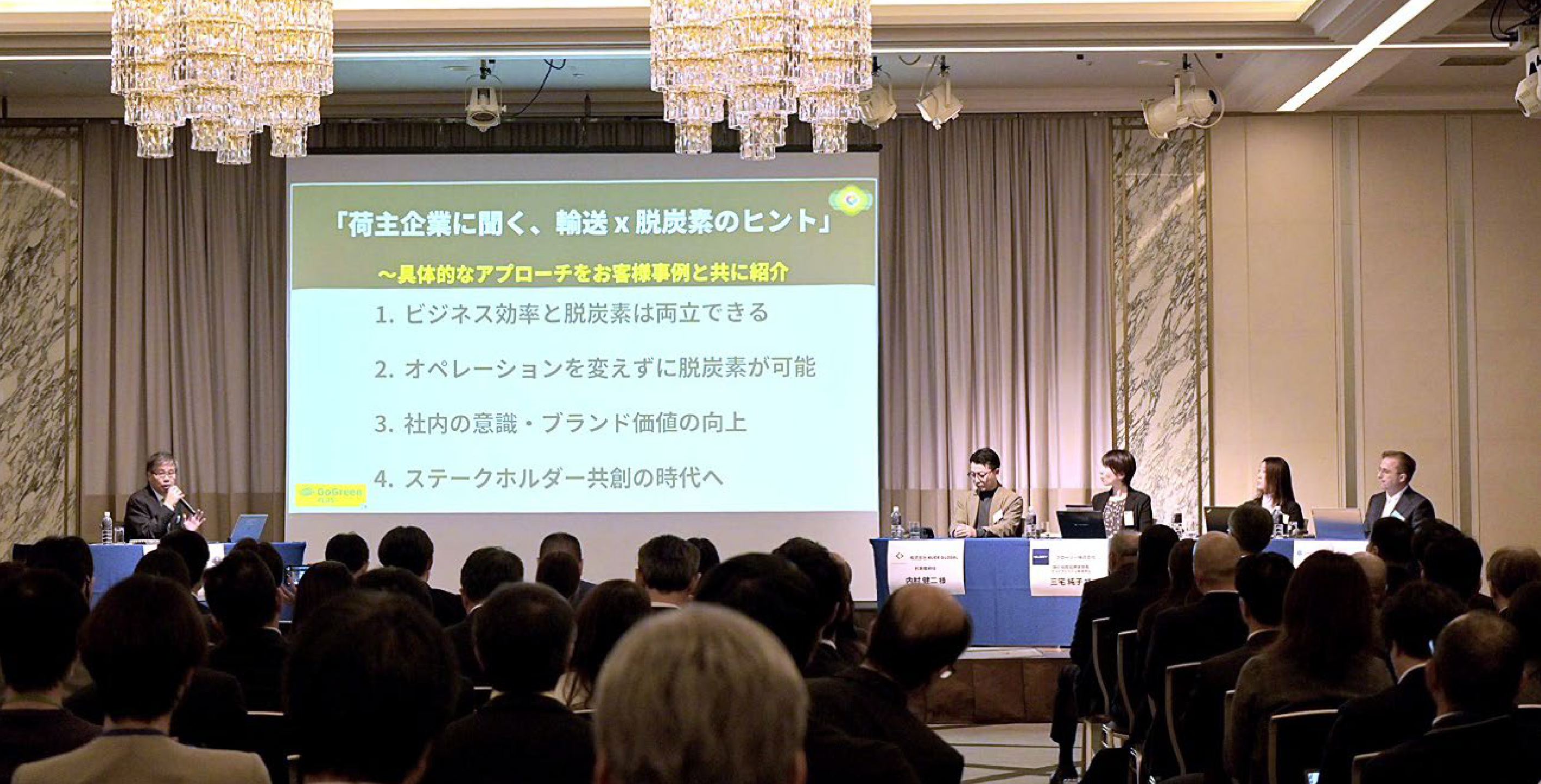
This article highlights key insights from the panel discussion titled “Learning from Shippers: Practical Tips for Decarbonizing Shipping,” offering practical hints for companies looking to move their decarbonization efforts forward.
The panel brought together representatives from companies of various industries and sizes, with the discussion moderated by Hiroshi Kojima, Head of Green Supply Chain at DHL Japan, Inc.
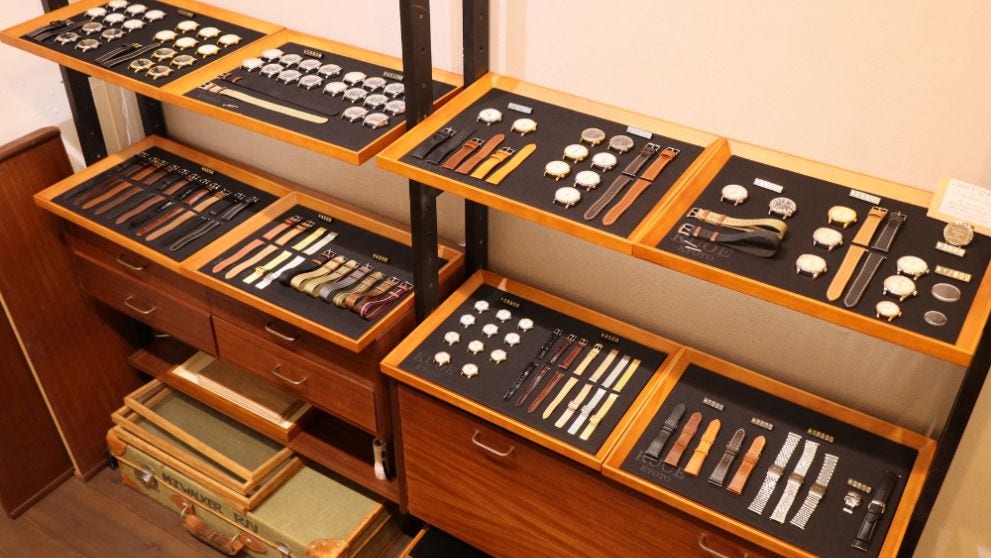
KUOE GLOBAL Inc.
Founder and CEO
Mr. Uchimura Kenji

GLORY LTD.
Executive General Manager of General Affairs Headquarters (Responsible for legal compliance and sustainability)
Ms. Junko Miyake

SCREEN Semiconductor Solutions Co.,Ltd.
Department Head of Post Sales Operations
Ms. Yuko Hizume
ZenGroup Inc.
President and CEO
Mr. Viacheslav Surovyi
During the session, representatives from four companies that adopted DHL’s GoGreen Plus, which utilizes SAF, at an early stage were asked to share their experiences from three perspectives:
- Why they decided to adopt the service
- What benefits and effects they have observed
- How internal and external stakeholders responded, including challenges faced during implementation
Below is a summary of the key comments shared by the panelists.

Why did you adopt GoGreen Plus?
Background and key decision factors
- The environmental impact of international shipping is a business challenge that needed to be addressed
- We wanted to demonstrate a responsible brand stance in response to rising customer expectations for sustainability

Outcome and benefits
Have you observed any business outcomes since switching to GoGreen Plus?
- Our business has achieved measurable emissions reductions. We have also been able to visualize and quantify this impact.
- Employee pride has grown in response to this active contribution to environmental initiatives.
- Our brand credibility has been enhanced.

How did stakeholders respond?
Please share the feedback you received from internal and external stakeholders.
- Sustainability aligns strongly with our corporate mission
- Employees and customers responded positively from both brand value and environmental awareness perspectives.
- The main challenge was clearly explaining how emissions are reduced in easy-to-understand terms
Why did you adopt GoGreen Plus?
Background and key decision factors
- We recognized that failing to keep up with sustainability trends itself poses a business risk
- Investors and customers have been increasingly demanding disclosure of sustainability initiatives and environmental impact data
- We have been pursuing carbon reductions alongside lead time optimization and cost efficiency across our supply chain
Outcome and benefits
Have you observed any business outcomes since switching to GoGreen Plus?
- Immediate CO₂ reductions from the time of GoGreen Plus adoption
- Easy integration with low impact on daily operations
- Increased visibility through the GoGreen Plus label printed on waybills
- Heightened awareness of emissions reduction within the procurement department
How did stakeholders respond?
Please share the feedback you received from internal and external stakeholders.
- The final decision was made through discussions between overseas procurement and sustainability departments.
- Strong expectations were placed on the emissions reduction certificates issued by DHL.
Why did you adopt GoGreen Plus?
Background and key decision factors
- It enabled us to balance high-frequency, small-lot shipments with carbon reductions.
- With 80% of our sales generated overseas, this represents a strategic step toward meaningful emission reductions.
Outcome and benefits
Have you observed any business outcomes since switching to GoGreen Plus?
- Early adoption of GoGreen Plus has been a significant competitive advantage
- We see a growing trend where business partners value companies that implement environmentally responsible transport methods.
How did stakeholders respond?
Please share the feedback you received from internal and external stakeholders.
- Gaining approval for the additional cost was a key hurdle.
- However, many members of management supported the initiative as a forward-looking environmental investment.
Why did you adopt GoGreen Plus?
Background and key decision factors
- We had already implemented measures such as promoting resource circularity through reuse, reducing waste, and reviewing packaging materials.
- However, CO₂ emissions from international transport remained a key unresolved challenge.
Outcome and benefits
Have you observed any business outcomes since switching to GoGreen Plus?
- We can now offer customers an environmentally conscious shipping option.
- The greatest benefit is the sense of shared environmental responsibility with our customers.
How did stakeholders respond?
Please share the feedback you received from internal and external stakeholders.
- The most challenging issue we faced was the additional costs.
- Ultimately, we decided that our company should assume the costs.
Taking meaningful steps towards more sustainable business
Today, decarbonization efforts have entered a new phase—one focused on taking concrete and achievable steps.
Through real examples of SAF adoption in collaboration with shippers, this seminar demonstrated that reducing Scope 3 emissions in international shipping is no longer just an ideal, but a practical and viable option.
Balancing CO₂ reduction with shipping quality and business efficiency is a challenge many companies face. SAF-based solutions such as GoGreen Plus are already being adopted by a growing number of organizations as one way to address both objectives.
As decarbonization across the entire supply chain becomes increasingly important, identifying the right first step for your organization is key.
Benefits of shipping more sustainably with DHL GoGreen Plus
- Immediate impact: See immediate carbon reductions from the get-go
- Minimal business disruption: Easy to switch without impacting daily operations
- Additional benefits: Improved customer and employee perception, enhanced brand value
Learn more about GoGreen Plus
Panel Companies
| 所在地 | 京都府京都市中京区丸木材木町670-1 吉岡御池ビル 3階 3F, 670-1 Marukizaimokucho, Nakagyo-ku, Kyoto |
| 事業内容 | Manufacture and sale of wristwatches |
| URL | https://www.kuoe-jp.com/about |
| Location | 兵庫県姫路市下手野1-3-1 1-3-1 Shimoteno, Himeji-shi, Hyogo |
| Business activities | Development, manufacturing, sales, and maintenance of currency processing machines and self-service equipment; provision of electronic payment services, biometric authentication solutions, and other services. |
| URL | https://www.glory.co.jp/ |
| Location | 京都市上京区堀川通寺之内上る四丁目天神北町1番地の1 Tenjinkita-machi 1-1, Teranouchi-agaru 4-chome, Horikawa-dori, Kamigyo-ku, Kyoto |
| Business activities | Semiconductor manufacturing equipment business |
| URL | https://www.screen.co.jp/spe/ |
| Location | 大阪府大阪市中央区瓦町1丁目7番7号 大阪堺筋Lタワー Kawaramachi 1-7-7, Osaka Sakaisuji L Tower 10F, Chuo-ku, Osaka |
| Business Activities | Cross-border e-commerce, international logistics and promotional activities |
| URL | https://zen.group/ |


 Share
Share
Similar Stories