Japan’s business environment is rapidly evolving toward sustainability. With the national goal of achieving carbon neutrality by 2050 and increasing regulatory and consumer pressure, reducing your company’s carbon footprint is no longer optional—it is a strategic priority.
For e-commerce and logistics-driven businesses in Japan, tackling emissions across the supply chain can deliver both environmental impact and long-term competitiveness.
Why Carbon Reduction Matters in Japan
In Japan, logistics is a critical part of the sustainability challenge:
- The transport sector accounts for a significant share of national CO₂ emissions, with road freight playing a major role1
- Rapid e-commerce growth is increasing last-mile delivery emissions and packaging waste
- Regulations and disclosure requirements for corporate emissions are tightening, especially around Scope 3 supply chain emissions
At the same time, sustainability is becoming a competitive differentiator, with green logistics strategies directly tied to cost efficiency and brand value.
Top Causes of Carbon Emissions in E-commerce
Here are six activities that increase the carbon footprint of the e-commerce industry.
1. Poor or Excess Packaging
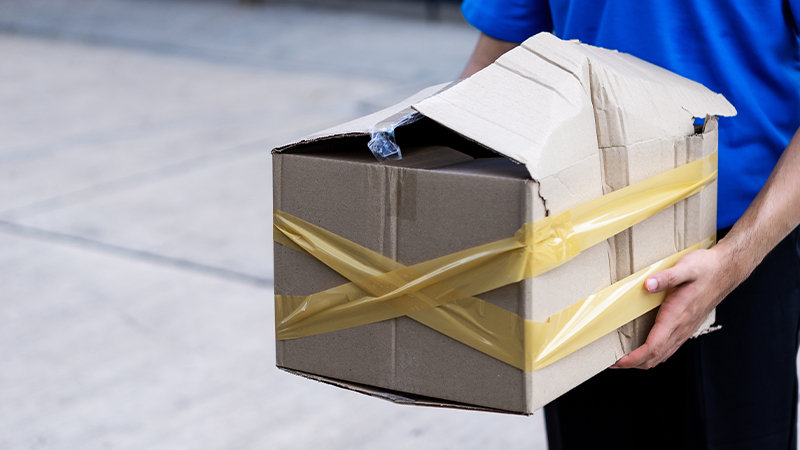
Sellers often ship products in standard-sized boxes, with empty space filled with unnecessary packing materials. Most of these materials contain single-use plastics.
As well as creating waste, the package takes up unnecessary space while being transported, increasing its carbon footprint.

2. Impulse Purchases
E-commerce sites often encourage consumers to impulse buy, offering discounts and rewards. While clearly good for business, increased buying leads to increased production and more CO2 emissions.
Bad shopping decisions also often results in returns, further enlarging your carbon footprint.

3. Frequent Returns
When returns are free and easy, it encourages consumers to buy multiple items, intending to return several of them. Additional transportation chalks up emissions and even worse, some businesses dispose of returns rather than placing them back in inventory.

4. Mobile Device Usage
With e-commerce increasingly taking place on mobile phones, these devices need more computing power and stronger batteries.
As a result, e-commerce has helped drive up energy consumption, with harmful effects on both the environment and even personal health and well-being.

5. The Rise of Data Centers
E-commerce has also driven an increase in the amounts of data that needs to be processed, stored, and retrieved. Enormous data centers consume huge amounts of energy and can contribute to environmental pollution if not properly regulated.
6. Fast Transport Methods
Even though climate-consciousness is on the rise, consumers still want to receive their purchases quickly.
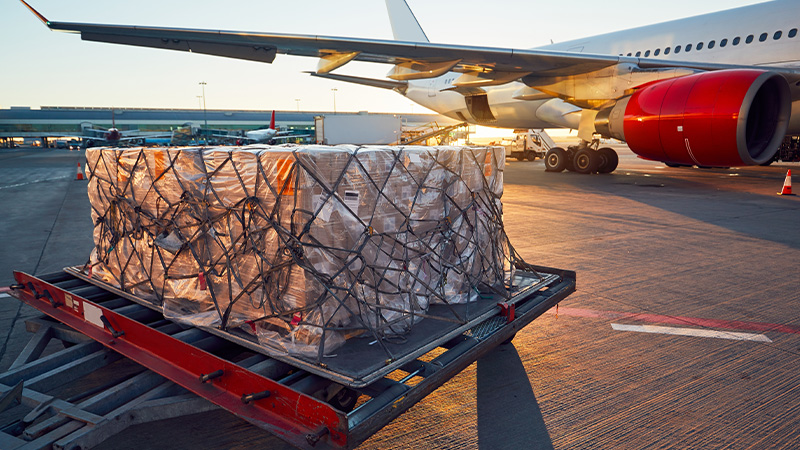
Especially in cross-border e-commerce, this often leads to the use of air transport, which has the largest carbon footprint of all transport options.
Lower Carbon Logistics: 7 Tips to Follow
These best practices will help your business work towards its sustainability goals.
1. Track Carbon Emissions
The first step to reducing your e-commerce carbon footprint is tracking your carbon emissions.
They are divided into three different types: Scope 1, Scope 2 and Scope 3. Scope 1 is your business’s direct emissions; Scope 2 covers indirect emissions from purchased energy (eg. electricity); and Scope 3 are emissions produced by other businesses in your supply chain.
Find guidance and calculation tools or tracking emissions on the Greenhouse Gas Protocol (GHG) website.
2. Reduce waste by going paperless and efficient or sustainable packaging
Business and customers increasingly prefer digital receipts and are switching to more efficient internal paperless systems.
Use right-sized packaging to cut waste and shipping-related emissions and package multi-item orders together. Look into reusable, recyclable or compostable packaging materials.
Switching to sustainable packaging can save you money and attract those environmentally-conscious customers, too.

3. Offer emissions-reduced transport modes
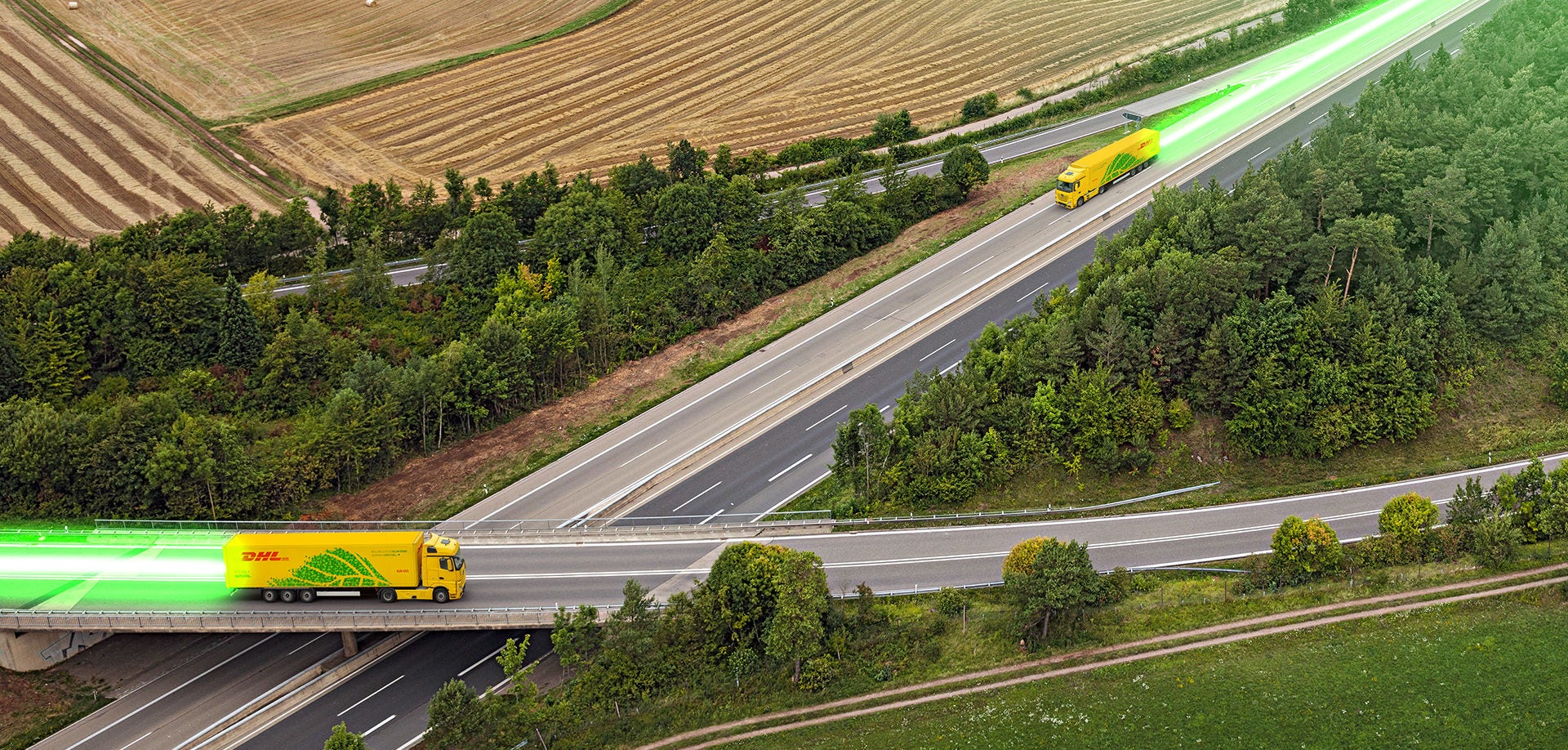
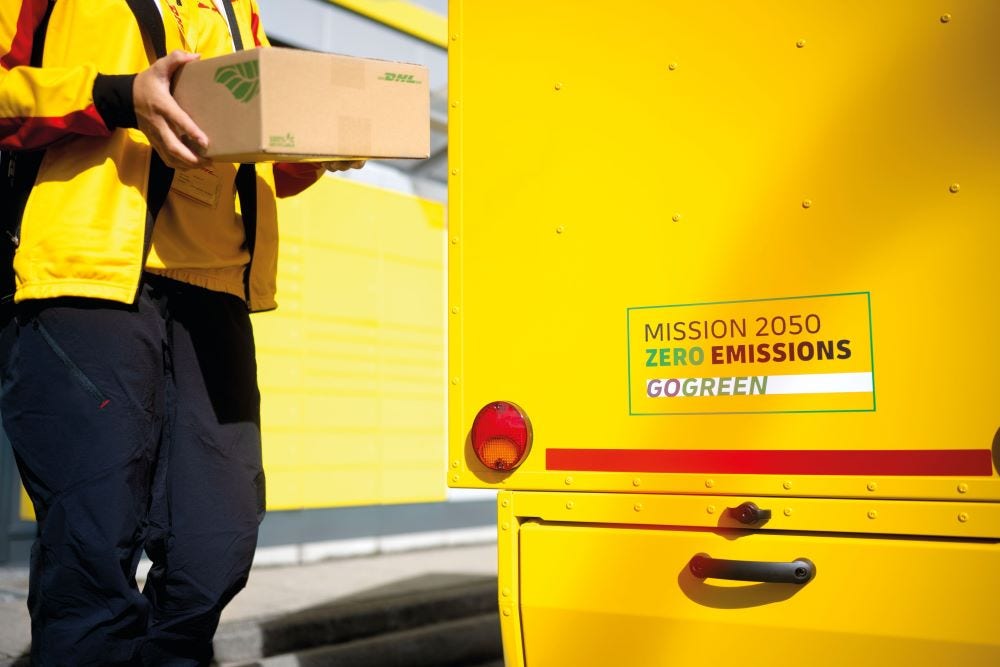
Choosing a logistics partner with a dedicated emissions-reduced shipping services will enable you to lower your Scope 3 emissions. DHL Express’ GoGreen Plus, for example, helps businesses to reduce carbon emissions associated with their shipments through the use of Sustainable Aviation Fuel (SAF) made with renewable sources such as vegetable oils, animal fats and agricultural crops. SAF is specifically designed to be used as a substitute for traditional jet fuel and can reduce greenhouse gas emissions by up to 80% compared to fossil fuels.
Emission-reduced delivery with GoGreen Plus
GoGreen Plus is the industry's first transportation service that can reduce (inset) CO₂ emissions associated with your shipments by using sustainable aviation fuel (SAF) produced from biomass-derived raw materials such as waste cooking oil and sugarcane.
Learn more here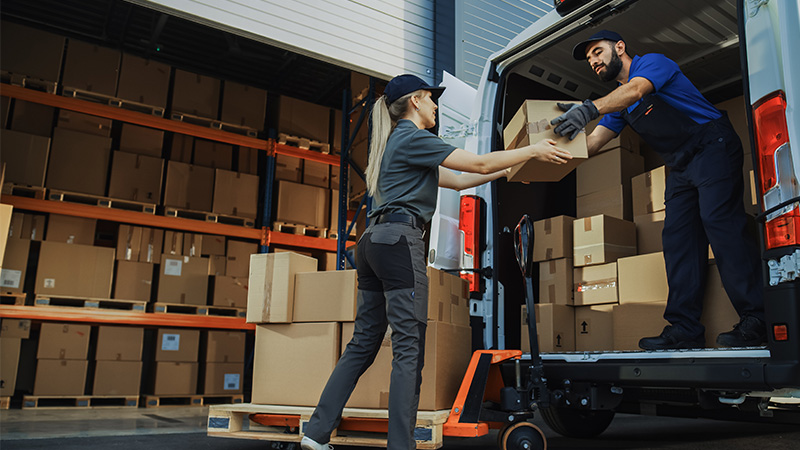
4. Efficient inventory management
If you have reliable suppliers, consider switching to Just In Time (JIT) inventory management3. The idea is to eliminate waste and increase efficiency. With JIT, raw materials arrive as they are needed for production or stock arrives to meet customer demand – but no sooner. It means you have very little stock sitting in your warehouse, using energy for storage and becoming obsolete. Adopting JIT can save you money, reduce waste, and increase your operational efficiency.
5. Insist on a sustainable supply chain
Companies are realizing the importance of sustainability in their supply chains. Nike, for example, has introduced a Sustainable Manufacturing and Sourcing Index, which assesses and ranks suppliers based on their environmental performance4.
Little changes to streamline your operations can make a huge difference in your carbon footprint at the end of the day. You can significantly reduce your carbon footprint just by partnering with likeminded suppliers.

6. Introduce a circular economy initiative
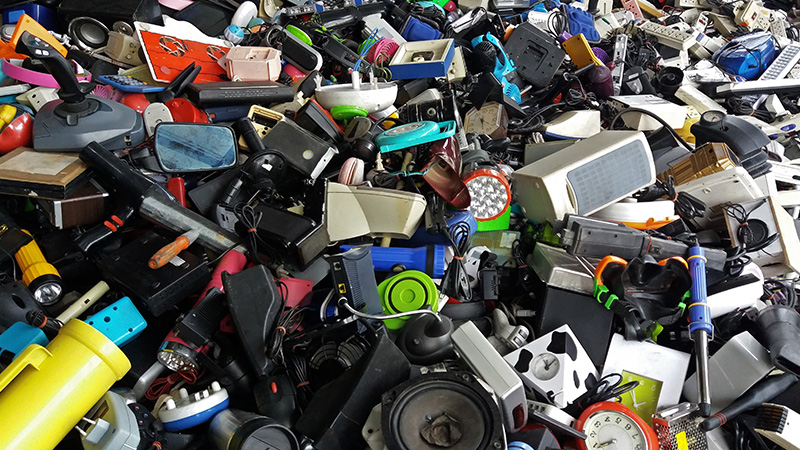
Extend your products’ lifecycle with a reverse logistics strategy. This promotes the idea of recycling, refurbishing and repairing damaged product returns (rather than sending them to landfill) – a more environmentally friendly and cost-effective route.

7. Reduce customer returns
Every product that is returned to your business means extra transport emissions. To prevent this, invest in reducing your returns rate in the first place: ensure you have lots of high-definition photographs and detailed product descriptions on your website, and adopt virtual reality (VR) tools to help customers visualize how a product will look more accurately.
You can also utilize parcel lockers for more eco-friendly returns. These allow your courier partner to pick up several customers' returns packages from one location – significantly reducing total transport emissions.
Turning Sustainability into a Business Advantage
In Japan, sustainability is not just compliance—it is a driver of innovation and growth:
- Companies adopting green logistics are achieving both emissions reduction and cost savings5
- Government support and policies are accelerating adoption of low-carbon technologies
- Consumers and partners increasingly prefer environmentally responsible brands
Reducing your carbon footprint requires action across your entire logistics chain—but you don’t have to do it alone. By combining smarter logistics, better data and reporting, and a simple mindset shift towards being more conscious of your carbon footprint, businesses in Japan can better meet sustainability standards while maintaining efficiency and service quality.
DHL can support your journey with emission-reduced logistics solutions, carbon reporting tools, and global expertise, helping you move toward a more sustainable future while staying competitive in the Japanese market.


 Share
Share
Similar Stories