

Thinking about expanding your business into international markets? Shipping overseas can open the door to greater opportunities, new customers and exciting markets.
By expanding your reach to buyers worldwide, you stand to increase brand awareness, boost sales and accelerate your company's growth.
But whether you’re sending out your first overseas order or scaling an e-commerce operation, understanding the basics of international shipping is essential. This guide breaks down the key information you need into simple steps and key advice, so you can ship with confidence and avoid common pitfalls from day one.
How to ship internationally: 7 essential things to remember

1. Prepare the necessary shipping documents
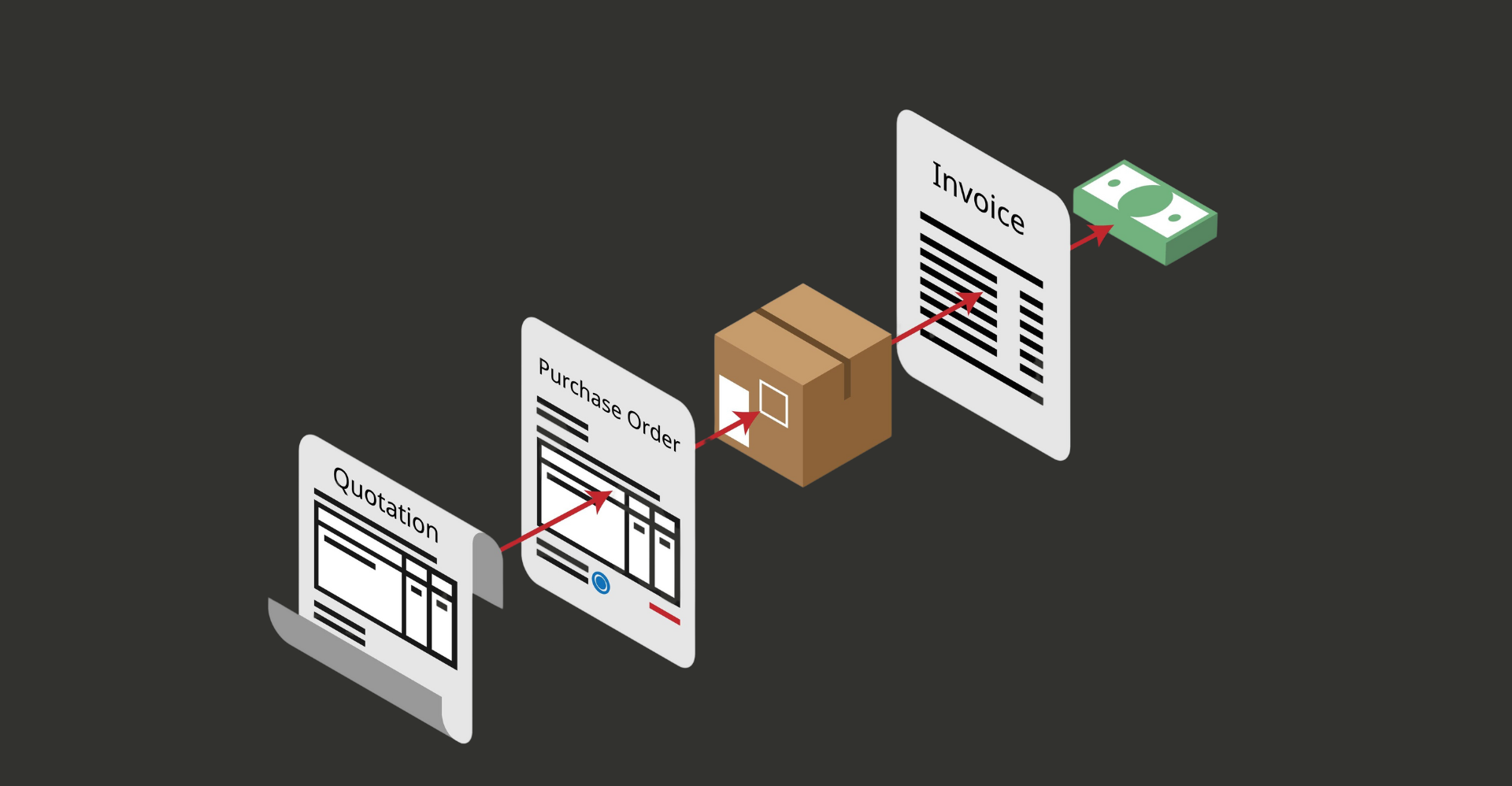
When shipping internationally, you’ll often need to provide specific information and documentation to get your goods through customs. For small businesses and start-ups – already juggling countless priorities – this can feel overwhelming. However, taking the time to ensure your shipment information and documents are accurate is essential to avoid delays, extra fees, or rejected shipments at the border.
A few examples of the documents you’ll need to provide include:
Commercial Invoice (CI)
A commercial invoice includes detailed information about the international transaction and the goods being shipped, such as:
- Detailed product descriptions
- HS codes (customs classification codes)
- Product value and currency
- Weight
- Terms of sale
- Any other required transaction details
Customs authorities rely on this information for declaration and tax assessment. Errors can lead to delays or penalties, so accuracy is essential.
Read more: What is a Commercial Invoice?
Air Waybill (AWB)
Often described as the “passport” for your shipment, an AWB includes all cargo information. The label is attached to the package, and the tracking number allows all parties to monitor shipment status in real time.
Certificate of Origin
This document certifies the country where the product was manufactured (e.g., “Made in China”). Not all destinations require it, but in some cases—depending on trade agreements or product types—it may be mandatory.
To better understand the key documentation required for international shipments, explore this detailed guide.

2. Classify your products accurately
Every product shipped internationally must be assigned a specific commodity code that indicates exactly what it is and what it is made up of. These globally recognized codes—known as HS codes (Harmonized System codes) or tariff classification codes—are used by customs authorities worldwide.
For example, a cotton T-shirt has a different HS code than a polyester one. Also, a lithium battery will have a different HS code than a mobile phone, even if they are shipped together.
These HS codes determine:
- Duties and taxes (how much you or your customer pays at the border)
- Import/export restrictions (some goods require special licenses)
- Statistical data (used by governments to track trade)
You will need to state your goods’ HS codes on the Commercial Invoice for each of the items being shipped, ideally both the Export and Import HS codes. Getting it right is imperative, as incorrect classification can lead to potential customs delays, or even fines and penalties. Using outdated or incorrect codes can result in miscalculated duties and taxes, which can have financial implications.

3. Package your goods well for a safe journey
Getting packaging right is one of the most crucial parts of shipping internationally. Poor packaging can lead to delays, damage, or even refused deliveries.
Please note that some items may have specific packaging requirements (e.g., hazardous materials) that must be adhered to in order to comply with international shipping regulations.
Here are some important packaging tips for global shipments:
- Choose the right type of box:
Use double-walled corrugated cardboard for heavier items or fragile goods. Match the box size to the contents; underfilled boxes can collapse, while overstuffed ones might burst. Minimizing empty space in the box will also reduce your shipping costs. - Cushion your contents:
Use materials like bubble wrap, foam peanuts, or air pillows – especially for delicate or high-value items. Ensure there's no movement inside the box when you shake it. - Attach the shipping label:
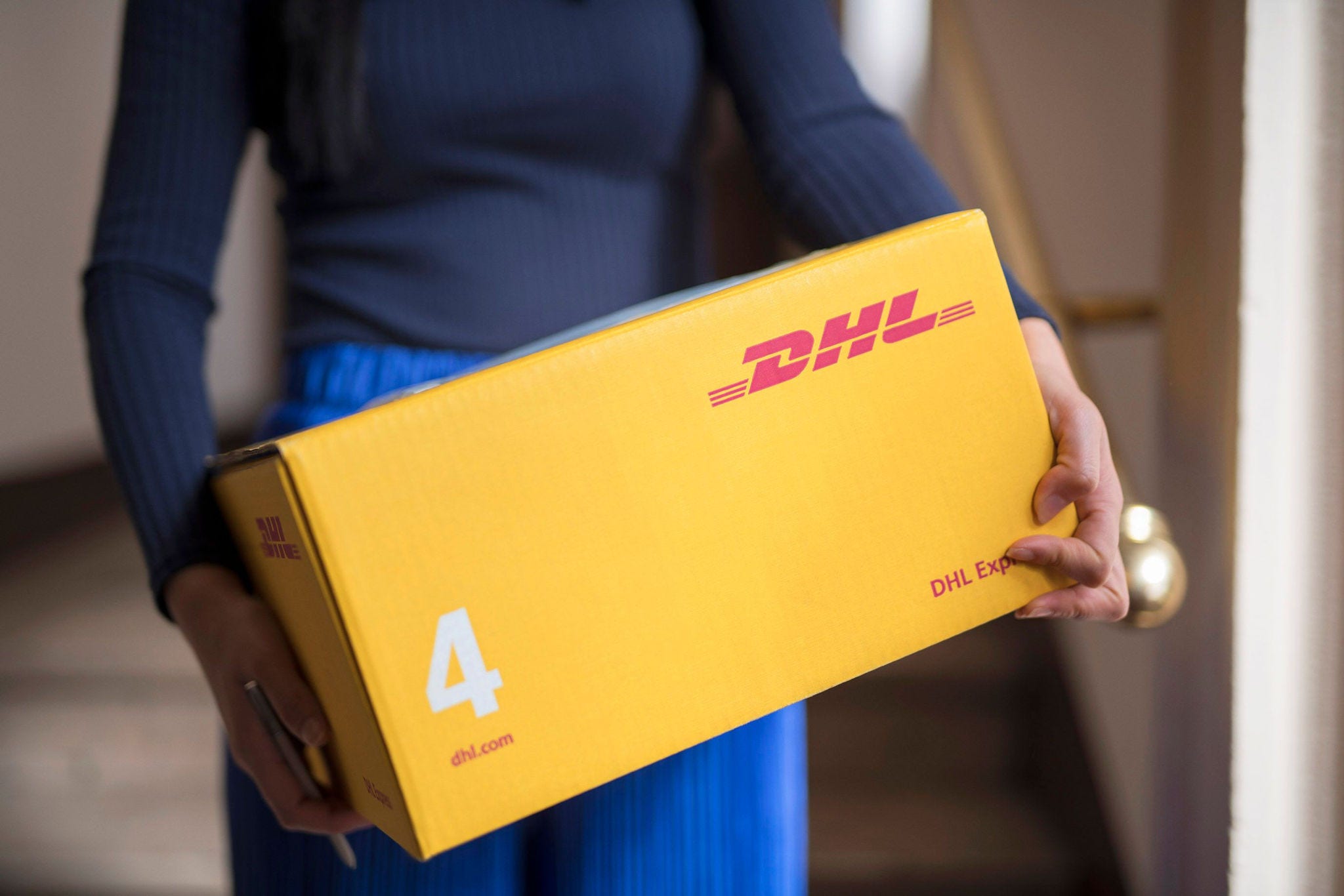
Make sure documents are clearly visible and securely affixed on the top or sides of your box. Avoid placing tape over the barcode or address fields as it could interfere with scanning.
When shipping multiple express packages under one Air Waybill, affix the original Air Waybill to one package. Then affix copies to the other packages. Label each box with the total number of boxes in the shipment, such as “1 of 3”, “2 of 3” or “3 of 3”.
Read more: How to pack for international shipping: a step-by-step guide | DHL Express Japan
4. Choose the right shipping service
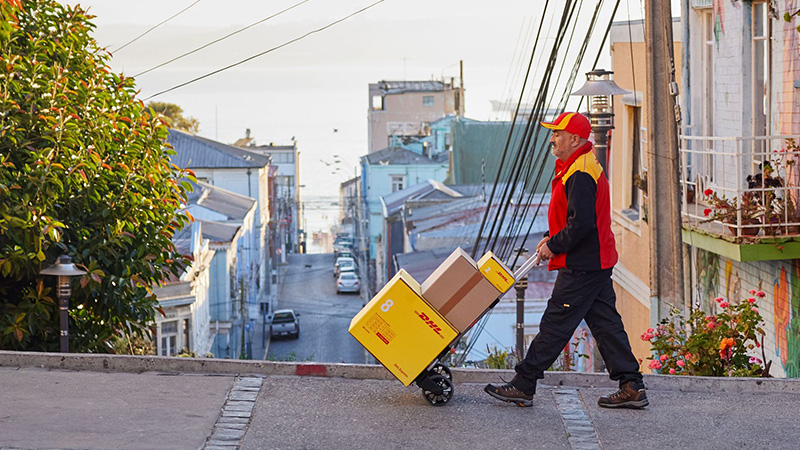
Selecting the right international shipping method is essential. Options include international postal services, courier services, and freight forwarders—each with different delivery speeds, prices, coverage areas, and customs support levels.
For business shipments in particular, such as confidential documents, ensure your provider offers full tracking and a door‑to‑door service.
DHL Express delivers reliable international shipping for both documents and parcels, reaching over 220 countries and territories. You also gain access to real‑time tracking from pickup to delivery.
Learn more about DHL Express international shipping services.

5. Check for sanctions and restricted parties
International trade regulations prohibit or restrict shipping to certain individuals, organizations, or regions due to national security or foreign policy reasons.
Many governments and organizations, such as the UN Security Council, EU, and U.S. government, publish lists of sanctioned or restricted parties.
In line with DHL Express policy, we cannot accept shipments involving sanctioned entities, military‑related items, or any destination/person on these lists.
Failing to follow these regulations can result in:
- Shipment seizure or delays
- Customs holds
- Fines or administrative penalties
- Legal consequences
Always verify that your customer or recipient is not on a sanctions or denied‑party list.

6. Understand restricted and prohibited commodities
Some items are restricted or prohibited in international shipping for safety, legal, or regulatory reasons.
Examples include:
- Lithium batteries
- Perfume
- Certain electronic devices
Before shipping, make sure to check and consult:
- Carrier guidelines
- Export/import country regulations
- Required permits for various types of goods
Dual‑use items, those with both civilian and military applications (e.g., semiconductors, drones, telecommunications equipment), may require additional export controls.
Read more: Dangerous goods international shipping | DHL Express Japan

7. Calculate your total shipping costs
Understanding all cost components in advance helps to prevents profit loss and customer disputes.
Cost Factors Include:
- Shipping charges: Based on size, weight, origin, destination, and speed.
- Duties and taxes: Determined by HS code, declared value, and product type.
Choose who pays duties/taxes:
- DTP (Duty Tax Paid): Shipper pays
- DTU (Duty Tax Unpaid): Receiver pays
Your choice affects customs processing and customer experience—you wouldn't want customers surprised by unexpected charges upon delivery! Select these carefully according to your business terms and customer understanding.
Possible additional fees:
- Remote area surcharges
- Fuel surcharges
- Oversized goods
- Special handling
MyGTS: your gateway to international shipping
DHL’s MyGTS platform supports businesses in calculating the estimated cost of importing goods. This total – known as the landed cost – includes not only the product price and shipping charges, but also customs duties, taxes, insurance, and additional charges, giving an estimated picture of what it takes to bring a product across borders.
This free, user-friendly platform will help you navigate many international shipping regulations seamlessly.
Simply log in with your existing DHL Express Business Account or register a new MyGTS account to access:
- Pre-shipment Planner: A dedicated tool to help your business understand some of the applicable import/export regulations and calculate the estimated Landed Cost.
- Support with Tariff Classification Codes: MyGTS provides potential HS codes for you to select based on your goods’ characteristics. Find the right code easily using keywords or the code directory.
- Landed Cost Calculator: Enhance your pricing strategy and give your customers transparency over the estimated shipping costs. This is essential to building trust with your customers.
- Guidance on import and export requirements: Understand some of the country's import and export requirements before you ship to avoid goods being held up at borders.
- Customs documentation and templates: Effortlessly gather examples of the customs documentation and templates that might be required, to avoid potential delays. It’s important to conduct your own due diligence and ensure that all documents are submitted in the correct format and language, as required by the export and/or import country’s customs authorities.
- A product catalog feature: Maintain a readily accessible record of your commodities and shipment history within DHL MyGTS, where you can save past searches, product details, and tariff codes for quicker repeat shipping.
It is essential to keep up to date with the import and export regulatory requirements of the countries where you ship from/to, and consult with customs experts or legal advisors when necessary to ensure compliance with the regulations.
With the right preparation, global shipping doesn’t have to be complicated. Use DHL Express services to deliver your shipments securely, quickly, and smoothly worldwide.


 Share
Share
Similar Stories