#eCommerceAdvice

How to Scale Your Cross-Border Logistics to Survive Live Streaming Order Spikes

Key Takeaways

  • Volume Spikes: Sudden order surges from live broadcasts can overwhelm traditional manual packing systems.
  • Label Automation: Linking marketplace software directly to international shipping tools saves critical processing hours.
  • Transit Speed: Fast air express delivery protects your merchant account status from platform penalties.
  • Delivery Flexibility: Allowing buyers to redirect parcels minimises failed delivery attempts and improves customer satisfaction.

Live stream shopping is already converting 5 to 10 times better than standard e-commerce. The brands that are moving fast enough to keep up are turning single broadcasts into their best sales days of the year. Those still printing shipping labels manually risk falling behind. Here is how to build the shipping backbone that turns a live stream spike into a sales record instead of a warehouse crisis.


Why do live streaming sales create so much fulfilment friction?

Social commerce moves at high speed. Demand spikes hit in short, compressed bursts that are unlike the steady traffic of standard retail.

A successful live broadcast can generate over a thousand sales in minutes: Tommy Hilfiger's live stream in China sold 1,300 hoodies to 14 million viewers. Industry-wide, live stream shopping events achieve 10-30% conversion rates, which is far higher than traditional e-commerce's 2-3% average.

Results like these are becoming the new benchmark for what a single broadcast can achieve for a growing brand.

How the bottleneck actually builds

This sudden influx of orders risks causing delays in manual labelling and stalling your warehouse output. If you're selling from Singapore to buyers in key markets like Malaysia and Australia, manual data entry becomes a significant bottleneck. This is especially true when shipping out of a major logistics gateway like DHL’s South Asia Hub, which handles a massive volume of e-commerce goods.

DHL Express Commerce integrations connect directly with popular platforms like Shopify, WooCommerce, and eBay to download transaction details automatically. This automated pipeline cuts manual entry and allows your packing teams to start labelling parcels immediately.

Three operational challenges viral sales events create

These are the issues that most often catch warehouses unprepared:

  • System Gridlock: Manual copy-and-paste methods create label backlogs very quickly.
  • Inventory Visibility: Rapid sales deplete stock faster than legacy systems can update.
  • Label Discrepancies: Rushed manual typing increases address errors and delivery failures.

Here's how the two approaches compare:

Fulfilment Model

Order Processing Method

Scalability Rating

Peak Wave Vulnerability

Manual Entry

Staff type addresses manually

Low

High risk of multi-day backlogs

API Integrated

Direct software data sync

High

Low risk via instant label batches


How do integrated APIs automate your shipping labels?

Manual data entry can cause significant delivery errors once order volume spikes during a live sale. By syncing your warehouse tools directly with your shipping platform, the system pulls transaction data straight from your storefront and prepares it for international transport without manual keyboard entry.

How MyDHL+ takes the manual work out of batch shipping

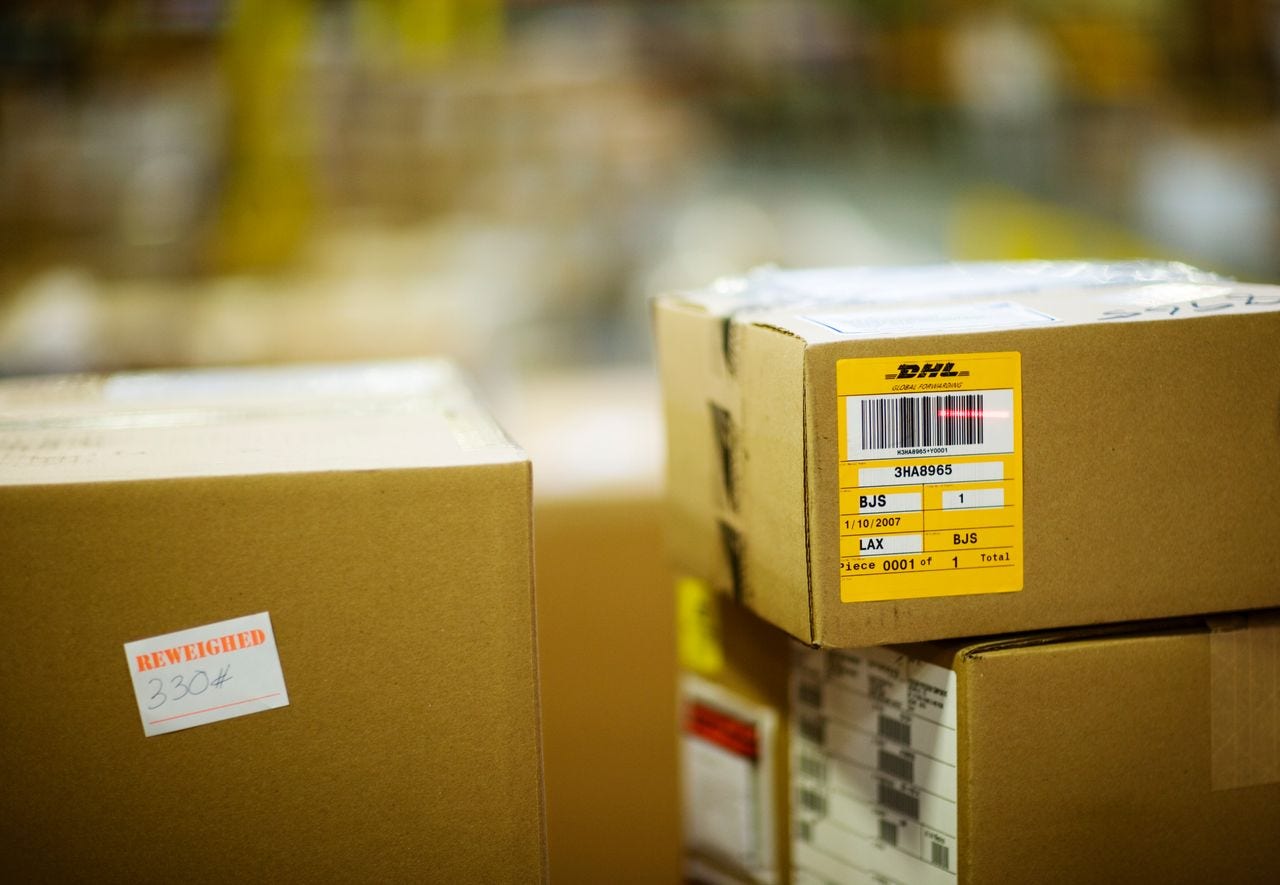
Using MyDHL+ allows high-volume sellers to generate hundreds of international air waybills in a single batch. Your team can bypass the manual entry process and focus on picking and packing. When the next flash sale occurs, your shipping pipeline will continue to move efficiently.

Three automated checkpoints in your fulfilment workflow

This is what happens automatically once an order is placed:

  • Instant Syncing: The system imports buyer details the moment the digital checkout is complete.
  • Batch Generation: Your team can print hundreds of international air express labels with one click.
  • Courier Notification: Automated alerts schedule a Dedicated Pickup to match your warehouse output.


What customs strategies prevent delivery delays during retail peaks?

International orders face the risk of being held at customs if commercial invoices lack clear product descriptions or accurate valuations. Customs authorities can halt packages that have vague declarations. During a peak sales event, this can lead to border delays and dissatisfied buyers.

How pre-clearance keeps parcels moving

DHL Express's customs tools let cross-border merchants submit pre-clearance documents digitally before the flight lands. This allows customs officers to review and clear your e-commerce parcels while the aircraft is still in transit. Using the Duty Tax Paid service means you pay import fees upfront, which helps clear regulatory hurdles before the parcel arrives in the destination country.

A single held parcel during a peak sales event can cost you SGD 65 in expedited reshipping and customer service time, and that can add up quickly across a whole broadcast's worth of orders.

Three details customs checks first

Ensuring these details are correct helps low-value parcels move through with far fewer hold-ups:

  • Precise Description: Avoid vague terms like "apparel"; list "knit cotton t-shirt" instead.
  • Harmonised Codes: Include accurate HS codes for every product line in your shipment. For your own export declarations from Singapore, using the correct codes from the official Singapore Trade Classification, Customs & Excise Duties (STCCED) is essential for smooth clearance.
  • Value Consistency: The declared commercial invoice value must match the actual transaction price.

For goods imported into Singapore, the de minimis threshold is SGD 400, below which no GST is payable. Capacity also tightens fast during major e-commerce peaks like the Chinese New Year or the 11.11 shopping festival, right when broadcast volume is highest.


How does flexible last-mile delivery protect your seller ratings?

First-time delivery failures can lead to poor platform reviews, customer complaints, and an increase in support tickets. Social marketplace algorithms may even reduce your merchant visibility in response. Maintaining a high delivery success rate is essential for keeping your products visible on live streaming feeds.

How On Demand Delivery cuts failed drop-offs

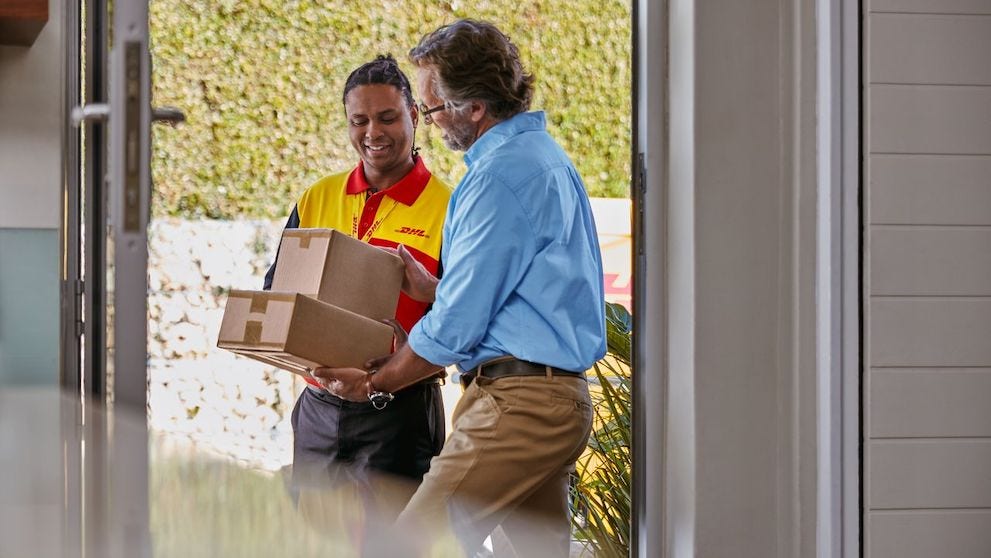
On-Demand Delivery allows recipients to select their preferred delivery timing or alternate drop-off locations, which reduces the occurrence of missed deliveries. Buyers receive automated SMS or email alerts that allow them to redirect their package to a secure locker or a neighbour if they will not be home. This flexibility reduces failed delivery attempts and ensures a smoother post-purchase experience.

Three ways this protects your merchant status

A strong last-mile strategy provides multiple benefits:

  • Reduce Support Tickets: Automated tracking alerts give buyers real-time visibility of their orders.
  • Improve Reviews: Giving customers control over delivery times helps to raise your platform star ratings.
  • Protect Channel Status: Fast delivery turnarounds help keep your platform cancellation rates low.


Align your logistics for the next broadcast

Live stream commerce continues to grow, and the sellers who build the right shipping foundation now will be the ones who lead this channel in the future. DHL Express supports this shift with tools like DHL Express Commerce for storefront integration, MyDHL+ for batch label generation, and On Demand Delivery for a smoother last mile.

Contact our trade specialists today to connect your digital storefront to DHL Express Commerce and prepare for your next broadcast.


Frequently Asked Questions

Live broadcasts concentrate thousands of orders into a very short time frame, which creates processing bottlenecks that most warehouses are not equipped to handle. Manual systems cannot print labels fast enough to match that volume, and the backlog can accumulate within minutes, not hours.

DHL Express Commerce connects your digital storefront directly to our international shipping network and downloads buyer data automatically the moment an order is placed. This means your team can print hundreds of compliant shipping labels at once, without a single address being typed by hand.

Every cross-border shipment needs a detailed commercial invoice with precise product descriptions, accurate item values, and correct Harmonised System (HS) codes for the destination country. Submitting these documents digitally through DHL Express's customs tools helps to pre-clear your shipments before the plane even lands.

You can use the Duty Tax Paid (DTP) billing option to charge import fees at your digital checkout and pay them directly to us. This prevents the courier from having to collect payment at the doorstep, which helps to speed up the final delivery.

The system sends automated SMS or email alerts directly to your buyers, allowing them to manage their delivery preferences. Recipients can easily choose a new delivery date, authorise a drop-off in a safe place, or reroute the parcel to a local service point for collection.